A Different Kind of Tokyo, Minutes From Its Busiest Hubs
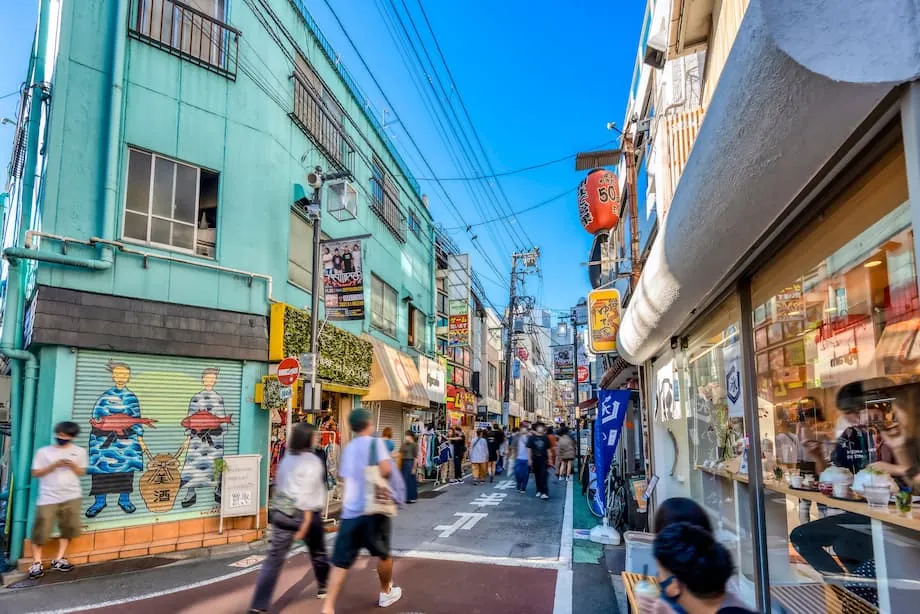
More than 200 vintage shops, eight Honda Group theaters near the station, and a curry festival involving over 100 shops help explain why Shimokitazawa remains one of Tokyo's most distinctive neighborhoods as of August 11, 2025. In Setagaya Ward, just minutes from Shibuya and Shinjuku, its narrow streets bring fashion, music, theater and everyday neighborhood life into close contact.
Contents
- A Different Kind of Tokyo, Minutes From Its Busiest Hubs
- How a Farming Village Became a Cultural Hub
- More Than 200 Ways to Shop for Vintage Clothes
- Coffee Shops With Their Own Identities
- Curry Is Part of the Neighborhood's Calendar
- The Theaters That Helped Shape Shimokita
- Live Music, Jazz and Records Keep the Scene Moving
- Art and Zines Record Life in the Backstreets
- Redevelopment Tests a Strong Community Identity
- Why Visitors Still Find an Alternative Tokyo
- Key Points
Known affectionately as Shimokita, the area offers a quieter contrast to Tokyo's neon, skyscrapers and relentless pace. Vintage clothing stores sit alongside independent cafés, record shops and small performance venues. Together, they have made the neighborhood a symbol of the city's alternative culture, with a community that has resisted pressure for extensive redevelopment.
Its international reputation includes recognition as the second coolest neighborhood in the world in a 2019 neighborhood ranking. The attraction is easy to understand: visitors can browse unusual clothes, stop for coffee and find a live performance without leaving the same network of small streets.
Shimokitazawa's character also reflects a longer history. A former farming village became a residential district, then a gathering place for students, artists and musicians. Delays in railway modernization helped preserve buildings and streets that might otherwise have changed much sooner.
New developments, including Mikan Shimokita and Reload, are now part of that landscape. Their arrival brings modern amenities while sharpening a local debate about how much physical change the neighborhood can absorb while keeping the independent businesses and creative communities that make it attractive.
How a Farming Village Became a Cultural Hub
Shimokitazawa's name means "lower Kitazawa," recalling its origins as a farming village. After the Great Kanto Earthquake of 1923, the area developed into a residential neighborhood. Commercial activity expanded in the postwar years, laying the groundwork for a busier district.
Students, artists and musicians were arriving by the 1960s, attracted by affordable rents and room to experiment. The area's winding alleyways and patchwork of small businesses developed gradually, providing a setting for a cultural scene that grew through many individual shops and gathering places.
Architect Kuma Kengo has described the delays in modernizing the Odakyu train line during the 1980s as "stalled modernization." Those delays helped preserve low buildings and narrow streets. Jazz bars, vintage shops, cafés and theaters continued to develop within that setting.
The neighborhood's transformation took place over several periods:
- After the Great Kanto Earthquake of 1923, the former farming village grew into a residential area.
- During the postwar years, commercial activity expanded.
- By the 1960s, affordable rents and an experimental atmosphere were attracting students, artists and musicians.
- During the 1980s, railway modernization delays helped preserve the streetscape, while new theaters strengthened the performing arts scene.
- By 2025, Shimokitazawa had more than 200 vintage shops, alongside newer developments near the station.
That history helps explain why the area's appeal extends beyond any individual destination. Its shops and venues occupy a neighborhood whose physical shape has allowed many small businesses to exist close together.
More Than 200 Ways to Shop for Vintage Clothes
Vintage shopping is one of Shimokitazawa's strongest draws. With more than 200 vintage shops by 2025, the area attracts fashion enthusiasts, bargain hunters and shoppers interested in sustainability. The selection ranges from rare American denim to unusual Japanese streetwear.
Chicago, Flamingo, Stick Out and New York Joe Exchange are among its established shopping destinations. Stick Out is known for pricing everything at 700 yen, while New York Joe Exchange occupies a former public bath. Those details give individual stores a recognizable identity within a crowded shopping district.
Toyo Department Store brings another version of the same independent spirit, housing a collection of tiny shops under one roof. Each has its own personality, giving visitors several distinct selections within a single building.
Many of the neighborhood's stores are run by young entrepreneurs and local creatives. Their presence connects the clothing trade with the area's wider culture of small businesses and ethical fashion. For customers, shopping can mean finding something unusual while keeping an existing garment in use.
Younger generations' interest in sustainability, ethical consumption and clothes that are unlike anything else has helped drive the vintage boom. Shimokitazawa is a leading destination for thrifting in Tokyo, alongside Harajuku and Koenji. Flea markets, including a weekend market near the station, add another place to search for unexpected finds.
Coffee Shops With Their Own Identities
Shimokitazawa's café culture follows a similar pattern to its clothing scene: independent businesses with distinct personalities, often tucked into unexpected corners. They offer places to pause between shops, watch street life or concentrate on a carefully prepared cup of coffee.
Bear Pond Espresso is known for its minimalist style and an approach to espresso described as "philosophical." Bookends Coffee Service pairs coffee with vintage records playing in the background. Light Up Coffee attracts customers with specialty beans and a relaxed atmosphere.
Newer arrivals include Ogawa Coffee Laboratory, which brings a scientific approach to brewing. Hi Monsieur combines doughnuts, books and quirky Western decor. Each adds a different reason to stop, rather than giving visitors the same café experience at every address.
These businesses also connect several strands of neighborhood life. Books, records, design and food appear alongside coffee, reflecting the way Shimokitazawa's creative culture reaches into ordinary activities. A café visit can fit naturally between browsing a record shop and attending an evening performance.
Curry Is Part of the Neighborhood's Calendar
Restaurants broaden the area's appeal beyond coffee and vintage clothes. Shimokitazawa has ramen and yakitori, vegan bakeries and international cuisine, giving residents and visitors choices across different tastes and diets.
Curry has a particularly strong presence. An annual curry festival held each October draws thousands of visitors and features more than 100 participating shops. The event turns a familiar meal into a neighborhood attraction, with many businesses taking part.
Magic Spice Tokyo, Planet of Curry and SAMA are among the notable curry destinations. Their presence helps make food part of the area's identity throughout the year, alongside the larger gathering each October.
The festival also shows how Shimokitazawa's appeal is spread across many establishments. Visitors may arrive for a particular dish, then spend time in nearby cafés, clothing stores or record shops. Food, shopping and culture are closely connected by the neighborhood's walkable streets.
The Theaters That Helped Shape Shimokita
Actor Honda Kazuo played a central role in turning Shimokitazawa into Tokyo's "theater town." During the 1980s, he opened the Suzunari and Honda Theaters, helping spark a wave of small theaters and live performance venues.
Eight Honda Group theaters now operate near the station. Their programs range from experimental drama to comedy and dance, making performance an established part of the neighborhood rather than an occasional attraction.
The concentration of venues gives Shimokitazawa an identity beyond retail. Visitors can come for an evening show, while performers and audiences bring another rhythm to streets that also serve shoppers and café customers during the day.
Honda's contribution sits alongside the earlier arrival of students, artists and musicians. The neighborhood's creative reputation grew through both informal gathering places and dedicated cultural spaces, with the theaters giving that activity a lasting physical presence.
Live Music, Jazz and Records Keep the Scene Moving
Shelter, Liveholic and Shimokitazawa THREE are among the venues supporting the neighborhood's live music scene. They host emerging bands as well as established acts, helping make Shimokitazawa a starting point for musicians in Tokyo's independent music community.
Record shops extend that musical life beyond the stage. Flash Disc Ranch, Disk Union and Pianola Records serve vinyl enthusiasts, while listening bars such as Masako: Jazz & Coffee offer places to spend time with jazz.
Nick Dwyer, a writer and filmmaker based in Tokyo, describes the neighborhood's musical identity as part of a broader history of underground culture and political activity:
Shimokitazawa has always been this kind of bohemian, culturally rich neighborhood in Tokyo. In the 1960s, it was important in the student movement and became a hub for underground culture, jazz kissas, record stores, curry shops, and second-hand clothing stores.
Jazz kissas are cafés associated with listening to jazz. Their place in Dwyer's description connects music with the smaller, everyday spaces that have helped sustain Shimokitazawa's cultural life.
Live venues, record stores and listening spaces serve different needs within the same scene. Someone can discover a band at a performance, browse recorded music or simply spend time listening over coffee. That range helps explain why music remains so closely associated with the area.
Art and Zines Record Life in the Backstreets
Visual art and print culture form another part of Shimokitazawa's creative activity. Gallery Hana and spaces such as Sanzou Tokyo showcase local talent, adding places for artists to present work alongside the area's theaters and music venues.
Ebony Bizys, an Australian designer and author who lives in the neighborhood, documents its backstreets and Showa-era shops in her self-published zines. Zines are small publications made independently, giving their creators direct control over the subjects and images they share.
Her work draws attention to the ordinary streets and businesses that help give Shimokitazawa its identity. Alongside performances and exhibitions, these publications provide another way for residents to express their relationship with the place.
The range of activity matters to the neighborhood's character. Its creativity appears in clothing selections, café interiors, live performances, gallery work and independently published pages. Each is part of a district shaped by people working on a relatively small scale.
Redevelopment Tests a Strong Community Identity
Mikan Shimokita and Reload bring modern amenities to the area near the station. They also sit at the center of concerns about whether new development could weaken the character that draws people to Shimokitazawa in the first place.
Plans for new roads and tall apartment buildings have prompted debate among residents. Many fear that changes to the physical neighborhood could dilute its distinctive spirit. Gentrification, the process through which an area becomes more expensive and changes as new investment arrives, is part of that concern.
Shimokitazawa has long offered a home for artists, dreamers and people seeking an alternative to Tokyo's corporate working culture. Its narrow streets, low buildings and independent businesses have supported a sense of belonging as well as creative activity.
Sociologist Shunya Yoshimi and architect Kuma Kengo have pointed to the value of preserving Tokyo's "villages": networks of local communities where creativity and shared life can develop gradually. Shimokitazawa illustrates that idea through its many small businesses and cultural spaces.
The neighborhood is balancing change with attachment to its roots. New amenities can exist alongside established businesses, while residents continue to debate the effect of larger changes. The central concern is concrete: whether the streets, venues and shops that support local life will retain their place as the district develops.
Why Visitors Still Find an Alternative Tokyo
Shimokitazawa offers visitors a different experience from Tokyo's more heavily visited tourist districts. Its pedestrian friendly streets encourage exploration, whether the destination is a vintage shop, an independent café or a live show.
The neighborhood's affordability compared with central Tokyo has also helped make it accessible to students, artists and travelers with limited budgets. That accessibility connects its appeal as a place to visit with its history as a place where creative people could settle and experiment.
Its welcome extends beyond a list of attractions. Shimokitazawa brings older shops, new developments, local routines and international visitors into the same streets, showing how tradition and innovation coexist within Tokyo.
The neighborhood's continuing appeal is captured in a description of how it has handled increased tourism and new development:
Shimokitazawa "retains its alternative edge and welcoming spirit, remaining a place for individuals and creativity."
As of August 11, 2025, that combination remains the neighborhood's defining attraction. Its future is being shaped by the same tension visible in its streets: a desire for useful change alongside a commitment to the independent places and community relationships that have made Shimokita distinctive.
Key Points
- Shimokitazawa is in Setagaya Ward, minutes from Shibuya and Shinjuku, and was ranked the world's second coolest neighborhood in 2019.
- Its development from farming village to cultural district included residential growth after 1923, an influx of creatives in the 1960s and railway modernization delays in the 1980s.
- By 2025, the neighborhood had more than 200 vintage shops, with independent cafés, record stores and galleries adding to its appeal.
- Eight Honda Group theaters operate near the station, while live music venues support emerging and established performers.
- The annual October curry festival attracts thousands of visitors and involves more than 100 shops.
- Mikan Shimokita, Reload and plans for roads and apartment buildings have brought redevelopment and neighborhood identity into local debate.