Surveillance Claims Bring Pressure on British Campuses
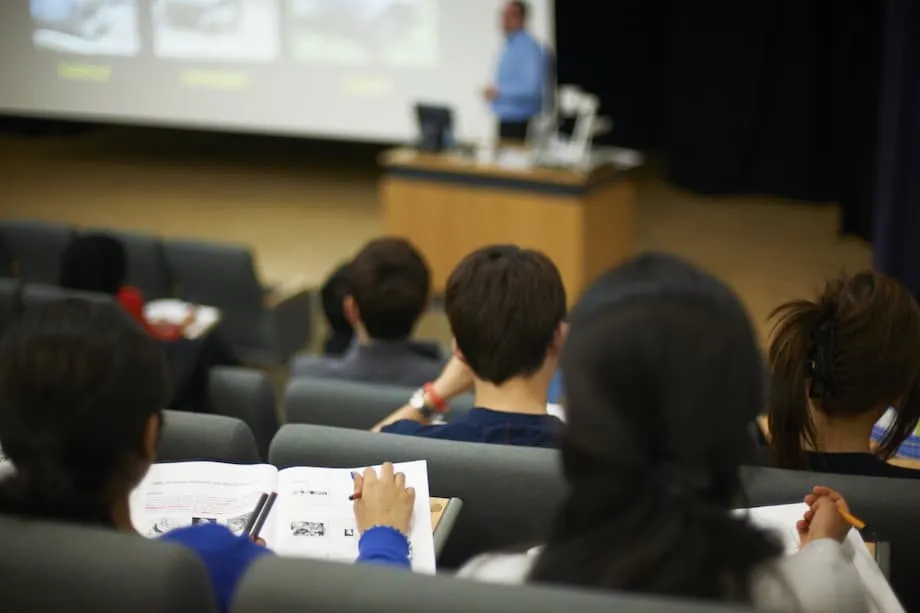
Chinese students at British universities have told academics they were approached by officials from their home country and asked to monitor classmates, according to research by the UK-China Transparency think tank. The reported requests concerned discussions of issues sensitive to the Chinese Communist Party, including the treatment of Uyghurs in Xinjiang, Taiwan, the Hong Kong protests and the origins of COVID-19.
Contents
- Surveillance Claims Bring Pressure on British Campuses
- What Students and Scholars Describe
- How Pressure Changes Teaching and Research
- Nearly £50 Million in Chinese Funding
- Universities Defend Their Independence
- Confucius Institutes and Student Associations Face Scrutiny
- British Campuses in China Face Party Requirements
- Beijing Rejects Allegations as Britain Tightens Safeguards
- Research Security Adds a Separate Concern
- Key Points
The allegations sit alongside growing scrutiny of university finances. Investigations found that leading British universities received nearly £50 million from Chinese sources over four years, with Oxford and Cambridge accounting for more than half. Universities defend their approval processes and academic independence, while critics warn that financial relationships can discourage open discussion.
As of August 4, 2025, the debate stretches from classroom conversations and the safety of families in China to research with possible military uses. The UK government has introduced legislation to protect academic freedom, and the Office for Students plans to examine Confucius Institutes under new free speech laws.
Academic freedom means that researchers, teachers and students can investigate questions, discuss evidence and challenge ideas without outside pressure deciding what they may say. The concern in these cases is concrete: a student may stay silent in a seminar, a scholar may avoid a research topic, or a university may hesitate over an event because of possible retaliation or financial consequences.
China's embassy in London rejects allegations of interference. Within British academia, there is also disagreement about whether reported incidents reflect a coordinated campaign or a smaller number of individual cases. Universities face demands to protect people and research while preserving the benefits of international collaboration.
What Students and Scholars Describe
UK-China Transparency's survey described pressure on some Chinese students to report on their peers. Academics interviewed for the research said students of Chinese nationality had confided that Chinese Communist Party officials approached them about monitoring classroom discussions.
Students of other nationalities also reported discomfort discussing China. Their concern was that comments could reach Chinese authorities and bring consequences for themselves or their families in China. The reported pressure therefore extended beyond the people allegedly asked to gather information: classmates and lecturers could also become reluctant to speak.
An academic described a warning from a visiting scholar from China. According to the academic's account, the visiting scholar said:
We're watching you,
Other academics described online harassment and warnings from Chinese officials. The research also found accounts of relatives in China being threatened or harassed because of the research or public statements of scholars based in the UK.
Accounts of student surveillance allegations and pressure over sensitive topics described similar patterns of intimidation. Chinese Students and Scholars Associations, commonly called CSSAs, and Confucius Institutes were identified as possible channels for monitoring people and suppressing dissent.
How Pressure Changes Teaching and Research
Academics described a climate of fear and self-censorship, meaning people restrict their own words because they anticipate trouble. In a university, that can affect both the questions students ask and the subjects researchers choose to investigate.
Some students and academics have been denied funding or visas for work that might upset the Chinese Communist Party. Others have received direct warnings from university administrators, sometimes linked to concerns about institutional finances or relationships with Chinese partners.
Research on human rights in Xinjiang and the history of Tiananmen Square was identified as particularly vulnerable to being pushed aside or excluded from academic discussion. The same pressures can affect debate about Taiwan, Hong Kong and the origins of COVID-19.
Students lose opportunities to test ideas when people avoid difficult subjects. Researchers may leave questions unexplored, while policymakers, journalists and the public receive a narrower body of knowledge. The concern is therefore about both personal freedom and the information universities produce for the wider world.
Threats involving relatives create an additional source of pressure. A scholar working in Britain may still have family in China, making the consequences of a lecture, publication or public statement feel close to home even when the academic is abroad.
Nearly £50 Million in Chinese Funding
Leading British universities, particularly members of the Russell Group, received nearly £50 million from Chinese sources over the preceding four years, according to investigations into Chinese university funding and financial ties with China. Oxford and Cambridge together accounted for more than half of that amount.
The funding came from Chinese universities, technology businesses including Huawei, and other organisations with links to the Chinese state or military. The relationships covered research grants, donations, scholarships and joint ventures, including Confucius Institutes.
Some professorships and academic centres have been named after Chinese donors. Critics question whether these relationships can influence which research receives support and which priorities institutions pursue.
Sir Iain Duncan Smith, the former Conservative Party leader, warned that financial dependency could lead universities to accommodate Beijing's positions. He described the risk as:
kowtowing towards China and its views,
His concern was that such accommodation could limit open debate about human rights abuses and other contentious subjects. Universities' dependence on international tuition fees adds another financial consideration. Chinese students were described as the largest foreign student group in the UK, creating concern that institutions might avoid actions that offend Beijing.
Universities Defend Their Independence
Oxford said its funders have no influence over research or teaching. Universities more broadly have defended their partnerships by pointing to approval procedures for donations and collaborations, saying that academic independence is maintained.
Cambridge said less than 1% of its annual research grant comes from China and that all grants are examined for national security risks. That figure concerns Cambridge's annual research funding, while the nearly £50 million figure covers money received by a wider group of leading universities over four years.
Academics and watchdogs want institutions to disclose more about the origins and terms of foreign funding, particularly where a donor or partner has links to the Chinese government or military. Such disclosure would allow closer examination of who provides money and what agreements accompany it.
King's College London has faced calls for greater openness about its China studies institute, which was funded by a single donor from Hong Kong. Debate over the China centre funding focused on transparency around a financial relationship that could affect academic integrity.
The institutional responses and calls for disclosure address different parts of the same concern. Universities say their internal checks protect independence. Those seeking greater transparency want the terms of financial relationships to be open to examination beyond the people who approve them.
Confucius Institutes and Student Associations Face Scrutiny
Confucius Institutes operate at dozens of British universities and are presented as centres for Chinese language and culture. Critics argue that they also serve the Chinese government's soft power, meaning influence built through culture, education and relationships, with potential effects on teaching and discussion.
The UK Parliament's Foreign Affairs Committee and independent think tanks have highlighted allegations that Confucius Institute officials confiscated academic papers mentioning Taiwan. They have also raised cases in which universities were pressured to cancel events concerning Tibet and Hong Kong.
Chinese Students and Scholars Associations are present at most UK universities. They have been identified as possible channels for surveillance and political interference, sometimes involving coordination with Chinese embassy officials.
Some university representatives have described incidents as isolated rather than part of a systematic problem. The Foreign Affairs Committee and independent experts argue that even individual incidents can discourage discussion, especially when people also fear financial consequences or retaliation against relatives.
The Office for Students, the higher education regulator, has announced plans to review Confucius Institutes under new free speech laws. It has the power to fine universities millions of pounds for failing to protect academic freedom. No date for that review was given.
British Campuses in China Face Party Requirements
British universities operating campuses in China face a different set of pressures. They are required to host branches of the Chinese Communist Party, and party members often hold important administrative positions.
The China Strategic Risks Institute found that every British university with a campus in China had a party branch embedded in its governance structure. Its findings on party branches on campuses brought scrutiny to how those institutions are managed.
Governance is the system through which an institution makes decisions and assigns authority. A party branch within that structure places a political organisation inside the university's arrangements for running the campus.
The issue extends the debate beyond Chinese influence at universities in Britain. British institutions also have to consider how to maintain academic independence and free speech at campuses operating in an environment where the Chinese Communist Party's authority is paramount.
Beijing Rejects Allegations as Britain Tightens Safeguards
The Chinese embassy in London has consistently rejected claims of interference. Embassy spokespeople described the allegations as:
groundless and absurd,
The embassy said China respects freedom of speech and academic freedom in the UK. Its spokespeople also said China follows a policy of non-interference in other countries' internal affairs and expects Chinese citizens abroad to follow local laws.
The UK government has introduced legislation requiring universities to actively promote and protect academic freedom. The Office for Students has been given powers to investigate institutions and impose penalties where they fail to meet those responsibilities.
Skills Minister Jacqui Smith described academic freedom in Britain's leading institutions as:
non-negotiable
Michelle Donelan, identified as science and technology secretary in the account of the government's research security response, stressed the need for strong safeguards against foreign threats to research. The measures under consideration include security clearance for key university personnel, more disclosure of funding sources and stronger security around research projects.
Research Security Adds a Separate Concern
MI5 and the National Cyber Security Centre have briefed university leaders on the danger of foreign interference. The warnings focused particularly on sensitive research that could have economic or military applications.
The government's research security discussions covered the risk that foreign states could target British universities to strengthen their own capabilities. For universities, this adds questions about access to research and the protection of projects alongside concerns about speech and intimidation.
Academic organisations disagree about the scale of the problem. Million Plus said it had not seen systematic evidence of a concerted Chinese campaign to undermine academic freedom. Other university voices acknowledged incidents while disputing that they amounted to a widespread or coordinated effort.
The Foreign Affairs Committee and independent experts take the view that even isolated interference can have a chilling effect. A student or researcher who hears of retaliation may decide to avoid a topic without receiving a direct warning themselves.
Similar debates are taking place in Australia, New Zealand, the United States and Canada. Universities there have also faced scrutiny over Chinese funding, student surveillance and political interference, and some countries have banned or restricted Confucius Institutes or increased checks on foreign donations.
British universities are being asked to preserve international cooperation while protecting independent inquiry, people and sensitive research. The practical issues are specific: whether students can speak freely, whether scholars can choose research subjects without pressure, whether funding terms are transparent and whether institutional safeguards can withstand outside demands.
Key Points
- UK-China Transparency described accounts of Chinese students being asked to monitor classmates and of scholars facing intimidation or threats involving relatives.
- Leading British universities received nearly £50 million from Chinese sources over four years, with Oxford and Cambridge accounting for more than half.
- Oxford said funders do not influence teaching or research. Cambridge said less than 1% of its annual research grant comes from China.
- Confucius Institutes and Chinese Students and Scholars Associations face scrutiny over allegations of surveillance and interference.
- The China Strategic Risks Institute found Communist Party branches within the governance of every British university campus operating in China.
- China's embassy rejects interference allegations, while academic organisations disagree about whether incidents form a coordinated campaign.
- British measures include stronger academic freedom duties, regulatory penalties and consideration of further research security safeguards.