A familiar schoolyard sound finally has a composer
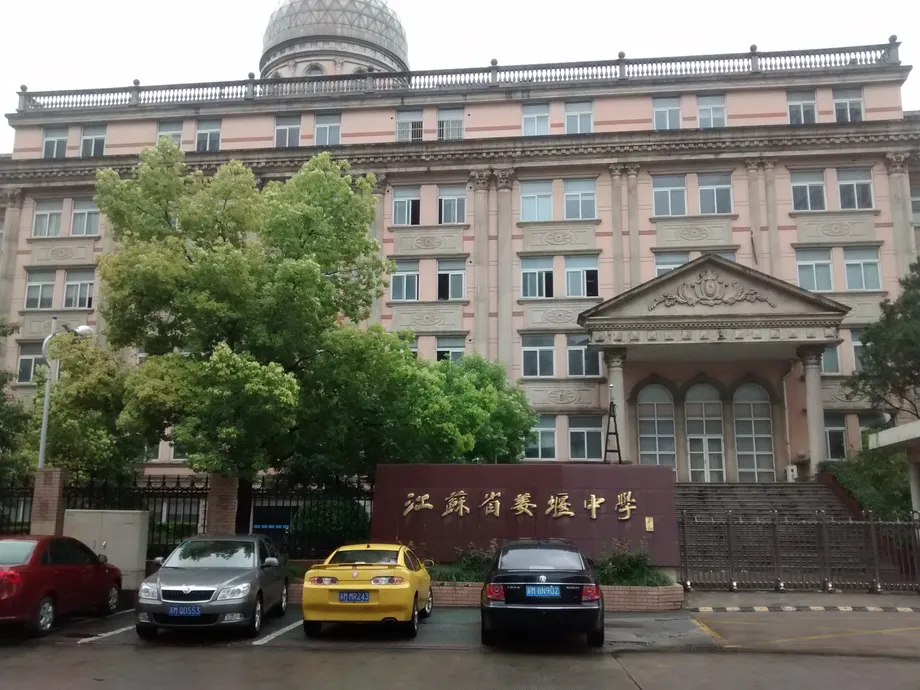
For more than 20 years, students across China have run to a tune whose creator many never knew. Now, an online search by students and other internet users has identified the teacher behind it: Jiang Yanjun of Tangqiao Senior High School in Zhangjiagang, Jiangsu province.
Contents
Jiang created the music in 2003 to solve a practical problem at his school. Teachers needed a soundtrack for group running during the school break, but the recordings they had tried did not fit. Over about 20 days, he developed and tested a replacement with physical education teachers, eventually choosing a tempo of 176 beats per minute.
The recording combined music with shouted running calls recorded by Jiang and colleagues in the courtyard of his home. From that modest beginning, copies passed between teachers and schools, eventually reaching playgrounds across the country.
Its recent rediscovery has connected a widely remembered sound with the person who made it. Online, some listeners jokingly call it the "stomachache tune," a nickname that captures a less comfortable side of school running alongside the nostalgia.
Music made to match the runners
Tangqiao Senior High School needed music for an activity in which many students moved together. A useful recording had to do more than provide a pleasant melody: its beat needed to support a steady pace, while its calls helped organise the runners.
Jiang worked with the teachers responsible for physical education rather than settling on a tempo at his desk. He composed, tested and adjusted the music over roughly 20 days. The final choice, 176 beats per minute, gave the recording a brisk, regular pulse.
A tempo measures how many musical beats occur in one minute. At 176 beats per minute, the track provides just under three beats each second. That regularity helps explain why the pace was a central part of the composition process: students needed a rhythm they could follow together.
The collaboration also gave the music a direct connection to the activity it accompanied. Jiang supplied the composition, while the physical education teachers helped test whether it worked for running. The finished recording grew out of the needs of a particular school before becoming familiar far beyond it.
The voices came from a home courtyard
Jiang invited fellow teachers to record the running calls that accompanied the music. They made those recordings in the courtyard of his home, adding human instructions to the instrumental rhythm.
The shouted count, whistles and drumbeat became recognisable features of the track. For students hearing it through school loudspeakers, those sounds were part of the signal to move together, rather than a piece of music heard separately from daily life.
The production details give a concrete origin to something many listeners encountered as an ordinary fixture of school. Behind the recording were a music teacher, colleagues willing to lend their voices and repeated efforts to make the sound fit the runners.
How copies travelled between schools
Teachers began copying the audio, allowing it to move beyond Tangqiao Senior High School. The school later produced and distributed nearly 100 CDs, giving other schools a physical recording they could play and copy.
That circulation offers a simple explanation for how the tune became widely known while its creator remained unfamiliar to many listeners. Students encountered the finished audio during exercise, while teachers exchanged a useful resource. The music travelled through everyday school use.
A national school sports event held in Zhangjiagang in 2007 and 2008 helped widen its reach. Schools across China subsequently adopted the recording, turning music made for one campus into a shared part of school life in many places.
The main stages stretch from a local teaching task to an online search more than two decades later:
- 2003: Jiang composed the running music at Tangqiao Senior High School, working with physical education teachers over about 20 days.
- After its creation: Teachers copied the audio, and the school made and distributed nearly 100 CDs.
- 2007 and 2008: A national school sports event in Zhangjiagang helped the recording reach more schools.
- More than 20 years later: Students and other internet users searching for its creator identified Jiang.
An online search reconnects the tune with its maker
Students and other internet users recently began looking for the person behind the familiar recording. Their collective search led back to Tangqiao Senior High School and Jiang, bringing attention to a composer whose work had long been heard without his name.
The precise steps that connected the online search to Jiang have not been detailed. The identification nevertheless supplies the central piece of information listeners had been seeking: the music came from a teacher responding to his own school's need.
The recording was reported to have been made without copyright registration. Its documented route between schools was through copied audio and CDs, rather than a named commercial release. No total has been given for the number of schools that used it or the students who heard it.
Those gaps leave the scale of its audience uncounted, even as the renewed online attention shows how readily people recognise it. The story's clearest measure is its duration: a recording created in 2003 remained familiar enough more than two decades later for listeners to seek out its author.
Why the memories include more than music
The nickname "stomachache tune" brings humour to a memory associated with physical effort. For some former students, hearing the opening sounds recalls the strain of running as immediately as it recalls the school playground.
Jiang hopes the melody will also bring back friends and the energy of school life, rather than only the tiredness of exercise. His response gives the rediscovery a personal focus: the teacher who made a practical soundtrack now knows it has become part of other people's memories.
The tune's history connects those memories to specific work. Its pace was tested with physical education teachers, its calls were recorded with colleagues, and its spread depended on teachers sharing copies. What many students remember as a familiar sound began with a local problem and a recording made to solve it.
Key Points
- Jiang Yanjun, a music teacher at Tangqiao Senior High School in Zhangjiagang, created the familiar running tune in 2003.
- He spent about 20 days developing and testing it with physical education teachers, settling on 176 beats per minute.
- Colleagues recorded the running calls in the courtyard of his home.
- Teachers shared copies, and the school distributed nearly 100 CDs. Sports event activity in Zhangjiagang in 2007 and 2008 helped broaden its reach.
- An online search identified Jiang more than 20 years later. He hopes listeners remember their friends and school life as well as the effort of running.