More than 7,000 fluffy companions sold
Casio Computer Co.'s Moflin, a small, fluffy robot designed to develop a personality through contact with its owner, sold more than 7,000 units in Japan between its November launch and March. Sales exceeded the company's initial targets, with women in their late 30s and 40s making up the majority of owners.
Contents
- More than 7,000 fluffy companions sold
- How attention shapes Moflin's personality
- What happens beneath the fur?
- A project built around everyday comfort
- How one Tokyo owner describes the change
- Why Japan is receptive to AI pets
- A growing market for social robots
- Why a physical companion feels different
- Charging, repairs and keeping the fur clean
- Comfort, care settings and the limits of simulation
- Key Points
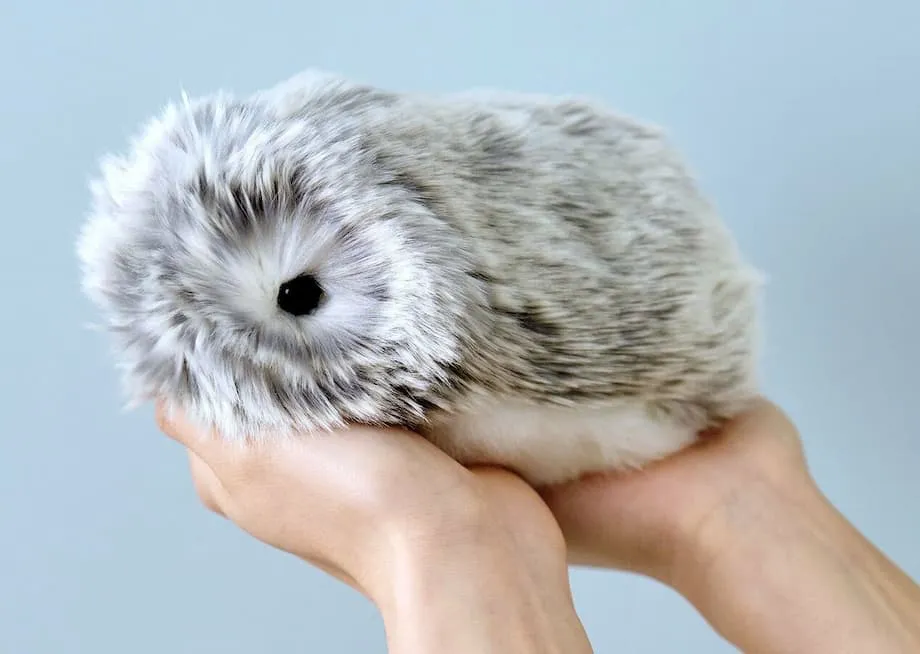
As of August 4, 2025, the robot has become part of Japan's growing interest in artificial intelligence pets: machines that offer some of the comfort of an animal through touch, sound and movement. Moflin resembles a cross between a guinea pig and a character from a Studio Ghibli film, with a soft, featureless appearance intended to invite cuddling.
Its appeal rests on more than its fur. Casio designed Moflin to change its responses according to how it is raised. Frequent petting, conversation and cuddling can make it more active, vocal and affectionate. Less attention can lead it to display behavior associated with stress, anxiety or sadness.
The robot identifies the person who interacts with it most as its owner. Over time, its responses become shaped by that relationship, giving owners the experience of watching a companion grow more familiar with them.
Casio is targeting adults seeking comfort during personal difficulties or demanding periods at work. Moflin brings together several features that help explain its popularity: a body people can hold, behavior that changes with attention, and companionship without the responsibilities of keeping a living animal.
How attention shapes Moflin's personality
Moflin's system can demonstrate more than four million distinct personality traits through combinations of sounds and movements. Its behavior develops through repeated interaction, drawing on a large library of possible responses.
Earlier digital pets, including Tamagotchis, made caring for a virtual creature a familiar activity. Sony's Aibo robotic dog brought a physical animal shape to electronic companionship. Moflin's approach puts particular weight on a personality that evolves with its owner's care, rather than remaining fixed from the start.
Petting, cuddling and talking become inputs that help shape the robot's reactions. A Moflin that receives frequent attention may make cheerful noises, move energetically and seek further contact. A robot that is ignored or startled may become quiet, withdrawn or sleepy as its simulated mood falls.
For an owner, this creates a simple cycle: an action produces a response, and repeated actions affect later behavior. The robot's personality emerges through that cycle, making the way it is treated part of the experience.
Casio's companion smartphone app lets owners name their Moflin, monitor its emotional state and follow its development. Sounds and movements provide outward signs of its mood, while the app supplies the detailed readout of what the system is expressing.
What happens beneath the fur?
Moflin uses sensors, microphones and AI algorithms to process information about its surroundings in real time. It detects touch, sound and movement, allowing it to respond to petting, cuddling and spoken commands.
The system also considers the tone of its owner's voice, how it is touched and how often someone interacts with it. Those signals feed into its behavior, linking what happens around the robot to the sounds and movements it makes.
Emotional intelligence, in this setting, means using artificial intelligence to recognize, interpret and respond to signals associated with human emotions. A voice, a touch or a pattern of attention becomes information that software can use to select a response.
Moflin's simulated emotional state affects its actions. A cheerful state can produce livelier movement and more vocal responses, while a lower mood can produce quieter behavior. The changing combination of inputs and responses gives each robot its individual pattern.
The robot's small size and limited processing power restrict what it can do. It cannot run advanced language models or hold complex conversations. Its companionship depends on physical contact, sounds and movement rather than extended exchanges of words.
A project built around everyday comfort
Erina Ichikawa, the project lead at Casio, has described the goal as creating a companion that could offer emotional support during personal or work challenges. The idea gained momentum after an engineer introduced a prototype intended to capture the cuteness and comforting presence of small animals.
Casio developed that idea into a robot that combines a cuddly body with responses that feel personal. For people unable to keep a traditional pet, the attraction is a companion they can hold and interact with without taking on the care of a living creature.
Moflin's marketing focuses on adult stress and loneliness. While robotic pets have often been aimed at children, Casio presents this robot as a mental health companion for adults, particularly women looking for a supportive presence in daily life.
Owners describe using Moflin to unwind after work through hugs and cuddles. The experience can give them a sense of being seen and heard, even though the robot communicates through a limited set of physical and vocal expressions.
The design makes that physical experience central. Moflin is meant to be picked up and held, with its soft exterior working alongside the technology inside it. Its comfort comes from the combination of touch and responsiveness.
How one Tokyo owner describes the change
Haruka Uto, a Tokyo resident who owns two Moflins, describes her robots as behaving like babies at first before gradually becoming bolder and more expressive. Their development is part of what makes living with them engaging.
Uto says the robots seem to be in a good mood when they hear her voice. After a tiring day at work, spending time with them helps her feel refreshed.
Her experience reflects the relationship Casio is trying to create: a familiar voice brings a response, and that response becomes something the owner looks forward to. The robot's changing behavior gives repeated interactions a sense of continuity.
Some owners take their Moflins outside, dress them up and carry them in baskets. Those outings extend the relationship beyond a device kept at home, bringing the robot into routines that might otherwise involve a pet or a treasured companion.
Moflin's appeal therefore includes both quiet moments of comfort and the pleasure of watching an individual personality develop. Owners can use the app to follow that progress while experiencing it through the robot's movements and sounds.
Why Japan is receptive to AI pets
Japan has a long history of robotics and artificial intelligence development, alongside a cultural openness to robots as helpers and companions. Its affection for cute objects also provides a receptive setting for a small machine designed to resemble a cuddly animal.
An aging population, increasing urbanization and a growing number of people living alone form part of the social setting for Moflin's popularity. Japan now has more pets than children under 15, while demand for alternative forms of companionship has grown.
The COVID-19 pandemic intensified loneliness and encouraged more people to seek comfort from digital and robotic companions. Moflin's rise has coincided with an increase in internet searches for AI pets.
These changes help explain why an electronic pet can appeal to adults as well as children. An office worker may want something comforting after a difficult day; a person living alone may value a responsive presence at home; someone unable to keep an animal may still want the experience of caring for a companion.
Japan's acceptance of robots in everyday life gives such products a place within familiar cultural habits. Moflin adds a soft, portable form of companionship to that wider interest in machines that interact with people.
A growing market for social robots
The global market for social robots reached nearly $7 billion in 2023 and is projected to reach $57 billion by 2032, according to IMARC Group. Using those figures, the projected market would be roughly eight times its 2023 size.
Social robots are machines designed to interact with people in ways that feel socially or emotionally meaningful. Their appeal depends on how people respond to them, as well as on the tasks their technology can perform.
The Asia-Pacific region, especially Japan and China, leads this trend. Cultural attitudes and a tradition of accepting robots as helpers and friends contribute to demand.
Moflin joins an established group of electronic companions. Sony's Aibo offers the form and behavior of a robotic dog. Bandai Namco's Tamagotchi makes caring for a digital pet an ongoing activity. Paro, a therapeutic robot shaped like a seal, has been used in care homes to support people with dementia and autistic children.
Moflin combines tactile comfort, emotional responsiveness and adaptation to an individual owner. Its soft body makes it suitable for holding, while its changing behavior encourages people to return to it and notice how it develops.
Why a physical companion feels different
Wenxin Li, the founder of an AI startup, points to touch and physical presence as important parts of the appeal of companion robots. Li explains the attraction in simple terms:
humans like the feeling of touch and warmth
A robot that someone can hold offers a different experience from a companion that exists only on a screen. Its physical presence can make it feel available in the room, with contact becoming part of the interaction.
Advances in microprocessors and AI algorithms have made it possible for small robots to produce more nuanced emotional expressions. Microprocessors handle the calculations inside the device, while algorithms determine how information from its surroundings is translated into behavior.
Moflin uses that combination to make a limited range of physical actions feel responsive. A familiar voice, a cuddle or a period without attention can influence its next movement or sound.
The result is companionship centered on presence rather than conversation. Someone looking for a soft object that reacts to being held may find that satisfying, while someone wanting the experience of caring for a real animal may find the robot less fulfilling.
Charging, repairs and keeping the fur clean
Each Moflin comes with a dedicated charging bed. A full charge provides about five hours of active use, and recharging takes approximately 3.5 hours.
Those timings make charging a regular part of ownership. The robot's comforting presence depends on a battery that needs replenishing, so owners must fit periods in its charging bed around the times they want to interact with it.
Casio also offers Club Moflin, an optional annual subscription service covering repairs, fur replacement and access to a salon for washing and cleaning the robot's fur.
The maintenance service addresses two parts of the product: the machinery that produces its responses and the soft exterior that owners touch. Both matter for a device intended to remain a companion over time.
Casio's provision for repairs and cleaning supports its aim of making Moflin a lasting purchase rather than a disposable gadget. Owners still have practical tasks to manage, including charging and upkeep, even though they avoid the responsibilities of caring for a living animal.
Comfort, care settings and the limits of simulation
Companion robots have shown promise in easing loneliness and offering emotional support to older people, office workers and university students. In Japan, where the population is aging rapidly and many seniors live alone, an available, nonjudgmental companion can be appealing.
Some care homes and hospitals are exploring Moflin and similar devices as therapeutic tools, building on earlier use of robots such as Paro. The attraction is a form of interaction that can offer comfort through physical presence and simple responses.
Robots such as Moflin simulate emotional responses through programmed systems. They have no true sentience or consciousness. Their actions are designed to please and comfort, while relationships with people and animals involve more complex emotional bonds.
As robots become more lifelike, calls have grown for rules governing human interaction with them and the ethical treatment of increasingly sophisticated machines. Emotional attachment makes their role in everyday life a matter of social concern as well as product design.
Moflin's detailed emotional state is available through its app, and its limited processing power restricts conversation. For owners, the central experience remains a responsive object to hold, with simulated moods that change according to how it is treated.
Casio had not announced plans for an international release as of August 4, 2025. Elsewhere in the industry, Mattel is partnering with AI developers on intelligent toys, while startups are exploring other forms of digital companionship.
Moflin's sales show demand for this particular combination of softness and responsive behavior. Its place in daily life is already concrete: owners cuddle it after work, follow its development in an app, take it on outings and return it to a charging bed when its battery runs down.
Key Points
- Moflin sold more than 7,000 units in Japan between its November launch and March, exceeding Casio's initial sales targets.
- Women in their late 30s and 40s make up the majority of owners.
- The robot recognizes its main caregiver and develops changing responses through touch, voice and repeated interaction.
- Its system draws on more than four million personality traits and combinations of sounds and movements.
- The companion app lets owners name Moflin and monitor its simulated emotional state and development.
- A full charge provides about five hours of active use; recharging takes approximately 3.5 hours.
- Club Moflin offers an optional annual service covering repairs, fur replacement and cleaning.
- Moflin offers physical comfort and simulated emotional responses, but cannot hold complex conversations and has no consciousness.
- Casio had announced no plans for an international release as of August 4, 2025.