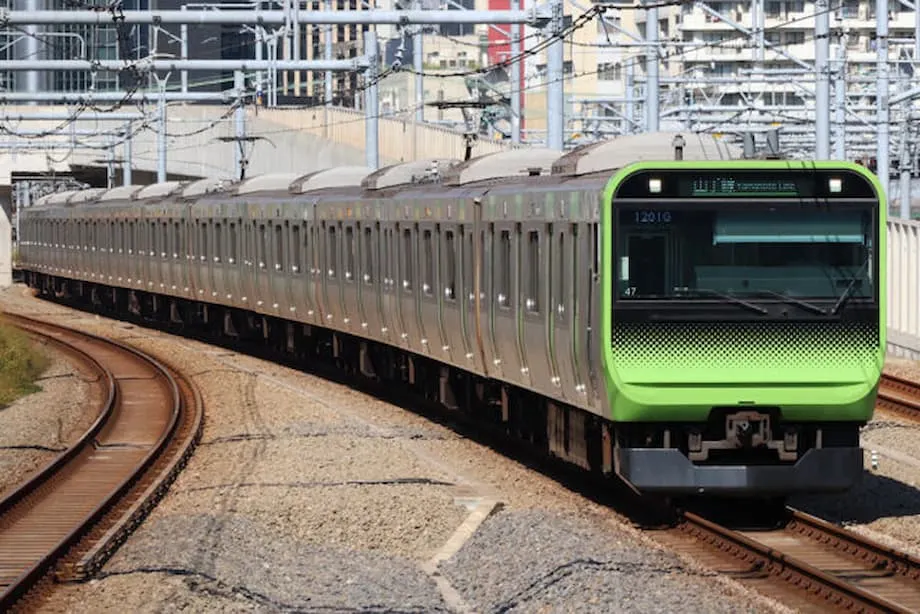
A Fare Change That Will Reach Millions of Journeys
JR East will raise train fares by an average of 7.1% in March 2026, bringing its first comprehensive fare increase since the company was founded in 1987, apart from changes linked to Japan's consumption tax. The government has approved the increase, which will affect passengers across the Tokyo metropolitan area and eastern Japan.
Contents
- A Fare Change That Will Reach Millions of Journeys
- Why JR East Says It Needs More Money
- Passenger Numbers Have Not Fully Recovered
- What Different Passengers Will Pay
- Fare Categories and Pass Benefits Will Change Too
- Where the Additional Revenue Is Intended to Go
- Suica Plans Extend Beyond Tapping at Gates
- How the Fare Revision Reached This Point
- Passenger Concerns and Pressure Across the Industry
- What Commuters Can Review Before March
- Key Points
East Japan Railway Company, commonly known as JR East, expects the changes to bring in an additional 88.1 billion yen, about $600 million, each year. The operator says it needs more money to maintain safety, replace aging equipment and prepare its railway for changing travel habits and a shrinking population.
Passengers will face different increases depending on the tickets they buy. Standard fares will rise by an average of 7.8%, commuter passes by 12%, and student commuter passes by 4.9%, with some exceptions on local and specific routes. The headline figure of 7.1% is the average across the fare revision.
For a short journey on Tokyo's Yamanote Line, the starting fare will rise by 10 yen, from 150 yen to 160 yen. The fare between Tokyo and Yokohama will increase by 40 yen to 530 yen. Small increases on individual journeys will add up for people who use the railway regularly.
As of August 4, 2025, passengers have several months to review how the new prices will affect their journeys. Alongside the higher fares, JR East is changing some fare categories, commuter pass arrangements and services connected to its Suica electronic payment system.
Why JR East Says It Needs More Money
JR East says it needs to secure more than 400 billion yen, about $2.7 billion, for investment in safety and service improvements. Its plans include replacing aging trains, renewing equipment and introducing technology to keep services running safely and reliably.
Yoichi Kise, JR East's president and chief executive officer, has said that securing the money needed for equipment and repairs through business efforts alone has become increasingly difficult. He has asked customers to understand the need for higher fares so the company can maintain safe and dependable railway operations.
Inflation has raised the cost of operating the network. Materials needed to maintain railway infrastructure and repair damage after disasters have become more expensive, partly because of disruptions to global supply chains and increasingly frequent extreme weather events.
Japan's aging population is also contributing to persistent worker shortages. JR East faces pressure to raise wages to recruit and retain skilled staff, while continuing to fund training. Railway maintenance depends on both equipment and people able to inspect, repair and operate it.
The fare increase therefore addresses several costs at once: the expense of running today's services, the renewal of older assets and investment in systems intended to reduce costs or improve journeys in the future.
Passenger Numbers Have Not Fully Recovered
COVID-19 caused a sharp fall in railway travel, and JR East's passenger transport volume in fiscal 2023 remained below 90% of its fiscal 2019 level. Travel was recovering, but the company was still carrying less passenger traffic than before the pandemic.
Commuter pass use has recovered particularly slowly as remote work and flexible schedules have become more common. A commuter pass lets a passenger pay in advance for repeated journeys on a specified route. Those purchases once provided the railway with a steady stream of revenue from people travelling regularly between home and work.
Workers who make fewer office trips have changed that pattern. JR East must maintain trains, tracks, stations and other equipment even as the frequency of some passengers' journeys changes. The weaker recovery in pass use has added to the company's financial pressure.
The population decline creates another challenge, especially away from large cities. JR East's local lines recorded a deficit of 75.7 billion yen in fiscal 2023. Fewer passengers in rural areas make it harder to cover the costs of keeping those services operating.
What Different Passengers Will Pay
The revision covers all areas within JR East's jurisdiction, including heavily used routes in metropolitan Tokyo and regional lines across eastern Japan. The average increases vary by ticket category:
- Standard fares will rise by 7.8%.
- Commuter passes will rise by 12%.
- Student commuter passes will rise by 4.9%, with exceptions for some local and specific routes.
- The Yamanote Line's starting fare will rise from 150 yen to 160 yen.
- The Tokyo to Yokohama fare will rise by 40 yen to 530 yen.
Regular commuters face the largest percentage increase among those three main ticket categories. Students face a smaller average increase, although families will need to check the rules for the particular route used to reach school.
Suica and other IC card users will see starting fares rise by 8 to 9 yen on trunk lines and by 8 yen on local lines. IC cards are electronic travel cards that passengers tap at station gates. They will remain a slightly cheaper option than paper tickets for the journeys described in the revision.
The effect on a household will depend on its route, ticket type and frequency of travel. A passenger making occasional trips will encounter the higher price journey by journey, while someone buying a commuter pass will face the revised cost when purchasing that pass.
Fare Categories and Pass Benefits Will Change Too
JR East is also changing the structure behind its prices. Fare categories used in the Tokyo metropolitan area and within the Yamanote Line will be integrated into the trunk line category, making IC fares more streamlined.
The discount rate for commuter passes covering six months will be reviewed. JR East will also discontinue the uniform commuter pass within the Yamanote Line and the off-peak point service, which has rewarded eligible travel outside busy periods.
Station fees collected for accessibility improvements will be abolished. At the same time, accessibility work remains among the company's planned investment areas, including elevators, ramps and platform doors.
The way consumption tax is reflected in fares will change from rounding to rounding up. This affects how calculated amounts become the final fares passengers pay.
These revisions mean passengers need to look beyond the average percentage increase. A route's fare category, the length of a pass and the loss of an existing benefit can all affect the practical cost of travelling.
Where the Additional Revenue Is Intended to Go
JR East expects an extra 88.1 billion yen in annual revenue from the fare increase. It has identified safety, disaster protection, accessibility, technology and staffing as areas for spending.
Safety work includes renewing tracks, signals and rolling stock, the railway term for trains and other vehicles that run on the tracks. Replacing aging equipment is intended to prevent accidents and maintain reliable services.
Disaster protection involves strengthening railway facilities against earthquakes, typhoons and other natural hazards. More frequent and severe extreme weather has added pressure to maintenance and recovery budgets.
Accessibility improvements are intended to make stations easier to use for older passengers and people with disabilities. Elevators and ramps help passengers move between street level and platforms, while platform doors provide a barrier between waiting passengers and the tracks.
Staff spending includes wages and training to address shortages while maintaining safety standards. Technology investment includes ticketing systems designed to make travel easier and reduce operating costs over time.
A Yomiuri Shimbun editorial argued that improved earnings should translate into passengers feeling greater security and comfort. It cited a coupler problem on the Tohoku Shinkansen and past data falsification issues as reminders of the need for continuing investment in safety and personnel. A coupler is the equipment that connects railway vehicles.
Suica Plans Extend Beyond Tapping at Gates
JR East plans to introduce ticket gates that Suica app users can pass through without scanning within the next decade. The proposed system would use location data from passengers' smartphones to identify where they board and leave the railway.
Passengers using that system would no longer need to tap a card or phone at the gate. The company sees the change as a way to make movement through stations easier while reducing costs.
Each ticket gate currently costs tens of millions of yen to install and maintain. JR East operates about 3,500 gates in the Greater Tokyo Area alone, making gate equipment a substantial part of its infrastructure.
JR East also plans to increase the Suica card balance limit by 2026 and introduce payments between individuals. Those changes would expand Suica's role beyond paying for travel and purchases.
QR codes and payments made by tapping credit cards are becoming more common in Japan's transport sector. JR East's plans place Suica within that changing market. The March 2026 fare revision has a stated month, while the system allowing travel without tapping has a broader timetable of introduction within the next decade.
How the Fare Revision Reached This Point
JR East's decision follows a change in government rules and years of pressure on passenger revenue. The Ministry of Land, Infrastructure, Transport and Tourism made fare calculation rules more flexible in April 2024, allowing railway companies to better cover safety investment and disaster recovery costs.
The key dates show how the company's financial pressures and planned changes fit together:
- 1987: JR East was founded. The March 2026 revision will be its first comprehensive fare increase since then, apart from consumption tax adjustments.
- Fiscal 2019: The comparison year used to measure passenger transport before the pandemic.
- Fiscal 2023: Passenger transport volume remained below 90% of the fiscal 2019 level, and local lines recorded a deficit of 75.7 billion yen.
- April 2024: The transport ministry made the rules for calculating railway fares more flexible.
- April 2025: JR Hokkaido and JR Kyushu scheduled average fare increases of 7.6% and 15%, respectively.
- By 2026: JR East plans to raise the Suica card balance limit.
- March 2026: JR East's average fare increase of 7.1% is due to take effect.
Government approval of JR East's increase reflects a wider policy response to the difficulty of funding railway services as passenger patterns change and investment becomes more expensive. The revised rules give operators greater room to reflect those costs in fares paid by passengers.
Passenger Concerns and Pressure Across the Industry
Some commuters have expressed concern about the additional financial burden, particularly regular users of the Yamanote Line and other major routes. Others accept the need to spend more on safety and modernization.
Discussions on Reddit have also focused on the historical comparison. Some users have argued that, assuming no inflation between the discussion and 2026, the fare including tax will be higher than when JR East began operating in 1987. Others have suggested that higher prices could discourage train use when alternative transport becomes more attractive.
JR East is balancing affordability against the cost of maintaining the punctuality, safety and cleanliness associated with Japan's railways. Competition from private railway companies and other ways of travelling adds to that pressure.
Other JR companies face similar problems. JR Hokkaido scheduled an average fare increase of 7.6% for April 2025, while JR Kyushu planned an increase of 15% for the same month. JR East's 7.1% average is lower than either figure, although passengers' actual increases depend on their operator, route and ticket.
Across these companies, declining ridership, higher costs and infrastructure investment needs are pushing fares upward. The additional revenue is intended to support their finances while passengers face higher transport bills.
What Commuters Can Review Before March
Passengers can begin by checking whether they use paper tickets, IC cards or commuter passes. Suica and other IC cards will remain slightly cheaper than paper tickets for the starting fares described, but the best choice for repeated journeys also depends on how often someone travels.
JR East recommends reviewing commuter pass options as discount rates and coverage arrangements change. Workers with flexible schedules should consider their actual travel pattern when comparing a pass with paying for individual trips.
Students and families should check the rules for their school routes, especially where local or specific route exceptions apply. The average student pass increase is 4.9%, rather than the 12% average for regular commuter passes.
Passengers who use the uniform Yamanote Line commuter pass or the off-peak point service should also account for their discontinuation. Changes to those benefits may matter alongside the price printed on a ticket or pass.
Suica's planned payment functions and travel without tapping may bring convenience and possible cost savings in the future. For the approaching fare revision, the immediate task is more concrete: compare the revised fare and pass arrangements with the journeys a household actually makes.
Key Points
- JR East will raise fares by an average of 7.1% in March 2026, following government approval.
- The increase is its first comprehensive fare revision since 1987, apart from consumption tax changes.
- Standard fares will rise by an average of 7.8%, regular commuter passes by 12%, and student passes by 4.9%, with some exceptions.
- The Yamanote Line's starting fare will rise to 160 yen, and the Tokyo to Yokohama fare will reach 530 yen.
- JR East expects 88.1 billion yen in additional annual revenue for investment and operating needs, including safety, disaster protection, accessibility and staffing.
- Fare categories, some pass arrangements and the off-peak point service will change alongside prices.
- Suica plans include a higher balance limit by 2026, payments between individuals and travel without tapping within the next decade.
- Passengers should review their routes, pass discounts and travel frequency before the new fares begin.