Winter relief moves toward a November 13 decision
Japan plans to allocate more than 651.8 billion yen from its fiscal 2026 reserve funds to reduce winter electricity, city gas and other energy costs, with cabinet approval expected on November 13. The package would lower a standard household's combined electricity and gas costs by about 7,000 yen for consumption from December 2026 through February 2027.
Contents
- Winter relief moves toward a November 13 decision
- How much will electricity and gas bills fall?
- Why LPG and kerosene need a different route
- How the plan developed
- Why March is still undecided
- How this winter compares with earlier support
- A large package from a shrinking reserve
- Gasoline support creates another budget pressure
- Key Points
The spending plan, which emerged on November 12, includes more than 521.8 billion yen for electricity and city gas subsidies and 130 billion yen in local government grants. Those grants would support users of liquefied petroleum gas, known as LPG, kerosene users and businesses buying electricity at extra high voltage.
The government would draw the money from a reserve established to respond to the Middle East situation and related pressures. After the allocation, that reserve is expected to have about 84 billion yen remaining, compared with its original 2.5 trillion yen.
For households, the immediate change is a reduction in energy costs as heating demand rises. For the government, the package leaves much less money in this reserve while it also considers how to keep financing gasoline support.
How much will electricity and gas bills fall?
Electricity support for households would begin at 1 yen per kilowatt-hour for December consumption, then rise to 4.5 yen in both January and February. A kilowatt-hour measures electricity use: an appliance drawing one kilowatt of power for one hour consumes one kilowatt-hour.
City gas subsidies would follow the same pattern, starting at 4 yen per cubic meter in December and increasing to 18 yen per cubic meter in January and February. Both subsidy rates would therefore be 4.5 times higher in the final two months than in December.
A household using 300 kilowatt-hours of electricity in each month would receive discounts of 300 yen in December and 1,350 yen in each of January and February. Its electricity saving would total 3,000 yen. Gas support would add to that amount according to consumption.
The government's estimate of about 7,000 yen covers electricity and city gas together over the full three months. Actual savings would vary with energy use. December through February refers to the months of consumption, so the corresponding bill dates depend on the supplier's billing schedule.
Why LPG and kerosene need a different route
The 130 billion yen grant allocation would extend assistance to energy users outside the main electricity and city gas subsidy scheme. Local governments would use the grants according to conditions in their areas, including support for LPG, kerosene and electricity supplied to businesses at extra high voltage.
LPG is a fuel made mainly from propane and butane. It is commonly supplied in cylinders, unlike city gas delivered through a pipe network. Around 40% of Japanese households use LPG, particularly in places without city gas service, according to figures attributed to the Agency for Natural Resources and Energy.
Japan relies heavily on imports for LPG, and higher oil prices have increased its cost. A package limited to city gas would leave many households in rural areas outside that part of the relief, even though they also face higher fuel bills.
Kerosene is especially important for winter heating in cold regions such as Hokkaido. Starting assistance in December brings support closer to the beginning of heavy heating use there. The grants also cover a business concern: extra high voltage electricity, a supply category used by large facilities, falls outside the main electricity subsidy scheme.
The local grant allocation has not yet been translated into a single nationwide LPG or kerosene discount. The amount each user receives, and how that assistance reaches them, will depend on the measures adopted locally.
How the plan developed
The November spending decision follows several weeks of discussion about winter utility costs. The government initially considered January through March support before moving the start to December to account for colder regions.
- October 18: Senior Liberal Democratic Party official Koichi Hagiuda called for electricity and gas subsidies during a television appearance.
- October 21: Chief Cabinet Secretary Minoru Kihara said the government could use reserve funds to respond to household energy costs.
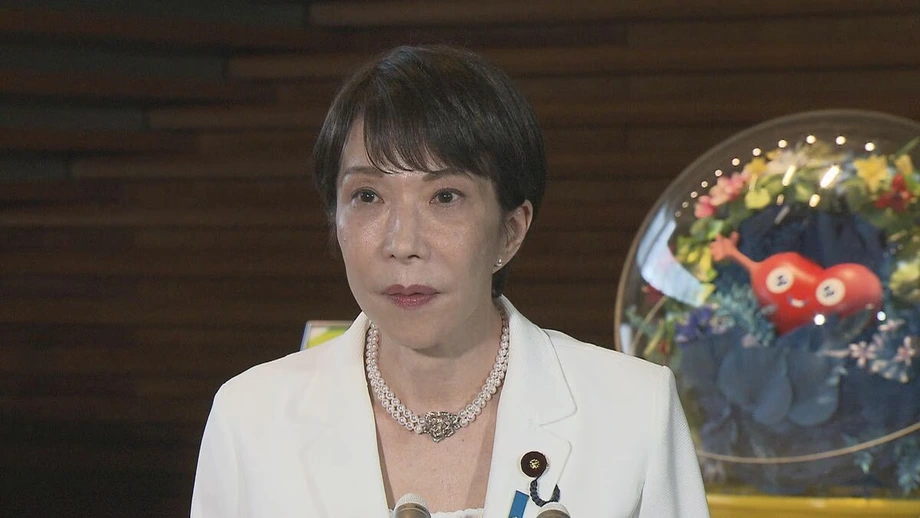
- October 29: Prime Minister Sanae Takaichi announced plans to restart electricity and gas support in December for three months.
- November 9: Plans emerged to add about 130 billion yen in local grants for LPG, kerosene and other energy support.
- November 12: The planned reserve allocation became known, ahead of an expected cabinet decision on November 13.
Kihara, the government's chief spokesperson, described the approach at his October 21 news conference:
Including the use of reserve funds, we want to respond appropriately when necessary, without missing the right timing.
Takaichi's October winter subsidy announcement had already set out the electricity rates and the expected household saving. The new spending plan supplies the proposed funding and adds detail on support for fuels used outside city gas networks.
Why March is still undecided
December 2026 through February 2027 is the planned support period. The government has said it will assess weather conditions before deciding whether to provide assistance for March.
The earlier start matters in cold regions, where substantial heating costs can arrive before January. It also changes the shape of the winter program: December receives a smaller discount, while January and February receive the higher electricity and city gas rates.
Households can therefore calculate the announced relief around three months of consumption. March assistance remains a separate decision, with no decision date announced.
How this winter compares with earlier support
Japan allocated 513.5 billion yen for electricity and gas subsidies covering July through September 2026. That summer program reduced a standard household's costs by about 5,000 yen over three months.
The planned winter electricity and city gas allocation of more than 521.8 billion yen is about 8.3 billion yen, or 1.6%, higher than the summer allocation. The expected household saving of 7,000 yen is 2,000 yen higher, a 40% increase. Program spending and the saving for a standard household measure different things: total spending covers the program, while the household estimate reflects assumed consumption and subsidy rates.
Support for January through March in the previous winter used 529.6 billion yen and reduced a standard household's costs by about 7,300 yen. The coming winter's expected saving is about 300 yen lower, with assistance beginning a month earlier.
Electricity rates for October consumption, billed in November, reached record highs at Japan's 10 major power companies after the summer subsidies ended. Major city gas companies also raised rates. Those increases explain why restarting support can make a noticeable difference to bills even when the underlying cost of energy remains high.
A large package from a shrinking reserve
The government has intermittently subsidized electricity and gas since 2023, spending about 5.6 trillion yen through September 2026. The latest allocation would continue that approach while drawing heavily on the reserve for the Middle East situation and related needs.
A budget reserve is money already set aside for expenses that arise during the fiscal year. The cabinet can approve allocations from it as needs develop. A supplementary budget, by contrast, changes the government's spending plan and requires parliamentary approval.
The projected 84 billion yen balance after this package would be about 3.4% of the reserve's original 2.5 trillion yen. The proposed 651.8 billion yen allocation is roughly 7.8 times the amount expected to remain afterward. Earlier allocations account for the rest of the reserve's decline.
The split within the new package also shows its priorities. About 80% would go to electricity and city gas support, while about 20% would go to the local grants intended to reach other fuel users and eligible businesses.
Gasoline support creates another budget pressure
The government is also considering funding in a second supplementary budget for fiscal 2026 to continue gasoline subsidies. That would address another energy expense while the winter utility package reduces the reserve balance.
Under the October 29 announcement, gasoline assistance is due to become less generous from December. The government plans to raise the reference price used to guide its subsidy from 170 yen per liter in monthly steps of 5 yen toward spring. The pace will depend on oil prices and the effect on households and businesses.
Takaichi said at that announcement that gasoline subsidies exceeded 50 yen per liter and were costing more than 10 billion yen a day. She put spending since she took office in October 2025 at about 1.4 trillion yen.
A household that heats its home and drives regularly may therefore experience two changes at once: lower supported electricity and gas costs, alongside reduced protection against gasoline prices. The expected 7,000 yen utility saving concerns electricity and city gas alone.
Key Points
- Japan plans more than 651.8 billion yen in winter energy support, with cabinet approval expected on November 13.
- More than 521.8 billion yen would fund electricity and city gas subsidies for December 2026 through February 2027.
- A standard household is expected to save about 7,000 yen in combined electricity and city gas costs over those three months.
- Local grants totaling 130 billion yen would support LPG, kerosene and eligible business electricity users.
- Electricity and city gas subsidy rates would rise in January and February after a smaller December discount.
- The relevant reserve is expected to fall to about 84 billion yen. March assistance remains undecided.