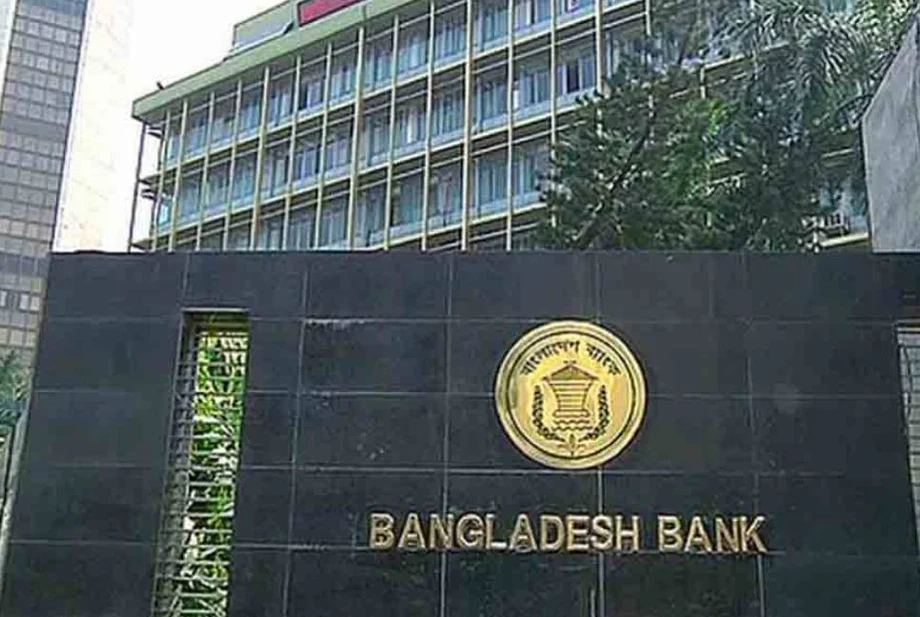
Dollar auction eases pressure on banks
Bangladesh Bank sold $205 million from its foreign exchange reserves on November 12 at Tk124.74 per dollar, helping bring the rates offered by remittance houses below Tk125 after some banks had paid more than Tk125.30 earlier in the day. Three bankers familiar with the auction put the amount sold at $201 million.
Contents
The central bank instructed participating commercial banks not to resell the dollars in the interbank market, where banks trade foreign currency with one another. It warned that such transactions could disrupt the foreign exchange market.
Commercial bankers described an immediate easing in the prices charged by remittance houses, which channel money sent from abroad. Several banks bought dollars at Tk124.90 to Tk124.95 after the auction, while some secured rates below Tk124.90.
Pressure persisted elsewhere in the market. Bangladesh Bank figures showed the weighted average interbank rate rising to Tk124.75 per dollar from Tk124.65 the previous day. A weighted average gives greater importance to larger transactions, making it a broader measure than the price of an individual deal.
The day's movements show why the exchange rate matters at several levels. Banks need dollars to pay overseas suppliers, remittance houses supply foreign currency, and the central bank can release dollars from its reserves when demand becomes difficult to meet. The auction lowered some immediate purchase costs, while the wider market still recorded a weaker taka.
How far did remittance rates fall?
A senior commercial bank official said remittance houses offered dollars at Tk125.30 to Tk125.40 on the morning of November 12. Some banks completed purchases at Tk125.30 to Tk125.32 before the central bank's intervention.
After the auction, purchases at Tk124.90 to Tk124.95 were about Tk0.35 to Tk0.42 cheaper per dollar than those earlier completed transactions. For a bank buying $1 million, that difference amounts to roughly Tk350,000 to Tk420,000.
The central bank's auction price of Tk124.74 was also below the morning purchase rates. Compared with buying at Tk125.30, a purchase of $1 million at the auction price would require Tk560,000 less. That calculation shows the size of the price difference before any fees or other transaction costs.
Another senior banker said remittance houses began offering dollars below Tk125 after Bangladesh Bank released the funds. The additional supply gave banks another place to obtain foreign currency and reduced the immediate pressure to accept higher prices.
Why demand for dollars was rising
Commercial banks were buying foreign currency to meet higher import payments, particularly for fuel. One bank official said higher fuel prices had increased the dollars needed to settle oil import bills.
Importers generally pay overseas suppliers in foreign currency. When an oil shipment costs more dollars, the bank arranging payment must obtain more foreign currency unless the importer reduces the amount purchased. If several banks need dollars at the same time, competition for the available supply can push up the exchange rate.
Demand was also linked to imports of essential commodities ahead of Ramadan. Such purchases can require foreign currency before the goods reach shops, because importers must arrange payment and delivery in advance.
One commercial bank official said banks bought more than $300 million from remittance houses that day. That was more than the central bank's stated $205 million auction amount, showing that substantial purchases continued through private channels alongside the reserve sale.
The two channels served the same immediate need: supplying banks with dollars for their customers. Remittance houses brought in foreign currency associated with money sent from abroad, while Bangladesh Bank supplied dollars already held in its reserves.
The taka had been weakening since June
Bangladesh's exchange rate had held at Tk122.75 per dollar until the fourth week of June. The taka began losing value on June 28, and Bangladesh Bank resumed dollar sales in September after a pause lasting more than 14 months.
By the latest auction, reported sales from reserves had reached around $420 million. The sequence shows a return to intervention as demand for foreign currency increased:
- Until the fourth week of June: The exchange rate held at Tk122.75 per dollar.
- June 28: The taka began weakening against the dollar.
- September: Bangladesh Bank resumed dollar sales after more than 14 months.
- Earlier in November: The central bank sold $120 million at Tk124.30 to Tk124.35 per dollar.
- November 12: Bangladesh Bank sold dollars at Tk124.74, and remittance house rates subsequently fell below Tk125.
The weighted average interbank rate of Tk124.75 was Tk1.47 higher than the Tk123.28 recorded a month earlier, an increase of about 1.2% in the taka price of a dollar. Compared with Tk122.75 in June, the dollar cost Tk2 more, or about 1.6%.
For an importer paying a bill of $1 million, the difference between Tk122.75 and Tk124.75 amounts to an extra Tk2 million. Businesses may absorb that cost, reduce other spending or seek higher selling prices, depending on their contracts and market conditions.
Why the auction came with a resale restriction
Bangladesh Bank told participating banks not to sell the auction dollars onward in the interbank market. Its warning focused on the risk that those transactions could disrupt trading.
The restriction kept a bank from buying dollars at the auction and then immediately supplying those same dollars to another bank through the interbank market. Participating banks therefore had to account for the condition when deciding how much foreign currency to buy.
The auction rate, the remittance house rates and the weighted average interbank rate described different transactions. The auction price was the rate paid for the central bank's dollars. Remittance house rates reflected purchases through another supply channel. The interbank average summarized trading between banks.
Those prices moved differently on November 12. Remittance dollar purchases became cheaper after the auction, while the weighted average interbank rate increased by Tk0.10 from the previous day. Banks gained some relief in obtaining fresh dollars even as the broader trading measure continued to show pressure on the taka.
Bankers question the timing and size
Bangladesh Bank issued its auction notice at 1:20pm. A senior banker said an announcement in the morning could have lowered rates further by giving banks and remittance houses earlier notice of the extra supply.
The banker said foreign currency demand is generally higher at the beginning of the month. Banks also need time to arrange the taka funds required to purchase dollars, making notice of an auction a practical part of the process.
A bank deciding whether to accept a remittance house's morning price must consider the dollars it needs and the alternatives available at that moment. An auction announced later in the day arrives after some purchasing decisions have already been made, including the reported transactions above Tk125.30.
Another senior banker described $205 million as a substantial release and argued that making a similar amount available several days earlier could have prevented the dollar rate from crossing Tk125. He called for the central bank to assess more carefully how much foreign currency was needed to stabilize the market.
The November 12 sale was $85 million larger than the $120 million sale earlier in the month, an increase of about 71%. Its Tk124.74 auction rate was also above the earlier range of Tk124.30 to Tk124.35, reflecting the higher price banks were paying for dollars as the month progressed.
Reserves fall as the bank supplies dollars
Bangladesh Bank spokesperson Arief Hossain Khan said the reserve position stood at $29.82 billion after the sale, compared with $30.12 billion the previous day. That was a decline of $300 million, or about 1%.
The $205 million sale was equivalent to roughly 0.7% of the previous day's reserve balance. The full daily decline was $95 million larger than that auction amount; a breakdown explaining the remaining change was not given.
Foreign exchange reserves are funds a central bank holds in foreign currencies and other reserve assets. Selling dollars makes foreign currency available to domestic banks, while reducing the stock held by the central bank.
For Bangladesh Bank, the immediate decision involved both market demand and its reserve balance. The auction helped lower the dollar prices banks faced from remittance houses, but continued sales require further use of reserves. Bankers consequently focused on the amount and timing of intervention, alongside the continuing need to finance fuel and essential imports.
For businesses awaiting import payments, the most concrete change was access to dollars at lower rates than some banks had paid that morning. Whether that relief lasts depends on the flow of foreign currency into the market and the volume banks need to meet their customers' payments.
Key Points
- Bangladesh Bank sold $205 million on November 12 at Tk124.74 per dollar; three bankers put the auction total at $201 million.
- Several banks subsequently bought remittance dollars at Tk124.90 to Tk124.95, below morning purchases above Tk125.30.
- The weighted average interbank rate still rose to Tk124.75 from Tk124.65 the previous day.
- Higher fuel import costs and purchases of essential commodities added to dollar demand.
- The central bank barred participating banks from reselling auction dollars in the interbank market.
- Reserves stood at $29.82 billion after the sale, down from $30.12 billion the previous day.
- Bankers urged earlier auction announcements and closer assessment of the amount of dollars the market needed.