A Small Island Faces a Big Assignment
Jakarta is considering moving around 1,000 sterilized and vaccinated stray cats to Lesser Tidung Island, a virtually uninhabited island covering 0.32 square kilometers in the Thousand Islands regency. Governor Pramono Anung wants the proposed sanctuary to provide care for unwanted cats while drawing tourists and teaching visitors about animal welfare.
Contents
- A Small Island Faces a Big Assignment
- Why Jakarta Is Looking Beyond Its Streets
- What Authorities Want to Build
- Animal Care Requires More Than Relocation
- Disease Control Is Part of the Plan
- Wildlife Protection Complicates the Location
- Japan Offers Inspiration and a Warning
- Nearby Residents Weigh Tourism Against Daily Disruption
- Who Would Pay for Daily Care?
- Sterilization and Shelters Remain Central
- Key Points
As of July 6, 2025, the proposal has opened a debate about how Indonesia's sprawling capital should manage an estimated 750,000 to more than 860,000 stray cats. Those animals roam streets, markets and neighborhoods, creating concerns about animal suffering, public health, property damage and the city's ability to manage continued breeding.
Lesser Tidung already has infrastructure that authorities consider suitable for the project. It also hosts a sea turtle hatching site and a mangrove seeding ground, making the protection of existing wildlife a central concern. Animal welfare advocates, environmental specialists, residents and city council members are divided over whether concentrating cats there would create a sanctuary or move the city's problems somewhere less visible.
The scale of the proposal also matters. Moving 1,000 cats would accommodate roughly 0.12 to 0.13 percent of Jakarta's estimated stray population. That comparison puts the proposed sanctuary's role in perspective: it could provide care for a specific group of animals, while the much larger task of controlling breeding would continue across the capital.
Pramono's vision takes inspiration from Japan's cat islands, where cats have become tourist attractions. Jakarta's version would combine animal care, tourism and education, with revenue helping support the project. Whether those goals can work together depends on funding, veterinary services, protection for wildlife and the response of nearby communities.
Why Jakarta Is Looking Beyond Its Streets
Jakarta's existing sterilization programs reach about 20,000 cats a year. Sterilization prevents animals from reproducing, but that annual number represents only about 2.3 to 2.7 percent of the estimated stray population. Most cats remain outside the reach of those programs.
Cats can produce three to four litters annually. Experts warn that Jakarta's stray population could quadruple within five years, increasing the pressure on neighborhoods and the services responsible for animal welfare and public health. The concern extends beyond the number of animals to disease transmission, damage to property and disruption of the environment.
Pramono has presented the island as a humane way to manage some of those animals and a possible source of income. The Jakarta governor described the financial ambition in these terms:
If we can make it happen, the island can be a source of revenue,
The administration hopes visitors would come to see and interact with the cats, while educational activities would encourage greater understanding of animal welfare. Some supporters welcome the idea as a humane alternative to culling. Others argue that money for a new destination might achieve more through expanded sterilization or support for shelters already caring for unwanted animals.
What Authorities Want to Build
The Thousand Islands archipelago consists of about 340 islands stretching northwest from Jakarta. Authorities have identified Lesser Tidung as the most suitable location for the sanctuary because it is virtually uninhabited and has existing infrastructure.
Hasudungan Sidabalok, chief of the Jakarta Food Security, Fisheries and Agriculture Agency, says the project would provide a controlled environment rather than a place where cats are simply abandoned. Plans include enclosed facilities, regular feeding, veterinary care and continued population control through sterilization.
Hasudungan described how the proposed sanctuary would combine care with public access:
We will build a comfortable space for them where they will be well taken care of and groomed. People can visit this island which serves as both a tourism and an educational destination,
The proposed facilities include an animal clinic, exhibition spaces and opportunities for visitors to interact with cats. The administration also plans to involve animal rights groups, veterinarians and local communities in managing the sanctuary.
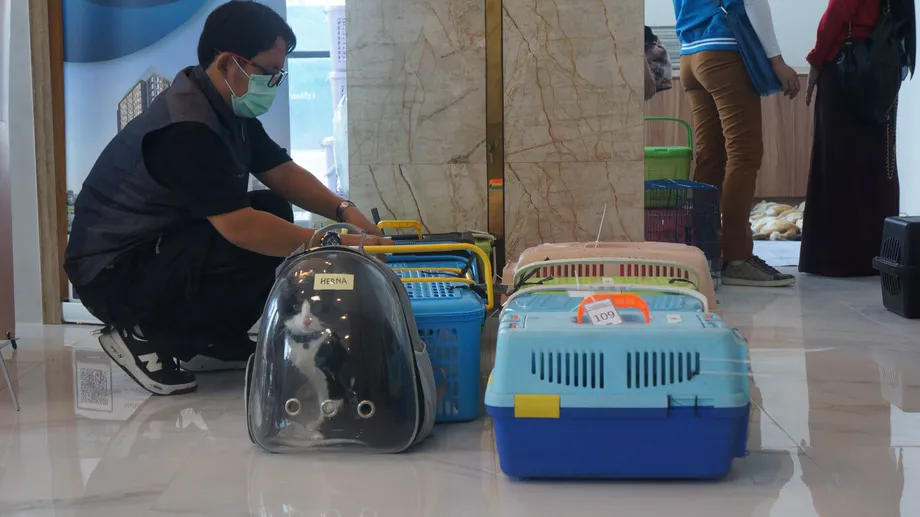
Before relocation, authorities envisage a campaign to capture, vaccinate and sterilize stray cats. Only healthy, sterilized animals would be moved. Caretakers, veterinary staff and regular deliveries of food and medicine would then be needed to keep the sanctuary operating.
Animal Care Requires More Than Relocation
Shinta Saraswati, a member of the Jakarta Cat Lovers community, fears that inadequate management or funding could turn the proposed sanctuary into a "dumping ground" for unwanted animals. Her concern is that moving cats away from busy streets would leave them vulnerable to neglect if their daily needs were not met.
Shinta also urged the administration to consider the people living nearby before committing to the project:
The administration must also factor in how local residents might respond to the relocated cats to prevent potential conflict. Don't rush or insist on creating a cat island. It sounds beautiful, but it's not necessarily easy to implement.
Veterinarian Abid Mursyid says comprehensive health services would be necessary to reduce disease transmission. His recommendations include deworming, flea treatment and vaccinations, alongside the broader requirement for veterinary care.
Abid also calls for an assessment of whether the island can support the proposed population. That means examining its climate, food availability and biodiversity, or the variety of living things already found there. Those conditions affect both the welfare of relocated cats and the survival of animals sharing the island with them.
The government's promise of regular food and enclosed facilities addresses part of that concern on paper. Running those facilities would remain a continuing responsibility, requiring staff, supplies and funding after the initial relocation campaign ends.
Disease Control Is Part of the Plan
Professor Ronny Rachman Noor of IPB University highlights the health risks associated with uncontrolled feral cat populations. Cats can spread zoonotic diseases, meaning diseases that pass between animals and people. The concerns he raises include rabies, toxoplasmosis and certain coronaviruses, which can threaten human or animal health.
The feline coronavirus epidemic in Cyprus serves as a cautionary example of disease affecting cat populations. For Jakarta's proposed sanctuary, the practical concern is how to maintain the health of a large group of animals living in one managed location.
Vaccination, parasite treatment and continued veterinary attention would therefore be part of everyday care, alongside the requirement that cats be healthy and sterilized before transport. Sterilization addresses breeding; the other health measures address different needs.
Ronny also supports regular sterilization programs involving veterinarians, animal lovers and government agencies. That approach would continue work in the places where Jakarta's stray cats already live, while any island sanctuary would care for only a small share of them.
Wildlife Protection Complicates the Location
Lesser Tidung's sea turtle hatching site and mangrove seeding ground place the proposed sanctuary alongside existing conservation activities. Across the Thousand Islands, diverse wildlife includes endangered species and important conservation sites.
Cats are predators, and introducing a large population could threaten native birds, reptiles and small mammals. Femke den Haas, founder of the Jakarta Animal Aid Network, has questioned how those animals would be protected:
The Thousand Islands is home to many species which need to be protected. If the city government wants to put hundreds of cats on a small island, will they not catch the local wildlife?
Cats have already been reported abandoned on uninhabited islands in the archipelago, where they have become feral and threatened local fauna. Those animals also face hunger, disease and conflict with other animals. Their situation brings together the two main concerns surrounding relocation: harm to wildlife and suffering among the cats themselves.
The administration's proposed enclosures are therefore central to how the project would function. Keeping cats in managed facilities, feeding them regularly and controlling reproduction would require sustained supervision.
City council members remain divided. Some argue that the island's conservation status should rule out introducing predators that are not native to it. Others see potential for tourism and economic development if the project is managed responsibly.
Japan Offers Inspiration and a Warning
Japan's Aoshima and Tashirojima have become internationally known for their cat populations. Cats often outnumber people on these islands, attracting animal lovers and curious tourists. Their reputation for peaceful coexistence has helped make them models for Jakarta's proposal.
Their history, however, differs from the planned relocation to Lesser Tidung. Cat populations on the Japanese islands developed gradually over generations, often supported by residents who supplied food and care. Jakarta is considering moving around 1,000 cats to a single location.
Aoshima had about 210 cats at its peak. Jakarta's proposed population would be nearly five times that number. Recent accounts describe Aoshima's cats as aging and declining in number, with inbreeding and a lack of resources contributing to difficulties.
Mahawan Karuniasa, an environmental science lecturer at the University of Indonesia, says Japan's cat islands grew through community development rather than mass relocation. He describes Jakarta's proposal to move 1,000 animals at once as unprecedented and warns of substantial management challenges.
Mahawan gave this assessment of the Japanese example:
So even in Japan, cat islands are not sustainable,
He argues that Jakarta's project would depend on continuous funding, management and enough visitors to cover operating costs. In his view, expanding sterilization programs and supporting existing shelters may be a better use of resources.
Nearby Residents Weigh Tourism Against Daily Disruption
Residents of Jakarta and the Thousand Islands have responded with a mixture of support and skepticism. Tourism could bring business opportunities, but people living near the proposed sanctuary also worry about cats competing for food, disturbing daily life and affecting the local environment.
Mukti, a resident of Greater Tidung Island, described the split among neighbors:
Some residents supported this plan because we could see more tourists coming and new economic opportunities emerging. But there are residents who wonder if the cats will encroach on our island, steal our food, eat our fish catch and become a nuisance to the community.
Those concerns make the proposed controlled environment relevant beyond Lesser Tidung itself. Nearby residents would have a direct interest in how cats are housed and supervised, particularly if animals moved beyond the sanctuary.
Jakarta's cat lovers are also divided. Some believe an island sanctuary could provide safer living conditions than city streets. Others favor directing the same money toward shelters or sterilization programs within the capital.
The planned involvement of local communities, veterinarians and animal welfare organizations would bring those competing priorities into the management process. The administration is consulting environmental experts, welfare groups and residents as it seeks an operating model that balances animal care, conservation and community interests.
Who Would Pay for Daily Care?
The sanctuary would require spending long after its buildings were completed and the first cats arrived. Food, medicine, caretakers and veterinary staff would all be recurring commitments. Transporting supplies to the island would also form part of the continuing logistics.
The administration expects government investment, partnerships with nongovernmental organizations and possibly private sponsors to help sustain the project. Tourism and educational programs could generate income, but experts caution that visitor numbers may fall short of what is needed, especially after the attraction's novelty fades.
The proposal therefore links animal welfare to the durability of its funding. A sanctuary must continue feeding and treating its animals even when tourist income is weak. Shinta's warning about neglect and Mahawan's concerns about operating costs focus on that same practical responsibility.
As of July 6, 2025, no opening date, relocation timetable or funding total has been given. The administration's consultations and planning remain central to deciding how the sanctuary would operate and how its costs would be met.
Sterilization and Shelters Remain Central
Mass sterilization, public education and support for existing shelters remain essential parts of the broader response advocated by experts. An island accommodating around 1,000 cats would still leave hundreds of thousands of strays in Jakarta.
Ronny's call for regular, collaborative sterilization programs brings together veterinarians, government agencies and people who already care for cats. Expanding that work would address reproduction across the city, where the annual program currently reaches about 20,000 animals.
Public awareness campaigns could encourage responsible pet ownership, discourage the abandonment of unwanted cats and promote adoption from shelters. Community involvement would help make population control measures humane and acceptable to the people living alongside stray animals.
Jakarta's proposal brings several ambitions to one small island: a refuge for cats, a tourist attraction, an educational center and a possible source of revenue. Delivering those ambitions would require dependable care for the relocated animals while protecting wildlife and respecting neighboring communities. The wider city would still need sustained work on sterilization, shelters and abandonment.
Key Points
- Jakarta proposes relocating around 1,000 healthy, sterilized and vaccinated stray cats to Lesser Tidung Island in the Thousand Islands regency.
- The virtually uninhabited island covers 0.32 square kilometers and already hosts a sea turtle hatching site and a mangrove seeding ground.
- The capital has an estimated 750,000 to more than 860,000 stray cats, while sterilization programs reach about 20,000 annually.
- Planned facilities include enclosures, an animal clinic and exhibition spaces, with regular feeding, veterinary care and visitor interaction.
- Animal welfare advocates warn about neglect and disease, while conservation concerns center on threats to native wildlife.
- Nearby residents see potential tourism income but also worry about cats taking food and fish catches or becoming a nuisance.
- Experts recommend continued sterilization, support for shelters, responsible ownership and community involvement alongside any sanctuary project.
- No opening date, relocation timetable or funding total had been given as of July 6, 2025.