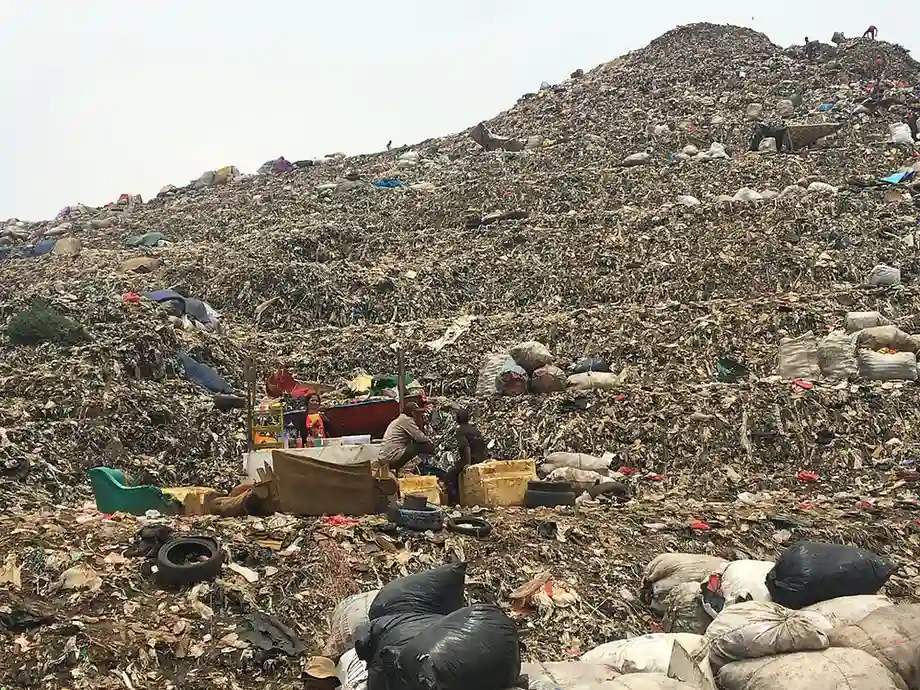
Only About One Tenth of Waste Is Properly Processed
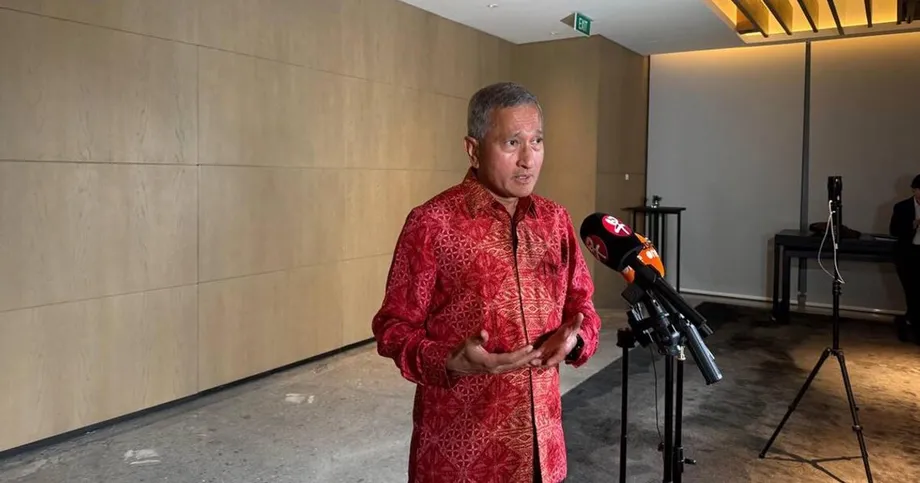
Indonesia generates an estimated 56.6 million tonnes of waste a year, yet only about 10 percent is properly processed. Deputy Environment Minister Diaz Hendropriyono has warned that the shortfall leaves 34 million tonnes polluting the environment annually. Without urgent changes, experts warn that landfills across the country could reach capacity by 2030.
Contents
- Only About One Tenth of Waste Is Properly Processed
- Why the Waste Management Figures Have Changed
- From the 2025 Goal to a New Deadline
- Why Nearly Half of Households Burn Rubbish
- Plastic Pollution Extends From Landfills to Food Chains
- Food Waste Is the Largest Part of Domestic Rubbish
- Turning Waste Into Electricity
- Businesses and Apps Expand Collection Options
- Informal Collectors Already Carry Much of the Work
- Facilities Exist, but Many Are Idle or Unaccounted For
- A Regional Problem With Practical Lessons
- Key Points
As of June 28, 2025, the world's fourth most populous country faces a narrowing window to improve collection, recycling and disposal. President Prabowo Subianto's government has extended the national goal of achieving 100 percent waste management to 2029, one year before the warning about landfill capacity.
The consequences already reach beyond overflowing disposal sites. Open dumping produces methane, household burning releases harmful pollutants, and discarded plastics break into tiny particles that spread through water and food chains. Microplastics have been detected in rivers, water sources, human placentas and breast milk.
Indonesia's response combines plans to close open dumping sites, develop plants that turn waste into electricity, expand recycling and bring informal collectors into better organised services. Food waste also demands attention: at an estimated 20.8 million tonnes annually, it is the largest component of domestic rubbish.
The challenge involves government, businesses and households. New treatment technology will need reliable collection services, working facilities, adequate funding and cooperation between national and local authorities. For families without access to regular disposal services, the immediate need is a practical alternative to burning rubbish or leaving it in places where it can enter the environment.
Why the Waste Management Figures Have Changed
Environment Minister Hanif Faisol Nurofiq said inspections of 343 landfills found that only 9 to 10 percent of waste was effectively managed. That assessment considered the availability and capacity of recycling and recovery facilities at each site. Recovery means extracting usable materials or energy from waste.
Other government figures have presented a broader picture. In 2023, 60.2 percent of waste was reported as properly managed. A subsequent recalculation that excluded unmanaged landfills reduced the figure to 39 percent. The inspection figure focuses on effective processing capacity, while the recalculated total changes which landfill operations count as managed disposal.
These measures reveal a central weakness in Indonesia's approach: collecting rubbish and taking it to a landfill can leave much of the treatment problem unresolved. Most landfills still use open dumping, where waste accumulates without the controls needed to limit pollution.
Open dumping consumes landfill space and contributes to methane emissions. Methane is a greenhouse gas that traps up to 34 times more heat than carbon dioxide over a period of 100 years. Indonesia's disposal practices therefore connect local problems, including contaminated surroundings and shrinking landfill capacity, with global warming.
From the 2025 Goal to a New Deadline
In 2017, then president Joko Widodo issued a presidential regulation targeting 100 percent waste management by 2025. The plan assigned 70 percent to management through sorting, collection and conversion into raw materials or energy, with the remaining 30 percent to waste reduction through recycling.
Prabowo's government has moved the deadline to 2029. The National Medium-Term Development Plan, known as the RPJMN, prioritises ending open dumping at 343 landfills. An initial group of 37 sites is supposed to complete that change within six months.
The main milestones show how the ambition has continued while the timetable has shifted:
- 2017: Widodo issued the regulation setting a target of complete waste management by 2025.
- 2023: The reported share of properly managed waste stood at 60.2 percent, before a later recalculation reduced it to 39 percent.
- 2025: The government is preparing updated regulations and prioritising action at 37 of the 343 landfills.
- 2029: The revised deadline calls for 100 percent waste management.
- 2030: Experts warn that landfills could reach capacity without urgent changes; a separate partnership aims to triple waste collection capacity by this year.
The six month programme gives the first landfill changes a short timetable. No calendar completion date was given for that initial group of 37 sites.
Why Nearly Half of Households Burn Rubbish
About 48 percent of Indonesian households burn their waste, despite a prohibition on the practice. Scarce public collection and disposal facilities help explain why it remains so widespread. For many households, the lack of a dependable service shapes what happens to everyday rubbish.
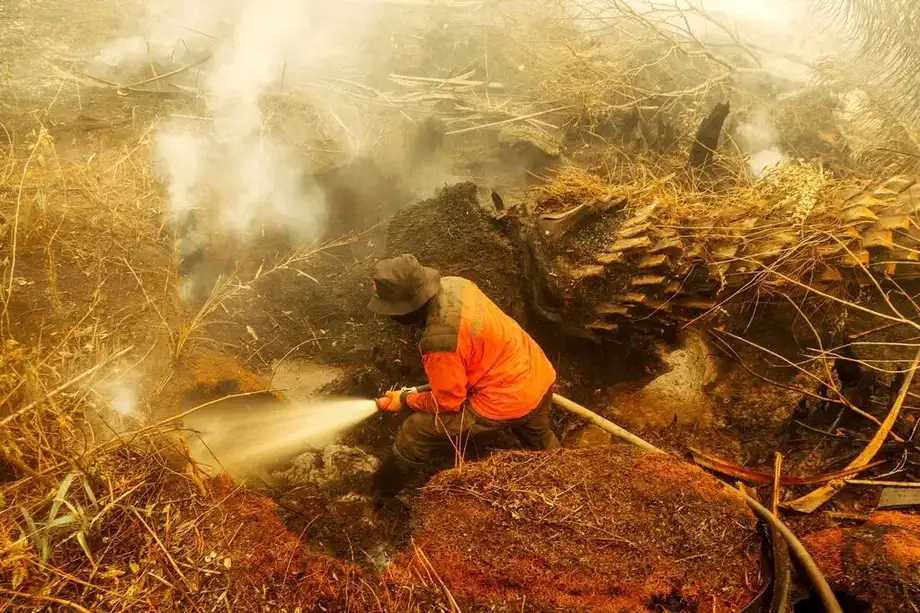
Open burning releases black carbon, a potent climate pollutant, and so called forever chemicals, which persist in the environment. These pollutants can travel long distances and harm human health, carrying the effects of a household fire beyond the place where rubbish is burned.
The World Risk Poll by Lloyd's Register Foundation identifies open burning as a core factor in an estimated one million deaths annually in countries with lower incomes from diseases associated with mismanaged waste. That estimate concerns those countries collectively.
Nancy Hey, the foundation's director of evidence and insight, has stressed the urgent need for better collection infrastructure and controlled disposal to replace hazardous burning. In Indonesia, expanding those services would give households a usable alternative to a practice that is both prohibited and common.
Plastic Pollution Extends From Landfills to Food Chains
Indonesia produces about 10.8 million tonnes of plastic waste annually, nearly 20 percent of its estimated 56.6 million tonnes of total waste. Southeast Asia is a global hotspot for plastic pollution, and Indonesia ranks among the leading contributors to plastic debris in the sea.
Plastic lasts for decades and gradually fragments into microplastics. These small particles contaminate water, soil and food chains. Scientific studies have found them in Indonesian rivers, coastal waters, marine organisms and humans.
Accumulated plastic in waterways and open landfills threatens biodiversity and food safety. It also creates ecotoxicological risks, meaning harm from pollutants to living organisms and the environments that support them. Diaz's warning about particles in placentas and breast milk brings the issue into a particularly intimate part of human life.
The recycling figures cover different measures. Indonesia's national plastic recycling rate is cited at 22 percent, while another estimate puts the share of plastic waste recycled at about 10 percent. The remainder is described as going to landfills, being burned or escaping into the environment.
Regional recycling rates also vary. Java leads at 31 percent, followed by Bali-Nusa Tenggara at 22.5 percent and Sumatra at 12 percent. Limited infrastructure, particularly outside urban centres, constrains the collection and processing needed to keep more material in use.
International waste trade has added pressure. After China's 2017 ban on plastic imports, large volumes of plastic waste of low quality were redirected to Southeast Asia, including Indonesia. Those additional flows arrived in a region already struggling to manage its own discarded plastic.
Food Waste Is the Largest Part of Domestic Rubbish
Indonesia generates an estimated 20.8 million tonnes of food waste each year. Although plastic attracts much of the public attention, food is the dominant component of the domestic waste stream and requires its own treatment capacity.
Composting and landfilling are the main current approaches, but they remain inadequate for the scale of the problem. Landfilling has the highest environmental impact among those approaches because of methane emissions and leachate pollution. Leachate is contaminated liquid that drains through waste.
Several emerging treatments offer alternatives. Black soldier fly larvae composting uses larvae to break down organic material. Anaerobic digestion breaks down waste without oxygen, while thermal treatments use heat. Adoption of these methods remains limited.
Wider use will require comprehensive, coordinated regulation and investment in treatment at both small and large scales. Food waste's prominence means that Indonesia's progress depends on more than collecting bottles, packaging and other materials with a recycling market.
Turning Waste Into Electricity
The government is preparing a presidential regulation to consolidate and update rules covering marine waste, household waste management and waste-to-energy projects. It is promoting advanced treatment technology, particularly for large cities where traditional methods are insufficient.
Waste-to-energy plants process waste at high temperatures, convert it into electricity and reduce the volume sent to landfills. The proposed plants are presented as capable of processing all types of waste. Their appeal is straightforward for cities running short of disposal space: rubbish becomes an energy input while less material remains for burial.
The Ministry of Energy and Mineral Resources estimates that Indonesia could generate up to 3 gigawatts of electricity from waste. That figure describes potential generating capacity, rather than electricity already being supplied.
The economics remain difficult. Producing electricity from waste currently costs more than the average market price of electricity, making projects dependent on subsidies and regulatory support. A plant therefore needs a workable financial arrangement as well as equipment and a supply of rubbish.
The planned regulation brings several parts of waste policy into the same effort. Its practical effect will depend on how updated rules support treatment, electricity generation and the wider collection system needed to deliver waste to facilities.
Businesses and Apps Expand Collection Options
Private companies are developing services that follow waste from collection through sorting and processing. Waste4Change combines recycling, digital systems and cooperation with informal collectors. It manages more than 8,000 tonnes annually and aims to reach 2,000 tonnes a day within five years.
Digital platforms including Waste4Change, E-Recycle, Rapel, Kepul and Octopus connect households and businesses with waste collectors. They provide recycling incentives and traceability, allowing users and operators to follow where collected material goes.
These services address a practical gap between people who have recyclable waste and workers who can collect it. Digital coordination can make that connection easier, while processing facilities remain necessary to handle what is collected.
The Ministry of Environment and Forestry is partnering with start-ups and local governments to triple national waste collection capacity by 2030. That ambition places collection alongside treatment technology as a central part of the response.
Informal Collectors Already Carry Much of the Work
Indonesia's informal waste pickers, known as pemulungs, collect more plastic waste than government facilities. Their work is central to recycling, yet many operate under precarious conditions.
Private initiatives and digital platforms are helping bring these workers into formal waste management arrangements. The proposed support includes training, equipment and fair compensation. Those changes would improve working conditions while strengthening the collection network.
Integrating collectors into organised services also connects the environmental goal with social welfare. Workers who already recover valuable material are part of the existing system, and their role is recognised in efforts to expand national collection capacity.
Government, businesses and local authorities will need to coordinate that expansion. The aim is to increase the amount collected while giving the people doing the collecting better support and a more secure place in the service.
Facilities Exist, but Many Are Idle or Unaccounted For
Indonesia's infrastructure problems extend beyond a shortage of new facilities. Many existing sites, especially in rural and remote areas, are abandoned or used below capacity. More than 70 percent of Reduce, Reuse, and Recycle Waste Management Facilities, known as TPS3R, have an unknown status or are not operational.
The corresponding figure for Integrated Waste Management Facilities, or TPST, is 40 percent. Both categories include facilities whose status is unknown as well as those that are not operating.
Fragmented responsibilities between national and local governments, insufficient funding and weak enforcement constrain progress. Building treatment capacity requires clear responsibility for operating it, paying for it and checking that it works.
Public behaviour is another part of the problem. The familiar approach of collecting, transporting and dumping waste persists, while burning remains common where alternatives are scarce. Information campaigns, enforcement and community participation are needed alongside better services.
Experts argue for managing waste at its source, improving governance, increasing capacity and securing adequate funding. Sorting and handling material earlier in the process would support recycling and treatment, rather than leaving the entire burden at the landfill.
A Regional Problem With Practical Lessons
Southeast Asia faces similar pressures from rapid urbanisation, population growth and limited infrastructure. Waste can also cross borders through trade and marine pollution, giving countries a shared interest in better management.
The ASEAN Regional Action Plan for Combatting Marine Debris aims to address pollution across borders and build waste management capacity. For Indonesia, regional cooperation sits alongside the domestic task of expanding collection and changing disposal practices.
A circular economy offers another organising principle: materials are reused, recycled and kept in the value chain instead of moving directly from use to disposal. Chemical recycling, biodegradable plastics and upcycling technologies are among the approaches being explored as alternatives to landfilling and incineration.
These approaches require investment, regulatory support and public participation. Indonesia's experience also points to the value of integrating informal collectors, using technology and bringing government, businesses and civil society together. Progress toward 2029 could provide lessons for other countries facing similar waste pressures.
Key Points
- Indonesia generates an estimated 56.6 million tonnes of waste annually, with only about 10 percent properly processed.
- Diaz Hendropriyono says 34 million tonnes pollute the environment each year; experts warn landfills could reach capacity by 2030.
- The government has moved its target for complete waste management from 2025 to 2029 and prioritised ending open dumping at 343 landfills.
- About 48 percent of households burn rubbish, while plastic and food waste require much greater collection and treatment capacity.
- Waste-to-energy projects offer potential generating capacity of up to 3 gigawatts, but depend on subsidies and regulatory support.
- Private services, digital platforms and informal collectors are part of plans to expand collection, alongside efforts to restore facilities and improve governance.