Bali's 83 captive elephants enter a different tourism era
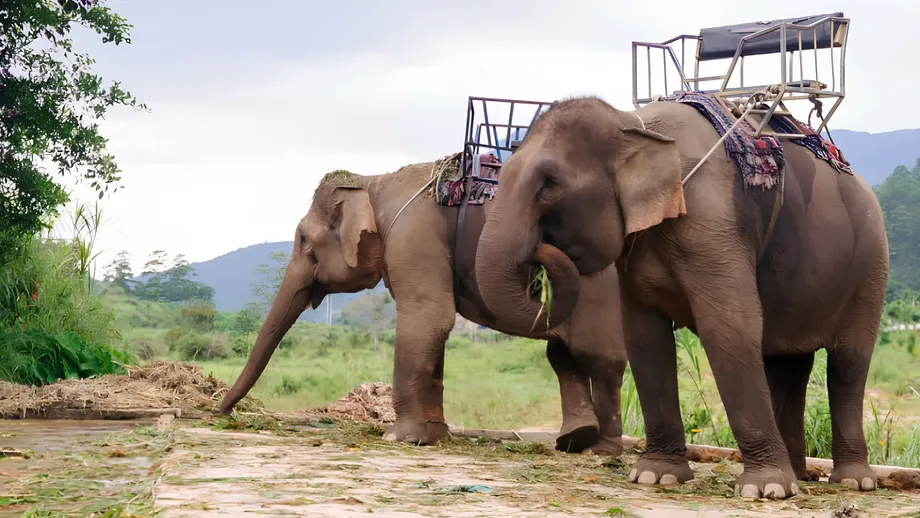
All five conservation sites keeping elephants in Bali have stopped offering rides, according to the island's Natural Resources Conservation Agency, bringing one of Indonesia's most familiar wildlife attractions to an end. The five facilities housed 83 Sumatran elephants at the end of 2025, making Bali a major focus of enforcement under a nationwide government directive.
Contents
- Bali's 83 captive elephants enter a different tourism era
- What the directive covers, and what it allows
- How the change unfolded
- Warnings can lead to loss of a permit
- Why removing rides matters for welfare
- Lampung shows what observation can replace
- Operators must replace income and daily activity
- What visitors should expect instead
- A captive care policy alongside a wild conservation crisis
- Key Points
The Ministry of Forestry's Directorate General of Natural Resources and Ecosystem Conservation issued Circular Letter No. 6 of 2025 on December 18, 2025. Signed by Director General Satyawan Pudyatmoko, it orders licensed conservation institutions to stop elephant riding displays for both commercial and noncommercial purposes.
Ahmad Munawir, the ministry's director of species and genetic conservation, confirmed that the circular applied across Indonesia from the date it was signed. Enforcement became more visible in January 2026, when Bali Zoo and Mason Elephant Park & Lodge ended their riding programs.
For visitors, the change is straightforward: an elephant encounter at a covered attraction can no longer include a tourist ride. Facilities are being directed toward education and observation without direct physical contact, while continuing to feed, house and care for the animals.
For operators, the transition reaches beyond removing a booking option. They must replace an activity that generated income and occupied part of the elephants' daily routines, while meeting welfare requirements that affect their permission to operate.
World Animal Protection estimates in its January 27 statement that more than 100 captive elephants across Indonesia will no longer be used for rides. The organisation welcomed the decision while urging attractions to avoid replacing rides with other activities requiring close control of the animals.
What the directive covers, and what it allows
The circular applies nationwide to licensed conservation institutions, including zoos and facilities offering elephant tourism. Its coverage of noncommercial displays means that removing the price from a ride does not create an exemption.
The ministry says riding displays no longer fit the principles of animal protection, ethics and welfare. Conservation institutions are instead expected to teach visitors about natural elephant behaviour, explain conservation challenges and provide opportunities to watch animals without physical contact.
Limited uses of elephants remain possible for conservation patrols, managing dangerous encounters between people and elephants, care by mahouts, disaster assistance and other approved activities. A mahout is a person trained to handle and care for an elephant. These exceptions are tied to conservation, care and official approval, with animal welfare still required.
The practical boundary is between carrying tourists for entertainment and using elephants for specified management or care tasks. Routine care continues even as visitor riding ends.
How the change unfolded
Indonesia's transition includes institutions that stopped rides before the national directive, facilities that changed promptly afterward and an operator that stopped following government warnings.
- Late 2023: Way Kambas National Park in Lampung ended its elephant riding attractions.
- December 18, 2025: Satyawan Pudyatmoko signed Circular Letter No. 6 of 2025. The ministry says it took effect that day.
- January 1, 2026: Bali Zoo permanently ended its elephant riding program.
- January 16, 2026: Way Kambas temporarily closed tourism activities while authorities addressed conflict between wild elephants and nearby communities.
- January 25, 2026: Mason Elephant Park & Lodge in Gianyar stopped rides after receiving two government warnings.
- By the end of January 2026: Bali's conservation agency said all five elephant facilities had stopped visitor rides.
Bali Zoo said ending the program would give its 14 Sumatran elephants more time for natural behaviour and social interaction. Those animals account for about 17% of the 83 elephants recorded across Bali's five facilities at the end of 2025.
Warnings can lead to loss of a permit
The Ministry of Forestry will supervise compliance through regional Natural Resources Conservation Agencies, known as BKSDA. Ahmad Munawir described a sequence of formal sanctions: a first warning, a second warning if violations continue, and a third warning accompanied by revocation of the institution's conservation permit.
Bali agency head Ratna Hendratmoko said monitoring would intensify. The island had 13 conservation centres at the end of 2025, five of which kept elephants, so enforcement concerns a defined group of licensed operators rather than every tourism business.
Inspectors found no elephant riding during a follow-up inspection at Mason Elephant Park after its January 25 halt. Hendratmoko subsequently confirmed compliance across all five sites.
Hendratmoko, whose agency oversees conservation compliance in Bali, described the result of its latest checks:
Based on our most recent monitoring, all five of the conservation sites in Bali have complied and are no longer offering elephant rides for visitors,
Public complaints have also become part of enforcement. Hendratmoko thanked people who used social media to alert authorities, while the government has encouraged the public to report facilities continuing to offer rides.
Why removing rides matters for welfare
Animal welfare concerns extend across an elephant's day, from training and restraint to exercise, social contact and rest. World Animal Protection says elephants used in entertainment can face harsh training, prolonged chaining and constant control to make them carry visitors.
Sugeng Dwi Hastono, a veterinarian active in wildlife conservation, raised concerns about restricted movement and stress. Elephants naturally travel long distances while searching for food. A routine built around carrying people can limit opportunities to explore, forage and interact with other elephants.
Sugeng also warned about disease risks associated with intensive visitor contact, particularly for young elephants, and urged institutions to limit direct interaction and maintain strict hygiene measures. His concerns support a shift toward observing elephants at a distance rather than moving visitors from riding to another form of close contact.
PETA's investigation in Bali in November 2025 alleged that elephants were chained and beaten with sharp bullhooks to make them obey during tourist rides. The organisation has pressed for an end to those practices as well as riding itself.
Lampung shows what observation can replace
Lembah Hijau, a conservation institution in Lampung, has stopped elephant rides, according to Itno Itoyo, head of Conservation Area Section III Lampung. The facility's president commissioner, M Irwan Nasution, also confirmed the change.
Visitors there may observe elephants from a distance without physical contact. Itno said institutions could retain their educational role through explanations of natural behaviour, conservation interpretation and wildlife observation.
Lembah Hijau also reported the birth of a male Sumatran elephant calf on July 7, 2022. Breeding, research and education are among the conservation functions authorities want visitors to understand, alongside the daily care of animals already in captivity.
Way Kambas offers a different lesson. Its elephant rides ended in late 2023, well before the national circular, but tourism was temporarily closed from January 16, 2026, while authorities handled conflict between wild elephants and people living near the park. No reopening date was given.
The closure shows how visitor access can depend on conservation work beyond an attraction's boundaries. Protecting elephants also involves managing the places where animals and nearby communities encounter one another.
Operators must replace income and daily activity
Mason Elephant Park estimated that ending rides could cost about 50% of its income. That is the facility's projection, and it puts the financial challenge in concrete terms: operators still have to pay for food, staff, veterinary treatment and space after a major paid activity disappears.
Sugiyo, a landscape manager at Way Kambas, warned that elephants accustomed to regular activity and human interaction would need alternative stimulation. He urged managers to provide more room for roaming and social contact, particularly at facilities with limited land.
Sugiyo explained the management task facing institutions:
These elephants are accustomed to interacting with humans. Managers must now provide alternative stimulation to prevent stress and shift care from work-based activities to more natural behaviour,
He also raised concerns that a decline in training by mahouts could affect safe handling. The directive's allowance for care by mahouts leaves a role for trained handlers as institutions redesign daily routines.
Tony Sumampau, secretary-general of the Indonesian Zoo Association and a commissioner at Taman Safari Indonesia, called for consultation with operators. His position places attention on how the transition is carried out, including the resources and practical arrangements needed to maintain care.
What visitors should expect instead
Travellers can still visit compliant elephant facilities. The government's preferred alternatives include watching elephants behave naturally and learning about their habitats, care and conservation without requiring them to carry people.
World Animal Protection cautions that bathing, feeding, circus performances and close encounters can also involve restraint and control. Its recommendation is observation without direct contact, with elephants given space and freedom to choose their activities.
Suzanne Milthorpe, head of campaigns for World Animal Protection ANZ, described the tourism message in the government's decision:
The ending of elephant rides in Indonesia sends a strong signal to the wider tourism industry that we're entering a new chapter of more responsible wildlife tourism.
The organisation says more than 10,000 people in Indonesia, Australia and New Zealand signed its petition calling on Mason Elephant Park to stop rides. It also says release into the wild is not possible for most elephants currently in captivity, making the quality of their continuing care central to the transition.
Before booking, visitors can check whether an attraction has removed riding from its activities and whether its replacement program centres on observation. Bali received nearly 7 million foreign visitors in 2025, giving those booking decisions considerable weight in the island's wildlife tourism market.
A captive care policy alongside a wild conservation crisis
Sumatran elephants are critically endangered and face habitat loss, conflict with people and poaching. WWF estimates their population at about 2,400 to 2,800. The riding directive addresses the treatment of elephants held by conservation institutions, while habitat protection and conflict management remain separate conservation tasks.
Historical government data counted 1,322 elephants in Indonesian conservation centres and zoos in 2016, with a similar number in the wild at that time. Those figures describe an earlier period; Bali's count of 83 elephants at the end of 2025 provides a more recent picture for the island, rather than an updated national total.
PETA Asia president Jason Baker called Indonesia the first country in Asia to ban elephant rides nationwide. The organisation urged Thailand, Nepal, Laos and India to follow. The immediate change within Indonesia is more specific: licensed facilities must stop tourist riding, regional agencies will inspect them, and continuing violations can cost operators their permits.
For the elephants, the next stage happens in their daily care. More space, suitable activity, social contact and sustained veterinary support are the practical needs identified by conservation staff and welfare advocates as riding programs end.
Key Points
- Indonesia's Circular Letter No. 6 of 2025 ended elephant riding displays at licensed conservation institutions nationwide.
- The ministry says the directive took effect when it was signed on December 18, 2025, covering commercial and noncommercial displays.
- All five elephant facilities in Bali had stopped visitor rides by the end of January 2026, according to the provincial conservation agency.
- Operators face escalating warnings and possible revocation of their conservation permits.
- Specified conservation, emergency and care uses remain possible under official conditions.
- Facilities are being directed toward education and observation without direct physical contact.
- Operators must replace ride income and provide suitable activity, space and continuing care for captive elephants.