Seven Days of Australian Support for East Kalimantan
Australia is sending two aircraft and 20 firefighting personnel to East Kalimantan for operations scheduled from November 6 to 12, 2026, as Indonesia confronts fires that have burned for months across Sumatra, Borneo and Papua. The deployment includes a C-130 Large Air Tanker capable of dropping up to 15,000 litres of water on each flight and a Cessna Citation aircraft to guide operations.
Contents
- Seven Days of Australian Support for East Kalimantan
- Why East Kalimantan Was Chosen
- What the Aircraft Can Deliver
- Water Drops Join Crews and Rainmaking Efforts
- A Fatal Crash Adds to the Emergency
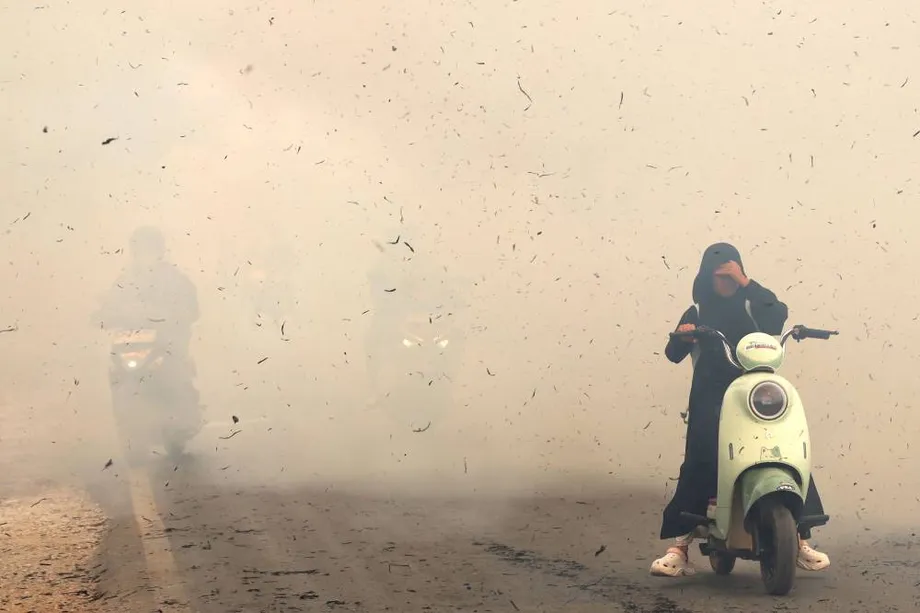
- Smoke Is Reaching Homes, Schools and Airports
- A Short Timeline of the Response
- Disaster Assistance Has Flowed Both Ways
- Key Points
The assistance comes during a wildfire crisis described as Indonesia's most intense in 11 years. Health Ministry figures recorded more than 400,000 cases of acute respiratory infections across seven provinces as of November 2, while smoke disrupted flights, closed schools and spread to neighbouring Singapore and Malaysia.
Indonesia's National Disaster Management Agency, BNPB, officially commenced the Australian humanitarian assistance operation at Halim Perdanakusuma Airport in Jakarta on November 5. The aircraft, supplied through the New South Wales Rural Fire Service, will support an Indonesian response combining crews on the ground, aircraft dropping water and efforts to encourage rainfall.
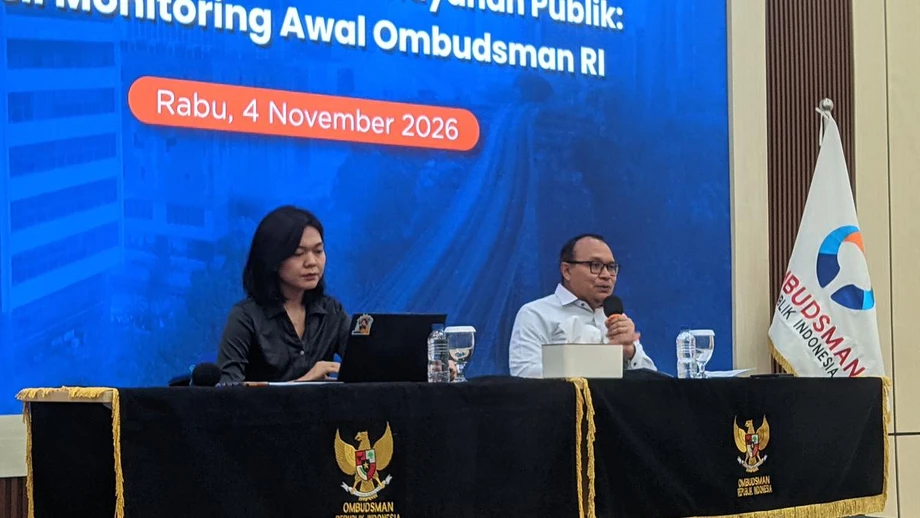
Australian Ambassador to Indonesia Roderick Bruce Brazier said the deployment followed close coordination between the two governments. BNPB head Lieutenant General Kristomei Sianturi said technical teams had jointly assessed where the aircraft were needed before selecting East Kalimantan.
The seven days of scheduled flights give Indonesia additional capacity at a difficult moment for its emergency crews. A helicopter crashed during a firefighting mission in neighbouring Central Kalimantan shortly before the Australian operation was announced, killing three crew members, according to an environment ministry department.
Why East Kalimantan Was Chosen
East Kalimantan ranked second only to Central Kalimantan in its need for additional fire response assistance, according to BNPB's assessment. Kalimantan is the Indonesian part of Borneo, one of the main islands affected by the current fires.
Sianturi said Indonesian and Australian technical teams discussed which areas required support before agreeing on East Kalimantan. The deployment therefore directs a limited number of aircraft to a province identified as having an urgent need, while Indonesia continues operations across a much wider area.
The decision followed discussions between Indonesia's Coordinating Minister for Political and Security Affairs, Dudung Abdurachman, and Australia's Minister for Home Affairs, Tony Burke. Those talks considered possible Australian support for Indonesia's efforts to tackle forest and land fires.
At the Jakarta airport, Brazier, Australia's ambassador, described the cooperation behind the mission:
This deployment of assistance is made possible due to the close cooperation between Australia and Indonesia, and we fully support the Indonesian government's efforts to address these fires.
What the Aircraft Can Deliver
The C-130 is the aircraft assigned to carry and release large quantities of water. The smaller Cessna Citation serves as the scout or lead aircraft, helping guide the aerial operation. The two aircraft have different jobs within the same mission.
Brazier said the tanker could drop up to 15,000 litres per sortie, with about six sorties expected each day. A sortie means one operational flight. At those figures, six flights carrying the maximum load would deliver 90,000 litres in a day.
Across seven days, that would amount to 42 sorties and 630,000 litres if the aircraft flew six times daily and released a full load on every flight. Actual delivery totals will depend on how many missions are completed and how much water each carries.
The Australian contingent includes 20 firefighting personnel. Sianturi said pilots, crew members and paramedics would support the aerial operation, bringing both flight expertise and medical support to the mission.
Water Drops Join Crews and Rainmaking Efforts
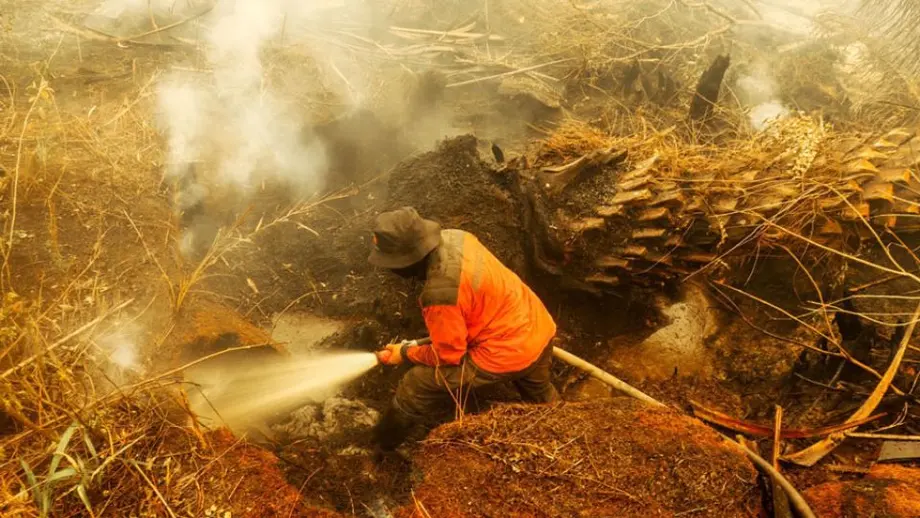
BNPB is using several methods at once: ground firefighting, aerial water drops, weather modification and international assistance. Sianturi described the response as a major effort to bring the fires under control.
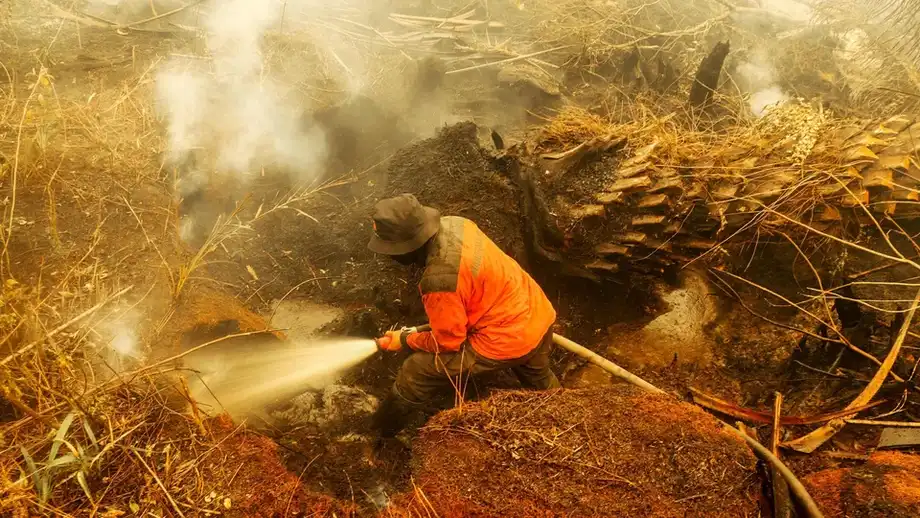
Aircraft can deliver water to a fire from above, while ground crews work directly on affected land. Their tasks are connected: a water drop can help reduce fire activity in a particular area, giving crews another way to attack it.
Cloud seeding, part of Indonesia's weather modification work, involves introducing particles into suitable clouds to encourage rainfall. It depends on having clouds with the right conditions. Waterbombing, by comparison, delivers water directly from an aircraft to a selected location.
The fires have been linked to a dry season amid El Niño, a climate pattern involving unusually warm water in the tropical Pacific that can alter rainfall. Drier vegetation catches fire more easily, and a lack of rain makes it harder to extinguish burning areas. Indonesia's response is addressing fires spread across several islands rather than a single fire front.
A Fatal Crash Adds to the Emergency
A firefighting helicopter carrying eight crew members crashed in Central Kalimantan on Wednesday while loading water, according to the transport ministry. An environment ministry department said on Thursday that three crew members had died and several others were injured; an earlier statement from Indonesian Army spokesperson Brigjen Donny Pramono reported one crew member dead, five safe and receiving treatment at Kuala Pembuang Hospital, and two still being evacuated. Pramono said the deceased crew member's body had also been taken to the hospital.
The Indonesian Army Mi-17V5 helicopter, registration HA-5235, crashed on November 4 in the waters off Sungai Perlu village in Seruyan district. It was reportedly fetching seawater for waterbombing when the crash occurred.
The crash occurred during the same wider emergency that prompted Indonesia to seek additional help. Loading water is a necessary part of repeated aerial firefighting missions, placing aircraft and crews in demanding conditions before they return to the fire.
The cause of the crash remained under investigation. The Australian operation is scheduled for East Kalimantan, while the helicopter accident occurred in Central Kalimantan, the province BNPB identified as having the greatest need for additional support.
For emergency teams, the loss comes on top of months of firefighting. The arrival of another tanker and a guiding aircraft adds resources as Indonesian crews continue their own aerial and ground operations.
Smoke Is Reaching Homes, Schools and Airports
More than 400,000 acute respiratory infection cases had been recorded across seven provinces by November 2, according to Health Ministry data linking the health burden to the fires and haze. Acute respiratory infections affect the breathing passages and can involve the nose, throat or lungs.
Smoke contains tiny particles that can irritate airways and make breathing harder. The health figures show why the response matters far beyond the areas where flames are visible: people can be exposed to polluted air in towns and homes away from the burning land.
Haze has also disrupted flights and forced school closures. Those effects bring the emergency into everyday routines, interrupting travel and classroom learning while families deal with unhealthy air.
Singapore and Malaysia have also experienced haze from the fires. Smoke can move across borders with the wind, giving neighbouring countries a direct interest in Indonesia's efforts to reduce burning.
Public frustration has added political pressure. In October, hundreds of students protested in cities including Jakarta, Yogyakarta, Bandung, Pekanbaru and Makassar over recurring forest fires, living costs and corruption. In Jakarta, students gathered around the Tugu Tani monument to demand action on fires and rising costs.
A Short Timeline of the Response
The Australian deployment follows months of fires and a growing toll on public health. Several dates mark the immediate lead up to the operation:
- October 2026: Students protested in several Indonesian cities, with forest fires among their concerns.
- November 2: Health Ministry figures recorded more than 400,000 acute respiratory infection cases across seven provinces.
- November 4: A helicopter carrying eight crew members crashed while loading water in Central Kalimantan.
- November 5: Indonesia formally commenced the Australian humanitarian assistance operation in Jakarta.
- November 6 to 12: The Australian aircraft are scheduled to conduct firefighting operations in East Kalimantan.
November 12 is the scheduled final day of the Australian aerial mission. Indonesia's broader response includes continuing work by its own ground crews, aircraft and weather modification teams.
Disaster Assistance Has Flowed Both Ways
Australia's deployment continues a history of the two neighbours helping each other during emergencies. In 2020, BNPB and Indonesian military personnel assisted Australia during its forest fires.
Brazier also recalled an earlier mission involving the same aircraft family now being sent to Indonesia. During Cyclone Tracy in 1974, Indonesia dispatched a C-130 Hercules to help evacuate residents from Darwin, he said.
At the Jakarta ceremony, Sianturi, the BNPB chief, thanked Australia and connected the assistance to President Prabowo Subianto's description of friendship between countries:
As President Prabowo Subianto said, good friends help each other in difficult times.
For East Kalimantan, that relationship now means a tanker, a guiding aircraft and a team of specialists joining the fire response for seven days. Their immediate task is to help Indonesian crews contain burning areas during a crisis that is also affecting health, education and transport.
Key Points
- Australia is providing two aircraft and 20 firefighting personnel for East Kalimantan operations from November 6 to 12, 2026.
- The C-130 tanker can drop up to 15,000 litres per flight, with about six flights expected daily.
- BNPB ranked East Kalimantan second to Central Kalimantan in its need for additional fire response support.
- Health Ministry figures recorded more than 400,000 acute respiratory infection cases across seven provinces by November 2.
- A helicopter crashed during firefighting operations in Central Kalimantan, with an environment ministry department reporting three deaths; an earlier Army statement reported one dead, five safe and receiving treatment, and two still being evacuated. The cause remained under investigation.
- Indonesia's response combines ground firefighting, aerial water drops, cloud seeding and international assistance.