From Rural Classrooms to the United Nations
More than a thousand students have been reached through the Youth Mentorship Project, an initiative founded by Thai climate activist Aminta Permpoonwiwat to teach children in rural Thailand about climate change, sustainability and resilience. Her work connects two challenges she has encountered through teaching: the disruption that droughts and floods bring to farming families, and the barriers that can keep girls from continuing their education.
Contents
- From Rural Classrooms to the United Nations
- A Debating Club Sparked a Search for Action
- What the Youth Mentorship Project Teaches
- Why Climate Pressures Affect Girls' Education
- Helping Girls See a Future in Education
- Taking Thai Youth Concerns to International Forums
- Recognition for Leadership and Social Justice
- Turning Communication Into Participation
- Women Are Leading Climate Responses Across Countries
- The Barriers That Still Need Attention
- Key Points
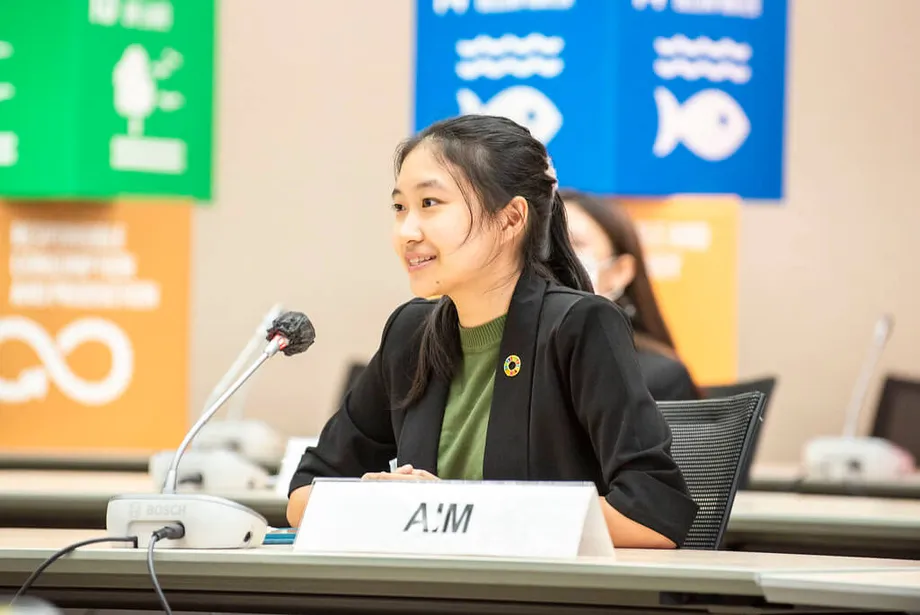
In 2021, Aminta was selected as one of Thailand's delegates to the United Nations Youth4Climate program. She joined nearly 400 young leaders from over 186 countries in Milan, Italy, and helped draft a youth manifesto presented to world leaders at the Pre-COP 26 climate summit. Her journey to that international platform began in a school debating club, where learning about global warming prompted her to look for ways to act.
Aminta has since combined education, public speaking and advocacy for girls. Her approach puts young people in two roles: learners who need to understand environmental risks, and mentors who can help other children understand them. For students whose families depend on farming, those risks can affect whether they attend school as well as what happens to their crops.
Her experience also connects climate resilience with female empowerment. Resilience means being able to cope with difficulties such as droughts or floods and recover from them. For the children she teaches, education is part of that capacity: it offers knowledge about environmental change while helping them imagine opportunities beyond the pressures facing their households.
A Debating Club Sparked a Search for Action
Aminta first encountered the complexities of global warming through her school's debating club. Debate helped her develop research skills and learn how to explain an argument in public. Those abilities later became central to her work as a mentor, speaker and climate advocate.
Discussion, however, left her wanting to do more. She came to believe that talking about the climate crisis was insufficient to address its scale, and that frustration pushed her toward direct community work.
Her first involvement in community service came through Saturday School, a volunteer organization that sends young people to teach in schools across Thailand. While teaching, Aminta noticed that climate education was largely missing from the curriculum. Children were learning in communities exposed to environmental pressures without enough classroom attention to climate resilience and sustainability.
Aminta responded by founding the Youth Mentorship Project, known as YMP. The project turned the communication skills she had developed through debate into a way to reach younger students. It also gave high school volunteers a practical role in climate education, allowing them to teach subjects they had learned to children who might otherwise have fewer opportunities to explore them.
What the Youth Mentorship Project Teaches
YMP recruits high school volunteers to teach rural children about climate change, sustainability and resilience. Its approach relies on learning between young people, with mentors making difficult topics accessible and engaging for younger students.
The project has reached over a thousand students, concentrating on communities that are often overlooked in mainstream educational reforms. Its focus is both environmental and educational: children learn about climate change while developing skills that can help them understand and respond to problems.
YMP combines climate education with STEAM subjects: science, technology, engineering, arts and mathematics. The science helps students understand the processes behind climate change. The wider mix of subjects supports critical thinking and problem solving, so lessons extend beyond remembering information.
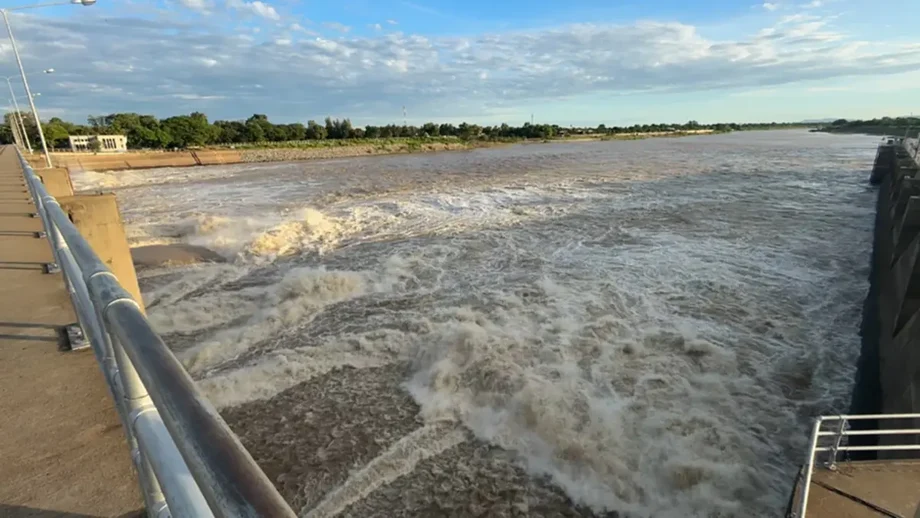
Aminta's work as a mentor has also shown her how closely classroom participation is tied to conditions at home. Many of the children come from farming families. During droughts or floods, they are frequently absent from school because their families need their help. Those experiences deepened her commitment to addressing environmental and social inequalities together.
Why Climate Pressures Affect Girls' Education
Women and girls face particular difficulties when climate change disrupts daily life. In developing countries, they are more likely to depend on natural resources and less likely to have access to education and economic opportunities. Environmental damage can therefore add to disadvantages they already face.
In Thailand, inequality built into institutions and cultural expectations can place boys' education ahead of girls' education, especially when household finances are strained. Girls in rural communities may leave school to support their families. Losing that education can limit their future choices and continue cycles of poverty.
Droughts and floods bring these pressures into the classroom. A farming household facing environmental hardship may need a child's help at home, while financial strain can make continued schooling harder. Aminta's experience with rural students has made that connection a central concern in her advocacy.
As a public school student and volunteer teacher, she saw girls being deprived of opportunities. She also saw education as a way to change their prospects. Her response has included projects encouraging girls to pursue higher education, discover their interests and imagine a future beyond traditional gender roles.
Helping Girls See a Future in Education
Aminta's approach to female empowerment begins with education. She encourages girls to see schooling as a route to discovering their interests, gaining independence and improving their social and economic circumstances, rather than simply completing a course of study.
Her mentorship programs focus on the lasting benefits of staying in school even when economic or environmental hardship makes attendance difficult. Role models and practical support are part of that effort, helping girls connect education with possibilities they may not previously have considered.
Aminta recalls the "sparkle in their eyes" when girls recognize what education could make possible. Her aim is to help remove barriers that prevent them from reaching their potential and to encourage them to develop ambitions of their own.
Her message to Thai girls is to have faith in themselves, understand what they want and work toward their goals with determination. She believes women are resilient and powerful, and that they can achieve success when given the opportunity. In her work, confidence and access to education belong together: encouragement matters alongside the chance to keep learning.
Taking Thai Youth Concerns to International Forums
Aminta's selection for the United Nations Youth4Climate program in 2021 brought her work to an international audience. At the Conference of Youth on Climate in Milan, she joined nearly 400 young leaders from over 186 countries in developing a youth manifesto for world leaders attending the Pre-COP 26 climate summit.
The manifesto gave young participants a shared way to present their concerns. For Aminta, international participation also provided an opportunity to bring attention to the difficulties facing Thai youth and young people across Southeast Asia.
Her speeches and debates have drawn attention at home and abroad for their thought provoking content and impact. She has also represented Thailand at the ECOSOC Youth Forum and served as a Youth Advisor to the Special Rapporteur on the human rights to safe drinking water and sanitation.
Two dated milestones mark her international involvement and recognition:
- 2021: Selected as one of Thailand's delegates to the United Nations Youth4Climate program, she participated in the Milan gathering and helped draft its youth manifesto.
- 2023: She was named Women of the World's Young Leader.
Recognition for Leadership and Social Justice
Aminta received the Chancellor's Scholarship at Vanderbilt University, an award given to less than 1% of incoming undergraduates for outstanding leadership and commitment to diversity and social justice. That recognition reflects the connection between her educational work and her concern for unequal access to opportunity.
She has also received the Royal Student Award initiated by King Rama IX and been named a Distinguished Speaker for Global Peace. Her recognition as Women of the World's Young Leader 2023 adds to those honors.
Her advocacy extends beyond Thailand through participation in the UN Youth Advisory Board for the Sustainable Development Goals, or SDGs. In that role, she contributes to global discussions about climate action, gender equality and human rights.
Aminta has also helped run events at the Human Rights Council in Geneva. Across these activities, she continues to promote development that includes people who face barriers to opportunity and can be sustained over time. Her work connects local teaching with international discussions about education, environmental pressures and rights.
Turning Communication Into Participation
Aminta's experience as a former national team debater and passionate storyteller shapes how she approaches youth leadership. Research and public speaking can help people understand a problem, but she regards awareness as a starting point for action.
She encourages young people to identify their strengths and use them to make a difference, even when their first steps seem small. Her own progression from debate to volunteer teaching and then to founding YMP follows that idea: communication becomes a tool for involving others.
Aminta, a Thai climate activist and founder of the Youth Mentorship Project, has expressed her belief in the value of individual participation this way:
We all can save the world in myriad ways. The challenge is to change realization to action. Small actions, when added up, can result in a big difference.
Her focus on youth empowerment fits a wider pattern in climate activism, with young leaders increasingly participating in social movements and policy advocacy. YMP gives that participation a concrete form through high school volunteers teaching younger children about issues that affect their communities.
Women Are Leading Climate Responses Across Countries
Aminta's work forms part of a broader movement of women and girls taking action on climate change. Around the world, they are helping communities adapt to environmental pressures, working to reduce the causes of climate change, leading sustainability initiatives and advocating for gender equality within climate action.
Adaptation means preparing for and responding to climate effects, while mitigation means reducing the causes of those effects. Women's participation matters in both. The United Nations and other international organizations have recognized their role in building climate resilience and achieving the Sustainable Development Goals.
Women in Tanzania, Cuba, Morocco, and Bosnia and Herzegovina are overcoming stereotypes, acquiring skills and becoming agents of change in their communities. Access to education and technology, together with participation in decisions, helps them contribute to effective climate responses.
UN Secretary-General António Guterres has stressed that empowering women is a matter of justice and a strategic necessity for tackling the climate crisis. Aminta's work gives that connection a practical expression through education: helping girls stay in school and develop their abilities is part of helping communities respond to environmental change.
The Barriers That Still Need Attention
Gender inequality, unequal access to quality education and limited representation in policy decisions continue to restrict the participation of women and girls in climate action. In Thailand and elsewhere, cultural expectations and economic pressures can force girls to abandon their studies, narrowing their prospects and weakening progress toward sustainable development.
Aminta's work points to changes needed beyond individual encouragement. Governments, civil society and the private sector all have roles in addressing the causes of inequality, investing in education and skills, and creating opportunities for young people, especially girls, to lead and develop new ideas.
For rural children, the connection is immediate. Droughts and floods can interrupt schooling because families need help. Climate lessons can improve understanding of those pressures, while mentorship can help students see reasons to continue their education. Aminta brings these concerns together through a project that treats learning, opportunity and resilience as closely connected.
Key Points
- Aminta Permpoonwiwat founded the Youth Mentorship Project after encountering gaps in climate education through volunteer teaching.
- The project has reached over a thousand students in rural Thailand and combines climate lessons with science, technology, engineering, arts and mathematics.
- Her teaching experience showed how droughts, floods and household pressures can disrupt education, particularly for girls facing unequal opportunities.
- She represented Thailand in the United Nations Youth4Climate program in 2021 and has participated in other international youth and human rights forums.
- Her honors include Vanderbilt University's Chancellor's Scholarship, the Royal Student Award and Women of the World's Young Leader 2023.
- Her advocacy connects girls' education, youth participation and climate resilience, with a focus on turning understanding into action.