Nearly 900 Liters Donated Since January
Hong Kong's first breast milk bank has supported more than 120 premature or critically ill newborns since its launch in January 2025. By June 17, more than 230 registered mothers had donated nearly 900 liters of milk, bringing the service close to its initial annual collection target of at least 1,000 liters within its first six months.
Contents
- Nearly 900 Liters Donated Since January
- Why Premature Babies Need Breast Milk
- How Mothers Become Donors
- From Frozen Donation to Prescribed Feed
- The Mothers Behind the Donations
- What Donor Milk Means for Families
- Breast Milk as Part of Medical Treatment
- Breastfeeding Support and Trust Still Matter
- A Place in a Global Milk Banking Network
- Hong Kong Plans to Build on the Early Response
- Key Points
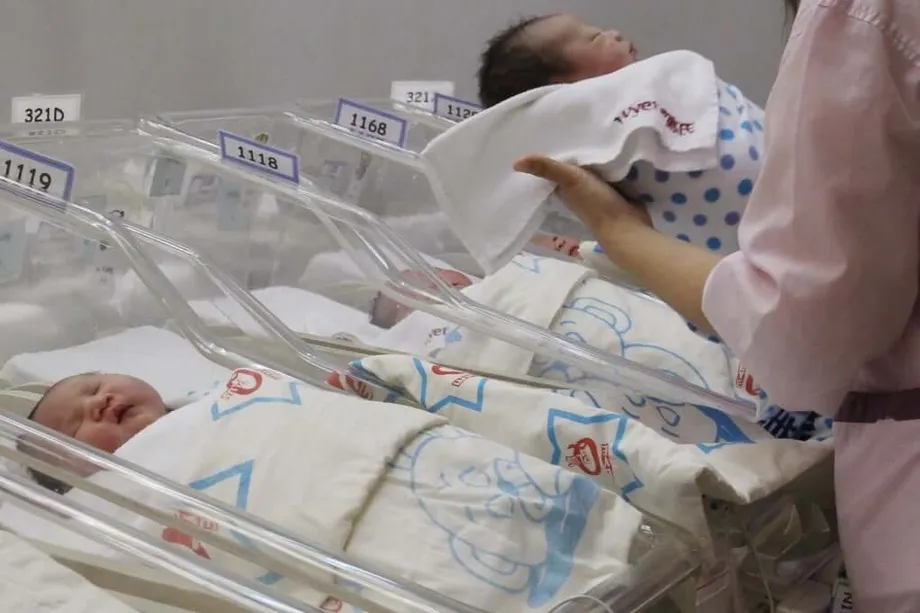
The Hong Kong Breast Milk Bank (HKBMB), based at Hong Kong Children's Hospital and managed by the Hospital Authority, supplies donor milk to neonatal intensive care units across nine public hospitals. These units, commonly called NICUs, care for newborns who need close monitoring and specialist treatment.
The bank has an annual goal of benefiting up to 600 infants. Its early collection total amounts to nearly 90 percent of the minimum annual target, showing how quickly mothers have contributed to the new service. For families whose babies arrive too soon or become seriously ill, those donations provide access to breast milk when a mother cannot supply enough herself.
The initiative combines the generosity of donors with a medical system for screening, transporting, processing and prescribing their milk. Its purpose is to give vulnerable newborns safe nutrition during a period when feeding can be difficult and their bodies are still developing.
Why Premature Babies Need Breast Milk
Breast milk is widely recognized as the optimal source of nutrition for infants, particularly those born prematurely or with critical health conditions. It contains nutrients, antibodies and other biologically active substances that support growth, development and protection against infection.
Premature babies often have digestive systems that are not fully developed. Breast milk is easier for them to digest and absorb, helping reduce feeding intolerance, which means difficulty tolerating or processing feeds, and the risk of severe complications.
One of the most serious dangers is necrotizing enterocolitis, or NEC, an intestinal disease that can threaten a baby's life. Breast milk helps lower the risk of this condition and other infections, making its role especially important in intensive care.
A recent scientific review describes how components of breast milk support organ development and help shape a healthy gut microbiome, the community of microorganisms living in the digestive system. That protection matters for newborns whose bodies are still learning to process food and defend themselves against disease.
Among these components are long chain polyunsaturated fatty acids, human milk oligosaccharides and lactoferrin. They include fats involved in development, complex sugars that help support the gut environment, and a protein involved in immune protection. Together with other protective components, they help explain why breast milk offers benefits beyond supplying calories.
How Mothers Become Donors
The HKBMB recruits mothers who are currently producing breast milk and whose babies are younger than one year. Before milk can enter the donation system, the mother undergoes a health assessment designed to protect the infants who may receive it.
Blood tests check for infectious diseases including HIV, hepatitis B, hepatitis C and syphilis. Screening also considers lifestyle factors, such as smoking, drug use, and excessive caffeine or alcohol consumption.
These checks are the first stage of a process that continues through collection, transport and laboratory testing. A donation passes through several safeguards before it reaches a hospital, reflecting the particular vulnerability of babies receiving intensive care.
Eligible mothers express their milk at home and freeze it, storing it separately from other food. When a donor has accumulated about two liters, the bank arranges collection by a designated courier. Strict temperature controls apply during transport so that the milk remains properly handled on its journey to the hospital.
From Frozen Donation to Prescribed Feed
Hong Kong Children's Hospital processes the donated milk after it arrives at the bank. Staff pasteurize it, test it for bacterial contamination and analyze its nutritional content. Pasteurization uses heat as a safety measure before the milk is made available for clinical use.
Only milk that meets the bank's safety standards is repackaged and distributed to hospitals. Screening the donor, controlling storage temperatures and testing the milk work together to provide safe, nutritious feeds for newborns at greatest risk.
Doctors prescribe donor milk to eligible infants, and parents must give consent. The milk is then delivered to NICUs and administered under medical supervision. Families therefore receive it through their baby's care team, with clinicians responsible for its use.
The service's development and donation process can be followed through these milestones:
- January 2025: Hong Kong's first breast milk bank launches at Hong Kong Children's Hospital.
- After donor approval: Mothers express and freeze milk at home, with courier collection arranged when about two liters have accumulated.
- Before hospital distribution: The bank pasteurizes the milk, tests for bacterial contamination and checks nutritional content.
- By June 17, 2025: More than 230 registered mothers have donated nearly 900 liters, and more than 120 premature or critically ill newborns have received support.
The Mothers Behind the Donations
Yoyo Chan's decision to donate was shaped by her own experience of pregnancy loss. She had suffered two miscarriages before giving birth to her daughter and felt a strong connection with mothers whose babies were premature or sick.
Chan described donating as challenging but rewarding. She took pride in helping other families during a vulnerable period, turning her own experience into practical support for parents facing uncertainty about their newborns' health.
Another donor, Ida, contributed 16 liters before her son turned one, the age limit for donor eligibility. On her final donation, she wrote messages of encouragement for the families who would receive the milk.
Her gesture added a personal message to a carefully managed medical process. For donors such as Chan and Ida, giving milk was also a way to share hope, love and solidarity with other parents. Their experiences show the commitment behind the collection figures, from expressing and storing milk to preparing it for collection.
What Donor Milk Means for Families
Aqsa's premature son was admitted to a NICU, where hospital staff introduced her to the breast milk bank. She was struggling to produce enough milk herself and needed another source of breast milk for her baby.
Aqsa credited the donated milk with helping her son gain weight and recover from illness. She expressed deep gratitude to the mothers whose donations supported his care.
Her experience shows how the service connects two groups of parents: mothers able to donate milk and families whose newborns need it. The hospital manages that connection through screening, processing and medical supervision.
For a parent dealing with a premature birth or a seriously ill newborn, access to donor milk can meet an immediate feeding need while the baby receives specialist treatment. The bank's support reaches beyond the collection room into the daily care of infants and the lives of their families.
Breast Milk as Part of Medical Treatment
Dr. Rosanna Wong, director of the HKBMB, describes breast milk as both a source of essential nutrients and a therapeutic agent. In this setting, that means it forms part of treatment by helping reduce infections, feeding intolerance and serious gastrointestinal disease such as NEC.
For premature and critically ill infants, the clinical benefits of receiving breast milk instead of formula can be life saving. Its nutritional and protective roles are closely connected: a baby needs nourishment to grow while also needing protection from complications that can interrupt feeding and recovery.
Internationally, donor human milk has been associated with lower rates of illness and death among infants. India and South Africa have operated human milk banks for years, providing safe donated milk that has helped save thousands of vulnerable newborns.
The World Health Organization recommends exclusive breastfeeding for the first six months of life. When a mother's own milk is unavailable, donor milk is considered the next best option. Hong Kong's service applies that approach to infants with particular medical needs through its network of public hospital NICUs.
Breastfeeding Support and Trust Still Matter
Hong Kong's breastfeeding rate has been improving but remains below global targets. Many mothers stop breastfeeding within six months, often because of work commitments or insufficient support. Those pressures affect the wider environment in which a milk donation service operates.
Some mothers also report discomfort or stigma when expressing milk in public. Better facilities and greater public awareness are needed to make breastfeeding and expressing milk easier to sustain.
Cultural beliefs and safety concerns can influence whether parents accept donor milk. Studies in other regions, including South Africa, have found hesitancy linked to fears about disease transmission and concerns about bonding with a baby.
The HKBMB addresses such concerns through donor screening, pasteurization and education. Building trust remains part of the work, alongside explaining the safeguards and helping families understand how donated milk fits into their infant's treatment.
For Hong Kong, sustaining donations also depends on supporting the mothers who provide them. Recruitment takes place within the same everyday circumstances that shape breastfeeding, including access to suitable places to express milk and the demands of returning to work.
A Place in a Global Milk Banking Network
More than 600 human milk banks operate worldwide, adapting their services to local needs and resources. Hong Kong's first bank joins this wider effort to give vulnerable infants access to human milk when their own mothers cannot provide enough.
India's milk banks, for example, are integrated with breastfeeding support and education programs. Their work has contributed to reductions in infant mortality and improvements in health over the longer term.
PATH and UNICEF advocate bringing human milk banking into national health systems. Their priorities include global standards, quality control and community engagement, linking the handling of milk with the support needed from families and health services.
The experience of countries with established banks points to the importance of both infrastructure and public participation. Safe processing and distribution make donations usable in medical care, while breastfeeding support and donor recruitment help maintain the supply.
Hong Kong Plans to Build on the Early Response
Healthcare professionals, government officials and community organizations have welcomed the HKBMB's early results. Secretary for Health Lo Chungmau described its creation as an example of decisive government action and effective execution made possible by broad cooperation across society.
UNICEF Hong Kong has also welcomed the program, highlighting its role in giving premature and critically ill infants the best possible start in life. The Hospital Authority continues to encourage mothers to register as donors, stressing that contributions of any size can help.
The bank aims to expand its reach, recruit more donors and further integrate breastfeeding support into maternal and child health services. Its annual goals remain at least 1,000 liters collected and support for up to 600 infants. No date has been given for the planned expansion.
Nearly 900 liters collected in the first six months puts the bank close to its initial annual collection goal. Continued public education, improved facilities and supportive policies will be important to sustaining the service, alongside the mothers and healthcare staff who have made its first months possible.
Key Points
- Hong Kong's first breast milk bank opened at Hong Kong Children's Hospital in January 2025 and is managed by the Hospital Authority.
- By June 17, more than 230 registered mothers had donated nearly 900 liters, supporting more than 120 premature or critically ill newborns.
- The bank supplies NICUs across nine public hospitals and aims to collect at least 1,000 liters annually, benefiting up to 600 infants.
- Donors undergo health screening, while milk is transported under temperature controls, pasteurized and tested before distribution.
- Doctors prescribe donor milk with parental consent, and infants receive it under medical supervision.
- Breast milk helps protect vulnerable babies against infections, feeding intolerance and necrotizing enterocolitis.
- Donor recruitment, breastfeeding support, public trust and suitable facilities remain central to sustaining and expanding the service.