A Routine Operation With a Serious Error
A woman aged 45 went to CUHK Medical Centre on September 12 for an operation she had clearly agreed to. The plan was to remove her uterus and both fallopian tubes, while preserving both ovaries. The ovaries were removed by mistake. The hospital has apologised, and the surgeon at the centre of the case has admitted responsibility.
Contents
- A Routine Operation With a Serious Error
- What Went Wrong on September 12
- The Phrase That Caused Confusion
- The Surgeon's Own Account
- How the Error Was Caught
- The Patient Chooses to Stay
- Discipline and Reporting
- New Safeguards in the Operating Theatre
- What the Case Means for Patients
- A Timeline of the Case
- Key Points
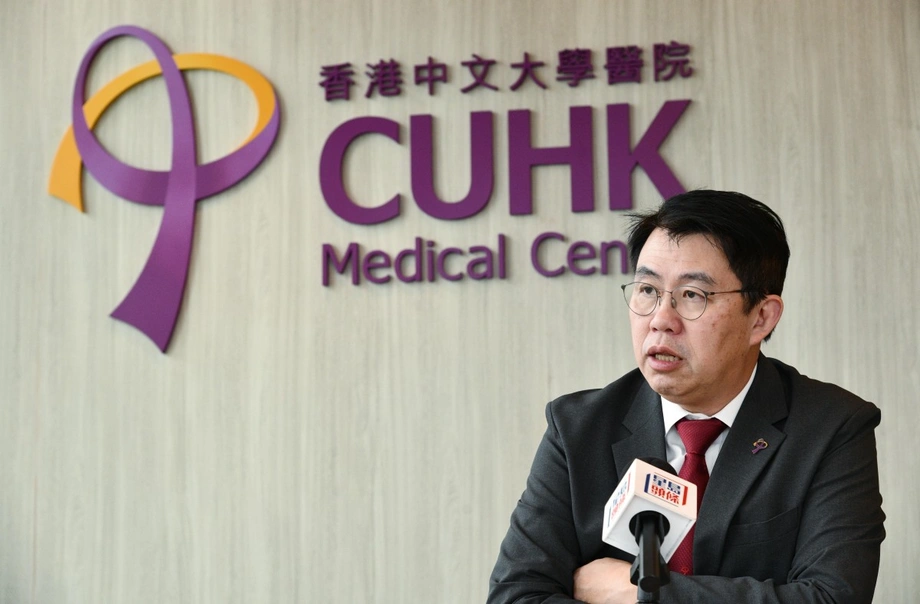
The organs involved were the ovaries, the egg and hormone producing glands on each side of the uterus. CUHK Medical Centre chief executive Chung Kin-lai said the patient was stable and would receive free treatment and follow up care. He apologised to the patient, her family and the public. The surgeon, Professor Cheung Tak-hong, described the error as a low level mistake that should not have happened and said he was sorry.
The case has drawn attention to how a clear instruction written into a consent form can be lost in an operating theatre, and to the language hospitals use when something goes wrong. It also shows how a private hospital, a contract doctor and a public regulator divide responsibility when a patient is harmed.
What Went Wrong on September 12
The patient had a suspected endometrial lesion, a condition affecting the lining of the uterus. Her doctors planned a laparoscopic hysterectomy and bilateral salpingectomy. In simple terms, keyhole surgery would remove the uterus and both fallopian tubes. The ovaries, which produce eggs and hormones such as estrogen and progesterone, would stay.
Her choice was recorded before the operation in the consent form and the treatment plan. Chung said the patient had clearly opted to keep both ovaries. During the operation, the surgeon met difficulty in the dissection phase, the stage when tissue is separated to reach the surgical site. Chung said this part took about 15 to 20 minutes. The surgeon then carried out a procedure the patient had not consented to.
The error was caught during a routine check of surgical specimens. A nurse noticed that both ovaries had been removed and alerted the surgeon. The removal was not part of the agreed treatment plan.
Chung said he called the surgeon that night at around 10pm and asked whether an underlying condition had made removal necessary. The surgeon said no and admitted a mistake. The patient was still in the recovery room when the surgeon told her what had happened. Chung said she was shocked and disappointed. The surgeon informed her family the same night and met them again the next day to apologise.
The Phrase That Caused Confusion
The hospital first described the surgeon as having a cognitive blind spot. The phrase puzzled some members of the public and led to questions about whether the hospital was using careful wording to soften a serious error. Chung said the phrase came from the root cause analysis panel's report. The English phrase in the report was 'temporary collapse of the situational awareness', and the Chinese translation was imperfect.
Chung said in plain language it could be described as a lapse of attention or a moment of absentmindedness. He said the incident did not involve the doctor's ability to identify organs, nor medical technique or medical ethics. It was not malicious, and no steps were deliberately skipped. The doctor became too focused and momentarily failed to follow the agreed plan, he said.
The distinction matters because a cognitive blind spot can sound like a problem with seeing or recognising an organ. The hospital said the issue was attention and awareness, not anatomy. The phrase entered public discussion because it appeared in a formal investigation report before the hospital explained it in everyday language.
The Surgeon's Own Account
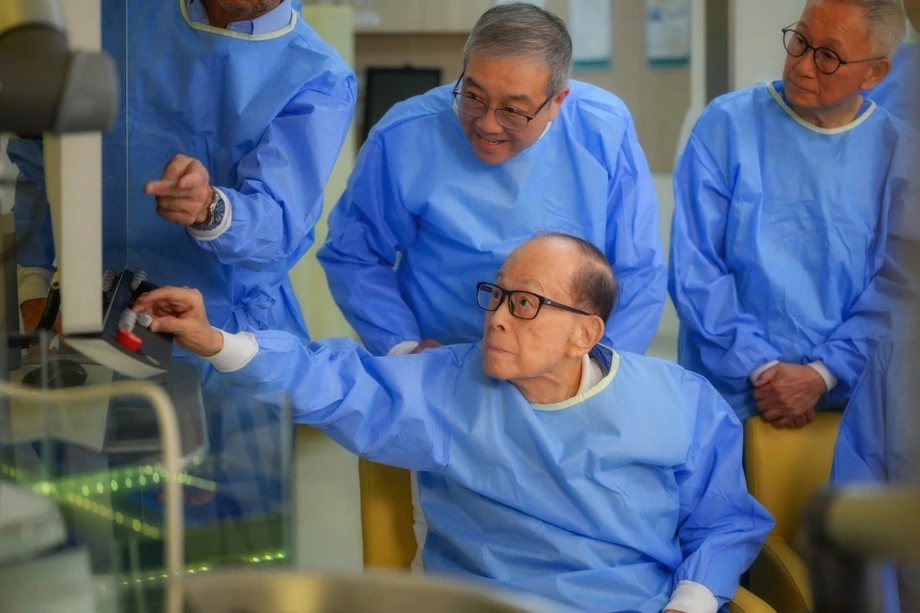
Cheung is a consultant at CUHK Medical Centre and a professor specialising in gynaecological oncology. He previously headed the department of obstetrics and gynaecology at Prince of Wales Hospital and is an honorary clinical professor at CUHK's medical school. The hospital said the surgeon worked there as a contract resident obstetrician and gynaecologist rather than as an employee. Chung said the doctor was very experienced, well respected in the industry, and all of his previous surgeries had been successful.
The hospital initially declined to name the surgeon. Cheung later identified himself and gave an interview. He said he was concentrating on avoiding unnecessary injury and bleeding, and that focus caused him to lose sight of the original plan.
The operation was a bit difficult, and I was too focused on one thing, and my mind missed the original plan. I don't want to explain further because a mistake is a mistake. I should admit my mistakes and bear the responsibility.
He called the error a low level mistake that should not have been made. He said he had reflected on it and would remind himself to stop and think before any step involving removal of an ovary. He said people make mistakes, and he could not promise never to make another one, but he would try to do his best.
How the Error Was Caught
The mistake surfaced during a routine specimen check. A nurse examined the tissue removed during surgery and saw both ovaries. She alerted the surgeon immediately. The check is a standard patient safety step: tissue removed in an operation is examined so that the surgical team can confirm what was taken and compare it with the plan.
Chung said the hospital reported the incident to the Department of Health within 24 hours. The department later included the case in its list of sentinel events at private hospitals recorded in September. A sentinel event is a serious patient safety incident that hospitals are expected to report. The hospital waited for the department to disclose the case before it addressed the public, while it arranged care and support for the patient, Chung said.
He also said the hospital reviewed the surgeon's records and assessed whether fatigue, physical condition or health issues could have played a part. It concluded that the case was isolated and not related to personal factors such as age. The hospital has strengthened alert measures in the operating theatre.
The Patient Chooses to Stay
After the error, the hospital offered the patient the choice of transferring to another doctor or another hospital. A patient relations officer supported her. She decided to continue her care with Cheung. Chung said the doctor and patient now have a good relationship.
The hospital and the surgeon will cover the costs of her follow up consultations and treatment. The hospital will provide free follow up consultations every few months to monitor her condition. It also has procedures for handling compensation claims.
Cheung said the patient accepted his apology and was receiving appropriate treatment and medication. He said she can live normally and is not affected by the incident. The account from the hospital and the surgeon gives the patient's decision a central place: she was told of the error quickly, offered a change of doctor and chose continuity.
Discipline and Reporting
CUHK Medical Centre has not disclosed what disciplinary action Cheung will face, citing privacy. Chung said the hospital will tell the patient and her family and will handle the matter under its personnel procedures. Cheung is a contract doctor, and the hospital listed possible measures: an oral or written warning, reduced clinical work, mandatory supervision, a decision not to renew the contract, termination, or a complaint to the medical regulator.
Cheung said he would accept whatever action the hospital decides, including restrictions on his clinical duties or additional safeguards if he is allowed to keep practising. He has continued to perform operations since the incident. Chung said nurses have given those procedures additional attention and support, and the operations were completed safely with good outcomes.
No complaint has been lodged with the Medical Council, the body that handles serious professional discipline in Hong Kong. Chung said anyone can complain to the council, but the hospital had not received information about such a complaint at the time of the press conference. No date for a disciplinary decision was given.
Chung also addressed the role of nurses in the operating theatre. He said timely reminders from theatre nurses would have been welcome, but they should not be blamed if they did not detect or stop the error. The surgeon bore ultimate responsibility, he said, and the nursing team had followed standard procedures.
New Safeguards in the Operating Theatre
Chief Nursing Officer Clara Tam said the hospital had reviewed its surgical protocols. Planned surgical steps will now remain visible on operating room screens throughout laparoscopic procedures. Instructions such as 'preserve ovaries' will be displayed continuously so the surgical team can check the agreed plan.
The measure addresses the exact failure described in the case: a plan that was documented before surgery but not followed during a difficult moment. The hospital said it strengthened alert measures immediately after the incident.
What the Case Means for Patients
The case turns on consent. Before an operation, a patient agrees to specific procedures. A surgeon can change course if an emergency demands it, but the hospital said no underlying condition made the removal of the ovaries necessary. Chung said the surgeon had not failed to recognise the organs. The failure was in following the agreed plan.
For a woman aged 45, the ovaries still produce hormones that support bone, heart and sexual health. Removing both can bring on menopause earlier than it would otherwise occur. That makes the loss more than a surgical detail, and it explains why the patient's documented choice mattered.
The hospital's handling also shows how a private hospital, a contract doctor and a public regulator share responsibility. The hospital apologised, reported the case and offered to cover care. The doctor admitted the error and accepted responsibility. The Department of Health listed the case among sentinel events. The Medical Council has not received a complaint, so any professional discipline beyond the hospital's own process has not begun.
A Timeline of the Case
- September 12: The woman aged 45 has laparoscopic surgery to remove her uterus and both fallopian tubes at CUHK Medical Centre. Both ovaries are removed by mistake. A nurse detects the error during a specimen check.
- Same night: The surgeon tells the patient, who is in the recovery room, and her family. Chung calls the surgeon around 10pm. The surgeon admits a mistake.
- Next day: The surgeon meets the patient and family again, admits the error and apologises.
- Tuesday: The hospital issues a press release and apologises. It says the surgeon had a cognitive blind spot.
- Wednesday: Chung holds a press conference and explains the phrase as a lapse in attention. The Department of Health includes the case in its September list of sentinel events at private hospitals.
- After the incident: The hospital introduces new screen displays for planned surgical steps and says it has strengthened operating theatre alerts.
Key Points
- CUHK Medical Centre has apologised after a surgeon removed both ovaries of a woman aged 45 during an operation in which she had consented to keep them.
- The surgery on September 12 was meant to remove her uterus and both fallopian tubes. The patient had a suspected endometrial lesion.
- The surgeon, Professor Cheung Tak-hong, admitted the error and called it a low level mistake. He said he was too focused on one part of the operation and lost sight of the plan.
- A nurse found the error during a routine specimen check. The hospital reported the case to the Department of Health within 24 hours.
- The hospital first described the error as a cognitive blind spot. Chung said this was a poor translation of 'temporary collapse of the situational awareness' and meant a lapse in attention.
- The patient chose to continue her care with the same surgeon. The hospital and surgeon will cover her follow up treatment, including free consultations every few months.
- No Medical Council complaint has been lodged. The hospital has not disclosed disciplinary action, citing privacy.
- New safeguards will display planned steps such as 'preserve ovaries' on operating room screens during laparoscopic surgery.