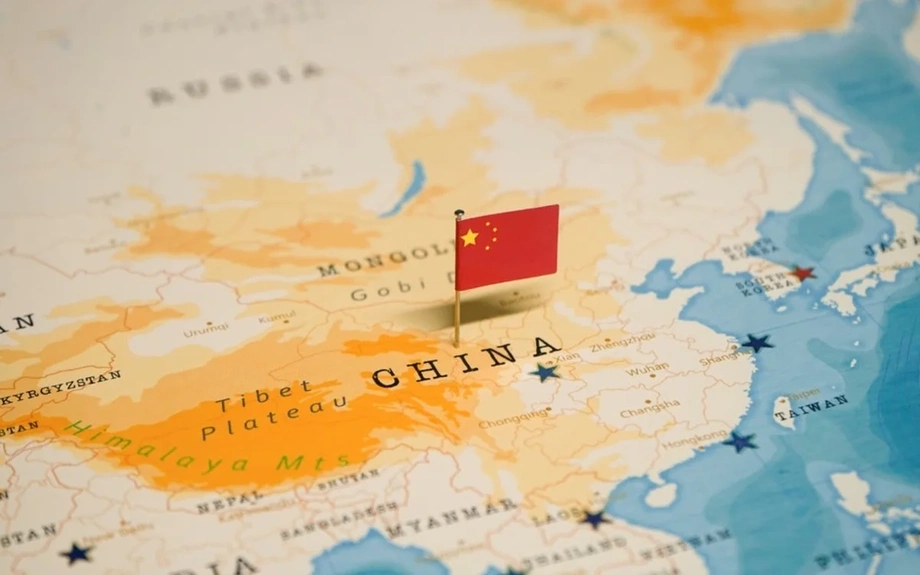
A vaccine for Chinese strains, with trials planned for 2028
Nobel laureate Michael Houghton and Hong Kong Baptist University are developing a hepatitis C vaccine targeting virus strains circulating in China, with a proposed formulation due in the second half of 2027 and the first human trials planned for 2028. The team hopes to establish whether the vaccine protects people by 2030.
Contents
- A vaccine for Chinese strains, with trials planned for 2028
- Why prevention matters when treatment can cure
- Why the team is starting with China
- How the RNA approach would work
- Decades of research underpin the new programme
- What the 2027 to 2030 schedule involves
- Who might receive the vaccine first
- From a laboratory formula to an affordable product
- Why Houghton chose Hong Kong
- Key Points
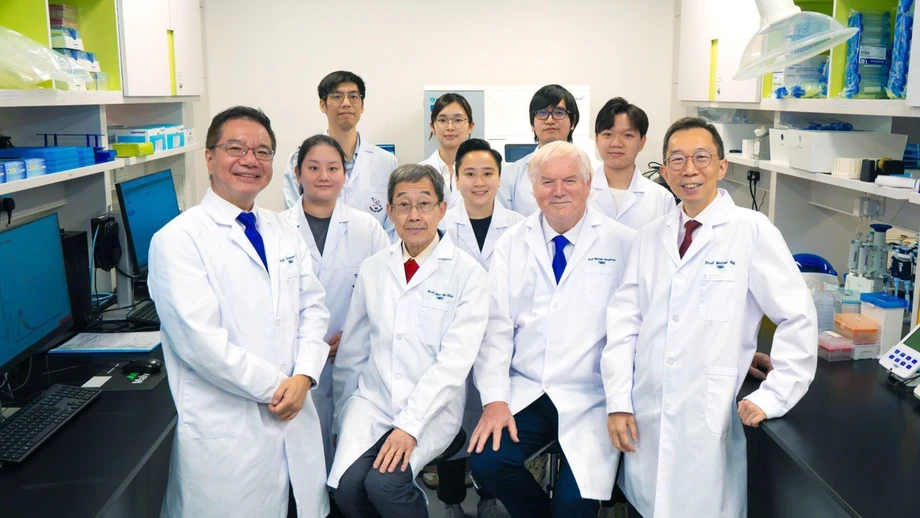
Houghton, who shared the 2020 Nobel Prize in Physiology or Medicine for the discovery of the hepatitis C virus, is working with Choo Qui Lim, a chair professor in HKBU's Department of Biology and a fellow member of the team behind the 1989 discovery. Their new programme brings together decades of vaccine research, technology used in COVID-19 vaccines and potential manufacturing partners in Shanghai and Shenzhen.
The stakes are substantial. World Health Organization estimates put the number of people living with chronic hepatitis C at 47 million, with about 900,000 new infections annually. About 239,000 people died from the disease in 2024, mainly because of liver scarring and liver cancer.
No effective hepatitis C vaccine currently exists. Antiviral medicines can cure almost everyone treated, but finding people with an infection and making treatment accessible remain costly tasks. People who recover can also become infected again.
The researchers have discussed an initial vaccine cost of about HK$1,600. Some descriptions put that figure per person, while Houghton also described it as a price per dose per person. The number of doses, final price, trial enrolment and regulatory approval timetable have yet to be announced.
Why prevention matters when treatment can cure
Hepatitis C infects the liver and spreads through exposure to infected blood. A person may carry the virus for years without obvious symptoms, allowing damage to build before the infection is discovered. Chronic infection means the virus remains in the body rather than being cleared.
Houghton argues that effective medicines alone leave health systems facing the continuing expense of screening, treatment and new infections. The HKBU biology chair professor described the financial challenge this way:
"Even though we have good diagnostics and good antivirals, the antivirals are very expensive. It's impossible for any country to spend so much money to test for infected people and then treat them with the antivirals," Houghton said.
Direct acting antivirals interrupt processes the virus needs to reproduce. A preventive vaccine has a different task: teaching the immune system to respond before an infection becomes established. For someone repeatedly exposed to infected blood, protection against a future infection could provide a benefit beyond curing an existing one.
About 30% of infected people clear the virus naturally within six months, while the remaining 70% develop chronic infection. Long lasting infection can progress to cirrhosis, a condition in which scar tissue replaces healthy liver tissue, or to liver cancer. The absence of early symptoms makes testing an essential part of finding those who need treatment.
Why the team is starting with China
Hepatitis C is highly variable. Different versions of the virus, including genetic groups called genotypes, circulate around the world. Houghton says strains prevalent in China differ substantially from those found in North America and Europe, making the choice of vaccine ingredients central to the programme.
The team plans to begin with a mixture designed for Chinese strains, then explore combining that approach with vaccines targeting strains elsewhere. Houghton set out that sequence:
Initially we're focusing on a vaccine against the Chinese hepatitis C strains. Once we're successful, we can start thinking about combining it with a North American and a European vaccine to eliminate the threat of hepatitis C.
The practical challenge is to select ingredients that train the immune system to recognise enough of the circulating variants. Houghton has described the planned formulation as a cocktail of RNAs, reflecting the need to cover diversity within China as well as differences between regions.
Shanghai and Shenzhen matter to the project for that reason as well as for manufacturing. The team is discussing partnerships with companies experienced in making RNA vaccines, while access to Chinese virus strains can help guide the design toward the infections the vaccine is intended to prevent.
How the RNA approach would work
Choo says the programme will use an mRNA technology platform drawing on developments in COVID-19 vaccination. Messenger RNA carries instructions that cells can use to make selected proteins. In a vaccine, those proteins give the immune system a target to learn to recognise.
The researchers want to stimulate two forms of defence. Neutralising antibodies can block a virus from entering cells. Cellular immune responses, including those involving T cells, help the body recognise and deal with cells that have already become infected.
HKBU's January 2025 announcement described Houghton's work on antibodies capable of neutralising different hepatitis C genotypes and cellular responses able to recognise different variants. The university's account places the new programme within a much longer effort to build broad immune protection.
Choo says the flexibility and speed of the RNA platform can help the team respond to the virus's diversity. He also sees the work as preparation for future pandemics, because experience designing and producing vaccines can be applied to other emerging infections.
Decades of research underpin the new programme
Houghton and Choo helped identify hepatitis C in 1989 after an investigation lasting seven years. Their colleagues included George Kuo and Daniel W. Bradley. Houghton later shared the Nobel Prize with Harvey J. Alter and Charles M. Rice, whose work also helped establish the identity and biology of the virus.
The discovery made it possible to develop blood screening tests in 1990. According to HKBU's account, widespread screening from 1992, followed by increasingly sensitive tests, nearly eliminated hepatitis C contamination in donated blood supplies. Vaccine development has proved a longer undertaking.
The university says Houghton spent about 30 years pursuing hepatitis C vaccines in the United States and Canada. It highlights work at the University of Alberta in 2013 showing that a vaccine derived from a single strain generated responses capable of preventing infection by many global strains in cell cultures. Its research summary also lists earlier vaccine protection in nonhuman primates and broad neutralising antibodies generated in vaccinated people.
In a 2022 interview, Houghton described a second generation candidate developed after more than a decade of work at Alberta. He said it generated antibodies against most strains observed worldwide, together with cellular immune responses. At that time, clinical trials were expected to begin in 2023. The current Hong Kong programme sets out a new schedule for a formulation focused on Chinese strains.
Houghton has identified several reasons progress has been difficult: limited animal models, challenges growing the virus in cell cultures and limited interest from biopharmaceutical companies. Each affects the work needed to select a candidate, assess it and produce material suitable for human trials.
What the 2027 to 2030 schedule involves
The team proposes clinical research across Hong Kong, Shanghai and Beijing. Conducting studies at several centres would bring together clinical facilities and participants in different locations, alongside the planned manufacturing partnerships.
The announced milestones are:
- Second half of 2027: identify the preferred vaccine mixture targeting strains circulating in China.
- 2028: begin phase 1 trials to assess safety and determine an appropriate dose.
- 2029: begin phase 2 trials to evaluate efficacy, meaning how well the vaccine protects under study conditions.
- 2030: aim to establish whether the vaccine provides protection in humans.
Phase 1 focuses on how volunteers tolerate a candidate and how their immune systems respond at different doses. Phase 2 takes the investigation further, assessing protection as well as continuing to monitor safety. Results from each stage will guide the next steps.
Houghton previously discussed another possible research approach with Health Canada and the United States Food and Drug Administration: a human challenge trial, in which vaccinated volunteers would deliberately be exposed to the virus under controlled conditions. In the 2022 discussion, he made that proposal conditional on encouraging safety and immune response results, with antiviral treatment available for volunteers who became infected. The Hong Kong timetable describes phase 1 and phase 2 studies across the three proposed cities.
Who might receive the vaccine first
The researchers envisage initially prioritising people at greater risk of exposure. They have named healthcare workers, newborns, people with multiple sexual partners and people who use drugs. Houghton has drawn particular attention to workers who regularly encounter blood and to the possibility of transmission from an infected mother to her baby.
For newborns, the intended benefit would be protection at the beginning of life. For healthcare workers and people exposed to infected blood through injecting drugs, it would address a recurring risk. Any eventual vaccination programme would need evidence supporting its use in the groups selected.
Hong Kong's Department of Health has estimated that about 0.3% of the population has previously been infected, with an estimated 17,000 to 22,000 patients. Another published estimate places carriage at about one in 200 people, or 0.5%. These figures describe different measures, previous infection and carriage, and point to the need for clear definitions when planning testing and vaccination.
Choo has also raised vaccine hesitancy as a practical issue. He pointed to influenza vaccination, where having doses available does not automatically produce high uptake. For a future hepatitis C vaccine, public confidence and access would be part of turning laboratory progress into protection for those most exposed.
From a laboratory formula to an affordable product
The team has approached vaccine manufacturers in Shanghai and Shenzhen and hopes eventually to license production to at least one or two mainland Chinese companies. The proposed sequence is to establish effectiveness, then move toward production and distribution at scale.
Houghton says that process requires much more than selecting a promising vaccine formula. Animal studies, manufacturing to the standards required for clinical trials, supply chains and distribution all need to be organised. Choosing an industrial partner is therefore part of the scientific programme's practical design.
The initial estimate of about HK$1,600 places affordability near the centre of the project. Houghton explained the team's intention:
"We work hard to help people, so we do not want a vaccine that the majority cannot afford," he said.
The team has estimated a potential market worth billions of Hong Kong dollars. For patients and health services, the practical calculation will include the price of a full vaccination course, the protection it provides and the cost of reaching people who need it. Those details will develop alongside the clinical evidence.
Why Houghton chose Hong Kong
Houghton joined HKBU after more than four decades of scientific and academic work in North America. He was appointed chair professor of biology and became a cofounder of the university's Frontier Translational Medical Research Institute. His Alberta work included leading the Li Ka Shing Institute of Applied Virology.
Funding was one reason for choosing Hong Kong. Houghton said research budgets in the United States and Europe had tightened, including a reduction in his own grant. He contrasted those pressures with research support in Hong Kong and mainland China, access to manufacturers and the university's plans for applied biomedical research.
His relationship with HKBU began through its unsuccessful bid to establish Hong Kong's third medical school. The university formally announced his membership of the proposal's expert advisory committee on January 13, 2025. The research partnership continued after that bid, bringing him back into collaboration with Choo.
Terence Lau Lok-ting, HKBU's interim chief innovation officer, says Houghton's combination of pharmaceutical industry and academic experience is valuable for turning discoveries into usable products. The university has also pledged continued investment in funding and equipment.
HKBU is exploring research platforms linked to the Northern Metropolis and the Hetao cooperation area. Within that broader effort, the hepatitis C programme has a concrete sequence to pursue: choose the formulation, manufacture it for trials, test it in people and work toward an affordable vaccine if the results support it.
Key Points
- Michael Houghton and HKBU professor Choo Qui Lim are developing an RNA vaccine initially targeting hepatitis C strains circulating in China.
- The preferred formulation is planned for the second half of 2027, with phase 1 trials in 2028 and phase 2 in 2029.
- The team aims to establish protection in humans by 2030, with clinical research proposed in Hong Kong, Shanghai and Beijing.
- Manufacturing discussions involve companies in Shanghai and Shenzhen. An initial cost estimate is about HK$1,600, with the final vaccination course still to be determined.
- WHO estimates that 47 million people have chronic hepatitis C and that about 239,000 died from the disease in 2024.
- No effective hepatitis C vaccine currently exists. Antiviral treatment can cure infection, but people can become infected again.