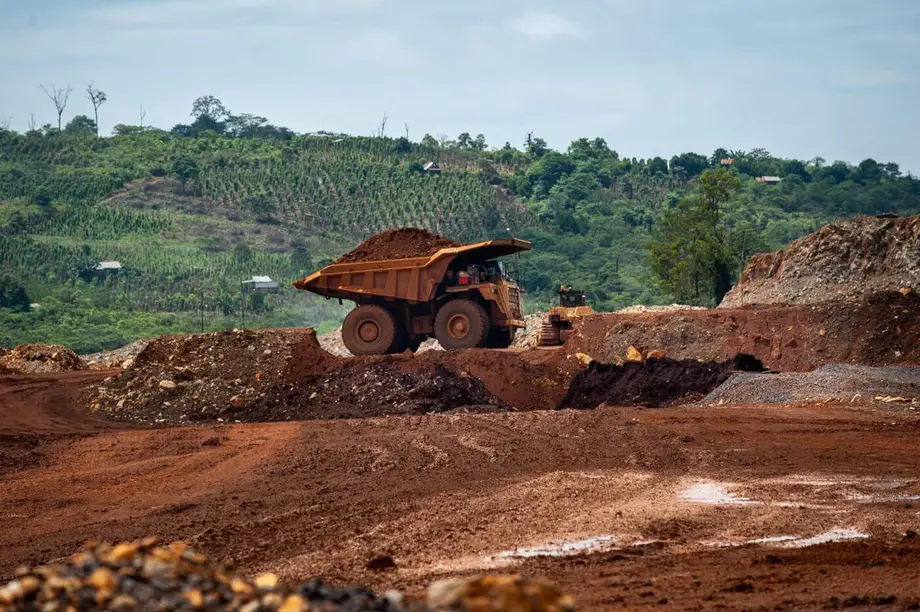
A 5,000 Hectare Industrial Park and a Growing Health Burden
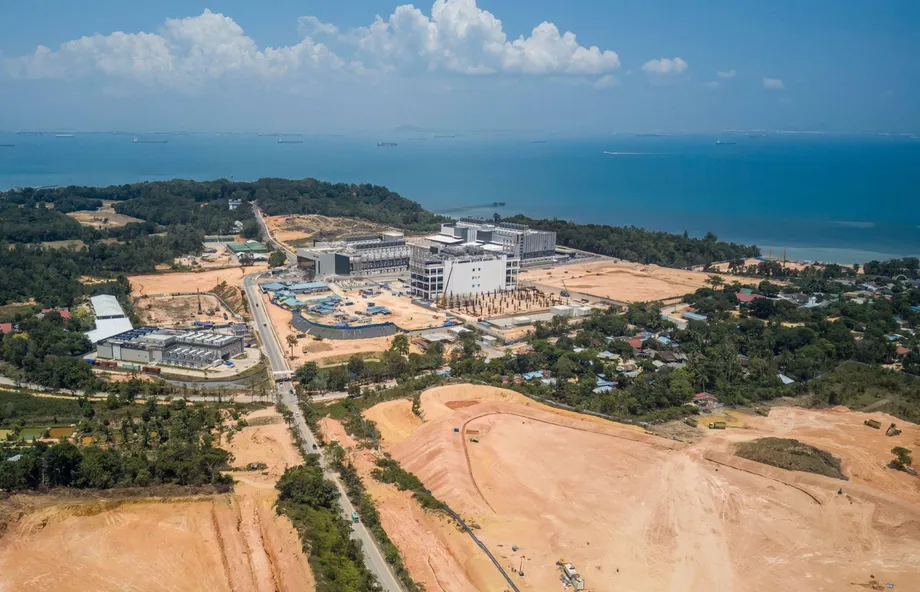
At the Indonesia Weda Bay Industrial Park in Central Halmahera, nickel mining and processing have attracted billions in foreign investment. The complex covers 5,000 hectares and includes smelters, mines, a seaport and an airport. In nearby communities, the same industrial expansion has brought complaints about ash, contaminated water, lost farmland and rising respiratory illness.
Contents
- A 5,000 Hectare Industrial Park and a Growing Health Burden
- Why Nickel Demand Brings Coal to Weda Bay
- Families Living With Ash and Respiratory Illness
- How the Health and Environmental Warnings Built Up
- What Air Pollution and Blood Tests Show
- Polluted Rivers, Springs and Coastal Waters
- Forest Loss Adds to Flooding and Farm Damage
- Rapid Growth Has Not Reached Everyone
- Indigenous Communities Face Loss of Land and Forest
- Projected Health Costs Reach Trillions of Rupiah
- What Communities and Researchers Want Changed
- Key Points
The Lelilef Health Center recorded 351 acute respiratory infection cases in 2018 and more than 2,700 in 2024. Research conducted in 2024 by the Nexus3 Foundation and Tadulako University also found mercury and arsenic above safe thresholds in blood samples from workers and residents in Gemaf and Lelilef.
North Maluku, a remote province in eastern Indonesia, has become a major center of the global nickel industry. Indonesia is the world's largest nickel producer and supplies nearly half of global nickel needs. North Maluku is one of its four main mining hubs, placing the province at the center of the country's ambitions to supply electric vehicles and renewable energy storage.
As of June 14, 2025, the province's experience presents a difficult balance: rapid industrial growth and investment alongside mounting health, environmental and social costs. Families living near industrial facilities face medical expenses, while farmers, fishers and Indigenous communities face damage to the land and water that sustain them.
Why Nickel Demand Brings Coal to Weda Bay
Nickel is an essential component in the lithium-ion batteries used in electric vehicles and renewable energy storage systems. As governments and automakers push to move away from fossil fuels, demand for the metal has increased. North Maluku's mines and processing facilities are part of Indonesia's effort to meet that demand.
Extracting and refining nickel requires large amounts of energy. Most Indonesian smelters, including those at the Indonesia Weda Bay Industrial Park, known as IWIP, rely on power plants that burn coal. That dependence creates pollution and greenhouse gas emissions in the production of materials intended to support cleaner transport and energy.
The Centre for Research on Energy and Clean Air, known as CREA, has documented rapid growth in Indonesia's captive coal power capacity, with North Maluku at the forefront. Captive power plants are built to supply particular industrial facilities, such as smelters, rather than primarily serving the wider electricity network.
IWIP illustrates how that model concentrates industrial activity. Mines, processing facilities and supporting infrastructure sit within one large complex, while neighboring villages experience the effects of coal burning and nickel production. The environmental cost of supplying battery materials is therefore felt close to where the metal is extracted and processed.
Families Living With Ash and Respiratory Illness
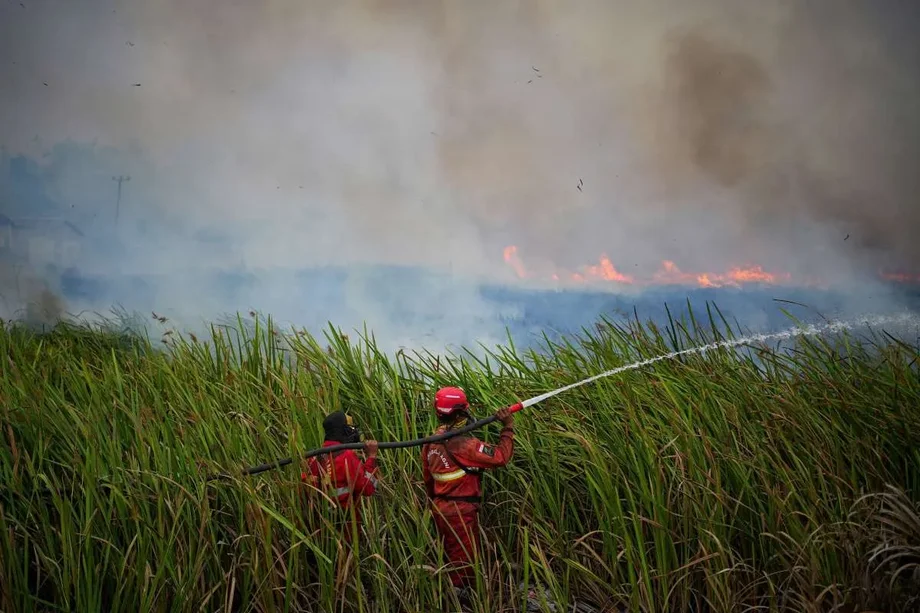
Gemaf and Lelilef Sawai were once surrounded by forests and clean rivers. They now sit near smokestacks and coal storage yards. Residents describe dust and ash in the air and a sky that glows red at night from industrial emissions.
Stesya Tania, a young mother in Gemaf, sweeps her home twice a day, yet ash continues to enter. Her daughter Putri, aged four, has chronic respiratory problems and has been diagnosed with asthma. Asthma has become increasingly common among local children, adding to families' concerns about the air they breathe.
Children and older people are especially vulnerable to pollution. Families such as Stesya's spend a substantial share of their income on clinic visits and medicine. Some keep children indoors to reduce exposure, restricting their daily lives while trying to protect their health.
Asjuati Tawinella, head of the Lelilef Health Center, described respiratory infections as a persistent and growing part of the clinic's workload:
According to the data I have, respiratory infection cases increased every year, ranking first annually.
The health center's figures rose from 351 cases in 2018 to more than 2,700 in 2024, more than seven times the earlier number. Figures for Lelilef Sawai show an increase from 434 in 2020 to more than 10,000 in 2023. North Weda and Central Weda also recorded sick residents at rates of 43.4% and 20.7%, respectively, far above provincial and national averages.
How the Health and Environmental Warnings Built Up
The reported changes extend across several years. Clinic figures describe a growing burden of respiratory illness, while flooding and research into contamination show other pressures on communities around the nickel industry.
- 2018: The Lelilef Health Center recorded 351 acute respiratory infection cases.
- 2020: Lelilef Sawai recorded 434 respiratory infection cases. The period from 2020 to 2024 also saw repeated major floods in the Weda Bay mining area.
- 2023: Respiratory infection cases in Lelilef Sawai exceeded 10,000. North Maluku reported economic growth of more than 23% in the second quarter.
- 2024: The Lelilef Health Center recorded more than 2,700 acute respiratory infection cases. Nexus3 Foundation and Tadulako University research found mercury and arsenic above safe thresholds in blood samples from workers and residents.
The increase in clinic visits creates immediate needs for treatment and medicine. Contamination and repeated flooding add separate demands, including access to safe water, protection of homes and recovery of damaged agricultural land.
What Air Pollution and Blood Tests Show
Coal power plants emit particulate matter, including PM10 and PM2.5, as well as sulfur dioxide and nitrogen oxides. Particulate matter consists of tiny airborne particles that people can breathe into their lungs. These pollutants are known to cause respiratory and cardiovascular diseases.
Studies by the Association of People's Emancipation and Ecological Action, known as AEER, and CREA found that particulate levels near IWIP regularly exceeded both Indonesian and European safety standards. Residents' accounts of dust and ash sit alongside those measurements of air pollution.
Nexus3 Foundation and Tadulako University examined another form of exposure in 2024: mercury and arsenic in the blood of workers and residents in Gemaf and Lelilef. These contaminants, released during mining and smelting, can cause neurological damage, cancer and developmental disorders in children.
Annisa Maharani, a researcher at the Nexus3 Foundation, described the blood sample results:
Out of 61 blood samples, 23 showed mercury and arsenic levels exceeding the safe threshold. Nine residents had both contaminants at the same time.
The 23 samples represent about 38% of the 61 tested. Nine residents had both contaminants, showing that some people faced exposure to more than one hazardous substance.
Polluted Rivers, Springs and Coastal Waters
Rivers once used for drinking, bathing and fishing now run brown with sediment and industrial runoff. Damage to these water sources affects several parts of daily life at once, from obtaining drinking water to finding food and washing.
In Kawasi village on Obi Island, internal company documents revealed through an investigation showed hexavalent chromium in local springs at levels up to 19 times the legal limit. Hexavalent chromium is a potent carcinogen, meaning it can cause cancer.
Residents who cannot afford bottled water continue to drink from these sources, exposing them to potential health effects over many years. For those households, obtaining safer water is also a question of affordability.
Coastal waters face pollution from the nickel industry as well. Hot water and waste discharged from smelters have killed fish and damaged marine ecosystems. Fishers must travel farther as catches decline, making their traditional work more difficult.
Nickel, chromium and copper have been detected in water and fish samples at levels above government safety thresholds. Those findings raise concerns about the safety of food from affected waters and the ability of local fisheries to continue supporting communities.
Forest Loss Adds to Flooding and Farm Damage
Nickel deposits in North Maluku lie close enough to the surface that companies clear large areas of tropical forest to reach them. The loss destroys habitats and releases greenhouse gases, adding another environmental cost to the industry's reliance on coal.
Satellite imagery and research by Climate Rights International and the University of California, Berkeley, show that more than 5,300 hectares of forest have been lost to mining on Halmahera alone. That is a larger area than the 5,000 hectares covered by the IWIP complex.
Trees help hold soil in place. When forest cover is removed, erosion increases and sediment builds up in rivers. These changes contribute to more frequent and severe flooding, carrying the consequences of mining beyond the land directly excavated.
Between 2020 and 2024, floods more than one meter high struck the Weda Bay mining area more than a dozen times. Thousands of residents were displaced. Agricultural land and plantations were damaged or destroyed, weakening both household incomes and food security.
Farmers and fishers therefore face losses from several directions. Forest clearance and flooding damage crops and plantations, while pollution affects rivers and coastal catches. Communities that once relied on these resources must cope with fewer ways to earn a living.
Rapid Growth Has Not Reached Everyone
North Maluku reported economic growth of more than 23% in the second quarter of 2023. Billions invested in nickel mining and processing have helped drive that expansion, making the province central to Indonesia's industrial strategy.
Central Halmahera, where IWIP is located, nevertheless has one of the highest poverty rates in the province. Many local residents, particularly those without specialized skills, have not benefited from the boom. Poverty and inequality persist alongside large industrial investment.
Families losing income from farming and fishing also face higher living costs associated with environmental damage. Spending on clinic visits, medicine and alternative water supplies puts further pressure on household budgets.
The contrast between economic growth and household hardship matters because they describe different experiences. A province can produce more industrial output while residents near its factories struggle to pay for treatment or replace a lost livelihood. North Maluku's reported growth and Central Halmahera's poverty show that both conditions exist together.
Indigenous Communities Face Loss of Land and Forest
Land acquisition for nickel mining has brought disputes over consent, compensation and pressure on residents. Climate Rights International and other nongovernmental organizations have documented land grabbing, intimidation and inadequate compensation.
The Sawai and the O'Hongana Manyawa, also known as Tobelo Dalam, have seen ancestral forests and hunting grounds cleared without proper compensation or consent. Some communities have been moved into villages with poor infrastructure, where they struggle to adapt to different ways of living.
Maklon Lobe, an Indigenous Sawai farmer, described excavation of his land and the terms under which he was pushed to sell:
My land was excavated without consent and I was pressured to sell at a low price. The company paid for only a portion and took the rest without compensating me.
For the O'Hongana Manyawa, the forest supports both survival and culture. Mining that enters their territory threatens their traditional way of life. Efforts to resettle them have largely failed, leaving the loss of forest as a threat to the community's continued existence.
Compensation disputes involve more than the price of an individual plot. The clearing of hunting grounds and ancestral forests affects access to food, established livelihoods and the places around which communities organize their lives.
Projected Health Costs Reach Trillions of Rupiah
Estimates by CELIOS and CREA project that the cost of treating diseases related to pollution in North Maluku will reach IDR 8.5 trillion, about USD 491 million, in 2025. They project that cost rising to IDR 12.3 trillion in the next decade.
The same estimates warn that, without stronger environmental controls, the region could face 5,000 premature deaths and an additional IDR 54 trillion in economic burden by 2030. Premature deaths are deaths occurring earlier than they otherwise would because of harmful conditions such as pollution.
Across Indonesia, continued expansion of captive coal power without retiring old plants or enforcing stricter standards could produce cumulative health impacts of 27,000 additional deaths and IDR 330 trillion, about USD 20 billion, in economic losses by 2040.
These are projections tied to future industrial expansion and environmental controls. Their concrete message for policymakers is the scale of treatment needs and economic losses that researchers expect if pollution continues without stronger action.
What Communities and Researchers Want Changed
Local leaders, health officials and civil society groups are calling for action on pollution, land rights and public health. Researchers and advocacy organizations have proposed changes that address both how nickel is produced and how affected communities are treated.
- Halt new permits for nickel smelters and captive coal power plants until environmental governance improves.
- Revise regulations to phase out coal and encourage renewable energy in industrial complexes.
- Enforce stricter pollution and emission controls, with regular monitoring of air and water quality.
- Provide fair compensation and meaningful consultation, especially for Indigenous communities.
- Invest in healthcare facilities and access to treatment in areas affected by pollution.
- Restore damaged environments through reforestation and remediation.
Remediation means cleaning up contamination or repairing environmental damage. Together with reforestation, it would address damage already done, while changes to power supplies and pollution controls would target continuing emissions.
Global automakers and battery manufacturers also face pressure to ensure that their supply chains do not contribute to environmental destruction or human rights abuses. Tesla has pledged to avoid sourcing nickel from areas inhabited by uncontacted Indigenous peoples, but implementation remains limited.
Timotius Rafael, an AEER researcher, called for a change in the energy used by the industry:
Decarbonization must be done by stopping coal power plants and switching to renewable energy, so the damage in North Maluku won't get worse.
Decarbonization means reducing the carbon emissions associated with an activity. In North Maluku, the proposed changes connect that goal with residents' immediate needs: cleaner air, safer water, access to healthcare and protection of land and livelihoods. No date has been given for putting the proposed reforms into effect.
Key Points
- Indonesia supplies nearly half of global nickel needs, with North Maluku among its four main mining hubs.
- The 5,000 hectare IWIP complex has attracted billions in investment, while most Indonesian smelters, including those at IWIP, rely on coal power.
- The Lelilef Health Center recorded an increase in acute respiratory infections from 351 cases in 2018 to more than 2,700 in 2024.
- Research in 2024 found mercury and arsenic above safe thresholds in 23 of 61 blood samples; nine residents had both contaminants.
- Mining has cleared more than 5,300 hectares of forest on Halmahera, while repeated floods, water pollution and declining catches have damaged livelihoods.
- Sawai and O'Hongana Manyawa communities face loss of ancestral land, disputed compensation and threats to their traditional ways of life.
- CELIOS and CREA project IDR 8.5 trillion in treatment costs in North Maluku in 2025, with larger health and economic burdens ahead without stronger controls.
- Proposed reforms include cleaner industrial power, stricter pollution monitoring, better healthcare, fair compensation and environmental restoration.