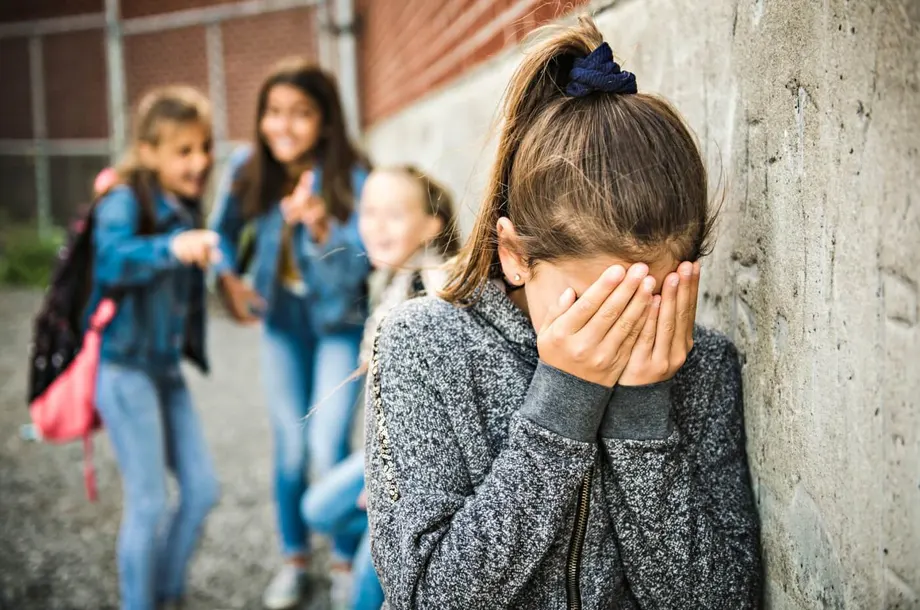
Student deaths bring school safety into focus
Eight-year-old Khris Topel Butarbutar in Riau and 15-year-old Muhammad Raja Afnan in South Sulawesi died in May 2024 after alleged assaults by other students. Their deaths, followed by renewed scrutiny of violence in boarding schools and medical training, put a painful question before Indonesia: how can institutions responsible for education keep failing to protect the people learning inside them?
Contents
- Student deaths bring school safety into focus
- Two families seek answers after elementary school deaths
- Violence across classrooms, boarding schools and universities
- What the figures show about bullying and violence
- How power and home life shape bullying
- Why boarding school oversight matters
- Prevention teams exist in policy, but gaps remain
- Medical residents face abuse and mental health pressures
- Teachers need accountability and support
- Protection depends on families, peers and reliable reporting
- Key Points
Indonesia's response includes a 2023 requirement for educational institutions to establish Violence Prevention and Handling Teams, known as TPPKs. Yet education researchers and teachers' representatives describe schools without these teams and others where the teams become active only after violence occurs.
The figures show the scale of the concern. The Network for Education Watch Indonesia (JPPI) recorded 573 bullying cases in schools and Islamic boarding schools in 2023, compared with 285 in 2022. A 2018 Programme for International Student Assessment (PISA) survey found that 41 percent of Indonesian students experienced bullying at least several times a month, compared with an average of 23 percent across OECD countries.
As of June 14, 2025, the problem described across these cases extends from elementary classrooms to universities. It includes alleged assaults between students, violent punishment by teachers, and abuse within the seniority structures of medical education. The consequences range from fear and isolation to serious injury and death.
Families, teachers, school leaders and government agencies all have roles in prevention. The central challenge is turning rules into protection that students can actually use, including ways to report mistreatment without fearing retaliation and adults who respond before injuries become fatal.
Two families seek answers after elementary school deaths
Khris was a second grader at SDN 12 Buluh Rampai State Elementary School in Riau. He reportedly experienced repeated bullying connected to his religion and ethnicity. After an alleged beating by older students, he developed severe symptoms and died in hospital.
His father, Gimson Butarbutar, described learning about the alleged assault from his son's friends after Khris initially remained silent about what had happened.
He didn't initially tell me what was making him sick, but when I spoke to his friends, they said he had been beaten by four older students about a week earlier.
Less than a week after Khris died, Raja, a sixth grader at SDN Maccini Sawah State Elementary School in Makassar, died following five days in hospital. His family reported multiple bruises and burn marks on his body.
Raja eventually disclosed that two elementary school students and one junior high school student had assaulted him. Both deaths were under police investigation, with authorities questioning numerous witnesses and conducting autopsies to determine the exact causes of death. The causes remained matters for those investigations.
The families' accounts also show a practical difficulty in protecting children: adults may learn about violence only after a child becomes seriously ill. Khris did not initially tell his father about the alleged beating, while Raja revealed the alleged assault after his family had seen injuries.
Violence across classrooms, boarding schools and universities
In February 2024, 14-year-old Bintang Balqis Maulana died after senior students beat him over three days at an Islamic boarding school, or pesantren, in East Java. His death prompted outrage on social media and brought attention to students' vulnerability in religious education as well as secular schools.
Fatal incidents involving adults have also exposed dangers within school discipline. A 14-year-old student in North Sumatra died after being forced to perform 100 squat jumps as punishment. In Blitar, a 13-year-old pesantren student died after a teacher struck him with a wooden plank.
Universities face their own concerns. In August 2024, the suicide of Dr. Aulia Risma Lestari, a 30-year-old medical resident at Diponegoro University in Semarang, Central Java, brought renewed attention to bullying and hazing in medical education. Earlier cases included Albertus Berfan at Airlangga University.
The incidents span different ages and institutions, but share a concern about power: younger students, junior doctors and children subject to punishment can depend on the same people who mistreat them. That dependence makes speaking up especially difficult.
The main developments described in 2023 and 2024 followed this timeline:
- 2023: The education ministry required educational institutions to establish Violence Prevention and Handling Teams.
- February 2024: Bintang Balqis Maulana died after beatings over three days at a pesantren in East Java.
- May 2024: Khris Topel Butarbutar and Muhammad Raja Afnan died after alleged assaults by other students.
- August 2024: Aulia Risma Lestari's suicide brought scrutiny to bullying and hazing in medical residency training.
What the figures show about bullying and violence
JPPI's recorded bullying cases rose from 285 in 2022 to 573 in 2023, more than doubling in one year. Its figures cover schools and Islamic boarding schools, showing that concern about violence reaches across different parts of the education system.
The Federation of Indonesian Teachers' Unions (FSGI) recorded 30 bullying cases in 2023, up from 21 in 2022. Its records included fatalities at elementary and junior high school levels. JPPI and FSGI each recorded an increase, although their case totals were different.
The Indonesian Child Protection Commission (KPAI) reported that approximately 21,000 children were victims of violence in 2024, a 34 percent increase from the previous year. It reported that 17 percent of these cases occurred within educational institutions, with 9 percent involving bullying by peers.
The 2018 PISA survey provides a different view by asking students about their experiences. It found that 41 percent of Indonesian students reported being bullied at least several times a month. The OECD average was 23 percent, making Indonesia's figure 18 percentage points higher and nearly twice that average.
Fear, stigma and limited trust in authorities can keep incidents out of official or organisational records. A 2022 study found that only 13.54 percent of students experiencing bullying felt brave enough to report it. For a child who expects retaliation or embarrassment, even an existing complaint process may feel out of reach.
The figures therefore sit alongside a problem of silence. Recorded cases depend on someone coming forward or an incident becoming known, while students' own accounts reveal experiences that may never become formal complaints.
How power and home life shape bullying
Older or more powerful students often target younger or more vulnerable peers. School hierarchies can reinforce this imbalance, particularly where supervision is weak. A student facing a group of older pupils may have little practical ability to stop the abuse without adult help.
Family circumstances can also affect children's behaviour and vulnerability. Dysfunctional family relationships, parenting that is excessively controlling or gives few boundaries, and exposure to violence at home can increase the risk of a child becoming a bully or a victim. Parental loss and divorce can also be traumatic experiences.
Some perpetrators struggle with insecurity, family problems or emotional pain and use bullying to gain control or seek approval. Understanding those pressures is part of prevention, alongside protecting victims and holding perpetrators responsible for their actions.
Bronfenbrenner's ecological theory offers a way to understand these connections. It explains that children develop within several connected environments, including their family, school and peer group. Problems in communication, emotional support or family relationships can influence how they behave and how they respond to mistreatment.
Schools can make these risks worse when staff dismiss bullying as harmless teasing or blame the victim. Such attitudes leave children without a dependable adult response and allow harmful behaviour to become accepted within everyday school life.
Why boarding school oversight matters
Islamic boarding schools have been the setting for several fatal bullying cases. Concerns include weak oversight, institutions operating without registration, and reluctance by authorities to intervene in religious settings. Together, these conditions can leave violence without an effective response.
Bintang's death in East Java and the death of the student struck by a teacher in Blitar show that the danger can involve both other students and adults. Protection therefore requires attention to relationships between pupils as well as the conduct of teachers and other staff.
Indonesia's size, cultural diversity and remote regions make consistent application of policies against bullying more difficult. Rules need to reach institutions with different management arrangements and local conditions, including religious and boarding schools.
Children in every setting need supervision, an accessible route to report abuse and a response that takes their safety seriously. Registration and oversight concerns make the enforcement of those protections a central part of the debate about boarding school violence.
Prevention teams exist in policy, but gaps remain
The Ministry of Education, Culture, Research and Technology introduced the TPPK requirement in 2023. These teams are intended to protect students, investigate incidents and support victims. Their work is meant to include prevention as well as action after violence has occurred.
Anggi Afriansyah, an education expert at the National Research and Innovation Agency (BRIN), described gaps both in establishing teams and in making them useful.
A lot of schools have not formed TPPKs. On the other hand, many TPPKs established in schools are not effective to prevent school violence as they're only active when bullying cases occur.
Teachers often lack training to recognise early signs of bullying or intervene appropriately. Some continue to regard it as normal childhood behaviour, while others blame children for being targeted. A team on paper cannot compensate for staff who fail to take a complaint seriously.
Effective prevention requires teachers and school leaders to recognise mistreatment early, act on reports and provide support to the child affected. Consistent enforcement also means ensuring that schools, including religious and boarding institutions, establish teams that work throughout the school year.
Medical residents face abuse and mental health pressures
Medical residency is the stage of training in which doctors develop specialist skills. In Indonesia, concerns about bullying during this training include verbal abuse, excessive workloads and financial exploitation of junior doctors by their seniors.
Health Minister Budi Gunadi Sadikin acknowledged the depth of the problem and the number of complaints reaching him.
Bullying had become a deeply rooted problem among medical schools in the country, as he had received numerous reports on such practices.
Surveys among medical residents indicated that roughly one in five suffered from depression. Health Ministry surveys put the proportion at more than 22 percent, with a significant number experiencing suicidal thoughts or contemplating suicide.
A strict seniority structure, long working hours and financial pressure can create an environment where mistreatment becomes normal and junior doctors hesitate to report it. Aulia's death and the earlier case involving Albertus Berfan brought these conditions into public view.
Budi has called for an end to the toxic seniority culture and promised firm action against bullies. The Health Ministry has launched a call centre for reporting bullying and taken disciplinary action against dozens of perpetrators.
Calls for reform also focus on transparency, acknowledgement of the problem and changes in institutional culture. For junior doctors, that means a training environment where complaints can be raised without the hierarchy itself becoming a barrier.
Teachers need accountability and support
Teachers and school staff can stop bullying, but the fatal punishment cases show that adults can also perpetrate violence. The deaths following 100 squat jumps in North Sumatra and a blow with a wooden plank in Blitar make staff conduct part of the same safety problem.
Retno Listyarti, head of the FSGI advisory board, linked continuing violence to attitudes carried into teaching despite legal protections for children.
There are laws that clearly ban violence against children, but it keeps on happening because it's a mentality problem. Many of [these teachers] were victims of violence themselves growing up, but they don't realize that this is a problem.
Heavy workloads, low wages and job insecurity place some teachers under considerable stress. Those pressures help explain calls for better support and mental health resources, alongside accountability for violent conduct.
Proposals include regular mental health checks for teachers, continued training in violence prevention and clear reporting channels for students. Training needs to help staff recognise bullying, respond appropriately and distinguish acceptable discipline from violence against children.
Protection depends on families, peers and reliable reporting
Victims can experience depression, anxiety, low self-esteem and social isolation, as well as physical injuries. Severe bullying can lead to suicide or lasting psychological trauma. Support therefore needs to address emotional harm alongside immediate physical safety.
Parents have a role in maintaining open communication, teaching moral values and supervising children's social interactions. Khris's initial silence and the low reporting rate found in the 2022 study show why opportunities to talk matter.
Schools are being urged to establish firm policies against bullying, educate students and staff about its dangers, and provide a supportive environment for victims. Peer counsellors, students trained to support classmates, can offer emotional support and help raise awareness.
Community organisations and the media also have a role in challenging the acceptance of violence and encouraging empathy and respect. Public education campaigns can connect those efforts with the work of families and schools.
The proposed changes combine stronger enforcement, teacher training and support, safe reporting channels, and accountability for individuals and institutions that fail to protect children. Further research and better data collection can help identify the prevalence, causes and consequences of bullying and guide policy and practice.
Indonesia already has regulations and reporting initiatives. The practical task is to make them dependable across classrooms, boarding schools and medical training, so that a student who asks for help receives protection before the harm grows.
Key Points
- Khris Topel Butarbutar and Muhammad Raja Afnan died in May 2024 after alleged assaults; police were investigating the causes of death.
- Fatal violence has affected elementary schools, junior high schools, pesantren and university medical training.
- JPPI recorded 573 bullying cases in 2023, compared with 285 in 2022; FSGI recorded an increase from 21 to 30.
- KPAI reported approximately 21,000 child victims of violence in 2024, an increase of 34 percent.
- The 2018 PISA survey found frequent bullying among 41 percent of Indonesian students, compared with the OECD average of 23 percent.
- Prevention teams required since 2023 remain absent or ineffective in many schools, according to BRIN researcher Anggi Afriansyah.
- Health Ministry surveys found depression among more than 22 percent of medical residents; the ministry has opened a reporting call centre and disciplined dozens of perpetrators.
- Proposed reforms focus on enforcement, safe reporting, accountability, teacher support, family involvement and better research.