A Small Island With a Large National Role
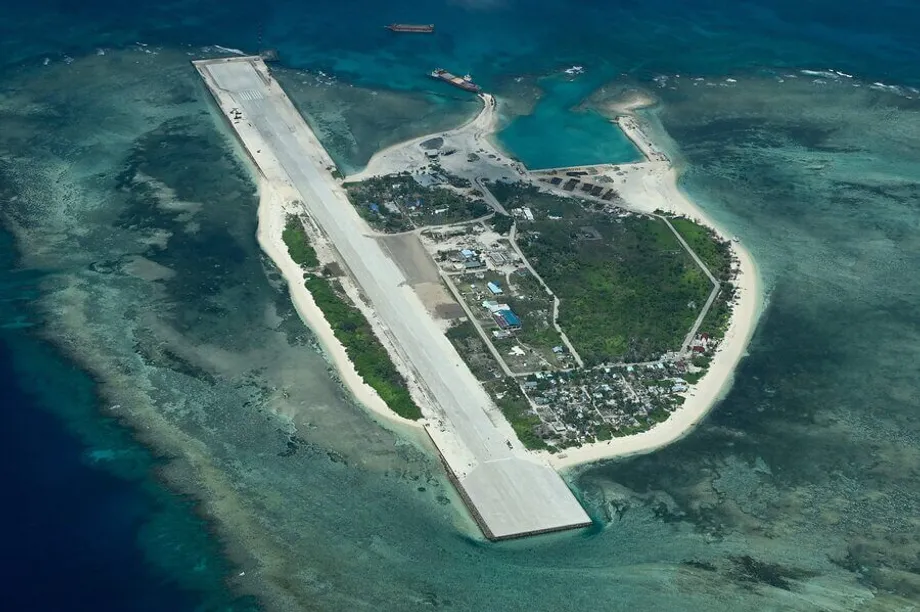
Nearly 400 Filipino civilians live on Thitu Island, known locally as Pag-asa, where China's base on Subi Reef lies just 12 nautical miles away. Their homes, fishing boats, school and gardens form a small community at the center of the South China Sea dispute. For residents, the contest over territory reaches into everyday decisions about earning money, obtaining supplies and raising children.
Contents
- A Small Island With a Large National Role
- Why Thitu Matters in the South China Sea
- How Families Manage Remote Island Life
- Residents See Staying as an Act of Patriotism
- Chinese Vessels Shape Daily Security Concerns
- Fishing Restrictions Change Household Incomes
- Settlement, Construction and Tourism
- Women Take a Larger Community Role
- A Determination to Remain
- Key Points
Pag-asa means "hope" in Tagalog. The name carries particular weight on this remote outpost in the Spratly Islands, where the Philippine government has encouraged civilian settlement to strengthen its sovereignty claim. People who stay describe their presence as both a commitment to their home and a statement that the island belongs to the Philippines.
As of June 10, 2025, infrastructure improvements and the prospect of tourism offer opportunities for the community. A concrete runway, a sheltered port, new school buildings and a health center are among the projects under construction. Residents nevertheless continue to face limited electricity, homes without running water and deliveries that depend on the weather.
Chinese vessels nearby add another layer of uncertainty. Fishermen describe being blocked or chased away from fishing grounds, leaving some households increasingly dependent on government work, gardens and small businesses. Women are taking on a larger share of earning money and organizing community life as fishing becomes harder.
The island's importance therefore extends beyond its location on a map. Its civilian population gives the Philippine presence a daily rhythm: children attend school, families prepare meals, workers tend vegetables and fishing boats head out when conditions allow. Keeping that community supplied and secure is part of maintaining the country's position in the disputed waters.
Why Thitu Matters in the South China Sea
Thitu is the largest Philippine-occupied feature in the Spratly archipelago, a collection of atolls and reefs claimed by the Philippines, China, Vietnam, Taiwan, Malaysia and Brunei. The wider South China Sea is a major international shipping route and an important fishing ground. It is also believed to contain substantial oil and natural gas reserves.
Control over these waters consequently carries both economic and strategic value. Fishing supports coastal livelihoods, while shipping connects markets across national borders. The possibility of oil and gas adds another reason governments seek to protect their claims.
China claims almost the entire South China Sea through its so-called nine-dash line, including waters within the Philippines' exclusive economic zone, or EEZ. An EEZ is a maritime area where a country has rights over resources, including fish, oil and gas. The overlap between those rights and China's claims helps explain why access to fishing grounds has become a source of confrontation.
In 2016, an international tribunal in The Hague rejected China's sweeping claims. Beijing has continued expanding its presence, building artificial islands and military outposts. Its large base on nearby Subi Reef brings that expansion close to the people living on Thitu.
How Families Manage Remote Island Life
Thitu's population has grown steadily, supported in part by government incentives that include rice subsidies and free transportation. Residents make their living through fishing, farming on a small scale and government employment. Many homes are simple structures made from plywood and scrap metal.
Palawan, the nearest major Philippine island, is the source of supplies that must arrive by ship or aircraft. Rice, vegetables, medicines and fuel all depend on those deliveries. Transport costs make groceries expensive, and bad weather can delay replenishment.
Storms and typhoons turn household stockpiles into a necessity. Families rely on canned goods and dried fish when deliveries cannot get through. Even in ordinary weather, island life requires planning around what is available and when the next shipment can arrive.
Electricity comes from a diesel generator and is available for a fee, but supply remains limited. Homes have no running water, while internet access is limited to a public Wi-Fi center. The combination makes services that many households elsewhere take for granted less dependable here.
Children attend a modest school, and a clinic staffed by a nurse and a midwife provides basic health care. Serious medical emergencies require evacuation to the mainland. Pregnant women must also return to the mainland for childbirth, and most children eventually leave the island to continue their education.
Residents See Staying as an Act of Patriotism
Elmer Bania, a government worker who moved to Thitu in 2012, describes the civilian community's presence as a peaceful form of defiance. His attachment to Pag-asa combines a personal claim to home with a national commitment.
We're not going to let China take over Pag-asa. This is our home! Filipinos do not yield to anyone.
Bania's words reflect a sense of duty that also reaches the island's children. Many dream of joining the military to defend their homeland. Their ambitions grow in a place where ordinary community life and the country's territorial concerns are closely connected.
Residents weigh that sense of purpose against practical hardships. Leaving can mean easier access to services, education or supplies, yet staying preserves a community they value. For many families, belonging and responsibility help explain why a difficult place to live remains home.
Chinese Vessels Shape Daily Security Concerns
Chinese ships are a constant presence just beyond the horizon, sometimes shadowing Filipino fishing boats or remaining near the pier. Residents report seeing Chinese coast guard vessels, drones and helicopters monitoring their activities.
Local accounts of ships blocking or chasing Filipino fishermen give those sightings an immediate meaning. A vessel nearby can affect whether a fishing trip continues, where a boat goes and how much a family brings home. Security concerns are tied directly to the work that once formed the backbone of the island's economy.
Elsewhere in the Spratlys, dangerous confrontations in recent years have included ramming and water cannon attacks against Philippine vessels. Those incidents form part of the wider setting in which Thitu's residents make decisions about going to sea and preparing for trouble.
The Philippine armed forces stationed on the island have given male residents basic military training. Community drills and lectures on security and environmental issues have also become part of island life. Children are taught to remain vigilant, bringing awareness of the dispute into the youngest generation's daily experience.
Fishing Restrictions Change Household Incomes
Chinese patrols have pushed Thitu's fishermen closer to shore, where catches are smaller. Waters near Sandy Cay and other sandbars are effectively off-limits because of the risk of confrontation. Losing access to those grounds reduces the options available to families that depend on fishing.
A smaller catch affects more than the person operating the boat. It can reduce household income and make other sources of work more necessary, particularly on an island where groceries already cost more because they must be transported from elsewhere.
Noraida Badilla, who moved to Thitu in 2009, now works for the municipal government growing vegetables. Her earnings supplement her husband's shrinking fishing income. Her household illustrates how families are adjusting their work as access to fishing grounds becomes less reliable.
Other women have taken jobs in government, gardening and small businesses. The shift gives them a larger role as breadwinners and community leaders. Economic necessity is changing traditional gender roles while creating opportunities for women to make more decisions about their families' livelihoods.
Settlement, Construction and Tourism
The Philippine government opened Thitu to civilian settlement in 2002 and to tourists in 2023. Encouraging people to live there supports its sovereignty claim, while opening the island to visitors creates another possible source of income for residents.
Key dates show how civilian life and the wider dispute have developed:
- 2002: Thitu opened to civilian settlement.
- 2009: Noraida Badilla moved to the island.
- 2012: Government worker Elmer Bania moved to Thitu.
- 2016: An international tribunal in The Hague rejected China's sweeping South China Sea claims.
- 2023: Thitu opened to tourists.
Infrastructure has improved slowly. Construction of a concrete runway, sheltered port, new school buildings and a health center reflects the effort to support a permanent community. No completion dates are given for those projects.
Some residents have converted their homes into homestays for visitors. Local associations are planning bakeries and souvenir shops to support tourism. These activities offer ways to earn money beyond fishing, although daily life still depends on supplies transported from Palawan.
Women Take a Larger Community Role
The Spratly's Strong and Brave Women Association, known as SSBWA, is set to operate a bakery and manage homestays. Its planned work connects women's growing economic role with the island's efforts to welcome visitors.
Women are also running gardens, food stalls and even clinics. Their work supports both household incomes and services that the community needs. As fishing becomes riskier, these roles place women more firmly at the center of the island's economic and social life.
Badilla's vegetable growing and the association's tourism plans show two different responses to the same pressure. One helps supplement income through municipal work and food production; the other looks to visitors and small businesses. Together, they show how residents are broadening their livelihoods while remaining on the island.
A Determination to Remain
The Philippine military maintains a presence on Thitu, and infrastructure upgrades continue. Even so, the gap between the island and China's massive artificial islands and military bases remains stark. Residents live with that contrast while managing the ordinary demands of work, school and family care.
Larry Hugo, head of the local fisherfolk association, expresses the community's determination to stay despite the pressure on fishing and the difficulties of remote island life.
We will not leave the island, no matter what happens.
For Hugo and other residents, Pag-asa is more than a strategic outpost. It is a home and a statement of national identity. Their resolve rests alongside practical needs: dependable supplies, access to fishing grounds, medical care and opportunities for children. The island's future is tied to both that commitment and the continued work of sustaining a civilian community.
Key Points
- Thitu, or Pag-asa, is the largest Philippine-occupied feature in the Spratlys and home to nearly 400 Filipino civilians.
- China's large base on Subi Reef lies just 12 nautical miles away.
- Chinese patrols restrict fishing opportunities, pushing boats toward waters closer to shore where catches are smaller.
- Families depend on supplies from Palawan and face limited electricity, no running water at home and basic medical services.
- Women are taking larger roles in government work, gardens, businesses and community leadership.
- Civilian settlement began in 2002, tourism opened in 2023, and infrastructure construction continues.
- Residents describe staying as a commitment to their home and the Philippines' claim to the island.