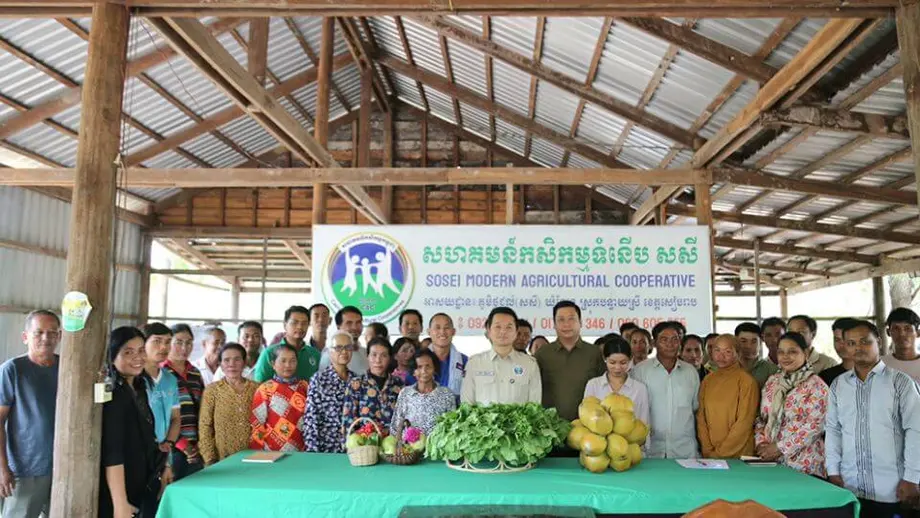
Three Years of Funding to Expand Agricultural Credit
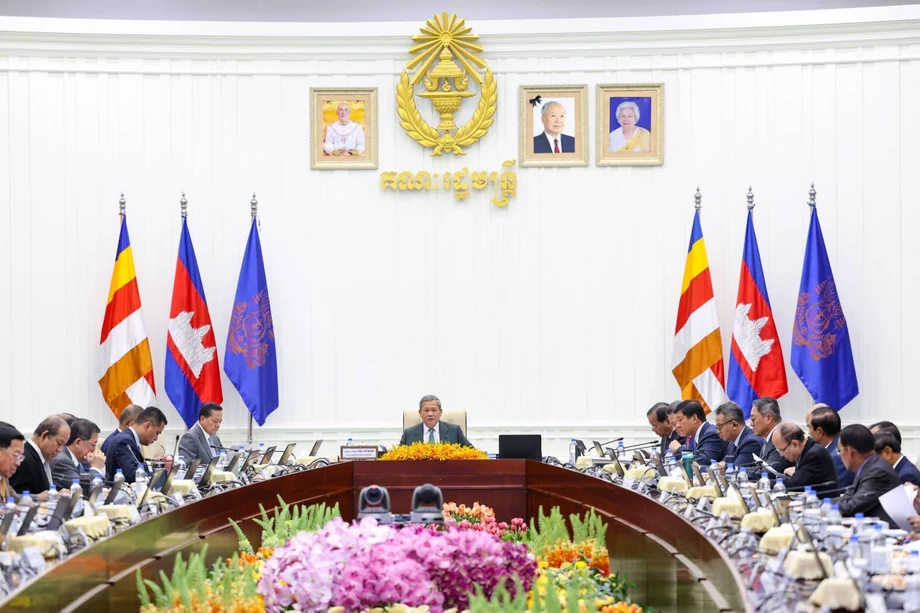
Cambodia has allocated an additional $35 million over three years, from 2025 to 2027, to support modern agricultural communities through loans carrying annual interest of around 7%. Prime Minister Hun Manet announced the funding during a joint session of the National Assembly and Senate on June 3, 2025.
Contents
- Three Years of Funding to Expand Agricultural Credit
- What the Loans Are Intended to Support
- Hun Manet Sets Out the Government's Aim
- Seven Provinces and 11,421 Hectares
- Rice, Cashews, Vegetables and Pepper Lead the Program
- Five More Communities Planned by the End of 2025
- A Policy Built on Earlier Agricultural Changes
- What the Investment Seeks to Change for Farmers
- Key Points
The investment aims to improve the quality and competitiveness of Cambodian agriculture while helping farmers reach markets. It will give participating communities access to financing for advanced farming techniques, a wider range of crops and improvements in productivity.
Six modern agricultural communities are already benefiting from government backed loans totaling approximately $1.9 million. The additional allocation is intended to extend that support to more communities across the country.
The government places the funding within a broader effort to modernize agriculture and make the sector more resilient to climate change, changes in global markets and natural disasters. For farmers, those goals connect two practical needs: being able to finance production and being able to sell what they grow.
What the Loans Are Intended to Support
The $35 million will provide loans to modern agricultural communities, with an annual interest rate of around 7%. Borrowing carries a cost: at that rate, $1,000 outstanding for a full year would generate about $70 in interest, before allowing for repayments or any other loan terms. The announcement did not specify repayment schedules, eligibility requirements or when applications for the additional funding would open.
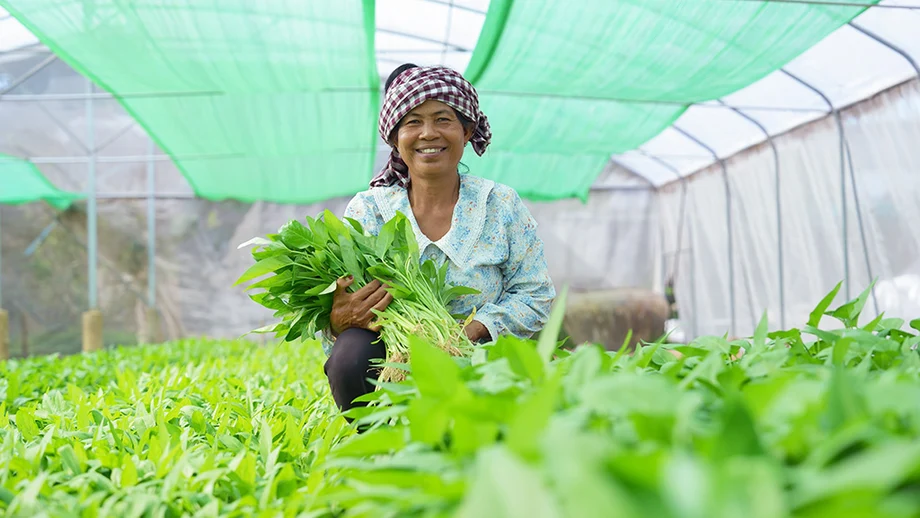
Participating communities are expected to use the financing to invest in advanced farming methods, diversify their crops and increase productivity. Productivity means getting more output from the resources used in farming, such as land, labor and equipment.
The government presents the loans as affordable credit that can help agricultural communities make these investments. The $35 million is a financing allocation over three years, while the approximately $1.9 million represents loans already supporting six communities.
Hun Manet Sets Out the Government's Aim
Prime Minister Hun Manet linked the additional budget to wider access to financing and changes in how communities farm. Explaining the government's commitment, he said:
The government is committed to supporting the modernization of agriculture by expanding access to affordable financing. This $35 million budget will enable more communities to adopt advanced farming techniques, diversify crops, and improve productivity.
The statement brings together three parts of the policy: access to money, investment in farming practices and a broader choice of crops. The intended result is an agricultural sector that can produce competitively and respond to changing market conditions.
Market access is another central goal. Growing more produce is only one part of improving farm incomes; farmers also need opportunities to sell it. The government expects organized community structures to help connect production with those opportunities.
Seven Provinces and 11,421 Hectares
As of June 10, 2025, Cambodia had officially registered 2,601 modern agricultural communities across seven provinces: Siem Reap, Kampong Thom, Takeo, Kampong Chhnang, Kandal, Tbong Khmum and Pursat.
The communities collectively cultivate 11,421 hectares, with annual output valued at nearly $20 million. Those figures describe both the area under cultivation and the value of what is produced. Output value is the value of production, while farmers' income also depends on the costs involved in producing it.
Twelve new communities have been established in 2025. Their creation forms part of the government's effort to expand participation in the program and organize more agricultural production through community structures.
The existing loan support reaches six communities. The additional budget is intended to bring financing to more participants, helping them invest in production and strengthen their access to markets.
Rice, Cashews, Vegetables and Pepper Lead the Program
Four strategic crops are the current focus: rice, cashew nuts, vegetables and pepper. The government also plans to broaden the program to other crops of high value, including rubber and durian.
Crop diversification means growing a wider range of products. Within this initiative, it is intended to increase farmers' income and widen the range of agricultural goods Cambodia can export.
The planned expansion keeps a focus on both production and sales. Credit can support changes on farms, while the community structure is intended to improve access to buyers. The government's objective is to make those parts work together so that investments in farming contribute to stronger rural livelihoods.
Five More Communities Planned by the End of 2025
The government plans to establish five additional modern agricultural communities by the end of 2025. These will focus on cashew and rice crops in provinces including Siem Reap, Banteay Meanchey, Oddar Meanchey and Battambang.
The expansion is expected to bring more farmers into the program and increase agricultural productivity. It also extends the planned activity into provinces beyond the seven listed in the existing registration figures.
The main dates and milestones are:
- Late 1980s: Cambodia began shifting from broad agricultural development toward more targeted strategies.
- June 3, 2025: Hun Manet announced the additional $35 million during a joint session of the National Assembly and Senate.
- By June 10, 2025: Twelve new communities had been established during the year, and six communities were benefiting from approximately $1.9 million in loans.
- By the end of 2025: Five additional communities are planned, focusing on cashew and rice.
- 2025 to 2027: The additional $35 million is allocated to support modern agricultural communities over three years.
A Policy Built on Earlier Agricultural Changes
Cambodia's investment builds on agricultural policy changes dating to the late 1980s. The country shifted from broad development efforts toward more targeted work involving irrigation, improved seed varieties, mechanization and tax incentives.
These measures address different parts of farming. Irrigation supplies water to crops, improved seeds support production, and mechanization involves using machinery for agricultural work. Tax incentives are intended to encourage investment by reducing certain tax costs.
The government credits those efforts with helping Cambodia achieve food security and avoid food crises during difficult periods, including the COVID-19 pandemic and recent geopolitical tensions. Food security means people have access to enough food to meet their needs.
The new funding continues that focus on agricultural capacity, with community financing now used to support investments in farming practices, crop choices and productivity.
What the Investment Seeks to Change for Farmers
Agriculture employs a large share of Cambodia's population and is a major driver of rural development. The government sees support for modern agricultural communities as a step toward an economy in which farming responds more closely to market demand and can sustain growth over time.
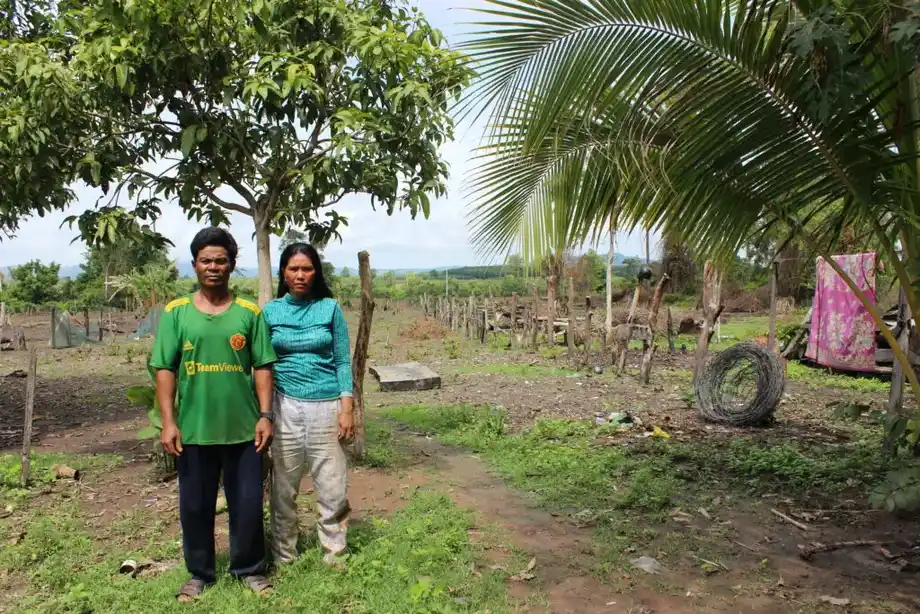
For farmers and agricultural cooperatives, the intended benefits include better access to affordable credit, greater use of modern technologies and farming practices, and opportunities to diversify into crops of higher value. Improved market access through organized communities is another expected benefit.
The government also aims to strengthen resilience to climate change and external economic shocks. In practical terms, resilience means being better able to continue farming and recover when weather, disasters or market conditions disrupt production or sales.
The wider goals are a more sustainable and prosperous rural economy, lower poverty and stronger national food security. The program connects those ambitions to specific tools: loans, investment in farming, crop diversification and community organization.
Key Points
- Cambodia has allocated an additional $35 million for modern agricultural communities over 2025 to 2027.
- Loans carry annual interest of around 7%; six communities already receive approximately $1.9 million in loan support.
- The government lists 2,601 registered communities across seven provinces, cultivating 11,421 hectares and producing output worth nearly $20 million annually.
- Twelve new communities were established in 2025, with five more planned by the end of the year.
- Rice, cashew nuts, vegetables and pepper are the current priorities, with rubber and durian among the planned additions.
- The initiative aims to improve productivity, farmers' income, market access, rural development and resilience while supporting food security.