Turning Nostalgia Into Audio
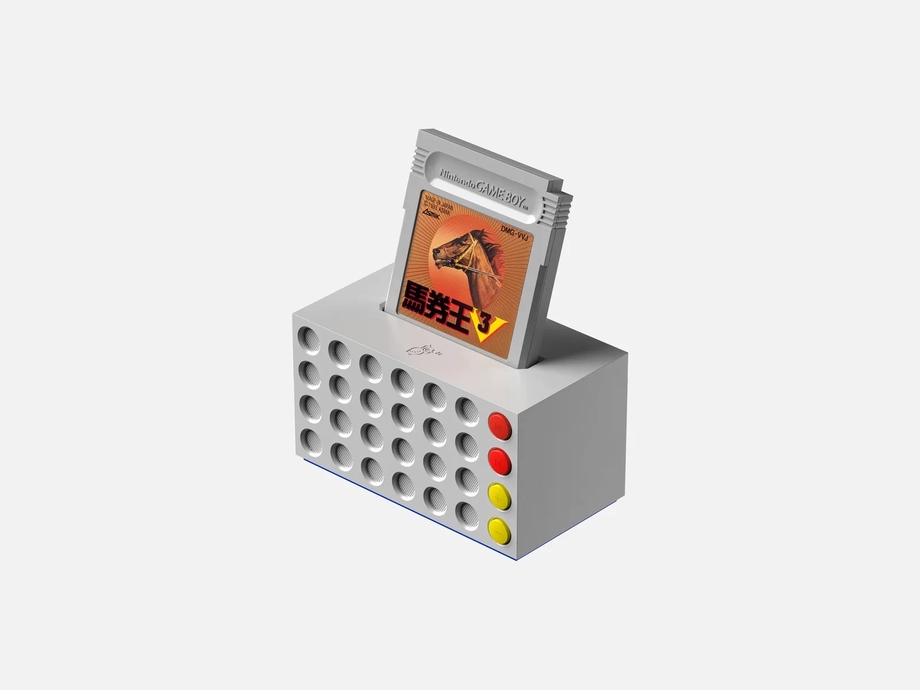
A new device called the Retro Song Bird turns classic Nintendo Game Boy cartridges into standalone speakers and audio sources. The project, created by developer Brandon Malicoat and his company Bird Cartel, is currently running a crowdfunding campaign on Kickstarter. It allows users to insert their own physical game cartridges directly into the device to play soundtracks and sound effects without needing a console. The campaign has already surpassed its funding goal, with over 100,000 dollars in pledges as of November 2026.
Contents
Malicoat emphasizes that the device is independent from Nintendo. It does not require official approval nor does it contain copyrighted game code within the hardware itself. Instead, it reads data from the user's own cartridges. This distinction is important for collectors who want to preserve their physical media libraries while enjoying the music without relying on streaming services like Spotify or Apple Music, which often lack older game scores.
The Retro Song Bird is independent from Nintendo, has no official approval, and does not contain copyrighted game code. Playback is limited to what the user owns.
The device supports more than 1,900 games. It uses accurate register-level sound emulation to play the audio channels exactly as the original hardware would. This includes two square-wave channels, a wave channel, and a noise channel. Users can control playback with physical buttons for next, previous, and volume adjustments.
Hardware Capabilities and Connectivity
Beyond simple playback, the Retro Song Bird offers significant connectivity options for audio enthusiasts and digital audio workstation (DAW) users. The device features a 3.3 millimeter stereo line-out port for connecting to external hi-fi systems or soundbars. It also includes a USB Type-C port that exposes all four audio channels as separate USB streams. This allows users to import these streams into a computer to isolate specific melodies or sound effects.
Developers and musicians can use the device to remix music from cartridges. The hardware supports LSDj, a software toolkit for creating chiptune music, and allows for DJ-style sync between two units. This means two Retro Song Bird devices can be linked to perform live sets using cartridges instead of traditional vinyl records.
The device also doubles as a webcam. By connecting the original Game Boy Camera to the unit, users can stream video at a resolution of 128 by 112 pixels at five frames per second. Other planned features include an alarm mode, a log of every cartridge inserted, and the ability to back up and restore save files. The device also supports over-the-air updates to add new features as they become available.
Pricing for the project starts at 79 dollars for the standard model. An early bird tier of 59 dollars, which has already sold out, offered a discount for early backers. A two-unit bundle is available for 150 dollars. Shipping is expected to begin in April 2027 for the standard version and May 2027 for special editions.
Manufacturing and Risks
While the concept is proven through hand-assembled prototypes, the project is still in the pre-production phase. Malicoat and his team note that the hardware design may change before mass production begins. This is a common occurrence in hardware crowdfunding campaigns. The final product might differ slightly from the prototypes shown.
Manufacturing risks include component availability and the need to find suitable partners for producing injection-molded enclosures. These factors can impact the final cost and timeline. Backers should be aware that a pledge does not guarantee delivery by the stated date. However, the campaign has already attracted significant attention, with over 100,000 dollars raised from more than 400 backers.
Target Audience and Use Cases
The Retro Song Bird targets retro audio hobbyists, game collectors, and preservation-minded users. It provides a physical-media solution for soundtracks that have never made it onto streaming platforms. Collectors who have spent years building libraries of cartridges can now use them as audio archives rather than just shelf decorations.
For digital music creators, the ability to extract individual channels offers creative possibilities. The open API allows developers to build custom applications for the device. This ensures the hardware remains adaptable and relevant as new software updates are released.
Timeline and Expectations
The campaign runs until December 16, 2026. If successful, production will move to assembly and testing. The team aims to ship the first units in April 2027. Special versions of the device will follow in May 2027. Backers will receive updates on manufacturing progress and shipping schedules via the campaign page.
Malicoat expressed confidence in the project's potential to validate a niche market. He hopes the device will encourage users to revisit their old cartridges and appreciate the music within them. The project represents a practical bridge between vintage gaming hardware and modern audio equipment.
The Bottom Line
- The Retro Song Bird Kickstarter campaign has raised over 100,000 dollars.
- The device plays soundtracks from over 1,900 Game Boy cartridges without a console.
- Pricing starts at 79 dollars with shipping expected in April 2027.
- Features include USB audio streaming, line-out, and Game Boy Camera webcam support.
- Manufacturing risks remain as the design may change before mass production.