Resilience Behind the Luxury Facade
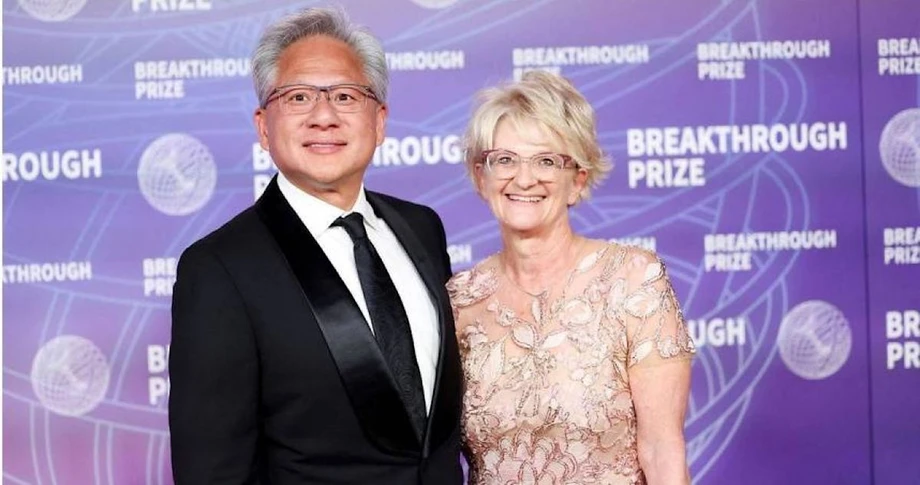
A private video from 2019 captured a different side of the Huang family long before the headlines arrived. The footage shows Jensen Huang standing in the kitchen of his beige-toned residence, greeting visitors with a bottle in hand. Beside him, his wife Lori, dressed in a dark floral dress and holding a glass, chats with guests. The home featured a grand piano by the window, a private wine cellar filled with bottles, and a courtyard with a swimming pool. Later, Wang Zhengyi, founder of the Dragon Hearts Foundation, recalled these moments with support. She described Lori as a hospitable hostess who would face major challenges with dignity. The video revealed details about the family home, including a light blue Ferrari in the garage and family photos on the wall. Wang noted that despite life developments not always going as planned, she believed Lori would handle the situation well.
Contents
The revelation of the old video coincided with a period of intense public scrutiny. Jensen Huang has been purchasing real estate since the late 1980s, spending approximately 55 million dollars on properties in San Jose, San Francisco, and Maui. His wife of 41 years has been a constant presence at company events. The video did not mention the specific scandals directly, but it offered a glimpse into the environment where the family has built its life. The details about their assets and the family dynamic have become a focal point of public discussion.
As the story developed, the focus shifted from the home to the boardroom and the political arena. The board of Nvidia met to discuss the future of its leader. They received updates from the highest levels of the United States government regarding the national security questions surrounding the company. The board's decision was unanimous and immediate. They confirmed that Jensen Huang would return to his roles as president, chief executive officer, and a member of the board.
The news came as a relief to many in the technology sector. Investors and employees watched the market closely as the situation unfolded. The stock of Nvidia jumped significantly following the announcement of the reinstatement. This movement reflected confidence in the leadership that founded the company in 1993. The board stated that they had every confidence in Jensen Huang to lead the company through what they described as a new industrial revolution. They noted that his return was in the best interests of stockholders, employees, partners, and customers.
I am honored to return to NVIDIA and lead one of the most consequential technology companies in the world at the beginning of a new industrial revolution.
Jensen Huang released a statement welcoming the board's decision. He expressed gratitude to the board for its confidence and deliberation. He acknowledged the role of the executive search firm Heidrick and Struggles, which had been retained to evaluate potential candidates. The involvement of the search firm had initially led many to believe he would be replaced. His statement emphasized humility and a renewed commitment to the company. He thanked his family, particularly his wife Lori, for her love and support during his absence. He also thanked the employees and industry partners for their extraordinary support. The statement signaled a clear intention to resume work and lead the company forward.
The reinstatement marked a reversal of the board's earlier position. Just six days prior, board chairman Harvey C. Jones had stated that the board had no intention of bringing him back. That statement had caused the market to drop significantly. The change in direction was driven by new information and conversations. The board had held extensive discussions and interviews with Huang over the weekend. These discussions convinced the directors of his candor and his continuing ability to lead. The federal assurances regarding national security were also critical in the decision-making process.
A Political Intervention and National Security Questions
President Donald Trump played a prominent role in the aftermath of the resignation. He urged the company to take Jensen Huang back and publicly stated that the CEO had worked it out with his wife. Trump described Lori as a very good wife and a fantastic woman. He suggested that Huang had made a mistake by stepping down, noting that sex sells better than stocks. The president compared the situation to his own life, having been married to his second wife Marla Maples after an affair with the first.
He has got a very, very, very good wife, and they have worked it out.
Trump emphasized that the country needed Jensen Huang's leadership to ensure the success and prosperity of both the company and the American economy. He tasked Vice President JD Vance with holding private discussions with the CEO during the weekend. Vance helped secure the assurances that the board needed regarding the national security risk. Trump posted images of the CEO, including a modified photo showing him grasping a red bra, to symbolize the support.
The national security aspect was a major concern for the government. The Attorney General of the United States confirmed that there was no evidence that Huang had engaged in any unlawful conduct. The Attorney General and the Director of National Intelligence were aware of the investigation before the president intervened. They understood the stakes and did not want to make a decision that could be undone by future indictments. The president noted that all those involved knew about the situation and that the federal government had no reason to believe his return posed a risk.
The Attorney General of the United States has confirmed that the US Government does not possess evidence that he has engaged in any unlawful conduct.
The investigation had focused on the potential ties between the company and China. Intelligence officials suspected that one of the women involved in the CEO's personal life had been a source for Chinese intelligence. They believed she was deployed to extract sensitive intelligence from the leader while steering business decisions. Beijing had denied the allegations, calling the business legitimate and lawful. The government's review concluded that the company's actions did not violate export controls in a way that threatened national security.
The Complexities of the Espionage Investigation
The core of the national security concern involved a Singapore-based cloud computing company. The company had purchased billions of dollars worth of processors from Nvidia over two years. Investigators traced the movement of these chips through Southeast Asia. A server that arrived legally in Singapore could still be rented out, resold, or quietly moved to a Chinese buyer. This pipeline raised concerns about the diversion of technology for military purposes in the rival nation.
The Commerce Department and the Justice Department led the inquiry. The Bureau of Industry and Security enforced the export rules. They interviewed the executive director of the cloud company during an on-site check in mid-2025. The inquiry revealed a network of individuals and business associates. One business associate was charged over a scheme to send the chips to China through neighboring Malaysia. The process involved complex trade rules and licensing requirements that limited who could receive the sensitive technology.
The potential listing of the cloud company on the U.S. trade blacklist was a key development. A blacklist entry would mean that American companies needed government permission before selling products to them. Licenses were likely to be refused in such cases. The move was expected to take effect shortly after the CEO's return. It underscored the seriousness with which the government viewed the potential leakage of data and technology.
The investigation also looked at the broader impact on the artificial intelligence industry. The chips in question were accelerators that performed heavy calculations for systems that recognized patterns and supported new weapons research. The concern was about advancing the AI capabilities of the adversary. The government wanted to ensure that the country maintained its technological edge. The board's decision to reinstate the leader was seen as a vote for continuity in this critical area.
Employee Reaction and Corporate Culture
The return of the CEO was met with enthusiasm inside the Silicon Valley headquarters. Employees gathered in the building's atrium and cheered loudly. The atmosphere was one of relief and celebration. A social media post showed a prominent industry figure standing beside the CEO, surrounded by staff. The visit was not accompanied by any formal announcements regarding new orders or investments, but the visual impact was strong.
One engineer, Darrell Dai, had resigned just days earlier in protest of the leadership change. He had announced his decision publicly, praising the early commitment to software platforms that allowed graphics chips to handle general computing. His resignation had become a topic of discussion. He later congratulated the CEO and admitted his timing had been poor. He stated that he did not want to rush into another large decision and would weigh his future. His potential return added to the narrative of a company in a state of flux and renewal.
The board had addressed the concerns of the workers in their statement. They acknowledged the leadership of the interim chief executive and the executive staff. They thanked the employees for their extraordinary support during the brief period of disorder. The statement highlighted the importance of the human element in the corporate governance of the tech giant. The employees viewed the return of the founder as a stabilizing force.
I am going to be a better CEO the second time around.
The CEO also addressed the workforce directly in his statement. He thanked the board chairman and the interim chief executive. He recognized the executive search firm for its role in providing a thorough evaluation. He expressed his deep gratitude to the shareholders and industry leaders. His comments were directed at all stakeholders, from the boardroom to the factory floor. The message was clear: the leadership was back, and the focus would return to the core business of artificial intelligence.
Financial Impact and Market Dynamics
The market reacted swiftly to the news. The stock of the company surged by approximately thirty percent in the days following the announcement. This movement erased the losses incurred during the period of uncertainty. The company had lost a significant amount of market capitalization, roughly one trillion dollars, at the height of the turmoil. The recovery reflected the belief that the leader was essential to the company's growth.
Investors had been watching the quarterly earnings call closely. During that session, the board chair had ruled out bringing the founder back. That statement had caused the market to drop. The reversal came as a surprise to many analysts. The board's confidence in the leadership was seen as a positive signal for the future. The focus shifted back to the expansion of the artificial intelligence boom and the role of the company in it.
The financial stakes were high. The company was one of the most valuable in the world. Its processors trained and ran the largest AI models. The leadership of the founder was seen as crucial for maintaining the market position. The board's decision to reinstate him was a vote of confidence in the existing strategy. It avoided the risks and costs associated with a complete leadership overhaul.
Without that, it would have been a lot easier because that got the attention.
The president's comments about the personal side of the situation resonated with the business community. He suggested that the personal conduct of the leader was less important than the strategic direction. He noted that the personal conduct had fallen short of some standards, but it was not a fatal flaw. The board had to balance the cultural norms of the company with the practical needs of the business. The decision to bring him back was seen as a pragmatic choice.
Path Forward for the Tech Leader
The CEO has pledged to lead the company with humility. He acknowledged the support of his family and the industry. He expressed his eagerness to get back to work and oversee the expansion of the business. The focus will be on maintaining the technological edge and ensuring the prosperity of the American economy. The national security questions remain under review, but the immediate crisis has passed.
The investigation into the company's compliance with export controls will continue. The board has urged the company to conduct a thorough internal investigation. This will ensure that the company is protecting its national security interests. The process involves reviewing the purchasing practices and the movement of technology. It aims to prevent any future violations or leaks. The government's oversight will be a key factor in the coming months.
The relationship between the leader and his wife is expected to remain strong. The president's comments about the wife being a very good spouse have been widely cited. The family has been a source of stability for the company. The children of the couple now hold key positions within the high-priority business units. Their involvement adds to the sense of a family-oriented leadership structure.
The market will continue to watch the company closely. The performance of the stock and the strategic direction of the business will be the key metrics. The leadership team has the mandate to move forward. The board has expressed its full confidence in the direction. The return of the founder marks a new chapter for the artificial intelligence industry.
The events of the past two weeks have demonstrated the resilience of the corporate structure. The board acted decisively to address the concerns. The political intervention provided a boost to the confidence in the leadership. The employees have rallied behind the return of the leader. The customers and partners have expressed their support. The path forward appears to be clear.
The national security implications of the technology trade will remain a topic of debate. The government's stance on the potential espionage has been firm but measured. The avoidance of harsh penalties for the company has been welcomed by the industry. The balance between open trade and security will continue to shape the landscape. The company is well-positioned to navigate the challenges.
The personal life of the leader has been scrutinized, but it has not overshadowed his professional capabilities. The scandals were handled with transparency. The board's investigation was thorough. The decision to reinstate him was based on merit and strategic necessity. The leadership has the backing of the board, the government, and the market.
Key Points
- The board of Nvidia unanimously reinstated its co-founder as CEO on November 23, 2026.
- The decision followed an 11-day period of uncertainty and political intervention.
- President Trump publicly supported the return of the leader and his wife.
- The company's stock surged by approximately thirty percent following the announcement.
- National security concerns regarding China were addressed by federal assurances.
- The leadership team pledged to continue the focus on artificial intelligence and export control compliance.
- Employees and investors have expressed confidence in the return of the founder.