US Trade Commission Orders Ban on Samsung Devices in Patent Dispute
The US International Trade Commission voted on November 24, 2026, to impose an import ban on Samsung Electronics smartphones and tablets that infringe a camera focus patent held by Japan Maxell Ltd. The commission determined that Samsung violated Section 337 of the Tariff Act of 1930 by importing products that used technology covered by US Patent No. 11,490,004. The patent, titled "Mobile device interface control," covers a feature where a guide or frame appears around subjects in the camera viewfinder. The ruling affects products sold under the Samsung brand that utilize this specific technology, rather than being limited to specific model names alone.
Contents
The ban is currently subject to a 60-day presidential review period, which officially began on November 25, 2026. During this window, the US Trade Representative and the President can approve, disapprove, or take no action on the commission's determination. If the orders become final, which is expected around late January 2027, Samsung will be barred from importing infringing products or selling them through its US subsidiary without a license. Samsung has the option to appeal the decision to the Federal Circuit or negotiate a licensing agreement with Maxell to avoid the restrictions.
Specific Impact on Galaxy S25 and Galaxy Tablets
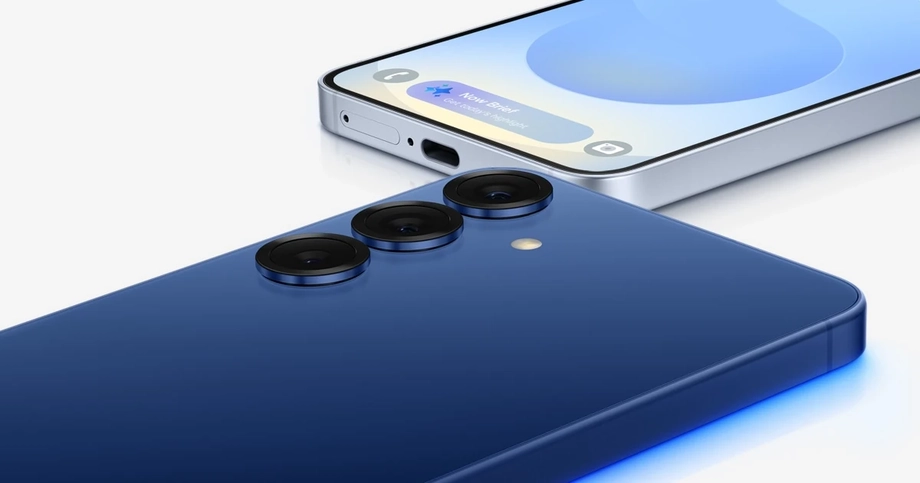
The immediate impact of the ruling focuses on the Galaxy S25 series, which includes the Galaxy S25, S25+, and S25 Ultra, as well as select Galaxy Tab models. The import ban targets units that contain the specific camera focus technology in question. However, the commission issued exemptions to protect consumers and existing supply chains. Phones that have already been sold to customers are not affected by the ban. Additionally, the orders exempt repair and warranty replacements for products purchased before the orders become final.
Crucially, Samsung has redesigned its camera system to circumvent the patent. Units that receive a software update to the new camera app are considered non-infringing and are exempt from the ban. This distinction is vital for the US market. Older units still running the original camera app version remain at risk of being blocked at customs. The commission also issued a cease-and-desist order targeting Samsung Electronics America, Inc., which aims at preventing further sales of infringing products within the domestic market after importation.
Timeline of the Patent Dispute and Legal Process
The dispute between the two companies has a long history. Maxell and Samsung Electronics have been locked in a multi-jurisdiction patent dispute since late 2023. Maxell filed its initial complaint with the US International Trade Commission in December 2024, accusing Samsung of infringing on six patents. The investigation covered various claims, including patents related to mobile terminals and camera interfaces.
The following timeline outlines the key procedural milestones in the current case:
- January 23, 2025: The US International Trade Commission institutes the investigation (Inv. No. 337-TA-1432) based on Maxell's complaint.
- February 3, 2026: The commission terminates the investigation as to specific claims of the asserted patents, narrowing the focus to the remaining disputed technologies.
- July 1, 2026: The Administrative Law Judge issues a final initial determination, finding a violation of Section 337 regarding the '004 patent.
- July 13, 2026: Maxell files a new lawsuit in a separate investigation, adding six additional patents against Samsung smartphones and tablets.
- July 24, 2026: Maxell files an amended complaint in the second investigation.
- August 12, 2026: The commission formally institutes the second investigation (Inv. No. 337-TA-1516) for mobile electronic devices.
- August 31, 2026: The commission votes to review portions of the Administrative Law Judge's determination in the first case.
- November 24, 2026: The commission issues its final determination and votes to impose the import ban.
- November 25, 2026: The 60-day presidential review period begins.
During the review period, Samsung can continue importing products by posting a bond. The commission recommended setting this bond at zero percent, allowing Samsung to keep its supply chain moving without financial penalty until the review concludes.
Maxell's Broader Patent Strategy
Maxell claims to hold approximately 6,000 smartphone patents and has been seeking a comprehensive licensing agreement with Samsung since 2021. The company alleges that Samsung alone has refused to sign a licensing deal while other Android smartphone manufacturers, including Motorola, have entered into such agreements. Maxell argues that Samsung is using its considerable financial resources to exhaust the smaller Japanese company through prolonged litigation.
Maxell has not limited its legal action to the current dispute. In July 2026, the Japanese company filed a second ITC complaint alleging that Samsung infringes six other smartphone patents. This new complaint names newer devices, including the Galaxy S26+, Galaxy Z Fold7, and Galaxy Z Flip7. A ruling on this second complaint is expected to take one to two years, potentially impacting Samsung's future product launches.
Another layer of the dispute involves the patent prosecution process itself. Samsung alleges that Maxell concealed unfavorable information during the process of obtaining its patents. Specifically, Samsung points to US Patent No. 12,418,692, which Maxell inherited from Hitachi. Samsung argues that the technology is merely a combination of previously disclosed technologies. To investigate these claims, the US District Court for the District of Columbia authorized the taking of testimony from three Maxell employees in Tokyo, with proceedings scheduled for early December 2026.
Consumer Impact and Market Outlook
For US consumers, the ban does not mean an immediate disappearance of Galaxy S25 devices from store shelves. The 60-day review period provides a buffer, and the exemptions for existing sales and warranty repairs ensure that current owners are not inconvenienced. The most significant change for consumers is the availability of new units. Importers must demonstrate to customs authorities that the products are non-infringing, likely through the new redesigned camera app version.
Historical precedents suggest that presidential reversals of ITC rulings are rare. In 2023, the ITC ordered a ban on certain Apple Watch models over a blood oxygen patent, and the Biden administration did not veto the ruling. Similarly, the current administration may choose to uphold Maxell's claim. If the ban takes effect, Samsung has several options. It can push a mandatory software update to strip the disputed element from every affected phone, which is a cost-effective solution compared to court fights. Alternatively, it can pay Maxell for a license, a route Motorola has already taken.
The outcome of this case has broader implications for the technology sector. It highlights how established patent portfolios can be used to restrict market access for major manufacturers. Maxell's success demonstrates that even a company with less than 22% of the US smartphone market can successfully challenge a dominant player like Samsung. The dispute also underscores the importance of patent licensing in the global supply chain, where a single design feature can become a point of contention worth billions in potential sales.
Key Points
- The US International Trade Commission has ordered an import ban on Samsung Galaxy S25 and select tablet models due to patent infringement.
- The ruling specifically targets US Patent No. 11,490,004, concerning camera viewfinder guide frames.
- A 60-day presidential review period began on November 25, 2026, during which imports can continue with a zero percent bond.
- Devices with redesigned camera systems and units already sold are exempt from the ban.
- Maxell has filed a second complaint against newer Samsung models, including the Galaxy S26+ and Z Fold7.
- Samsung can appeal the ruling, negotiate a license, or update its software to avoid the import restrictions.