Prime Minister Sets Course for 56.3 Trillion Yen Defense Budget
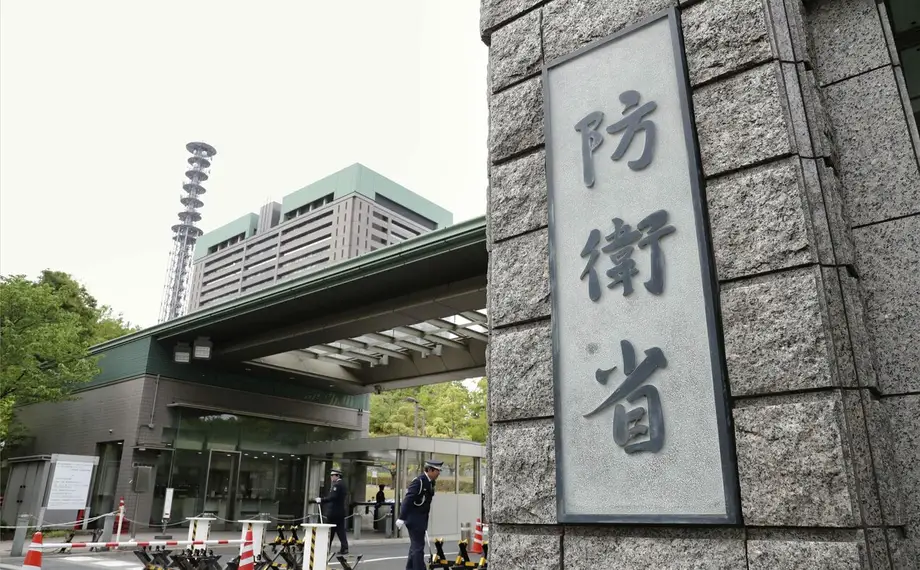
Prime Minister Sanae Takaichi is steering Japan toward a defense spending package of 56.3 trillion yen over five years, a figure that significantly undercuts the defense ministry's aspirations while drawing concern from the United States. The government aims to finalize this amount within the end of the year as it revises three core security documents, with Takaichi expected to issue the final directive to the defense and finance ministries by early December.
Contents
While 56.3 trillion yen represents a nominal increase from the current 43 trillion yen budget covering fiscal years 2023 to 2027, critics argue that currency fluctuations and rising costs mean the real purchasing power for new military capabilities has not grown substantially. The debate pits the prime minister's focus on fiscal sustainability against the defense ministry's push for a more robust military posture capable of deterring regional threats.
The proposed amount falls well below the 70 trillion to 80 trillion yen range estimated by the defense ministry as necessary to fund new equipment and systems. This discrepancy has sparked internal friction within the ruling coalition and set the stage for a critical dialogue with the Trump administration when Pentagon chief Pete Hegseth visits Japan from December 8.
The Gap Between Ambition and Fiscal Reality
The defense ministry originally calculated that Japan needed between 75 trillion yen and 80 trillion yen to effectively modernize its forces. That calculation included massive procurement of drones, ammunition, and missiles to prepare for potentially protracted conflicts. Takaichi's office, however, viewed that high range as financially burdensome given the country's broader economic goals.
The prime minister's team has prioritized securing funds for a planned consumption tax rate cut on food items, a key campaign pledge that requires substantial government outlays. By capping the defense budget, Takaichi ensures that money remains available for these social measures and other economic growth investments in artificial intelligence and semiconductors.
The ruling Liberal Democratic Party and its junior coalition partner, the Japan Innovation Party, have both raised alarms about the lower figure. The Japan Innovation Party is demanding at least 70 trillion yen, pushing for hawkish security policies. The LDP is calling for an increase but has not set a specific number, leaving the final judgment to Takaichi.
The defense ministry's initial budget request was considered unrealistic by some officials, who began informing major contractors that weapons procurement from fiscal 2027 would be significantly reduced. Some firms were even told to expect order cuts of up to 80 percent.
Defense Minister Shinjiro Koizumi noted that procurement costs are inevitably increasing due to rising prices and a weak yen. The yen's exchange rate has hovered around 159 yen to the dollar, a significant departure from the 108 yen rate used when the current five-year budget was pegged. This weakness reduces Japan's purchasing power for foreign-made weapons and materials.
Washington's Quiet Pressure and the 3.5 Percent Target
The United States is watching the Japanese budget negotiations closely. The Trump administration has urged allies to raise defense spending to 3.5 percent of gross domestic product. That target would require Japan to spend more than 20 trillion yen annually, a massive hike from current levels.
While President Donald Trump has not demanded a specific percentage from Takaichi or Koizumi directly, the U.S. side has conveyed behind the scenes that a budget below 60 trillion yen may not be sufficient to fund Japan's defense ramp-up. Pentagon officials have made it clear that they expect Japan to take more responsibility for its national security.
The issue of defense spending is likely to be a central topic when Hegseth meets with Koizumi on December 9. The two ministers will also likely discuss the costs associated with maintaining U.S. forces on Japanese soil, adding another layer of financial negotiation to the talks.
Some officials believe Japan is holding up its end of a tacit agreement regarding gradual spending increases. However, if the final figure settles at 56.3 trillion yen, Washington may interpret it as Japan giving up on boosting its deterrence capabilities prematurely.
Market Reaction and Industrial Impact
Financial markets reacted sharply to the news. Defense-related stocks rebounded on November 27 after initial anxiety about the lower budget eased. Mitsubishi Heavy Industries shares rose 4.61 percent, while Kawasaki Heavy Industries and IHI saw significant gains as investors bought back into the sector.
The market relief came from the realization that the budget, while lower than the defense ministry's wish, was not as small as the worst-case scenarios suggested. Investors had feared the budget might settle in the low 50 trillion yen range. The 56.3 trillion yen figure was viewed as a solid baseline that leaves room for future adjustments.
For the domestic defense industry, the budget size directly impacts future order books. Companies like Mitsubishi Heavy Industries carry substantial backlogs of orders, but new contracts for fiscal 2027 onward will define their growth trajectory. If the budget remains tight, firms may need to scale back investment plans in certain areas, though core technologies like joint stealth fighter jets and AI are seen as protected.
Key Dates and Next Steps
The decision process is moving quickly toward a conclusion. The timeline for the final budget determination follows these key milestones:
- November 27: Market reacts to the 56.3 trillion yen report, with defense stocks rebounding.
- December 1: Ruling parties hold working-level talks to discuss the scale of defense spending.
- Early December: Prime Minister Takaichi issues the final directive to the defense and finance ministries.
- Mid-December: Cabinet approval of the revised three security documents, which will formalize the budget figures.
- December 8 to 9: U.S. Defense Secretary Hegseth visits Japan, setting the stage for bilateral negotiations on defense costs.
What Remains Unknown
Despite the progress, several details are still fluid. It is not yet certain if the 56.3 trillion yen figure will be adjusted upward before the cabinet officially approves the documents. Takaichi retains the authority to increase the budget if she determines the current amount falls short of security needs or if U.S. pressure mounts.
Additionally, the specific allocation of funds across different programs, such as the balance between domestic production and foreign imports, has not been fully detailed. The government also needs to clarify how much of the budget is dedicated to fixed costs, including personnel and food, which are expected to rise.
Looking Ahead at the Strategic Shift
Japan is attempting a delicate balancing act. The country must strengthen its military capabilities in response to China's growing assertiveness and North Korean threats, all while maintaining fiscal health at home. The 56.3 trillion yen proposal reflects a commitment to gradual, sustainable growth rather than a rapid, expensive expansion.
Whether this approach satisfies the U.S. demands and domestic expectations remains the central question. The upcoming talks with Washington and the final budget directive will determine if Japan can build a credible deterrent without overburdening its economy.
What to Know
- Japan is setting its five-year defense budget to 56.3 trillion yen, a figure lower than the defense ministry's 80 trillion yen target.
- The U.S. has expressed concern that the amount may be too low, especially with the Trump administration pushing for 3.5 percent of GDP spending.
- Prime Minister Sanae Takaichi prioritizes fiscal sustainability and a consumption tax cut over maximum defense spending.
- Rising costs due to a weak yen mean the nominal budget increase does not translate fully into new purchasing power.
- U.S. Defense Secretary Hegseth will visit Japan in early December to discuss the budget and allied defense costs.
- Ruling parties are pushing for a higher budget, with the Japan Innovation Party demanding at least 70 trillion yen.