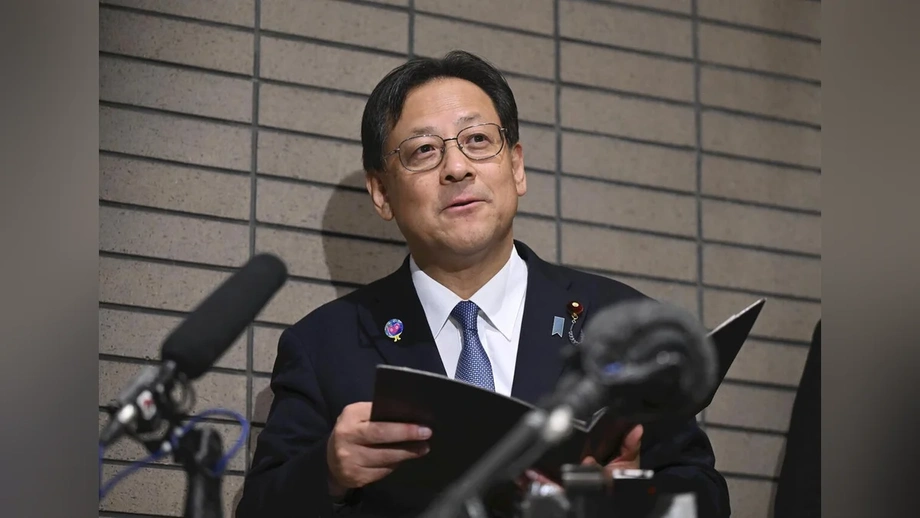
Political Future of Education Minister Hangs in the Balance
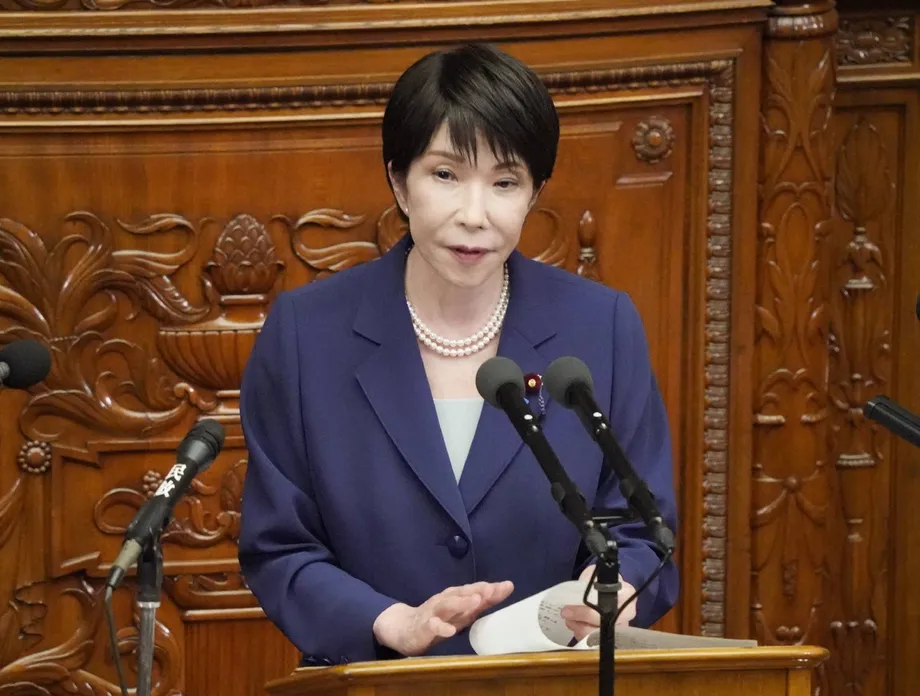
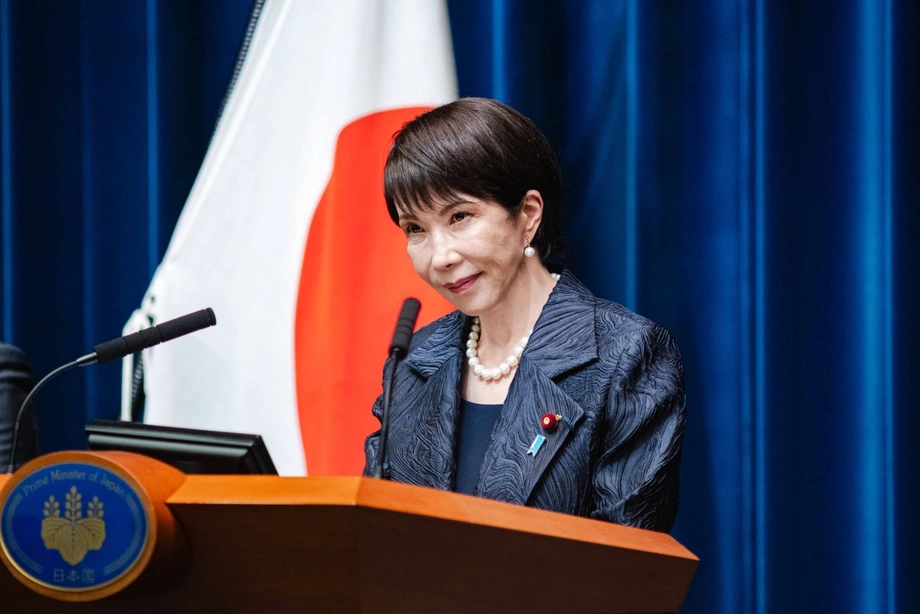
Yoshihiro Seki, Japan's Minister of Education, Culture, Sports, Science and Technology, is facing mounting pressure to resign after a political fundraising party scandal disrupted parliamentary proceedings in late November 2026. Opposition parties and ruling Liberal Democratic Party executives have intensified scrutiny surrounding corporate fundraising events where ministry bureaucrats were invited to participate. Prime Minister Sanae Takaichi faces difficult political choices as the ruling coalition attempts to secure the passage of critical legislation before the current parliamentary session ends on December 12, 2026.
Contents
The controversy stems from political fundraising gatherings organized by Seki, where attendees paid 90,000 yen per person while government officials were present. Japanese parliamentary rules restrict politicians from holding political fundraising events inside parliamentary office buildings, a regulation overseen by the House of Representatives. According to the ministry's official record published on October 13, 2026, Seki previously held gatherings inside the House of Representatives Members Office Building in December 2020 and June 2024. During an official press conference documented in that record, Seki stated that he initially believed these meetings did not violate the specific prohibition on commercial activities or fundraising events within parliamentary facilities, though he later acknowledged receiving contrary guidance from parliamentary administrative staff.
Public scrutiny intensified significantly when investigations and media reports revealed that the frequency of these events was higher than initially disclosed. Seki initially told parliamentary committees that government officials had attended his fundraising events on two separate occasions in 2024. However, on the evening of November 20, 2026, Seki admitted to reporters that government officials had actually attended three additional events in 2024 alone, bringing the total known recent instances to five. When questioned by journalists about records prior to 2023, Seki stated that detailed records no longer exist, while confirming that attendance for events in 2025 and beyond is still under review.
Ruling Party Executives Signal Need for Replacement
Shunichi Suzuki, secretary-general of the ruling Liberal Democratic Party, expressed strong dissatisfaction with the handling of the disclosures during a news conference held in Morioka on Saturday, November 22, 2026. Suzuki criticized the minister for failing to secure public understanding and noted that correcting or supplementing parliamentary testimony outside of the legislature damages public trust. Suzuki emphasized that the primary objective for the administration is securing the enactment of vital economic and administrative bills before the December 12 deadline.
Suzuki made his position clear regarding the necessity of removing obstacles to legislative progress. As reported during his Morioka press conference, Suzuki stated that eliminating impediments to bill passage is the most crucial priority for the ruling coalition.
It is crucial to eliminate as many obstacles as possible to the enactment of the bills. We will make decisions based on that.
Senior ruling party officials have privately echoed these sentiments, suggesting that protecting a single cabinet minister carries little political benefit compared to the passage of major legislative packages. Prime Minister Takaichi instructed Chief Cabinet Secretary Minoru Kihara to interview Seki directly regarding the circumstances of the fundraising events, though the prime minister initially adopted a wait-and-see approach regarding immediate disciplinary action.
Opposition Parties Unite Over Censure Motion Preparations
Opposition groups have coordinated their legislative strategies to challenge the education minister's continued tenure. On November 18, 2026, parliamentary affairs committee leaders from six opposition parties convened at the national diet to discuss a unified response. Following the meeting, Yoshihiko Saito, parliamentary affairs committee chairman for the Constitutional Democratic Party of Japan, told reporters that the opposition would evaluate Seki's explanations and Prime Minister Takaichi's accountability before determining whether to formally submit a censure motion in the House of Councillors.
Yuichiro Tamaki, leader of the opposition Democratic Party for the People, reinforced this stance during a visit to Kumamoto on November 22, 2026. Tamaki stated that the handling of the fundraising events and the insufficient explanations provided by the minister warranted the submission of a censure motion in the upper house. Tamaki urged Seki to step down voluntarily to prevent severe disruptions to parliamentary deliberations on upcoming financial relief legislation.
The political fallout arrives shortly after the departure of another cabinet member. About a month prior to the current controversy, then-agriculture minister Kazuo Yana resigned following parliamentary criticism over controversial remarks regarding local infrastructure budgets in Tochigi Prefecture.
Legislative Deadlines Complicate Political Calculations
The timing of the scandal presents a severe challenge for the minority ruling coalition in the House of Councillors. The current parliamentary session is scheduled to conclude on December 12, 2026, leaving less than three weeks to enact two legislative priorities: a bill reducing the consumption tax on food items and a structural reform bill cutting 31 proportional representation seats in the House of Representatives.
Deliberations on the consumption tax reduction bill require extensive committee review. While lower house discussions spanned approximately 30 hours, upper house special committee deliberations totaled only 12 hours as of November 19, 2026. Ruling coalition leaders aim for enactment by early December, but daily negotiations are proving difficult as scheduling beyond late November remains unconfirmed.
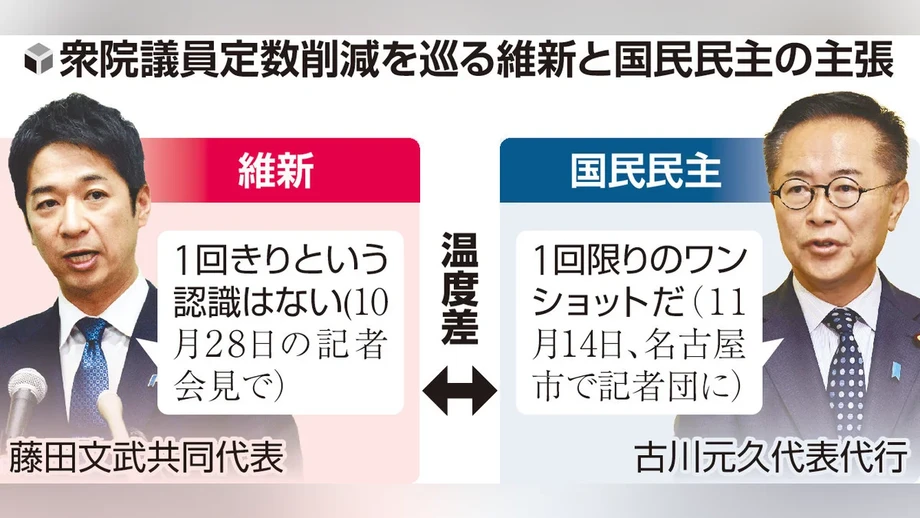
The proportional representation reduction bill represents a core policy goal for the Japan Innovation Party. Although the ruling party seeks to pass this measure through the lower house around November 27 with support from the Democratic Party for the People, smaller opposition parties whose electoral base relies on proportional seats are strongly resisting the move. Ruling coalition members fear that forcing a vote on electoral reform could derail negotiations on the food tax reduction bill, creating a congested and volatile legislative endgame.
The exact text of the ministry's official record published on October 13, 2026 is as follows:
「現行の衆議院選挙制度の見直しのための公職選挙法の一部を改正する等の法律案」(衆法 第222回国会 3、2026年11月12日提出)の法案要綱、条文、新旧対照表等の内容
The full text of the proposed bill cutting 31 proportional representation seats is:
現行の衆議院選挙制度の見直しのための公職選挙法の一部を改正する等の法律案
Timeline of Key Developments
- October 13, 2026: Education Minister Yoshihiro Seki addresses parliamentary office building fundraising events during an official press conference.
- November 18, 2026: Parliamentary affairs leaders from six opposition parties meet to discuss potential censure motions.
- November 20, 2026: Seki admits to reporters that government officials attended three additional fundraising events during 2024.
- November 21, 2026: LDP Secretary-General Shunichi Suzuki hints at replacing Seki during a press conference in Morioka.
- November 22, 2026: Democratic Party for the People leader Yuichiro Tamaki publicly declares the situation worthy of a censure motion.
The convergence of ethical inquiries, opposition coordination, and tight legislative deadlines creates a precarious environment for the administration. Because Seki was previously disciplined with a reprimand from the party over financial accounting controversies linked to the former Abe faction, removing a second self-appointed cabinet minister directly damages the political standing of Prime Minister Takaichi. The administration must balance the political cost of retaining a controversial minister against the legislative necessity of clearing parliamentary obstacles before the December deadline.
The Bottom Line
- Education Minister Yoshihiro Seki is facing intense pressure to resign following revelations that government officials attended multiple political fundraising parties.
- Ruling LDP Secretary-General Shunichi Suzuki hinted at the possibility of replacing Seki to prevent disruptions to key legislative agendas.
- Opposition parties, including the Constitutional Democratic Party and the Democratic Party for the People, are actively preparing to submit a censure motion in the upper house.
- The current parliamentary session is set to close on December 12, 2026, leaving the ruling coalition struggling to pass food tax reduction and electoral reform bills amid political turmoil.