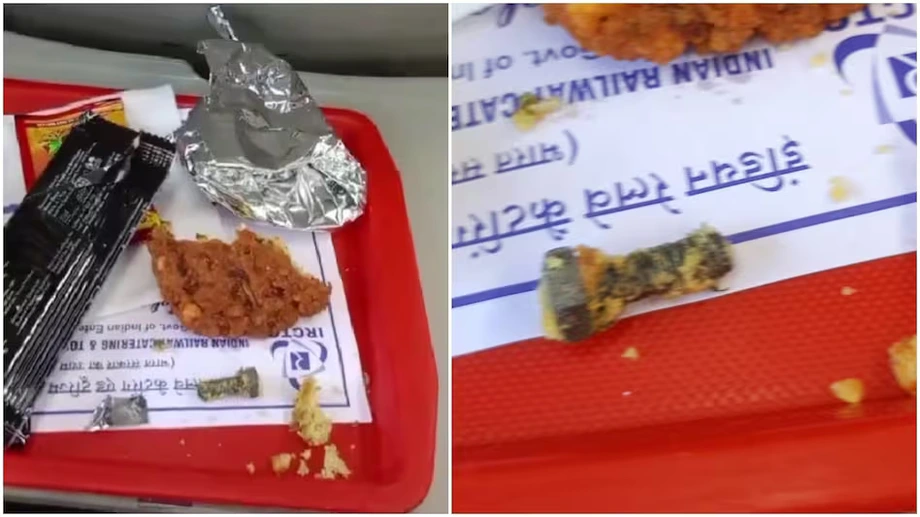
A Rusty Bolt in the Vada
Samarth Kodial was travelling from Bengaluru to Belagavi on the Vande Bharat Express when he discovered a large, rusty metal bolt lodged inside a vada served as part of his meal. The incident occurred on Train No. 26752 on Friday, November 27, 2026. Kodial posted photographs and a short video on the social media platform X, tagging Indian Railways and the Indian Railway Catering and Tourism Corporation (IRCTC). The visuals showed a half-eaten vada on a foil tray next to the corroded bolt. The post described the incident as a serious lapse in food quality and demanded immediate investigation.
Contents
"A large bolt found in Vada in the Vande Bharat meal while travelling from Bengaluru to Belagavi today. This is a huge lapse in food quality. Please look into this matter," Kodial wrote.
The discovery sparked immediate debate about hygiene standards in railway catering. Swallowing a metal bolt can cause choking or internal injuries. Passengers questioned how such a foreign object could pass through the kitchen checks before serving. The incident highlights the risks of relying on external service providers for food preparation.
IRCTC Response and Kitchen Inspections
IRCTC responded quickly to the complaint. The body expressed regret over the inconvenience and confirmed that strict punitive action had been taken against the external service provider responsible for the meal. The specific identity of the provider was not disclosed. The response instructed kitchen staff to strictly adhere to the Standard Operating Procedures (SOPs). Officials were also directed to conduct a thorough inspection of the kitchen unit. The instructions emphasized checking all equipment before food preparation begins to prevent similar occurrences.
The response highlighted the importance of adhering to SOPs. These procedures are designed to ensure that food safety standards are met during every stage of preparation. The directive to inspect equipment is a key measure to prevent foreign objects like bolts from entering the food supply chain.
Social media users reacted with a mix of sarcasm and serious concern. One user jokingly referred to the bolt as an iron supplement. Another called the snack a screw you vada. The viral nature of the post underscored public expectations for quality on premium trains like the Vande Bharat Express.
Menu Rules and Food Service Standards
Food on Vande Bharat Express is not free but is included in the ticket price if passengers opt for it. The catering charges vary based on the travel class and the time of day. Executive Class passengers receive premium items like soup and fruit in high-quality tableware. Chair Car passengers receive standard meals in aluminum foil packaging. The current system allows passengers to purchase food onboard if they selected the no food option during booking, though an additional fee applies for full meals.
IRCTC updated its rules in 2026. The extra service fee for morning tea was removed. Passengers now pay just 15 rupees for tea. Full meals cost 50 rupees more if bought onboard without pre-booking. The 2-hour delay rule ensures passengers receive free food if the train is late due to technical or operational reasons.
Safety Concerns and Digital Audits
The incident raises questions about the safety of food served on trains. The presence of a metal bolt indicates a potential failure in equipment checks or handling processes. IRCTC has introduced digital audits to monitor food safety and hygiene standards. Officials use a mobile application to document findings with photos and geo-tagging. Audit reports must be submitted within 24 hours to track corrective actions.
The digital audit system aims to improve transparency. It allows for real-time monitoring of kitchen units and catering services. This system helps identify lapses quickly and ensures that corrective actions are taken promptly. The introduction of these audits reflects a broader effort to modernize railway catering.
Public Reaction and Ongoing Scrutiny
Passengers expressed frustration over the incident. Many felt that the quality of food did not match the premium service provided. Some users pointed out that only the packaging differed between classes. The incident also brought attention to the reliability of external service providers. Passengers expect consistent quality and safety standards regardless of the catering contractor.
The viral post led to increased scrutiny of railway catering. Passengers are now more likely to share their experiences on social media. This feedback loop helps authorities identify recurring issues and improve service. The incident serves as a reminder of the need for rigorous quality control in food preparation.
Timeline of the Incident
- November 27, 2026: Samarth Kodial discovers the bolt and posts on X.
- November 28, 2026: IRCTC responds with punitive action and kitchen inspection orders.
- November 29, 2026: The incident goes viral, sparking widespread debate on social media.
What to Know
- Passenger Samarth Kodial found a rusty bolt in a vada on Train No. 26752.
- IRCTC took strict punitive action against the external service provider.
- Kitchen staff were instructed to strictly follow Standard Operating Procedures.
- Digital audits are being introduced to improve food safety monitoring.
- The incident highlights potential risks in external catering services.