A Belated Outreach in Chennai
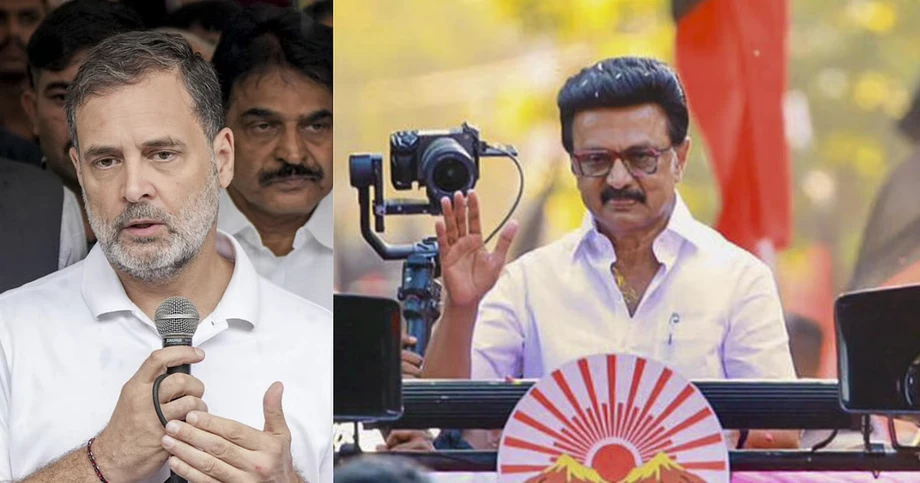
The Congress party and its INDIA bloc partners arrived in Chennai on November 29 for a high stakes meeting with DMK chief MK Stalin, seeking to reverse a decision that had already taken hold. The DMK had publicly declared its support for the Centre Delimitation Bill just days before the Parliament special sitting, a move that strengthened the BJP led NDA majority. The Congress delegation, led by Sonia Gandhi, Mallikarjun Kharge, and Rahul Gandhi, along with Mamata Banerjee, aimed to persuade the DMK to reconsider its stance on the Constitutional Amendment Bill that expands the Lok Sabha to 850 seats. The visit came as a last ditch effort to unify the opposition, yet the reception in Chennai was far from warm.
Contents
We will not compromise on this path, and I am confident that history will judge us as Kattabommans and not Ettappans. We have always made every decision keeping the interests of Tamil Nadu and our Tamil people as the foremost consideration.
This message from MK Stalin, posted on social media on the eve of the meeting, set the tone for the discussions. The DMK leader invoked a potent historical analogy, comparing the DMK resolve to the resistance of Veerapandiya Kattabomman against the British, while labeling those who might waver under Congress pressure as Ettappans, a term for traitors in Tamil folklore.
The Anatomy of a Political Split
The tension between the long standing allies dates back to the 2026 Tamil Nadu Assembly elections. The Congress party, which had been a key partner in the DMK led government, walked out of the alliance to support C Joseph Vijay's Tamilaga Vettri Kazhagam. The Congress secured two ministerial portfolios in the new TVK government, a move that the DMK viewed as a betrayal of their trust. DMK leaders pointed to a series of perceived slights, including unanswered calls from Stalin to Rahul Gandhi during the campaign and the absence of Congress leaders from a key family wedding in the state.
Further adding to the animosity was the public criticism leveled by Tamil Nadu Congress Committee president B Manickam Tagore against the DMK. For the DMK, the Congress departure was not merely a political calculation but a personal failure by a party that had previously treated Stalin as a close brother. The DMK leadership felt that the Congress had sought power but neglected reciprocity, leaving the DMK to manage the fallout alone while other alliance partners like the VCK and the Left parties maintained communication.
Delimitation: The Lesser of Two Evils
At the heart of the dispute is the Delimitation (Second) Bill, 2026, which proposes a 50 percent increase in Lok Sabha seats, taking the total to 850, and links the 33 percent women's reservation to the redrawing of constituency boundaries. The DMK supported the bill not because they liked the outcome, but because the revised version addressed their core concerns. The government agreed to a flat 50 percent increase for all states and a freeze on the interstate distribution of seats for another 25 years, until 2051.
A DMK MP stated that the party was confident that Tamil Nadu's existing share of 7.18 percent in the Lok Sabha would not be reduced. The DMK viewed this as a choice of the lesser evil, preventing a worst case scenario where the sunset clause on the existing freeze lapses, potentially leading to a harsher redistribution based on the 2027 census. The party framed its support as a strategic move to protect the constitutional integrity and the specific interests of Tamil Nadu, even at the cost of straining ties with the Congress.
Rahul Gandhi's Plea and Stalin's Reply
Rahul Gandhi had reached out to his former ally through social media, urging the DMK to stand with them in the national interest. He warned that an expansion to 850 seats could finish democracy in India by giving the BJP and RSS unlimited space to redraw the electoral map. He appealed to Stalin's historic resistance against anti Tamil forces, asking for a united front to defeat the bill.
Stalin's response was measured but firm. He thanked Rahul for acknowledging the DMK's role but made it clear that the party would not waver. The DMK leadership noted that the outreach from Congress came too late, describing it as a PR exercise designed to paint the DMK as the stubborn party rather than a genuine attempt at reconciliation. They argued that if the Congress had made their move when the special session was first reported, the outcome might have been different.
The Congress delegation faced protests from DMK workers outside Stalin's residence, with slogans echoing calls for the Congress to go back. Despite the heat, the DMK agreed to meet the delegation out of respect for Sonia Gandhi and Kharge, though insiders suggested that Stalin would not have entertained a meeting with Rahul Gandhi alone.
Wider Implications for the Opposition
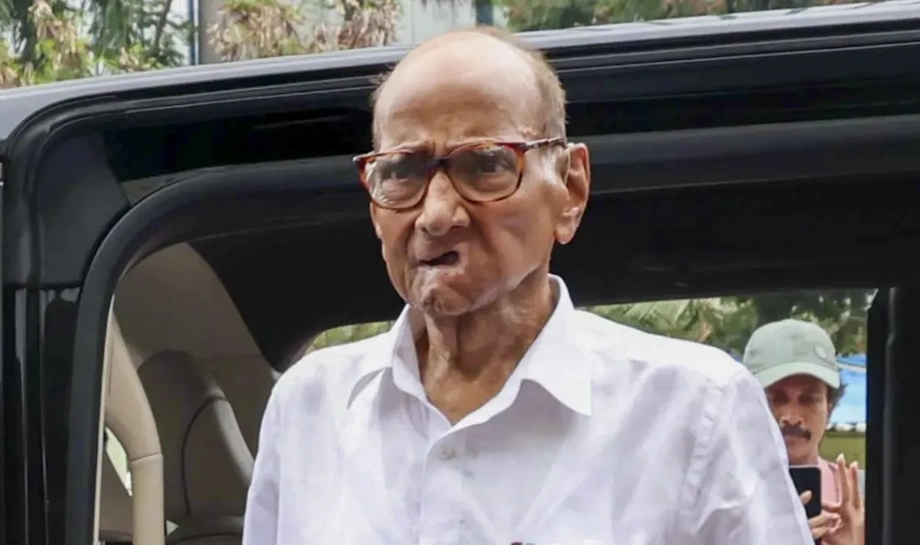
The DMK stand has significant ripple effects beyond Tamil Nadu. The NCP, led by Sharad Pawar, has also signaled support for the NDA on delimitation, further isolating the opposition. Mamata Banerjee, initially hesitant due to the situation in West Bengal, reversed her decision to stay in Kolkata and flew to Delhi for a coordinating meeting before heading to Chennai. Her presence highlighted the urgency of the moment for the INDIA bloc.
Analysts suggest that the Congress failure to manage its alliance dynamics has weakened its bargaining power. The DMK's decision to support the bill, combined with the NCP support, ensures that the Centre has the two-thirds majority needed to pass the amendments. The Congress now faces the challenge of rebuilding its credibility in South India while grappling with the political fallout of its support for the TVK government.
Timeline of Key Developments
April 2026: Congress walks out of DMK alliance to support TVK government.
April 17: The Centre's Delimitation Bill is initially defeated in the Lok Sabha.
May 4: Rahul Gandhi signals support for C Joseph Vijay post poll.
August: Tensions rise as B Manickam Tagore criticizes DMK publicly.
November 29: DMK confirms support for revised Delimitation Bill.
November 29: Congress and INDIA bloc leaders arrive in Chennai for talks.
What Comes Next
The immediate future depends on the outcome of the special Parliament sitting starting December 1. If the DMK holds firm, the Centre will secure its victory on the delimitation front. For the Congress, the Chennai visit serves as a reminder of the cost of political ambition. The party must now decide whether to pursue a pragmatic alliance for power or rebuild its ideological base, a task made harder by the DMK's unyielding stance.
The Bottom Line
- The DMK has firmly backed the Delimitation Bill, protecting Tamil Nadu's seat share.
- A senior Congress delegation visited Chennai but faced a cool reception.
- The split between Congress and DMK is rooted in the 2026 Assembly election fallout.
- Stalin uses the Kattabomman metaphor to signal historical resolve against Congress pressure.
- The Centre is now confident of passing the amendments with DMK and NCP support.