A Narrow Victory for the Capital
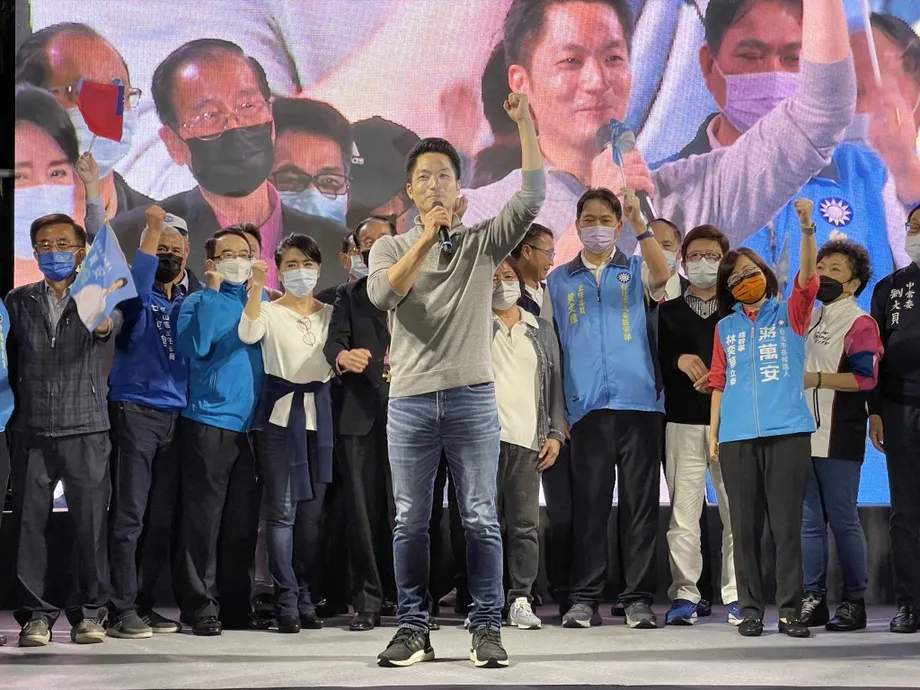
Taipei Mayor Chiang Wan-an secured a second term on Saturday, defending the capital against a formidable challenge from Democratic Progressive Party legislator Shen Bo-yang. The incumbent Chiang, a rising star in the pro-China Kuomintang party, received 732,125 votes to defeat his rival by a margin that kept the island on edge for hours. Shen, a 44-year-old criminologist and popular lawmaker, finished with 620,279 votes, capturing 45.69 percent of the valid ballot in a race that many polls had predicted would be a toss-up. The result preserved Taipei as a KMT stronghold, even as Shen's performance signaled a shifting political landscape for the upcoming 2028 presidential election.
Contents
The outcome was confirmed late Saturday evening, with the Central Election Commission announcing the final tally just before midnight. Chiang conceded defeat to the voters but accepted the result with grace, telling his supporters at his campaign headquarters in the Xinyi District. He thanked Shen and his followers for making the contest a celebration of democracy, noting that the high turnout reflected an engaged public. The two candidates spoke by phone after the results were declared, with Shen offering congratulations and Chiang promising to share data on municipal challenges with his successor in the mayoralty.
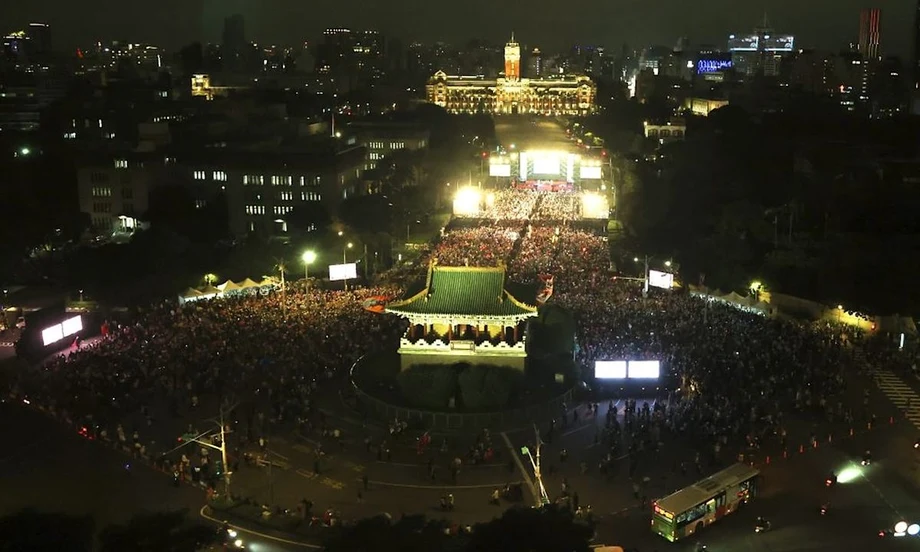
Shen conceded less than four hours after polling stations closed. He stood before thousands of supporters, some of whom were visibly emotional, and declared that he had done his best. He acknowledged that while he lost the mayoral race, the campaign had succeeded in raising awareness about national issues. Shen's team described the result as a victory for the political culture he championed, noting that his support base extended well beyond the city limits.
We respect the democratic result and trust the system of Taiwan. In this moment, I truly feel that Taiwan wins.
Jerry Chien, the chairman of Taipei 101 and a vocal supporter of Shen, voiced the sentiment of many who had watched the election unfold online. Chien, who had campaigned alongside Shen, noted that the process had strengthened democratic norms even as she acknowledged the outcome.
The final count revealed a city that was closely divided. The KMT won 11 city and county seats nationwide, while the DPP secured 10, with an independent candidate taking one. In Taipei, the DPP managed to win more city council seats than in 2022, suggesting that Shen's influence would persist in local governance. The KMT's retention of New Taipei City, with Lee Shu-chuan winning a narrow victory, helped solidify their control over the northern tier of the island.
Shen's 'Ocean Current' and the Social Media Strategy
Shen Bo-yang, often called Puma Shen by his supporters, had built a campaign that relied heavily on social media to bypass traditional party structures. His strategy, dubbed the "Yangliu" or ocean current, encouraged volunteers to organize independently and use platforms like Threads and YouTube to amplify their message. This approach drew in younger voters and those disillusioned with the established political order.
During the campaign, Shen's team emphasized the importance of civic engagement and transparency. They used data analytics to target specific voter demographics, particularly in the suburban districts where the KMT had historically been strong. Shen's message resonated with residents who were concerned about housing affordability and public services. His campaign also benefited from high-profile endorsements, including a live broadcast featuring former President Tsai Ing-wen, which drew hundreds of thousands of viewers online.
Shen's defeat did not diminish his stature within the DPP. Political analysts noted that his performance suggested he could be a key figure in the party's future. He ruled out running for a Taipei legislative seat in 2028, stating that his current position in the Legislative Yuan was the best place for him to influence national policy. He also announced plans to use his campaign funds to establish a research institute in Taipei, focusing on urban development and policy innovation.
The "ocean current" metaphor became a symbol of the campaign's energy. Shen's supporters, known as "little water drops," created a sense of collective momentum. They praised Shen for his humility and his willingness to listen to ordinary citizens. The campaign's use of digital tools to coordinate rallies and manage logistics was widely praised, even by opponents.
This team is the best I have ever worked with. They exceeded expectations.
Zhou Xuan, the media director of Shen's campaign, highlighted the dedication of the staff, many of whom were in their mid-thirties. He noted that the team's youthful energy and innovative approach had left a lasting impression on the electorate. The campaign's success in mobilizing volunteers was a testament to the growing power of civic society in Taiwan.
Chiang's Silver Hair and a Promised Future
In a moment of levity that captured the public's imagination, Chiang Wan-an fulfilled a pre-election promise to dye his hair silver. The 47-year-old mayor appeared at his campaign headquarters with bright silver hair, drawing cheers from supporters who had called for the look online. He explained that the dye job was a temporary gesture, intended to last for one day as a sign of his commitment to connecting with the people.
Chiang's hair color became a popular topic on social media, with many users creating artificial intelligence images to compare the look with the original. He joked about the process, mentioning that his wife, Shih Fang-heng, had helped him choose the outfit, and that his children were amused by the new look. The silver hair was seen as a symbol of his openness to change and his willingness to embrace modernity.
Looking ahead, Chiang stated that he would serve his full four-year term as Taipei mayor. He expressed gratitude to his supporters and promised to continue improving public services. He also confirmed his role as an assistant to the KMT's goal of achieving political rotation in 2028, signaling his support for potential presidential candidates. Chiang mentioned his appreciation for Taichung Mayor Lu Shiow-yen, who had provided him with significant support during the campaign.
Chiang also announced that he would donate his election subsidies to establish a research think tank in Taipei. The institute would focus on long-term urban planning and policy research, aiming to provide data-driven solutions to the city's challenges. This move was seen as a way to leave a lasting legacy beyond his political career.
National Implications for 2028
The local elections were viewed as a dress rehearsal for the 2028 presidential race. The results provided clues about the political alignments that could emerge. The KMT's win in Taipei and New Taipei City helped secure the party's northern base, while the DPP's gains in other regions suggested a broadening of their support.
Analysts pointed to the high turnout in Taipei, which exceeded 70 percent, as an indicator of the public's interest in national issues. The results also highlighted the generational shift in politics, with younger voters showing a preference for candidates who used digital platforms effectively. Shen's campaign had tapped into this trend, creating a model that the DPP could replicate in future elections.
The DPP's overall performance, winning 10 counties and cities, was seen as a step forward. Party leaders expressed optimism about the future, noting that the party had maintained its core support while expanding its reach. The KMT's chairwoman, Cheng Li-wun, was seen as a potential candidate for 2028, with her pro-China stance appealing to voters who favored stability.
Key Takeaways from the Vote
Several key points emerged from the election results that will shape the political discourse in the coming months. These include the specific vote counts, the strategic moves by both candidates, and the broader implications for cross-strait relations.
-
Shen Bo-yang received 620,279 votes, representing 45.69 percent of the total, setting a record for the DPP in Taipei.
-
Chiang Wan-an's victory was confirmed by the Central Election Commission, with a final tally of 732,125 votes.
-
Shen plans to establish the Taipei Research Institute using his campaign funds to focus on urban policy.
-
Chiang dyed his hair silver to fulfill a campaign promise, a move that resonated with online supporters.
The Road Ahead for Both Leaders
As the initial celebrations faded, both Chiang and Shen began to outline their next steps. Chiang will focus on implementing the policies he promised during the campaign, particularly those related to infrastructure and public transport. He has already begun meetings with city council members to discuss the budget for the upcoming year.
Shen, meanwhile, will return to his role as a legislator, where he can continue to advocate for the issues he raised during the election. He has emphasized the need for Taiwan to maintain its democratic values while fostering economic ties with neighbors. His campaign's success in using social media to connect with voters has set a new standard for political communication.
The election has also highlighted the importance of youth participation in the democratic process. Shen's appeal to younger voters suggests that future elections will be increasingly influenced by digital trends and social media dynamics. Both candidates have acknowledged this shift, promising to use technology to improve governance.
Shen's political future in the DPP looks more promising despite the loss.
Political observers note that Shen's performance has solidified his position as a leader within his party. His ability to connect with voters from different backgrounds was a key factor in his success. The campaign had demonstrated that a well-organized, digitally savvy team can challenge the traditional power structures.
The results of the local elections have set the stage for a competitive 2028 presidential race. Both the KMT and the DPP will use the insights gained from these elections to refine their strategies. The focus will be on addressing the concerns of the electorate, particularly regarding economic growth and cross-strait stability.
The Bottom Line
-
Chiang Wan-an is re-elected as Taipei Mayor, defeating Puma Shen in a close race.
-
Shen's campaign marked a shift toward digital engagement and youth participation.
-
The KMT retained control of key northern cities, while the DPP expanded its influence.
-
Both leaders have announced plans for future roles that will impact Taiwan's political landscape.