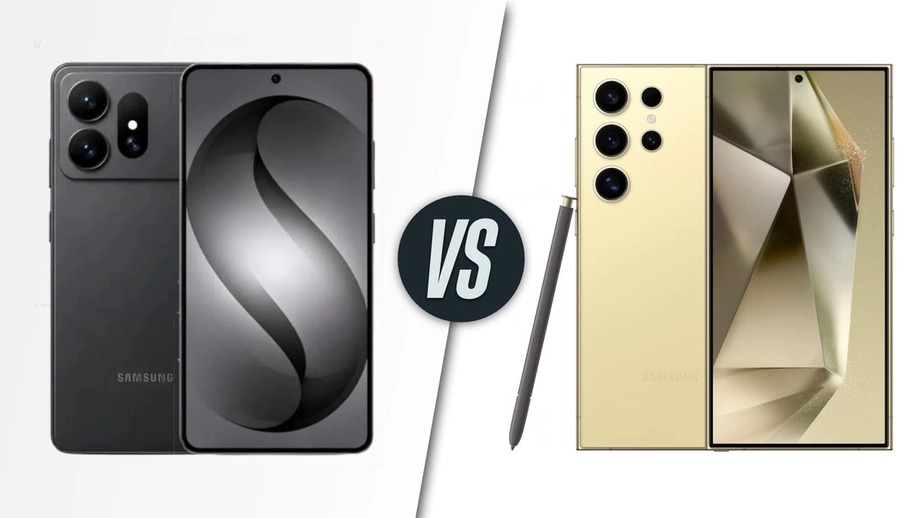
Camera Hardware Gets a Major Overhaul
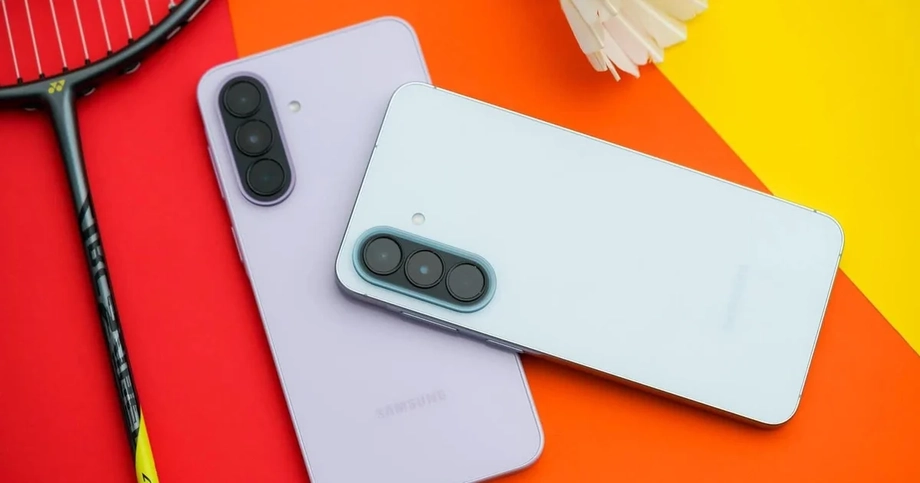
Samsung is preparing to launch the Galaxy S27 Ultra in early 2027, bringing one of the most significant physical design changes to its flagship Ultra series in recent years. The new device features a redesigned, horizontal camera module that replaces the familiar floating lens rings with a unified, rectangular housing. This structural shift is accompanied by the removal of the dedicated 3x telephoto camera and the laser autofocus module, marking a strategic simplification of the camera system. In place of the missing hardware, Samsung is introducing a new main camera sensor, the ISOCELL HP6, which leverages advanced technology to improve image quality, particularly in low-light conditions and video recording.
Contents
The new sensor, identified as the ISOCELL S5KHP6, maintains the familiar 1/1.3-inch size but incorporates a new pixel architecture called DeepPix. This technology increases the sensor's full-well capacity by 60 percent, allowing it to capture more light and detail before pixels saturate. This results in improved dynamic range, meaning photos will retain more detail in both bright highlights and dark shadows. Leaker Ice Universe notes that the brightness and detail in night photography will see significant gains, while video quality is expected to be particularly impressive. The sensor is also based on the unannounced ISOCELL HPA, suggesting that Samsung has optimized the technology for a more compact form factor without sacrificing performance.
The new main camera of the Galaxy S27 Ultra has significantly improved the brightness and detail in night photography, and the video quality is particularly impressive.
These hardware improvements are supported by software updates. The device will run One UI 9.5 beta, which introduces a new Vision mode. This feature uses AI to interpret what the camera sees, adding Ask and Translate buttons directly next to the shutter. The system also introduces an auto portrait mode that automatically blurs the background when it detects a face or an animal, eliminating the need to switch modes manually.
Battery and Charging Upgrades Take Center Stage
While the camera changes are prominent, the battery is arguably the most tangible upgrade for daily users. Official certification documents confirm that the Galaxy S27 Ultra will house a 5,700 mAh battery, a substantial increase from the 5,000 mAh cell in the S26 Ultra. This represents a 14 percent increase in capacity, making it the largest battery ever fitted to an Ultra model. The boost is achieved through the use of a silicon-carbon negative electrode, which allows for higher energy density without making the phone excessively thick.
The charging speed remains at 60W for both the S27 Ultra and the S27 Pro. While this is not an increase over last year, it is a significant update for the S27 Pro, which finally matches its Ultra sibling. Standard models will lag behind, with the S27 Plus retaining 45W charging and the base S27 stuck at 25W. The retention of 60W charging ensures that despite the larger battery, users will not experience significantly longer charging times compared to previous models.
Design and Display Refinements
The visual identity of the S27 Ultra is evolving. Dummy units reveal a flat-frame design with flat side rails, which provides a secure grip and aligns with the flat display panels. The new camera island features two large primary lenses stacked vertically on the left, with a clean, uninterrupted right side. This creates a distinct two-tone visual balance, especially visible on white mockups where dark lens cutouts contrast with the light backplate. The design aligns the Ultra more closely with the Pro model, suggesting Samsung is unifying the visual language of its top-tier phones.
Under the hood, the display is a 6.9-inch Dynamic AMOLED 2X panel. It uses new M16 OLED material, which promises better color accuracy, power efficiency, and durability compared to the M14 panels in the S26 Ultra. The screen supports an adaptive refresh rate from 1Hz to 120Hz and is expected to hit a peak brightness of 3,000 nits. Samsung is also working on an improved split-screen Privacy Display mode to address viewing-angle limitations of the current implementation.
The processor is expected to be Qualcomm's Snapdragon 8 Elite Extreme Gen 6, built on a 2nm manufacturing process. This chip could reach clock speeds of up to 5GHz. Some markets may receive the Exynos 2700 processor instead. Memory options will include 12GB or 16GB of RAM, with storage options of 256GB, 512GB, and 1TB. The higher storage variants may debut the new LPDDR6 RAM and UFS 5.0 storage speeds, though the entry-level 256GB model might retain the older LPDDR5X and UFS 4.1 standards.
The Camera Trade-Off Explained
Removing the 3x telephoto and laser autofocus is a calculated risk. Samsung plans to use the high-resolution 200MP main sensor to handle 2x and 3x zoom through digital cropping. This frees up internal space and reduces the reliance on multiple dedicated lenses. For users who frequently shoot portraits or mid-range zoom shots, this change will be noticeable. The new AI autofocus technology is expected to compensate for the missing laser module, offering fast focusing speeds in various lighting conditions, although real-world tests are needed to confirm its effectiveness in dark or moving scenarios.
The remaining telephoto camera is a 50MP periscope lens with 5x optical zoom. This setup covers the long-range zoom spectrum efficiently. The ultrawide camera remains a 50MP unit, ensuring versatility across the board. Leaker Digital Chat Station suggests that the HP6 sensor brings LOFIC technology, which stands for Lateral Overflow Integration Capacitor. This hardware feature prevents pixels from saturating in bright light, effectively acting as single-exposure HDR. This is a significant leap for mobile photography, as it captures a wider dynamic range in a single shot.
LOFIC enhances dynamic range by preventing image sensor pixels from saturating in bright light. Think of it as single-exposure HDR.
While the hardware simplification might seem like a step backward, the technological depth of the new main sensor suggests a step forward in overall quality. The focus has shifted from adding more lenses to improving the core imaging capabilities of the primary camera.
Pricing and Launch Timeline
Samsung is expected to launch the S27 series in January or February 2027 at a Galaxy Unpacked event. Pricing for the S27 Ultra is speculated to start around 1,400 US dollars. This represents a slight increase from the S26 Ultra, which launched at 1,299 dollars and later saw a price adjustment to 1,399 dollars. The price hike reflects the cost of new materials like the silicon-carbon battery and the advanced M16 OLED display.
For buyers, the S27 Ultra offers a clear choice: accept the simplified camera hardware in exchange for a massive battery and improved low-light performance. The removal of the laser autofocus and 3x lens is less of a concern for average users who prioritize convenience and image quality over specific hardware specs. The new AI features in One UI 9.5 further enhance the usability of the camera, making the device more intuitive for everyday photography.
Key Points
- The Galaxy S27 Ultra features a new horizontal camera module and removes the 3x telephoto and laser autofocus.
- A new 200MP ISOCELL HP6 main sensor with DeepPix technology improves night photography and video quality.
- Battery capacity increases to 5,700 mAh using silicon-carbon technology, while charging remains at 60W.
- The display uses M16 OLED material for better efficiency and brightness, potentially reaching 3,000 nits.
- Expected launch is in January or February 2027, with a starting price around 1,400 US dollars.