AECOM Takes Control of $15 Billion in Adani Infrastructure Programs
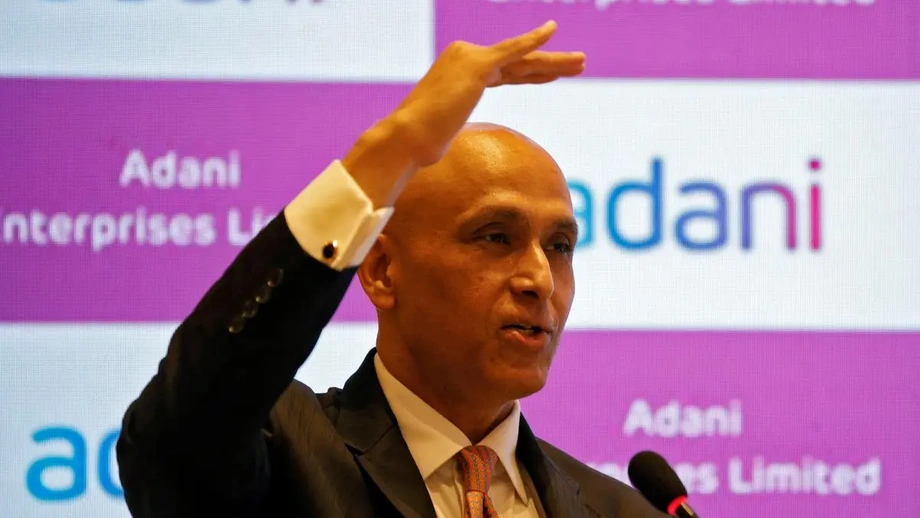
Infrastructure consultancy AECOM has been appointed to manage three major, multi-year schemes for India Adani Group. The combined capital investment totals approximately 15 billion US dollars. The appointment, detailed in an AECOM official statement, covers renewable power generation, electricity transmission and airport expansion. These sectors form the backbone of the Indian government Viksit Bharat 2047 plan. The extended strategy aims to transform India into a leading global economy. AECOM will serve as the program management consultant. The firm will oversee coordination, delivery and construction oversight across the projects. The appointment also helps grow India clean energy market and builds essential infrastructure for sustained economic growth.
Contents
The largest assignment focuses on the Khavda Renewable Energy Plant in Gujarat. This 30 gigawatt facility combines solar panels, wind turbines and battery energy storage systems on a massive scale. The second program delivers four electricity transmission and substation projects across Gujarat and Maharashtra. These works create a green energy corridor that links renewable generation hubs with high demand centers like Mumbai. The third program modernizes aviation infrastructure across Ahmedabad, Mangaluru and Thiruvananthapuram. Each sector addresses a distinct pillar of India economic development.
Engineering teams are building operational capacity at an accelerated pace at Khavda. The plant occupies 538 square kilometres, an area five times the size of Paris. The site sits in a remote saline landscape, located 70 to 100 kilometres from the nearest human settlement. Over 15,000 workers currently operate across the site. The facility will deliver 26 gigawatts of solar power and 4 gigawatts of wind energy upon completion. A central feature is the battery energy storage system, which will eventually reach 50 gigawatt hours of capacity. The system currently operates 6.63 gigawatt hours, making it the world largest single location battery installation. This storage capacity ensures continuous power and stabilizes the national grid. The facility powers more than 17 million homes annually.
Khavda Sets a Global Benchmark for Clean Energy
Global music icon Diljit Dosanjh visited the sprawling complex earlier this month. He inspected the central control room and interacted with site engineers about logistical challenges. His reaction captured public enthusiasm surrounding the rapid execution in a harsh environment.
His comments reflected widespread approval of the construction speed and technical execution at the remote site.
Bohot Vadhiya (this is too good!),
By 2029, Khavda will stand as the world largest power plant across all energy sources. The accelerated progress aligns with India national target of reaching 500 gigawatts of clean fuel capacity by 2030. The plant achieves more than 11 gigawatts of operational renewable generation capacity during its current phase. The hybrid model ensures continuous green power for India decarbonization targets.
Generating clean electricity requires a robust transmission network to move power from remote generation sites to urban consumption centers. AECOM will manage four transmission and substation projects that form a green energy corridor across Gujarat and Maharashtra. These projects connect large scale renewable hubs directly to high demand markets, particularly Mumbai. The upgrades improve grid resilience, reduce power loss during transit and allow the national network to absorb higher volumes of renewable electricity without frequent blackouts. The transmission upgrades address a common engineering challenge in rapidly expanding grids. New high voltage lines and digital monitoring systems will maintain steady voltage levels. This infrastructure shift reduces reliance on thermal power plants for essential supply and supports India emission reduction targets.
Strengthening the National Grid and Energy Corridors
The third major assignment covers the modernization and expansion of Adani airports in Ahmedabad, Mangaluru and Thiruvananthapuram. AECOM provides program wide management, coordination and delivery oversight for these developments. The upgrades will increase passenger handling capacity, update terminal operations and enhance regional connectivity across western and southern India. Improved airport infrastructure reduces bottlenecks during peak travel seasons and supports cargo logistics for manufacturing and technology sectors.
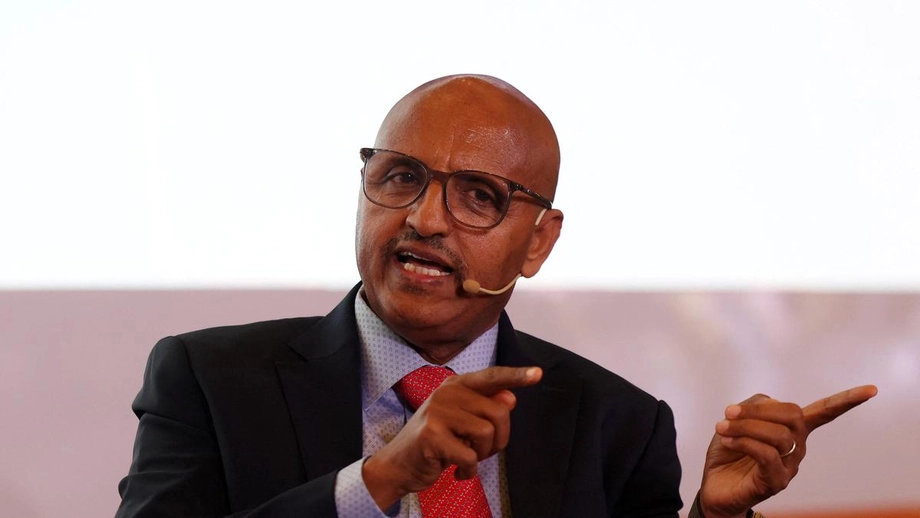
Richard Whitehead, chief executive of AECOM Europe and India region, emphasized the regional focus of the company.
His assessment highlighted how local operations drive the broader contract strategy and support regional economic targets.
AECOM brings deep global expertise in program management across the energy and aviation sectors, underpinned by a strong local presence in India,
Suvojoy Sengupta, chief executive of AECOM business in India, added that clean energy and improved connectivity remain critical to achieving the Viksit Bharat vision. The appointment places experienced managers at the center of complex construction schedules, ensuring that design phases translate efficiently into active commissioning. Drew Jeter, chief executive of AECOM Program Management global business line, noted that the contracts represent a significant expansion of the firms capabilities across the country.
AECOM reported revenue of 15.1 billion US dollars in fiscal year 2026. The firm operates with a record backlog of 28 billion US dollars. The company guidance points to organic net service revenue growth of 4 to 6 percent for fiscal 2027. The Adani contracts did not specify the exact fee payable to the consultancy. Trading data showed AECOM shares gained 2.7 percent on the announcement date. The appointment aligns with broader infrastructure spending trends across India. As noted in earlier reports on India's infrastructure bill, central spending continues to rise. In November, the central infrastructure bill grew significantly as 1,862 central projects outpaced their initial budgets. The Adani programs fit directly into this expanding pipeline.
Corporate Performance and Market Signals
Construction delays remain a known risk when multiple mega projects operate in remote or coastal regions. Weather conditions in Gujarat and coastal Maharashtra can alter steel delivery schedules and foundation pouring windows. Industry observers will watch how quickly the Khavda plant reaches its full 30 gigawatt output. The management contracts also highlight AECOM growing footprint across India, covering water, advanced manufacturing and data centers alongside its core energy and aviation work. The firm will need to maintain strict quality control across geographically dispersed sites.
The announcement provided a clear scope of work but left several operational details for later disclosure. AECOM did not release detailed construction schedules or exact project completion dates for the three programs. The firm also did not disclose the total fee earned for managing the 15 billion US dollar capital investment. Executives noted that extended government contracts and private sector funding directives often shift due to policy changes or supply chain fluctuations.
Timeline Gaps and Execution Challenges
The appointment details a structured approach to complex engineering delivery. Program management oversees every phase from initial design reviews to final commissioning. Coordination across different technical disciplines ensures that renewable energy installations, transmission lines and airport terminals progress on parallel timelines. The financial terms remain flexible to accommodate material cost fluctuations and labor availability across Indian states.
Market analysts track the appointment as a catalyst for further private sector infrastructure investments. The strategy emphasizes sustainable economic growth and regional connectivity. Execution speed at Khavda demonstrates how large scale renewable projects can meet national targets ahead of schedule. The broader financial context shows a company well positioned to handle the demands of the Indian market.
The Bottom Line
- AECOM manages three Adani Group programs totaling approximately 15 billion US dollars in capital investment.
- The Khavda Renewable Energy Plant in Gujarat will deliver 30 gigawatts of solar and wind power with extensive battery storage.
- Four transmission projects will create a green energy corridor linking renewable hubs to Mumbai and other demand centers.
- Airport modernization across Ahmedabad, Mangaluru and Thiruvananthapuram will expand passenger capacity and regional connectivity.
- AECOM fiscal 2026 revenue reached 15.1 billion US dollars with a record 28 billion US dollar backlog driving future growth.
- Construction timelines and specific consultancy fees remain to be disclosed as projects move into active development.