A Rs 6,000 crore target, set three months into the job
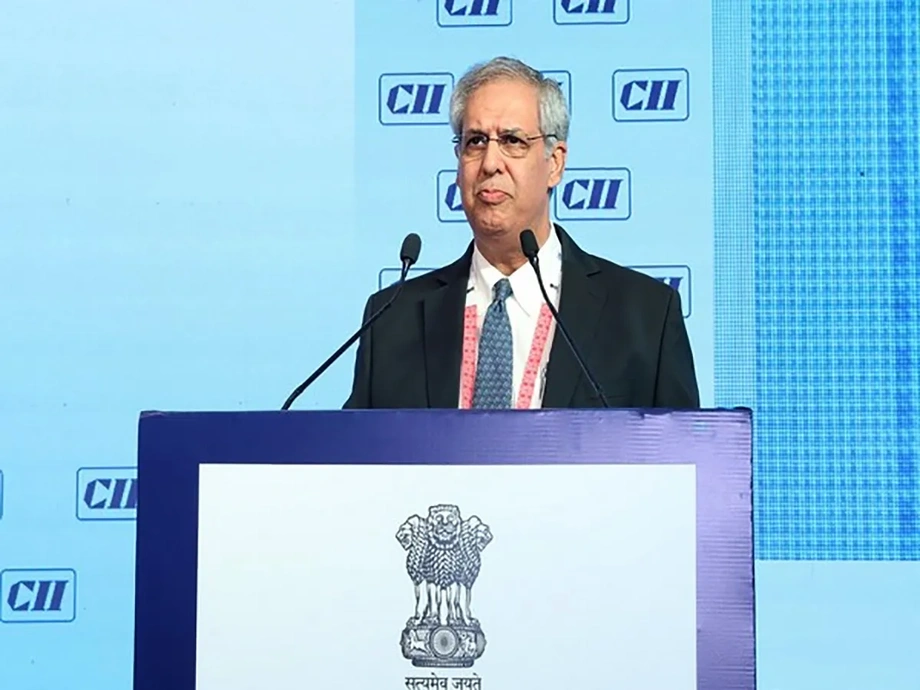
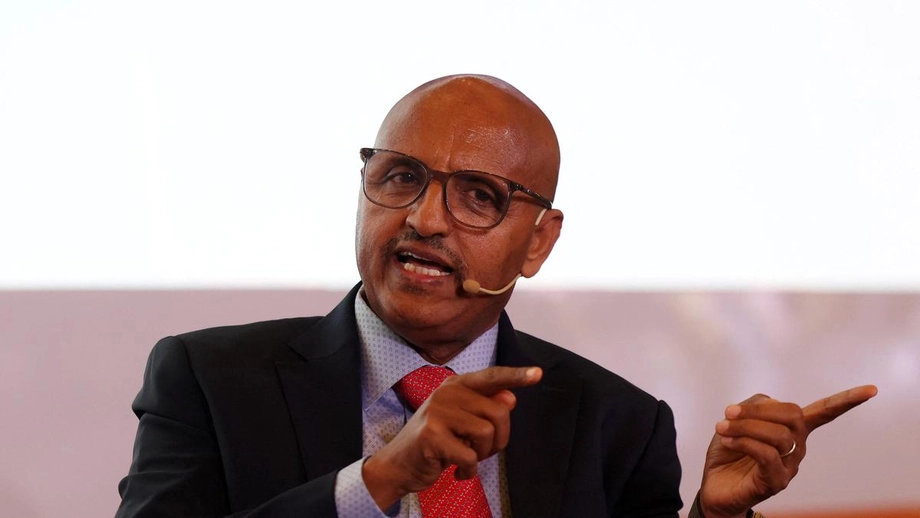
Air India's new chief executive has put a number on his turnaround. At a town hall with employees of Air India and Air India Express on Wednesday, November 25, Tewolde Gebremariam said the group is aiming for Rs 6,000 crore in cost savings, has identified Rs 3,500 crore of that, and has already achieved about Rs 1,500 crore. The meeting ran close to two hours and was his second with staff since he took charge as managing director and chief executive on October 1.
Contents
- A Rs 6,000 crore target, set three months into the job
- A loss that more than doubled, and the shocks behind it
- CASK against RASK, explained simply
- One Air India Group: two airlines, one back office
- A workforce review, and the questions it leaves open
- New roles at the top, and a departure under discussion
- Freighters, holiday packages and a training academy
- Moving the map: west from Mumbai, east from Delhi
- Punctuality up, complaints down
- What has not been decided, and the dates that matter
- Key Points
The savings come in two parts. Air India wants to cut non-fuel costs by 20% and fuel costs by 5%. A cost transformation programme set up in October is led by about 11 senior executives, and the airline says staff have sent in more than 1,500 suggestions on cutting expenses and working more efficiently. Jet fuel, Gebremariam told employees, now costs the airline almost double what it paid a year earlier.
Cost discipline is not a one-time exercise. It must become part of our culture.
He said no expense, "big or small", was beyond scrutiny, and that savings would have to come from both large projects and small daily decisions. Travel by senior managers, procurement and supplier contracts are all under closer review.
A loss that more than doubled, and the shocks behind it
Air India's consolidated net loss widened to Rs 22,238.23 crore in the year ended March 2026, from Rs 10,858.83 crore a year earlier. Revenue fell to Rs 71,869.94 crore from Rs 78,635.61 crore while expenses climbed to Rs 93,733.31 crore. The airline flew 36 million passengers during the year, down from 43.8 million, and its passenger load factor, the share of seats that get filled, slipped to 81% from 85%. Available seat kilometres, the industry's measure of how much capacity an airline sells, fell to 100,828 million from 114,226 million.
Tata took control in January 2022. Since then the group has accumulated close to Rs 60,000 crore in losses. Tata Sons owns the airline and Singapore Airlines holds 25.1%, and the group is seeking about $1.5 billion in fresh equity from the two shareholders. Singapore Airlines' own accounts put its share of Air India's losses at $361.7 million in the first half of the current financial year, which points to a loss of roughly Rs 10,800 crore for the airline over those six months.
Three outside forces sit behind those numbers. Pakistan has kept its airspace closed to Indian carriers since April 2025, forcing longer detours on routes to the west. Conflict in West Asia and the war in Iran disrupted flights and pushed up fuel bills. A weaker rupee raised the local cost of expenses billed in dollars. The crash of flight AI 171 in June 2025 added to the strain.
CASK against RASK, explained simply
The airline business measures itself with two numbers. RASK is revenue per available seat kilometre: roughly, how much money each seat earns for every kilometre it flies. CASK is cost per available seat kilometre: what it costs to fly that same seat a kilometre. When CASK sits above RASK, an airline loses money on every seat it sells, however full its planes are.
Gebremariam put the problem in one line to his staff: "CASK is much higher than RASK. That is why we are losing money." At a public appearance at the Aviation India and South Asia summit on November 3, he had made the same point another way, saying he was "more impatient than the shareholders about profitability".
There are early signs of movement on the revenue side. Gebremariam said October and November had been encouraging, with load factors rising in some markets and yields, the average fare earned per passenger flown, improving in others.
One Air India Group: two airlines, one back office
Air India and Air India Express will stay two airlines with two separate Air Operator Certificates, the licences that allow them to fly and set out who is accountable for safety and regulation. Under a structure the group calls One Air India Group, they will increasingly share the work behind the cabin door.
Finance, human resources, information technology and centres of excellence will be run at group level. Customer facing, operational and regulatory functions stay with each airline. Air India keeps its full service model and Air India Express stays a low cost carrier, so the two are not chasing the same traveller.
People and teams will work as one group, drawing on the best capabilities and expertise across both airlines. The aim is to generate synergies.
The plan targets duplication. Two head offices mean two finance teams, two IT contracts and two sets of suppliers. For passengers, the announcement changes little for now: no new rules on tickets, schedules, branding or onboard service have been set out.
A workforce review, and the questions it leaves open
The group employs about 30,000 people, and it is examining a potential surplus of 8,000 to 10,000 of them. There is no indication yet that those workers will be asked to leave. Redeployment, retraining and other options remain open, and the shape of any reduction has not been made public.
Airport teams, crew management and flight operations are expected to stay separate because they follow each airline's licence. Network planning, commercial, marketing and engineering could move under a shared structure, which is where much of the overlap in headcount sits.
The savings target itself carries no deadline. Gebremariam did not say by when the Rs 6,000 crore should be reached, and the airline has not published the town hall remarks or commented on the details.
New roles at the top, and a departure under discussion
Two group positions are being created. A Group Strategy Officer will look after strategy across the two carriers. A Chief of Training Academy will bring the group's flying school at Amravati, its type rating and recurrent training centre in Gurugram and its simulator and maintenance training in Bengaluru under one leader, and will sit on the management team.
The Air India Management Committee has been renamed the Air India Management Team to reflect the wider group. Deepak Rajawat, who becomes chief executive of Air India Express on December 1, 2026, joins it.
At the top, Tata Sons chairman N Chandrasekaran has given Gebremariam room to build his own team, including by hiring executives who have run large airlines elsewhere. Nipun Aggarwal, the chief commercial and transformation officer who led much of the Tata group's work on the 2022 acquisition and has overseen aircraft procurement, network planning and revenue management, could step out of executive management, and alternative roles within the Tata group have been discussed with him.
Freighters, holiday packages and a training academy
Cost cuts alone will not close a gap that size, so the group is also looking for new places to earn. The boldest is cargo. Air India plans to enter the dedicated freighter business and is evaluating the conversion of 13 older Boeing 777 aircraft into freighters. Those planes had been earmarked for cabin refurbishment before the airline considered scrapping or returning them. A freighter carries far more cargo than the belly hold of a passenger jet, and the bet is that India's air freight market will grow faster than its appetite for seats.
The second bet is holidays. Air India wants an in-house tour operation selling package trips, possibly branded Air India Holidays or Air India Vacations, and will work with the Ministry of Tourism. The idea runs both ways: packages for foreign tourists coming to India and for Indian middle class travellers heading abroad. Partnerships with hotels and other travel service providers would bring in money on the ground as well as in the air. No launch date or package numbers have been announced.
The third is training. The proposed Air India Aviation Academy would pull the group's flight school, flight training organisations and technical training into one unit, run as a profit centre that sells training to other airlines and aviation companies as well as to its own staff.
Moving the map: west from Mumbai, east from Delhi
Delhi is Air India's biggest hub, and that has become a problem. The airport sits in the north of the country, close to the airspace that is shut to Indian aircraft, so departures to Europe and North America have to fly long detours that burn fuel and crew hours. Mumbai is less exposed, and it is picking up more of the connecting traffic heading west.
Delhi will increasingly handle connections heading east, to Southeast Asia, East Asia and Australia, where routes are largely unaffected. The group is also weighing a bigger role for Bengaluru as a third hub and looking at other cities in the south, part of a deliberate effort to reduce the concentration of flights at Delhi.
Flights are a network business, so a route that looks weak on fuel can still be worth flying if it feeds passengers into a profitable long haul leg. Shifting the feed is a way to protect the group's most valuable routes without waiting for more aircraft.
We can't control the external environment. What we can do is build an airline that is resilient in all conditions, can withstand challenges and continue to succeed. We need to make ourselves stronger every day.
Punctuality up, complaints down
Gebremariam reported progress on the basics over the past three months. Domestic departures at both Air India and Air India Express are now consistently above 80% on time performance. Long haul international punctuality is improving but remains a weak spot. The rate of mishandled bags has fallen, though transfer bags and minimum connection times at hubs still need work.
Customer sentiment has moved with it. The group's Net Promoter Score, a widely used gauge that asks travellers whether they would recommend an airline, rose to 38 from 35 a year earlier. Domestic NPS went to 51 from 48.
What has not been decided, and the dates that matter
Several pieces of the plan are still missing. No deadline has been set for the Rs 6,000 crore, no decision has been announced on how the freighter operation would be built or when it would fly, and the tour business has no launch date. How the workforce review will end, and whether it produces a voluntary retirement scheme, is unresolved.
- January 2022: the Tata group takes over Air India.
- April 2025: Pakistan closes its airspace to Indian carriers.
- June 2025: flight AI 171 crashes, deepening the airline's losses.
- October 1, 2026: Tewolde Gebremariam becomes managing director and chief executive.
- November 3, 2026: he speaks publicly for the first time, at the Aviation India and South Asia summit.
- November 25, 2026: a town hall sets out the Rs 6,000 crore target and the One Air India Group structure.
- December 1, 2026: Deepak Rajawat takes over as chief executive of Air India Express.
The arithmetic shows the size of the task. Total expenses in the year to March 2026 were Rs 93,733.31 crore, and the group wants to strip a fifth out of everything that is not fuel, while still buying jets, retrofitting cabins and paying for fuel at close to twice last year's price. The Rs 1,500 crore banked so far is a quarter of the target, reached in about three months.
Key Points
- Air India Group is targeting Rs 6,000 crore in cost savings, with Rs 3,500 crore of opportunities identified and about Rs 1,500 crore already achieved.
- The plan calls for a 20% cut in non-fuel costs and a 5% cut in fuel costs, overseen by about 11 senior executives who have collected over 1,500 employee suggestions.
- Consolidated net loss more than doubled to Rs 22,238.23 crore in the year ended March 2026, on revenue of Rs 71,869.94 crore and expenses of Rs 93,733.31 crore.
- Air India and Air India Express will share back office functions under One Air India Group but keep separate Air Operator Certificates and separate brands.
- The group is examining a potential workforce surplus of 8,000 to 10,000 people out of about 30,000 employees, with no decision on departures.
- New revenue plans include dedicated freighters, possibly from 13 converted Boeing 777s, an in-house tour business with the Ministry of Tourism and a unified training academy.
- Westbound connections are shifting to Mumbai and eastbound traffic to Delhi, with Bengaluru and other southern cities under review as hubs.
- Domestic on time performance is above 80% and the group's Net Promoter Score rose to 38 from 35, though the savings target has no deadline.