The legal fight now runs in both directions
OpenAI's attempt to move beyond chatbots and into consumer electronics escalated on November 27, 2026, when OpenAI Group PBC, io Products, engineer Chang Liu and hardware chief Tang Yew Tan filed counterclaims against Apple in California federal court. Their filing contains 12 causes of action. It accuses Apple of obtaining confidential OpenAI hardware designs and manufacturing records, pressuring shared suppliers and using employment practices to discourage engineers from joining a competitor.
Contents
- The legal fight now runs in both directions
- Why Tony Fadell says the iPhone is the problem
- Sam Altman gives a different reason
- What OpenAI bought when it acquired io
- A speaker, a companion or a phone?
- The scale of OpenAI's hardware ambition
- What Apple alleged in its July lawsuit
- Employee X and the files at the heart of the counterclaims
- Suppliers, overnight shifts and restrictions on recruiting
- Personal messages become part of the privacy dispute
- The dates that now matter
- What users and businesses still need to learn
- What to Know
Apple started the case on July 10, 2026, in the US District Court for the Northern District of California. It alleged that OpenAI, io and former Apple employees took trade secrets and breached Intellectual Property Agreements to accelerate OpenAI's device program. Apple has sought damages, injunctions and a jury trial. It also sought a preliminary injunction and obtained expanded access to evidence during discovery. Trial is scheduled for July 19, 2027. The accusations on both sides remain allegations for the court to test.
The confrontation marks a sharp turn for two companies that, only two years earlier, announced a partnership to bring ChatGPT to the iPhone and Siri. OpenAI is now trying to build products that could reduce its dependence on Apple's platform, while Apple is defending the engineering information, supplier relationships and employees behind its own devices.
Why Tony Fadell says the iPhone is the problem
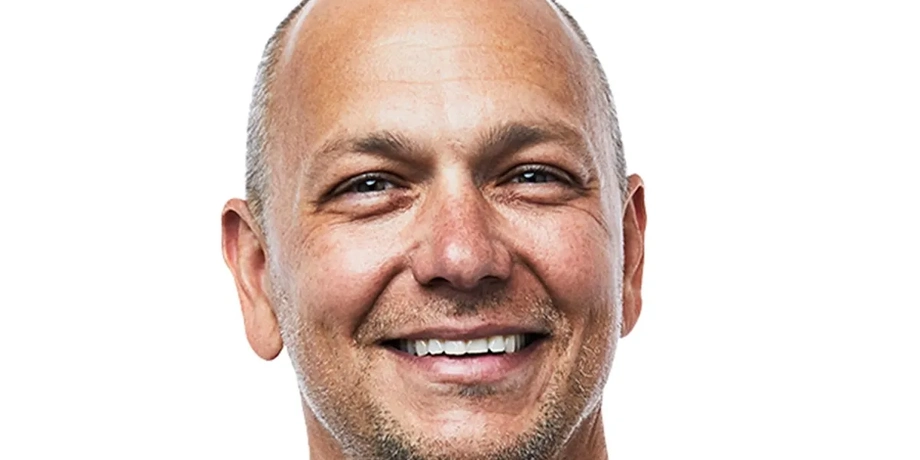
Tony Fadell, who worked alongside Jony Ive at Apple, helped create the iPhone and became known as the father of the iPod, offered a simple explanation for OpenAI's hardware campaign. Fadell, who later founded Nest Labs and Build Collective, spoke at Web Summit in Lisbon in comments reported on November 26. His argument is that an app running on another company's phone can use only the information and sensors that the platform owner permits.
Fadell said Apple's privacy restrictions prevent OpenAI from obtaining the continuous contextual information it wants about a user's surroundings. In his account, building hardware would give OpenAI direct access to location, sound, images and other signals rather than relying on whatever an iPhone app is allowed to receive.
They have to build products because they cannot get contextual information out of the phone. So what they have to do is they have to recreate the GPS, the microphones, the speakers, the cameras, the temperature, you name it.
Fadell argued that more context lets an AI system produce better answers and reach them more quickly. He listed GPS, microphones, cameras, speakers and temperature sensors as possible sources. A device carrying those sensors could help an assistant understand where a user is, what is happening nearby and what the user might want done. Fadell also claimed that OpenAI hopes its eventual device can displace the iPhone as the world's most popular consumer electronics product.
Sam Altman gives a different reason
OpenAI rejected the suggestion that Apple's privacy rules are the driving motive. When asked for comment, a spokesperson pointed to a video in which Sam Altman, OpenAI's chief executive, explained the hardware effort as a response to the needs of AI itself.
The reason we want to do new kinds of consumer hardware is that I think this is a technology that wants a new form factor.
A form factor means the physical shape and design of a piece of technology. Altman praised laptops and iPhones as major inventions but argued that they were designed for people looking at screens and navigating visual interfaces. An AI agent using the same computer may have to interpret buttons, menus and images on a display when it could instead receive the underlying information directly.
Fadell's proposed companion device fits either explanation. He described something resembling a smartphone stripped of its screen but retaining sensors and processing components. It could connect through Wi-Fi or Bluetooth, passing information through a phone to AI agents running in the cloud or in an app. He also raised edge computing, which means performing some processing on a nearby device instead of sending every task to a remote server. Simple requests could then be handled without a full round trip to a data center.
A phone, pendant, pen and speaker are among the forms Fadell floated. His central point was that each could gather a different stream of context. None of those possibilities amounts to an announced final product.
What OpenAI bought when it acquired io
Altman and Ive began working together informally in 2023. Ive, Scott Cannon, Evans Hankey and Tang Tan then founded io Products in 2024 to develop hardware using advanced AI. Early descriptions of the collaboration promised a device that would be less socially disruptive than the iPhone.
Investors put $225 million into io during 2024. Backers included Sutter Hill Ventures, Emerson Collective, SV Angel, Maverick Ventures and Thrive Capital. Ive was reported to own 11%, while Altman had no equity in the startup. OpenAI's Startup Fund acquired a 23% stake for $1.5 billion in late 2024.
OpenAI announced the full acquisition on May 21, 2025, valuing io at $6.5 billion in a transaction paid with stock. It was OpenAI's largest acquisition to that point, although a later closing figure put the transaction at $6.4 billion. The companies announced completion of the merger on July 9, 2025. Altman and Ive introduced the partnership in a nine-minute film shot at Cafe Zoetrope in San Francisco.
All 55 io employees joined OpenAI, including Cannon, Hankey and Tan. Ive and his design collective LoveFrom remained independent while taking creative and design responsibilities across OpenAI. Ive is not named as a defendant in Apple's lawsuit.
A speaker, a companion or a phone?
The first product concept is a portable smart speaker without a screen. Mark Gurman described it in July 2026 as an AI companion that could answer questions, play media and operate appliances in the home. Cameras, sensors and OpenAI's GPT-Live voice technology could provide faster interactions informed by more information about the surrounding environment. Gurman said Apple had no equivalent product on sale.
Other descriptions call the speaker roughly the size of a hockey puck or doughnut shaped. Some include moving parts intended to express emotion. Prototypes reportedly exist, but OpenAI has not published final specifications. The latest possible launch window places the speaker near the end of February 2027, and that timing remains unconfirmed.
Manufacturing arrangements have also shifted. OpenAI was reported to have moved production of its first device from Luxshare to Foxconn Technology Group, also known as Hon Hai Precision Industry Co. Ltd., in an effort to accelerate the launch. On November 19, supply chain information pointed to Foxconn subsidiary FIH Mobile securing an assembly order for a separate OpenAI smartphone.
Analyst Ming-Chi Kuo has described a phone using a customized MediaTek Dimensity 9600 processor, potentially manufactured with TSMC's 2nm process, along with LPDDR6 memory, UFS 5.0 storage and two dedicated neural processing units. Those units, often called NPUs, are chips designed to run AI calculations efficiently. The camera would reportedly interpret surroundings as well as take photographs.
Production could begin during 2027, with Abhishek Yadav identifying the first half of that year as a target. A market arrival in late 2027 or 2028 has also been suggested. OpenAI has not announced the phone, its operating system or its price. An earlier goal of releasing the first io device in 2026 slipped, while a trademark lawsuit led OpenAI to abandon the io brand for its hardware.
The scale of OpenAI's hardware ambition
OpenAI has recruited more than 400 former Apple employees and leased a San Francisco facility covering 115,000 square feet for development and prototyping. OpenAI's own filing says around 400 Apple employees have left for the company. Apple's lawsuit names only Liu and Tan individually, making the two cases much narrower than the broader movement of staff between the companies.
Altman has described the hardware program as potentially OpenAI's biggest project and has spoken of moving 100 million units quickly after products reach the market. The reported smartphone plan has a more specific target of 30 million units across 2027 and 2028. OpenAI has also expressed an ambition to sell more phones than Samsung, although it was not specified whether that meant annual shipments or cumulative sales.
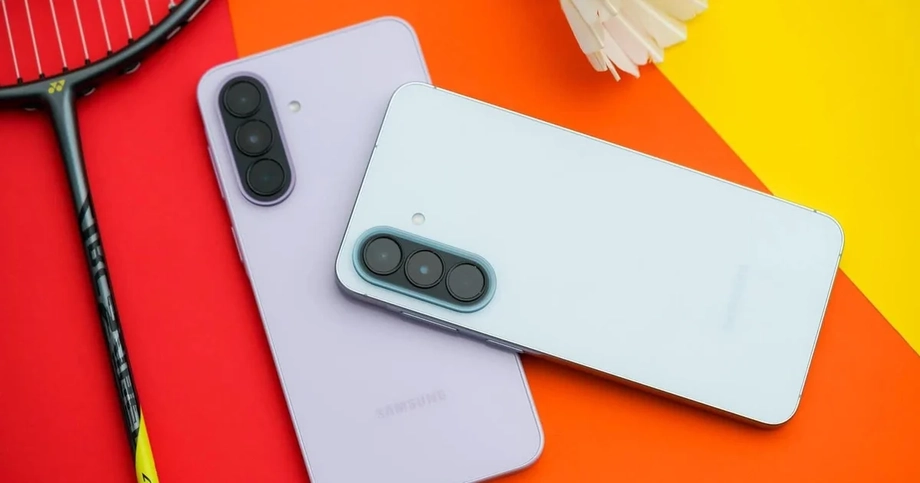
Canalys figures provide a useful comparison. Samsung shipped 60.5 million smartphones in the first quarter of 2025 alone. OpenAI's reported target of 30 million phones across two years is therefore about half the shipment volume Samsung recorded in that single quarter. The numbers show the size of the manufacturing and distribution task facing a company entering the market with its first generation of hardware.
What Apple alleged in its July lawsuit
Apple's complaint centers on whether confidential engineering and manufacturing information traveled with departing employees. It alleges that Liu kept an Apple issued laptop, exploited a network problem and downloaded confidential files concerning products that had not been released. Apple also accused OpenAI and io of participating in a coordinated effort to obtain manufacturing techniques and supplier relationships.
Tan is a central figure because of his seniority. He spent approximately 24 years at Apple, served as a vice president and led product design work for the iPhone and Apple Watch. He is now OpenAI's Chief Hardware Officer for Consumer Products. Apple alleged that Tan used job interviews to obtain confidential information from Apple employees. Its complaint also alleged that former employees secretly accessed dozens of hardware files containing engineering presentations, technical specifications and project data.
Apple further claimed that a shared supplier copied one of its metal finishing methods for OpenAI. OpenAI denied the accusations in a September court filing, arguing that Apple had not demonstrated that former employees took confidential information. OpenAI described the dispute as a mess created by Apple itself. In October, OpenAI agreed not to use the files Apple says were taken while the litigation continues.
Employee X and the files at the heart of the counterclaims
OpenAI's counterclaims introduce an operations employee identified only as Employee X. According to the filing, he joined OpenAI from Apple on December 2, 2025, initially handling camera and optics quality. His responsibilities later expanded to enclosures, finishing, inspection and manufacturing quality. His last day at OpenAI was June 2, 2026.
On February 5, 2026, Employee X allegedly sent a supplier measurement and inspection procedure running 76 pages to personal accounts. The material included design geometry, manufacturing measurements, finishing criteria, supplier performance results and inspection software. On June 1, he allegedly sent six archives to a personal Singapore telephone number. Two were named structure.zip and CPK_GRR.zip and contained geometry for devices that had not been released, enclosure measurements, process capability records and gauge analyses.
OpenAI's October account described more than 100 confidential files, including device images, engineering data and supplier information. The company says Employee X returned to Apple and, it believes, briefed senior Apple operations personnel in Asia in July 2026 about OpenAI's hardware work and product roadmap at Apple's request.
OpenAI sent Apple a letter on October 9 demanding an investigation, preservation of evidence, containment of the information and an accounting of what had happened. Its filing argues that the records are valuable because they capture specific engineering and production work. Access to test results and failure analyses could help a competitor avoid unsuccessful trials, qualify manufacturing methods sooner and anticipate production problems.
Apple said its investigation had not located OpenAI confidential information. It requested more specific details so it could continue searching and said it would work with OpenAI to examine the allegations. The counterclaim plaintiffs seek damages where permitted, restitution, legal fees, focused injunctions and a jury trial.
Suppliers, overnight shifts and restrictions on recruiting
Shared suppliers occupy another important part of the dispute. OpenAI says Apple's supply management personnel pressed vendors to identify OpenAI projects and disclose the names, locations and assignments of workers with Apple experience. Suppliers allegedly feared losing Apple work if they supported OpenAI. For many specialized tasks, OpenAI says it has only one or two qualified suppliers, so losing capacity cannot be fixed quickly.
OpenAI's filing summarizes its accusation about Apple's response to the expected hardware launch in direct terms.
Apple has responded to OpenAI's anticipated entry into the hardware market by unlawfully pressuring vendors not to work with OpenAI.
One finishing supplier allegedly moved OpenAI's work on a shared anodizing line to a separate overnight shift. Anodizing is a metal finishing process. The change was intended to prevent OpenAI devices from being processed in the same area or at the same time as Apple products, and it increased costs for both the supplier and OpenAI. A second manufacturer allegedly withdrew from planned work after threats from Apple, forcing OpenAI to revise its operations, staffing and contracts. Other suppliers reportedly moved meetings so Apple would not see them.
Apple's employment agreements are also being challenged. Liu and Tan argue that Apple defines proprietary information too broadly and that a restriction lasting one year on soliciting Apple employees or contractors restrains lawful recruiting. They contend that California law prevents those provisions from covering general skills, public information or ordinary professional mobility. Tan wants a declaration that his agreement cannot block those activities.
Personal messages become part of the privacy dispute
Chang Liu's account adds a separate argument about the boundary between company information and personal communications. Liu left Apple on January 22, 2026. He says he allowed his personal iCloud account to remain signed in on a returned Apple device solely so his former manager could retrieve Apple work files. He maintains that this permission did not extend to his personal data.
The filing alleges that Apple and forensic consultant Charles River Associates reviewed Liu's personal iMessages and other materials, including communications with people outside Apple after his employment ended. Those accusations support claims of invasion of privacy and violations of federal and California computer access laws. OpenAI also argues that Apple encourages staff to mix work and personal accounts, then uses the resulting access to monitor and discourage employees who leave for competitors.
Apple rejected the counterclaims and denied using Employee X to obtain OpenAI information or attempting to suppress competition in device manufacturing. In a statement responding to the filing, the company said its case concerned deliberate taking and use of confidential material rather than accidental retention.
OpenAI's counterclaims are a transparent attempt to distract from the substance of Apple's lawsuit, in which OpenAI has already been ordered to stop using Apple's confidential information.
The dates that now matter
Several dates connect the design partnership, the employee transfers and the court battle. They also show that product development and litigation are likely to proceed alongside each other.
- May 21, 2025: OpenAI announced the io acquisition at $6.5 billion. Completion was announced on July 9.
- December 2, 2025: Employee X joined OpenAI from Apple. His OpenAI employment ended on June 2, 2026.
- July 10, 2026: Apple filed its lawsuit against OpenAI, io, Liu and Tan.
- October 9, 2026: OpenAI sent Apple its demand for an investigation into Employee X and the transferred records.
- November 26 and 27, 2026: Fadell's Lisbon comments were reported, followed by OpenAI's counterclaims the next day.
- February 2027: The speaker could appear near the end of the month, although no launch has been confirmed.
- July 19, 2027: Apple's original case is scheduled for trial.
- Late 2027 or 2028: The possible OpenAI smartphone could reach the market.
Before trial, the court will continue dealing with evidence access, the requested injunction and the competing accounts of how confidential files moved. Product specifications could also change during development and while the legal process continues.
What users and businesses still need to learn
For consumers, the central tradeoff is easy to picture. A speaker, pendant or phone with more sensors could give an assistant useful information about a room, a journey or an ongoing task. The same hardware could collect more continuous information about private spaces and daily life. OpenAI has not explained what information a final device would capture, how long it would be kept, what would be processed locally or whether any of it would be used for model training.
Businesses considering such a phone would need answers to a more operational set of questions:
- What company information can the AI access, where is it processed and is it retained?
- Which tasks can AI agents perform independently, and which actions require employee approval, particularly payments, file access and account changes?
- Will the device support existing management systems, remote wiping, access restrictions, separation of work and personal data, and audit records?
- Will AI functions require additional subscriptions, cloud processing charges or fees for software interfaces?
Application compatibility could determine whether the phone is practical. A field technician may need to open a dispatch ticket, scan a part and submit a service report. If one tool is missing, employees could end up carrying two devices. Companies would also need a visible record when an AI task stops halfway through, so an employee can finish it manually without creating a duplicate ticket or leaving outdated information for the next worker.
OpenAI has not disclosed enough about its operating system, security design, pricing or application support to answer those questions. Its immediate challenge is to defend its supply chain and hiring program in court while turning several reported prototypes and concepts into a product people can actually buy.
What to Know
- OpenAI, io, Chang Liu and Tang Tan filed 12 counterclaims against Apple on November 27, 2026.
- Apple's original lawsuit began on July 10, 2026, and trial is scheduled for July 19, 2027.
- Tony Fadell says Apple's sensor and privacy restrictions pushed OpenAI toward hardware. Sam Altman says AI needs a new physical form.
- OpenAI announced its acquisition of io at $6.5 billion in May 2025, with completion announced that July.
- Reported products include a screenless smart speaker and a possible smartphone arriving in late 2027 or 2028.
- The counterclaims describe confidential file transfers through Employee X, pressure on shared suppliers and disputed access to Liu's personal messages.
- OpenAI has recruited roughly 400 former Apple employees, but no final device name, price, operating system or firm release date has been announced.