A temporary timeout after orgasm
Ninety-four percent of the women in a study of 117 adults experienced total aversion to sexual activity after orgasm, according to researchers in India. Their reported absolute refractory periods ranged from 30 minutes to 21 hours, putting numerical boundaries on a temporary loss of sexual interest or responsiveness that has often been discussed mainly in relation to men.
Contents
Gajanan S. Bhat and Anuradha Shastri, researchers at the TSS Shripad Hegde Kadave Institute of Medical Sciences, examined the experiences of sexually active adult women in stable relationships. Participants completed a standard assessment of female sexual function and kept diaries of their sexual encounters and orgasms. The results were published in The Journal of Sexual Medicine. Many participants said they felt satisfied, emotionally fulfilled or tired after climax. Some preferred rest or cuddling, while others simply wanted to fall asleep.
The research addresses a belief held for decades: that men need a recovery interval after orgasm, while women can continue toward repeated orgasms without a mandatory pause. The diaries present a more varied picture. Orgasm was commonly followed by a wish to stop among these participants, yet women who reached intense pleasure without orgasm described a different response. For them, continued activity brought increasing pleasure.
What is a refractory period?
A refractory period is a temporary recovery interval after orgasm. During that time, sexual desire and the response to further stimulation decrease, and additional time may be needed before another period of arousal or orgasm. In this study, an absolute refractory period referred to an interval when participants wanted no further sexual activity or showed reduced responsiveness. The effect was temporary, even when it lasted for several hours.
The authors connect the idea of recovery to neural processes, meaning activity within the brain and nervous system. Their questionnaire and diary methods recorded experiences rather than measuring nerve signals directly. The biological explanation and the reported behaviour therefore form two distinct parts of the paper: one offers a reason to expect recovery, while the other documents what the women said happened.
The researchers at the Indian institute explained their reasoning and summarized the central result in their paper.
The phenomenon of orgasm and the subsequent refractory period in women remains a mystery despite years of research. Logically, one would expect a refractory period to follow an orgasm, as it is mediated by neural processes. Our study indicates that women who experience orgasms during sexual encounters are more likely to undergo an absolute refractory period varying from 30 minutes to 21 hours.
How the researchers gathered the evidence
The team recruited 117 sexually active adult women who were in stable relationships. Those eligibility conditions give the percentages a specific setting: the participants were already having sex and could record their experiences within an ongoing relationship. The study was not constructed as a representative sample of every adult woman in India or elsewhere.
A general questionnaire and an encounter diary answer different questions. The standard questionnaire allowed the researchers to assess female sexual function using a common set of measures. The diaries then recorded particular sexual encounters and orgasms, providing detail about what happened instead of relying entirely on a general memory of a person's sex life. This combination allowed the team to compare experiences following orgasm with experiences following intense pleasure that did not end in orgasm.
No brain scans, hormone assays or nerve measurements were included in the methods described. The central evidence consists of what participants recorded about desire, pleasure, satisfaction, tiredness and their willingness to continue. Those reports are valuable because recovery after orgasm includes a person's wishes and comfort, which cannot be captured by a physical measurement alone. They also mean that the 30 minute and 21 hour figures describe reported experiences within this sample.
What the 94% figure actually describes
The 94% figure concerns total aversion to sexual activity after orgasm. In everyday language, almost all of the participants reached a point where they did not want the encounter to continue. Their reasons were varied:
- Some already felt sexually satisfied and wanted no additional stimulation.
- Some felt emotionally fulfilled by the encounter.
- Some were too tired to continue comfortably.
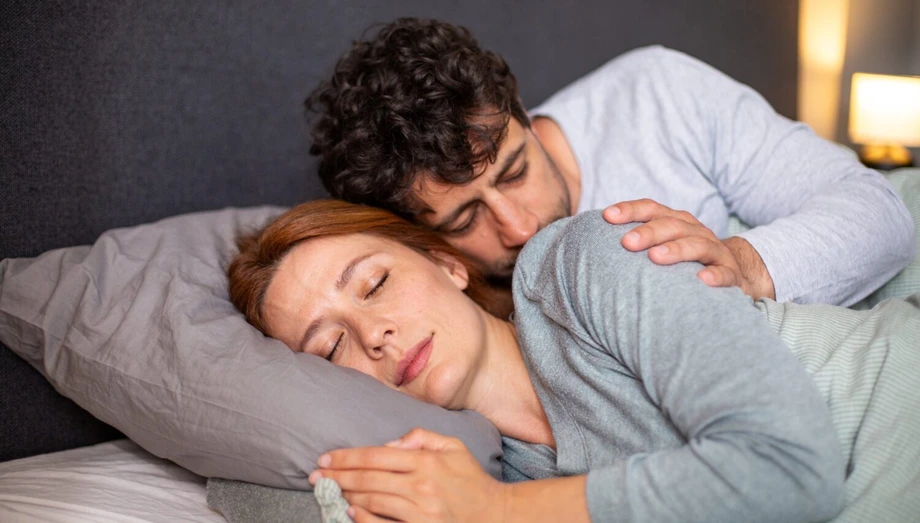
- Some preferred to rest, cuddle or go to sleep.
A request to stop could therefore accompany enjoyment and satisfaction rather than disappointment. Fatigue was another explanation, but it was not the only one. The same outward behaviour, turning away from further stimulation, could follow contentment, emotional completion, tiredness or a wish for closeness without more sex.
The duration figures answer a separate question. The absolute refractory intervals ranged from half an hour to 21 hours, but no average or median recovery time was given. The study provides the two endpoints rather than a typical duration. It also does not assign the full 21 hours to every woman who reported aversion. The 94% describes how common the wish to stop was, while the range describes how long the reported recovery intervals could last.
Why did some women want to continue?
Women who reached what the researchers called peak pleasure without having an orgasm noticed an increase in pleasure when sexual activity continued. This contrast is central to the paper because it separates two situations that can easily be grouped together: intense enjoyment with orgasm and intense enjoyment without it.
The researchers connect the difference to completion of the orgasmic cycle. In plain terms, orgasm appeared to mark a turning point toward rest and recovery for many participants. When pleasure was intense but that turning point had not occurred, some women remained responsive and wanted further activity. Their experience was one of rising pleasure rather than an immediate wish to disengage.
The results also allow a more precise discussion of repeated orgasms. A capacity for more than one orgasm and a wish to recover after a particular orgasm describe different aspects of sexual response. The diaries document a common recovery pattern after climax in this group, alongside continued enjoyment among participants who had not climaxed. They replace a single assumption about all women with evidence that the response depended partly on what happened during the encounter.
What changes for partners and counselling?
For couples, the findings give practical meaning to a partner asking to stop, cuddle, rest or sleep after orgasm. Such a request can coexist with sexual satisfaction and emotional closeness. Listening to that request also avoids turning earlier enjoyment into pressure for immediate repetition. Consent remains specific to each stage of an encounter, and wanting to stop is sufficient reason to pause.
For sexual health counselling, the research supports asking what happens after orgasm as well as whether orgasm occurs. Recovery time, satisfaction, fatigue and expectations about repeated activity can all shape whether an encounter feels comfortable. The wide range of reported intervals also leaves room for individual variation instead of setting a single recovery schedule for everyone.
What remains unknown
The clearest limits come from the size and composition of the sample. All 117 participants were sexually active adults in stable relationships. An estimate for women more generally would require broader recruitment designed to represent the population being studied. The percentage from this group should travel with that context.
The age range of participants, the length of diary observation and a typical recovery duration were not given. Those details would help show who was included and whether most intervals were closer to minutes or hours. Research incorporating nerve or hormone measurements could also examine the proposed neural mechanism directly, while larger diary studies could establish how recovery differs across a wider range of people and relationships.
The strongest conclusion remains precise and useful. Within this group, orgasm was commonly followed by a temporary wish to stop, and the reported duration varied widely. Feeling complete, tired or ready for sleep after sex can form part of the sexual response itself, with rest or affection sometimes preferred to further stimulation.
Key Points
- Researchers at the TSS Shripad Hegde Kadave Institute of Medical Sciences studied 117 sexually active adult women in stable relationships.
- Participants completed a standard sexual function questionnaire and kept diaries of sexual encounters and orgasms.
- Ninety-four percent experienced total aversion to sexual activity after orgasm.
- Reported absolute refractory periods ranged from 30 minutes to 21 hours, with no average duration given.
- Reasons for stopping included satisfaction, emotional fulfilment, fatigue and preferences for rest, cuddling or sleep.
- Women who reached peak pleasure without orgasm reported increasing pleasure when activity continued.
- The findings support greater attention to recovery and less pressure for immediate repeated sexual activity.