Bhopal vaccine targets a strain circulating in India
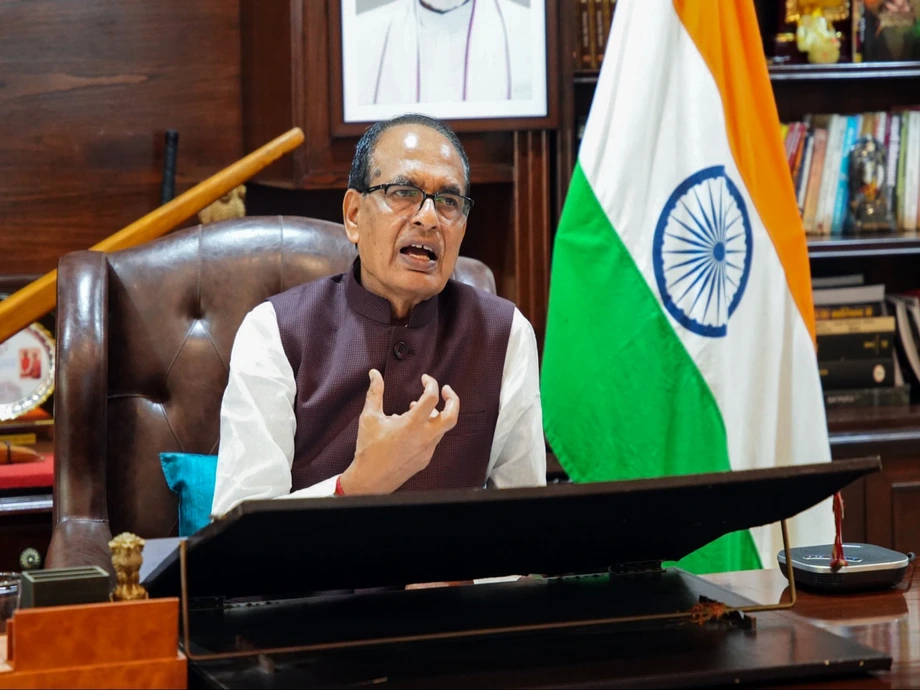
India will dedicate its first indigenous vaccine against H5N1 clade 2.3.2.1a to the nation on November 20, 2026, as fresh poultry outbreaks show how quickly bird flu can destroy flocks. Union Agriculture Minister Shivraj Singh Chouhan is scheduled to unveil the vaccine at the Indian Council of Agricultural Research's National Institute of High Security Animal Diseases (ICAR-NIHSAD) in Bhopal, where it was developed.
Contents
- Bhopal vaccine targets a strain circulating in India
- What the vaccine is designed to do
- Why layers and breeding birds are the first focus
- Cuddalore shows the cost of an outbreak
- A three month wait before farms can restock
- How the recent events unfolded
- What repeated outbreaks cost the poultry sector
- What people need to know about human risk
- Key Points
The inactivated vaccine is designed for chickens and targets a specific branch of the H5N1 virus circulating in the country. The Agriculture Ministry says no specific commercial vaccine is currently available against this clade, which has been responsible for most bird flu outbreaks in chickens described in its announcement.
The development comes against a stark local example. In Tamil Nadu's Cuddalore district, animal husbandry authorities recorded 35,647 bird deaths through November 13. Officials ordered culling at the affected farm and within a radius of one kilometre, restricted poultry movement and prohibited restocking in the affected area for three months.
The vaccine could give farmers another way to protect their birds alongside testing, surveillance and farm hygiene. Its immediate practical value will depend on production, distribution and the vaccination programme adopted by veterinary authorities.
What the vaccine is designed to do
H5N1 is a subtype of influenza virus that primarily infects birds. A clade is a branch of related viruses within that subtype, rather like a branch on a family tree. The name 2.3.2.1a identifies the branch targeted by the Bhopal vaccine.
An inactivated vaccine uses virus that has been rendered unable to reproduce. It trains the immune system to recognise the virus and respond when the animal encounters it later. Targeting the circulating branch matters because influenza viruses change, and vaccines are developed with particular virus strains in mind.
A single dose is expected to protect chickens for six months, and trials in laying hens and breeder chickens have been described as encouraging. The reported plan is to introduce vaccination at commercial poultry farms in phases, under the supervision of veterinarians and trained staff.
The announcement has not yet set out a firm commercial availability date, price, production volume, eligibility rules or detailed vaccination protocol, and it does not provide numerical trial results. November 20 is the scheduled dedication date; farmers will need operational instructions before they can plan vaccination for their flocks.
Why layers and breeding birds are the first focus
Laying hens, often called layers, are kept to produce eggs. Breeder chickens produce the eggs from which future poultry flocks are hatched. Both generally remain on farms longer than broilers, which are raised for meat.
Protection lasting six months would therefore be particularly useful for these longer lived birds. Losing a laying flock interrupts daily egg production, while losing breeders can disrupt the supply of chicks to other farms. The reported initial focus on these birds connects disease prevention with two important parts of the poultry supply chain.
China, Egypt and Vietnam also use bird flu vaccines, but the vaccines described in those countries target different virus clades. India's development is aimed specifically at the H5N1 clade identified as a continuing problem in its poultry population.
Vaccination would sit alongside biosecurity, meaning practical steps that keep infection out of a farm and limit its movement between farms. Those steps include controlling the movement of birds, equipment and people, cleaning premises and quickly reporting unusual deaths.
Cuddalore shows the cost of an outbreak
Cuddalore's outbreak was first flagged on October 30 after sudden bird deaths at a farm in Thamanampatti village. Veterinary teams collected samples and sent them to a poultry diagnostic laboratory in Namakkal. As deaths appeared at neighbouring farms, testing also involved laboratories in Erode and Madhavaram, Chennai.
A carcass sample sent to ICAR-NIHSAD in Bhopal on November 5 led to confirmation of H5N1 on November 13. The confirmed farm was in Kattiyankuppam village, in Kurinjipadi taluk. The same institute responsible for developing the vaccine therefore also played a central role in diagnosing this outbreak.
District officials said 15 farms were affected. All birds in 10 of those farms had already died, leaving five farms for culling operations. Nine rapid response teams were deployed to carry out containment measures, including culling and disposal of carcasses.
The department recorded 35,647 bird deaths in the affected belt through November 13. Subsequent containment operations were reported to have involved the culling of around 40,000 chickens. For farmers, both deaths from disease and the destruction of birds under containment orders mean lost stock and interrupted production.
Authorities said the outbreak was confined to the designated Cuddalore compartment, with no confirmed spread to other compartments at the time of their statements. Poultry transport restrictions, surveillance, cleaning and disinfection were introduced to keep infection within that area.
A three month wait before farms can restock
Cuddalore District Collector Sibi Adithya Senthilkumar said farm owners had been instructed to leave affected premises without new birds for three months, with local authorities monitoring compliance.
"We have instructed poultry farm owners not to restock birds for the next three months as part of the safety protocol. Officials from the Revenue Department and local panchayats will monitor the farms to ensure compliance. We have taken all measures to prevent the virus from spreading to humans," he said.
The restriction extends the economic disruption beyond the immediate loss of chickens. An affected farm must complete containment and cleaning measures, then wait before rebuilding its flock. Egg sales, purchases of chicks and other routine activity linked to that farm can be interrupted during the pause.
Culling within one kilometre of the affected premises followed the Government of India's 2021 avian influenza guidelines. Authorities also asked residents to report unusual bird deaths to the nearest veterinary institution and urged farmers to cooperate with containment teams.
How the recent events unfolded
Andhra Pradesh also confirmed bird flu in poultry in October, including in Siddarampuram village in Bukkarayasamudram mandal, Anantapur district. The state declared infected and surveillance zones and restricted poultry movement.
The recent sequence places the vaccine announcement alongside active disease control work in two states:
- October 2026: Bird flu was confirmed in poultry in Anantapur district, Andhra Pradesh.
- October 30: Sudden poultry deaths were first reported at Thamanampatti in Cuddalore district.
- November 5: A carcass sample from the Cuddalore outbreak was sent to ICAR-NIHSAD in Bhopal.
- November 13: H5N1 confirmation was received, with 35,647 bird deaths recorded in the affected belt by that date.
- November 18: The Agriculture Ministry announced the planned dedication of the indigenous vaccine.
- November 20: Chouhan is scheduled to dedicate the vaccine at ICAR-NIHSAD, Bhopal.
The Department of Animal Husbandry and Dairying's annual report for 2025-26 also records outbreaks during 2025 in Maharashtra, Chhattisgarh, Jharkhand, Andhra Pradesh, Madhya Pradesh, Telangana, Karnataka and Bihar. The challenge extends across several poultry producing regions rather than a single local outbreak.
What repeated outbreaks cost the poultry sector
India has recorded more than 500 combined outbreaks of H5N1 and H5N8 since bird flu was first detected in the country in 2006, according to the Agriculture Ministry. Highly pathogenic avian influenza can cause mortality approaching 100% among infected birds, making a delayed response especially costly.
The ministry puts estimated direct and indirect losses from the 2006 outbreak at ₹2,200 crore to ₹3,000 crore, equivalent to ₹22 billion to ₹30 billion. It also cites losses from an outbreak in Manipur equivalent to 0.5% of the state's gross domestic product, a measure of the value of goods and services produced there.
The ministry's warning about an uncontrolled major outbreak is broader: more than 20% of India's poultry population could be at risk, and GDP growth could fall by up to 1.5%. These are estimates of potential damage under a severe scenario. Their calculation method was not detailed in the announcement.
The commercial stakes extend from small farms to large poultry businesses. Venky's India reported revenue from operations of ₹1,066.01 crore for the quarter ended September 30, 2026, compared with ₹1,118.38 crore in the preceding quarter, a decline of about 4.7%. Its animal health business has also expanded capacity at a Kesurdi facility built with an investment of ₹67 crore.
Vaccine adoption will be one part of the sector's financial picture. Distribution costs, uptake among farms, poultry selling prices and the cost of feed ingredients such as maize and soya will continue to affect farm income. A disease prevention programme must reach farms reliably to make a practical difference to their operations.
What people need to know about human risk
H5N1 can occasionally infect people, particularly after close, unprotected contact with infected birds or contaminated environments. Human infections remain uncommon, and sustained transmission between people has not been established.
The Agriculture Ministry's announcement cites World Health Organization figures of 1,003 reported human H5N1 cases across 25 countries, including India, since 2003, with 479 deaths. It also says clade 2.3.2.1a has been detected in mammals and linked to three human infections.
Farm workers and people involved in culling face direct contact with potentially infected birds. Reducing infection in poultry could reduce opportunities for that exposure, while protective equipment, veterinary supervision and prompt reporting remain essential during an outbreak.
Residents should avoid touching sick or dead birds with bare hands and report unusual deaths to veterinary authorities. Poultry and eggs should be handled hygienically and cooked thoroughly. The new vaccine is intended for chickens; public health protection also depends on coordinated work between animal health and human health authorities.
Key Points
- India's indigenous inactivated H5N1 vaccine targets clade 2.3.2.1a and is scheduled for dedication in Bhopal on November 20, 2026.
- A single dose is expected to protect chickens for six months, with laying hens and breeder birds the reported initial focus.
- Commercial availability, pricing, production volumes and detailed vaccination rules have not been announced.
- Cuddalore recorded 35,647 bird deaths through November 13, followed by culling, poultry movement restrictions and a three month restocking ban.
- India has recorded more than 500 combined H5N1 and H5N8 outbreaks since 2006, according to the Agriculture Ministry.
- Vaccination would add to surveillance, testing, farm hygiene and rapid containment rather than replace those measures.