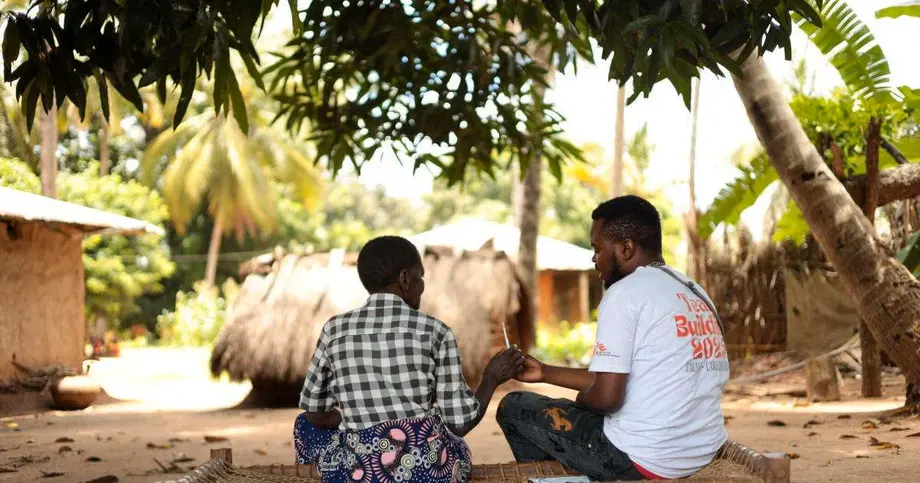
A small shipment with a large public health goal
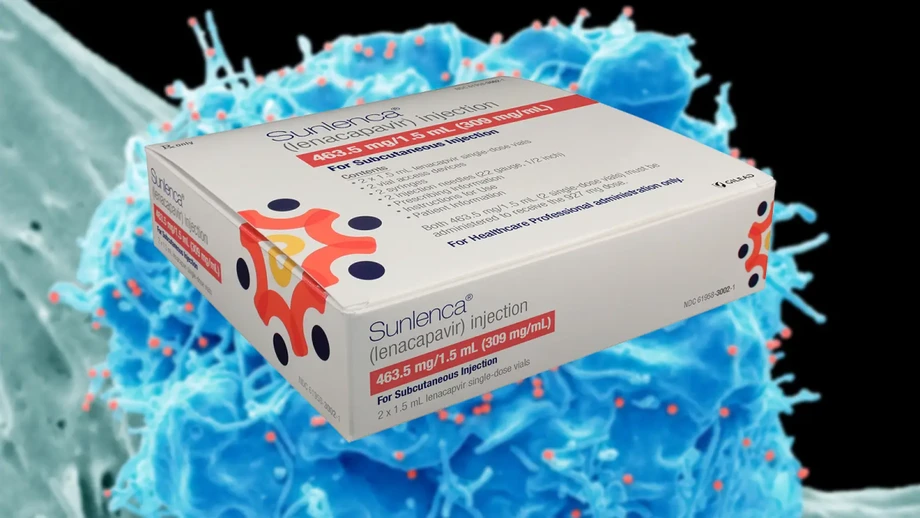
The Hyderabad drugmaker Hetero has begun phased shipments of generic lenacapavir to Zambia, Uganda and Zimbabwe, opening a new chapter in the fight against HIV in Africa. Lenacapavir is a preventive medicine given as an injection twice a year. It belongs to a group of drugs known as PrEP, which people who do not have HIV use before exposure to lower their chance of infection. The generic is being supplied under licences from Gilead Sciences, the US company that developed the drug, and the licences cover 120 low and middle income countries.
Contents
- A small shipment with a large public health goal
- When the first vials were expected to arrive
- Why a shot twice a year matters
- How large is the need in Africa?
- How the $40 price became possible
- What trials and regulators said
- What Hetero is putting into the pipeline
- Where access could still stall
- Why India is central to this story
- What health workers must get right
- What happens next
- Key Points
The price gap is stark. Hetero's generic is expected to cost about $40 per person a year, while Gilead's original product, sold as Yeztugo in the United States, has been listed at about $28,000 per person a year. For a health ministry deciding how far to stretch an AIDS budget, that difference can decide whether a prevention tool stays out of reach or becomes a routine option in clinics. For a person at risk, it can decide whether a shot is theoretical or actually offered.
Gilead and the Global Fund placed the first generic delivery in Zambia on November 25, 2026, with Uganda expected to receive supplies in the coming days and Zimbabwe due in early 2027. Uganda was also described as the place where the first generic supplies arrived on Wednesday, so both countries featured in the opening announcements. Hetero put its planned initial volume at 300,000 vials. A 300 vial figure also appeared, with no explanation for the gap.
When the first vials were expected to arrive
Zambia was the first confirmed landing point for the generic supply, and the medicines still had to clear national checks before use. The Global Fund said Zambia clearance would be followed by use within about three weeks. Uganda was next in line, while Zimbabwe was tied to Global Fund financing and United Nations Development Programme purchasing.
The sequence matters because a shipment is only the start. A country must approve the product, line up financing, train staff, identify people who could benefit, and run HIV tests before injecting a drug that can remain in the body for months.
- October 2024: Gilead signed royalty free voluntary licences with six generic manufacturers for 120 countries.
- September 2025: the Gates Foundation partnered with Hetero, while Unitaid, the Clinton Health Access Initiative and Wits Reproductive Health and HIV Institute worked with Dr Reddy's Laboratories.
- November 25, 2026: the first generic delivery reached Zambia, with Uganda expected soon after.
- November 26, 2026: Hetero said it had started shipping and planned 300,000 vials to Zambia, Uganda and Zimbabwe.
- Early 2027: Zimbabwe is due to receive supplies, Hetero plans generic oral initiation tablets, and shipments to 10 more African countries are planned.
- Through 2028: Gilead, PEPFAR and the Global Fund plan no profit supply for up to three million people while generics scale up.
Why a shot twice a year matters
PrEP means using medicine before possible exposure to HIV. Daily oral PrEP requires taking a pill every day. Lenacapavir replaces that routine with an injection every 26 weeks after a short start up phase. That matters for people who struggle with daily pills because of stigma, unstable housing, privacy concerns or simply the burden of remembering.
Lenacapavir works by attaching to HIV's capsid, the protein shell around the virus's genetic instructions. Think of it as a coat that helps the virus enter cells and copy itself. Lenacapavir interferes with several steps in that process, which is why it is called a capsid inhibitor.
The US prescribing information describes a start with a 927 mg injection and 600 mg of tablets on day one, another 600 mg on day two, then a 927 mg injection every 26 weeks. The medicine is meant to prevent infection, not treat someone who already has HIV. People must test negative before starting and before each injection. If an undiagnosed infection is present, the virus can develop resistance, making future treatment harder. Common side effects include injection site reactions, headache and nausea.
How large is the need in Africa?
The UNAIDS Global AIDS Update, published by UNAIDS, estimated 40.8 million people living with HIV in 2024, 1.3 million new infections and 630,000 AIDS related deaths. It said sub-Saharan Africa was home to more than 60% of all people living with HIV and half of the 9.2 million people globally who needed treatment but were not receiving it.
The 2026 UNAIDS global HIV fact sheet, released on November 24, put eastern and southern Africa at 21.1 million people living with HIV in 2025 and western and central Africa at 5.2 million. Together, those regions had 26.3 million of the estimated 41 million people living with HIV worldwide, about 64%. They recorded 420,000 and 190,000 new infections, respectively.
Funding pressure is already affecting prevention. UNAIDS said the number of people receiving PrEP in Nigeria fell from about 43,000 in November 2024 to below 6,000 by April 2025. It also said PEPFAR contributed more than 90% of PrEP initiations globally in 2024, making prevention programmes vulnerable to United States funding cuts. WHO figures cited around the rollout put 41 million people living with HIV and 570,000 HIV related deaths last year.
How the $40 price became possible
The Gilead release, published by Gilead Sciences on November 25, said the first generic supply reached Zambia in less than 18 months after approval of the original medicine in the United States. Gilead called that the fastest ever pathway from approval of an innovator HIV medicine to generic availability. The company said it began building a global access plan in 2022, before Phase 3 results were available, after consultations with more than 100 community groups, governments, donors and health partners.
In October 2024, Gilead signed agreements with six generic manufacturers and completed technology transfer that year, giving them time to develop products before regulatory approval. The licence territory covers 120 high incidence, resource limited countries. Gilead also worked with PEPFAR and the Global Fund to supply the drug at no profit while generic production scaled, with a goal of reaching up to three million people through 2028. UNAIDS estimated that lenacapavir could be made profitably for about $40 per person a year and said demand of five million to 10 million people could push the price toward $25. It also noted that no price had been set for the no profit supply.
Daniel O'Day, chairman and chief executive of Gilead Sciences, said the company signed the licences before approval because early planning was needed to make supply ready. He framed the issue around people who could benefit from the drug.
We signed royalty-free voluntary licenses for lenacapavir eight months before regulatory approval to ensure early generic supply. Access is a priority because we know that breakthroughs like lenacapavir only matter when they reach the people who need them most.
What trials and regulators said
The World Health Organization recommended lenacapavir for HIV prevention in July 2025 after trials showed high effectiveness. In PURPOSE 1, injections every six months produced 100% efficacy among adolescent girls and young women in South Africa and Uganda. In PURPOSE 2, efficacy was 96% among cisgender men and transgender men and women in Argentina, Brazil, Mexico, Peru, South Africa, Thailand and the United States. Gilead said both Phase 3 trials showed superiority to a daily oral PrEP comparator. Science named lenacapavir its 2024 Breakthrough of the Year.
US regulators gave tentative approval earlier this month to a generic developed by Dr Reddy's Laboratories. Tentative approval means the product met review standards but cannot be sold in the United States while Gilead's patent on Yeztugo remains in force. The Global Fund credited that approval, plus its Expert Review Panel recommendations, with helping countries move faster on procurement.
Peter Sands, executive director of the Global Fund, said the arrival of generic lenacapavir gave countries a prevention tool with unusually strong protection. He said affordability and access could bring millions more people within reach.
The arrival of generic lenacapavir is a major breakthrough in our efforts to prevent new HIV infections and accelerate progress toward ending AIDS. By making this powerful prevention tool more affordable and accessible, we have an unprecedented opportunity to reach millions more people at risk of HIV.
What Hetero is putting into the pipeline
Hetero is introducing its injectable generic under the brand names Lexapir and Capvic. Both the injectable and its oral initiation tablets have received a Global Fund Expert Review Panel recommendation, which allows procurement through eligible Global Fund channels while full regulatory review or World Health Organization prequalification continues. In Zimbabwe, procurement is being handled through the United Nations Development Programme using Global Fund financing.
Vamsi Krishna Bandi, managing director of Hetero Group of Companies, said the company can produce far more than the first consignment. He said that capacity gives Hetero room to support wider prevention efforts.
With an annual production capacity of 15 million vials of generic lenacapavir and the ability to expand further, we are ready to support wider access to HIV prevention across Africa.
The planned first supply of 300,000 vials is one fiftieth of that stated annual capacity. Hetero partnered with the Gates Foundation in September 2025, with upfront funding and volume guarantees, and can supply active pharmaceutical ingredients to other generic makers. Those ingredients are the key components used to make finished medicines. Hetero plans its own generic oral initiation tablets by January 2027, while Gilead supplies starter tablets in the meantime. It also plans shipments to 10 more African countries in early 2027 and an India launch subject to regulatory clearance.
Where access could still stall
The Doctors Without Borders statement, published by Doctors Without Borders on November 25, said only 189,000 people had started lenacapavir across 10 countries since its launch in low and middle income countries in December 2025. The statement set that figure beside 1.2 million people acquiring HIV last year and the UNAIDS target of 20 million people accessing PrEP by 2030.
Doctors Without Borders said 26 middle income countries, including most of Latin America, are barred from buying generic lenacapavir under the licence terms. Brazil, Argentina, Mexico and Peru hosted clinical trials for the drug but remain outside the generic market. The group called on excluded governments to consider compulsory licensing, a legal step that can allow generic production without the patent holder's permission in certain public health cases, and urged donors to increase financing.
Carlota Baptista, the group's global HIV and hepatitis C access and advocacy lead, said the first delivery alone would not solve the wider supply problem. She criticised the pace of the rollout and the licence boundaries.
One delivery isn't the same as sustainable access. Gilead's drip-drop rollout of lenacapavir continues to be unacceptable.
Why India is central to this story
After India's patent dispute over lenacapavir tested access to a $40 HIV prevention shot, the Hetero shipments show a second route: licensed generic production. At least 18 Indian patent applications covering lenacapavir have drawn challenges from patient groups. Some could extend protection to 2042, 28 years after the first filing. The dispute covers the basic compound, salt forms, formulations, dosing regimens, compositions and methods of use.
India has a long record as a supplier of affordable medicines to Africa. A 2020 study in a WHO public health journal traced the modern generic HIV drug era to 2001, when Cipla offered a three drug HIV treatment for $350 a patient a year, far below the roughly $10,000 or more charged by multinational companies. The India Brand Equity Foundation, citing trade data, said India exported $5.07 billion in pharmaceutical products to Africa in FY2025-26, or 16.28% of its total pharmaceutical exports.
India's own prevention gap remains large. The National AIDS Control Organisation estimated 2.56 million people living with HIV in 2024, about 6.3% of cases worldwide. Hetero sought approval for both oral and injectable forms of lenacapavir, and an advisory panel recommended the product on Wednesday. One person familiar with the process expected a February launch. No final approval had been announced, and no decision date was given. Hetero and the Drugs Controller General of India did not immediately respond to requests for comment. Eldred Tellis, executive director of Sankalp Rehabilitation Trust, said many Indians at risk could benefit from PrEP but few can get it.
An estimated 1.7 million people at risk of acquiring HIV in India could benefit from PrEP (prevention drug), but fewer than one in 100 currently have access to it.
What health workers must get right
Lenacapavir can protect for 26 weeks, but protection begins with the oral initiation phase. Gilead is supplying starter tablets until Hetero's generic tablets arrive. Clinics must also test for HIV before the first injection and again before each later injection. A person who tests positive needs treatment, not prevention alone. If a scheduled injection is delayed by more than two weeks, weekly tablets can be used for up to six months until injections resume.
The injection must be given under the skin. The prescribing information warns that an injection into the skin rather than under it has caused serious reactions, including tissue death and ulcers. Drug interactions also matter because strong or moderate CYP3A inducers can lower lenacapavir levels. CYP3A is a group of liver enzymes that process many medicines. Residues of lenacapavir can remain in the body for 12 months or longer, so people who stop it and remain at risk need another prevention option within 28 weeks of the last injection.
These steps are practical, not decorative. A cheap vial cannot protect anyone if it arrives without testing, trained staff, follow up and a reliable supply of the tablets needed to start or pause the regimen.
What happens next
The Global Fund expects 24 countries to have received lenacapavir by the end of 2026. It plans to deliver four times the 2026 volume in 2027, with substantial generic shipments in the first quarter of that year. Working with the United States government, it aims to reach at least three million people by the end of 2028. Hui Yang, the Global Fund's head of supply operations, said expanding the number of suppliers whose quality has been assured is important for demand and uninterrupted access.
Hetero's wider path depends on national approvals, procurement contracts and the ability of health programmes to reach communities. Its India launch remains subject to clearance. The 10 additional African countries are planned for early 2027, but the pace will depend on financing and local regulatory work. UNAIDS said lenacapavir can be a valuable addition if it is affordable, fully financed and aimed at people at highest risk.
For patients, the change is concrete. A prevention method that once cost as much as a car in the United States is now being packed into vials priced around $40 a person a year. The next test is whether clinics can turn those vials into regular protection before new infections overtake the rollout.
Key Points
- Hetero began shipments of generic lenacapavir to Zambia, Uganda and Zimbabwe, with 300,000 vials planned initially; an earlier figure listed 300 vials.
- The first generic delivery was placed in Zambia on November 25, 2026, while Uganda was also named as an early first arrival point.
- The generic is expected to cost about $40 a person a year, compared with about $28,000 for the original drug in the United States.
- Lenacapavir is given by injection every 26 weeks after oral starter tablets and requires HIV testing before each injection.
- Gilead licensed six generic manufacturers to supply 120 countries and said the generic arrived in less than 18 months after US approval.
- The Global Fund expects 24 countries to have supplies by the end of 2026 and aims to reach at least three million people by the end of 2028.
- Doctors Without Borders says 26 middle income countries remain excluded from generic access and 189,000 people had started lenacapavir across 10 countries.
- Hetero plans oral initiation tablets by January 2027, shipments to 10 more African countries in early 2027 and an India launch subject to approval.