A Cream Bought for Pimples Became a Kidney Case
A teenager aged 17 from Ugrapuram in the Areakode area of Malappuram district is at the centre of a police case after she allegedly used F Tune, a fairness cream promoted on Instagram, for nearly a year and developed membranous nephropathy, a kidney disease that can be life threatening. Her age is given as 17 in the complaint and hospital statement; a later published version gave it as 18. Laboratory testing of the cream found 12,500 parts per million of mercury, or 1.25 percent, while India's Cosmetics Rules, 2020 set 1 ppm as the limit for ordinary cosmetics and mercury is banned as an intentional ingredient.
Contents
- A Cream Bought for Pimples Became a Kidney Case
- What Doctors Saw When Swelling Would Not Go Away
- How an Instagram Advertisement Led to Three Bottles
- What the Police Case Alleges
- Kerala Orders Inspections Under Operation Soundarya
- Why Mercury Can Damage a Kidney
- Another Kerala Patient Describes a Similar Diagnosis
- Medical Associations Warn About Unchecked Products
- The Fairness Market Behind the Medical Alarm
- What Is Still Unknown and What Comes Next
- Key Points
The finding means that for every million parts of cream, 12,500 parts were mercury. The hospital where she was treated said the level was drastically higher than the permissible safety limits set by the Central Drugs Standard Control Organisation (CDSCO) for cosmetics. Police registered the case on Sunday night against the producer of the cream, and the Kerala State Commission for Protection of Child Rights has also registered a case against the manufacturer. The girl's name has been withheld to protect her identity.
Doctors named in connection with her care include Dr Satheesh, a nephrologist at Aster MIMS Mother Hospital in Malappuram district, and nephrologist Gowri S. The case turns a common teenage worry, pimples and uneven skin tone, into a question of product safety, online advertising and whether regulators can reach sellers who work through social media.
What Doctors Saw When Swelling Would Not Go Away
The teenager said the cream first seemed to work. It cleared pimples within a short period, which made it hard to stop using, she said. After a couple of months, her body began sending a different signal: fatigue, headaches, dizziness, insomnia, swelling in her legs and face, and difficulty standing upright. Hospital material also lists sudden drops in blood pressure, fainting and an episode that required intensive care.
Swelling in one leg led to a urine test that showed albumin leaking into her urine. Albumin is a protein that should mostly stay in the blood. When it passes into urine, it can mean the kidney filters are damaged. doctors later identified the condition as membranous nephropathy, in which immune deposits thicken the kidney's filtering walls and allow large amounts of protein to escape.
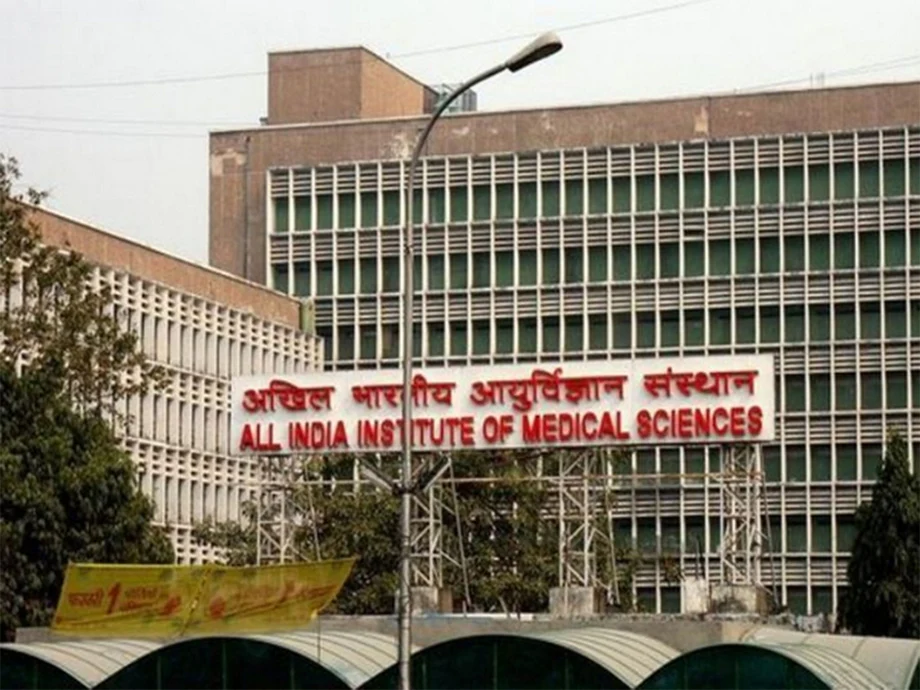
Aster MIMS Mother Hospital, where the teenager was treated, described her condition in a statement. The hospital said doctors began treatment quickly, then suspected a toxin because the symptoms did not follow a usual pattern. It described her arrival this way:
The teenager was initially brought to the hospital by her parents with severe body swelling and acute physical distress.
The hospital said blood and clinical tests then found dangerously elevated mercury in her system. It explained the doctors' reasoning in a second statement:
While primary treatment was initiated, the unusual progression of her symptoms prompted doctors to suspect an underlying toxin. Subsequent blood and clinical tests revealed dangerously elevated levels of mercury in her system.
Dr Satheesh said mercury absorbed through the skin could damage the kidneys' filtration units and lead to blood toxicity. If untreated, such toxicity can cause kidney failure and severe neurological damage. The nephrologist said the girl improved slowly after treatment but was still recovering:
Since starting treatment, she has shown gradual improvement. However, she is not back to normal yet and it may still take time for her to fully recover.
She was discharged from hospital after about a month, while the first information report says treatment lasted several months. On Monday, she said she still had health issues and found it difficult to study. Doctors told her the condition was at an early stage and could be treated over one to two years, but a late diagnosis could cause permanent kidney damage. Her family spent nearly Rs 1 lakh on medical expenses.
How an Instagram Advertisement Led to Three Bottles
The teenager, whose name is withheld, said she first saw the cream through social media advertising after wanting to treat pimples and pigmentation. She said she contacted the seller through a number shown in the promotion, bought the first bottle about a year ago through a social media app and purchased three bottles over the past year.
She said the advertisement made the product sound like a simple solution for common skin problems. The teenager described what the seller promised:
The company claimed that continuous use [of the cream] every night would help remove pimples and pigmentation. It also promised visible results with consistent application.
The teenager said the packaging gave her no reason to suspect mercury. She said the label mentioned turmeric and other natural ingredients, with no warning about toxic metals. She described the label in these words:
The cream had only location details as Dubai. There was no other details. On ingredients, it read turmeric and only other natural ingredients. If we knew they were using mercury, then we would have never used it. It doesn't say about mercury.
She said the seller initially asked which language she preferred. She also said several social media influencers promoted the product, but she declined to name them because she did not want the complaint to target specific individuals. Some classmates had also used the cream, she said, and had not reported health problems so far. After her diagnosis, they asked her about the tests she underwent.
What the Police Case Alleges
Areakode police registered the case on Sunday night after a complaint from the girl. The first information report names the producer of F Tune as the accused. It was registered under Sections 316(2) and 318(2) of the Bharatiya Nyaya Sanhita (BNS), Section 27A(1) of the Drugs and Cosmetics Act and Section 118(e) of the Kerala Police Act.
The FIR alleges that the accused manufactured and sold a cream containing adulterated substances and excessive mercury while aware that it could endanger human life. It also alleges misleading claims that the product could reduce facial blemishes, dark spots and patches and remove marks, with unlawful profit as the aim. Police did not immediately name the producer in public, and no arrest was announced in the information released. No court hearing date was given.
The Kerala State Commission for Protection of Child Rights has also registered a case against the manufacturer and sought reports from health and regulatory authorities. The teenager has decided to pursue legal action against the manufacturer after allegedly receiving no satisfactory response to her complaints, according to accounts of her decision. Further police investigation is under way.
Kerala Orders Inspections Under Operation Soundarya
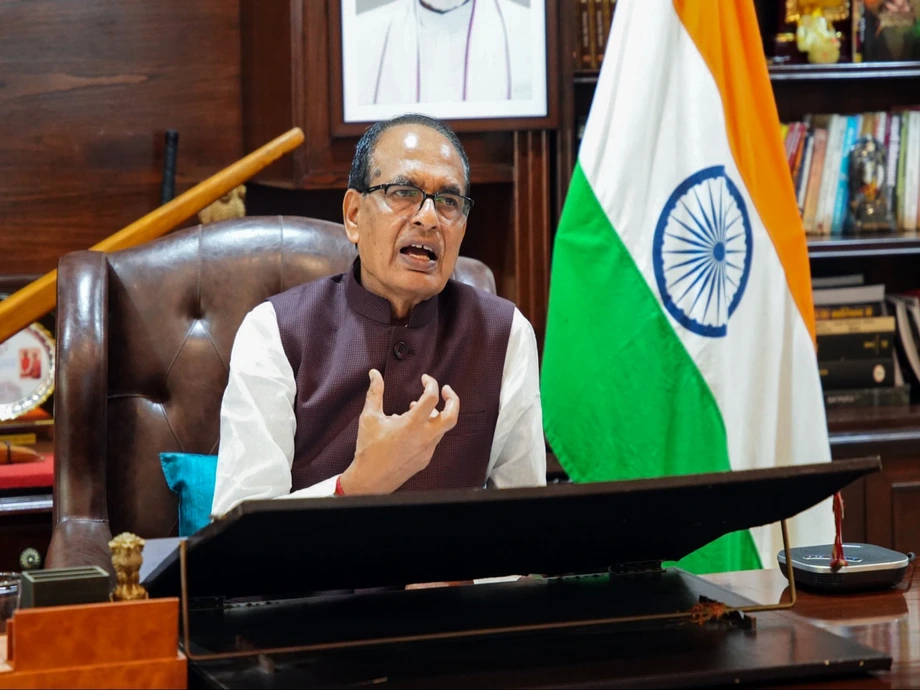
Health Minister K Muraleedharan ordered a statewide crackdown on illegal cosmetics after the case. The drive, called Operation Soundarya, directs the Drug Control Department to inspect shops and distribution networks, identify manufacturers and sellers, and send suspicious samples for testing. The minister warned that establishments found selling illegal products could face permanent cancellation of their licences as well as criminal proceedings.
The inspections will cover face sheets, fairness products, creams claiming to change skin colour and other cosmetics. They will also include protein powders, pills, ointments and other health products marketed with claims about muscle strength, physical fitness or body performance. Officials have been told to trace where the products come from and who moves them through the market.
Mr Muraleedharan said online networks and the Mangaluru and Kasaragod region were among the routes being examined. He also referred to reports about products entering from Pakistan, while saying the government had not officially received information confirming the entry of dangerous creams from Pakistan. He said the matter would be investigated and discussed with the Chief Minister and Home Minister. Social media influencers and vloggers promoting unsafe cosmetics or supplements through claims without scientific evidence will also come under scrutiny.
In September 2026, the CDSCO issued a public health alert against two creams made in Pakistan, Goree Beauty Cream and Chandni Whitening Cream. The regulator said laboratory tests found excessive heavy metals and that neither product had the mandatory registration certificate for import and sale in India. It told consumers not to buy or use them and told enforcement officials to stop their sale, distribution and advertising. Those two products are different from F Tune.
Why Mercury Can Damage a Kidney
Mercury is a toxic heavy metal. Some illegal products sold to lighten skin use it because it can interfere with melanin, the pigment that gives skin its colour. That effect can make a cream appear to work quickly, even while the metal is being absorbed through the skin into the bloodstream.
The kidneys are vulnerable because they filter blood. Mercury can collect in the glomeruli and tubules, the tiny structures that remove waste and keep protein in the blood. Damage to these structures can allow protein to leak into urine. That can produce foamy urine, fluid retention, swelling around the eyes, face, legs or feet, reduced urine output and fatigue. Mercury exposure can also affect the nervous system, with symptoms such as tremors, insomnia, headaches, memory problems and difficulty concentrating.
In this case, doctors treated the teenager with medicines to remove toxins while managing kidney complications. The hospital said the sample of cream was sent for laboratory testing after doctors suspected mercury exposure. The 12,500 ppm result, equal to 1.25 percent of the product, was far above the permitted level. Doctors said early treatment gave her a chance to improve over one to two years, while delayed diagnosis could cause permanent kidney damage.
Another Kerala Patient Describes a Similar Diagnosis
Singer Saleem Kodathoor said he was diagnosed with membranous nephropathy nearly 10 years ago after using a fairness cream he got from a friend in Kasaragod. He said he paid Rs 500 for the product and used about one and a half bottles over more than a year. His skin became fair within a week, he said, but health problems followed soon after.
Saleem said he first thought he had a urinary infection and was hospitalised. Later, swelling in his eyelids and legs, fatigue and protein loss led doctors to the same kidney diagnosis. He described the toll of treatment this way:
For almost a year, I was in and out of hospitals. I was physically, mentally and financially broken because of this.
He said a friend introduced him to the cream and four other people who used the same product also developed health problems. Saleem said the effects did not fully disappear. He still has sleep trouble and uses medicine on some days:
I can sleep for only two to three hours a day. On some days, I take medication to sleep.
His account has become part of the wider concern in Kerala about products that promise quick changes in appearance. He urged people to be cautious about fairness products that show fast results without clear ingredient information.
Medical Associations Warn About Unchecked Products
The Indian Medical Association (IMA), Kerala branch, called for an immediate statewide crackdown on illegal fairness creams containing high mercury levels. It asked the Drugs Control Department to raid premises across all districts, seize unsafe products, send samples to government approved laboratories and prosecute manufacturers and sellers. It also sought a ban on advertising and sales through social media and e-commerce platforms.
The IMA said manufacturers, distributors, online sellers and influencers making misleading claims should be held accountable under the Drugs and Cosmetics Act, the Consumer Protection Act and other applicable laws. The association said many unauthorised products are promoted on Instagram, YouTube and WhatsApp with claims about instant whitening, pigmentation removal and acne care, while lacking clear details about manufacturers, ingredients, licences, quality certification and expiry dates.
The Indian Association of Dermatologists, Venereologists and Leprologists (IADVL), Kerala, also issued a public health warning. In a resolution adopted at its general body meeting on Sunday, it cautioned people against counterfeit products that promise rapid skin lightening without disclosing ingredients. It advised people with skin conditions to consult qualified dermatologists rather than rely on unverified products.
The Fairness Market Behind the Medical Alarm
The case has revived debate about India's market for fairness products. Preference for fair skin continues to influence marriage choices, professional opportunities and ideas of beauty. Social activists and Bollywood actors have spoken against the idea that fairer is better, but products promising lighter skin remain widely marketed.
Social media has made that market easier to reach. Some brands sell through WhatsApp and other platforms, where products can avoid the scrutiny and testing that formal retail channels may face. Young people are a clear audience for such advertising, especially when a product is presented as a remedy for pimples, dark spots and pigmentation.
The teenager's case shows how those forces meet in daily life. A product advertised as a remedy for acne became a medical emergency. Her family faced nearly Rs 1 lakh in costs, she struggled to study after discharge, police opened a criminal case, and Kerala ordered inspections across the state. That chain of events is why the case has drawn attention beyond one hospital ward.
What Is Still Unknown and What Comes Next
Several formal steps are still unclear. Police have not publicly named the accused producer, no arrest has been announced, and no hearing date has been given. The child rights commission has sought reports, but no date was set for their submission. The statewide inspection drive has no announced end date, and the influencers mentioned by the teenager have not been identified publicly.
The route of supply is also not fully settled. The minister's office said there was no official confirmation about dangerous creams entering from Pakistan, even as officials examine online networks and the Mangaluru and Kasaragod region. Investigators will need to trace manufacturers, sellers, advertisers and distributors to learn how widely F Tune circulated.
The girl's medical future is still uncertain. Doctors say she is improving, but she is not back to normal. Her doctors said treatment may take one to two years, and a delayed diagnosis can cause permanent kidney damage. She has urged other users to stop similar products and speak to their families about symptoms.
Key Points
- A teenager aged 17 in Malappuram allegedly used F Tune, an Instagram promoted fairness cream, for nearly a year and developed membranous nephropathy.
- Laboratory tests found 12,500 ppm of mercury in the cream, or 1.25 percent, far above India's 1 ppm limit for ordinary cosmetics.
- Areakode police registered a case against the producer under sections of the Bharatiya Nyaya Sanhita, Drugs and Cosmetics Act and Kerala Police Act.
- The Kerala State Commission for Protection of Child Rights also registered a case and sought reports from authorities.
- Health Minister K Muraleedharan ordered statewide inspections under Operation Soundarya, with warnings of licence cancellation and criminal action.
- Singer Saleem Kodathoor said he had the same kidney diagnosis nearly 10 years ago after using a fairness cream.
- The girl is recovering but still has health issues, and doctors say full recovery may take one to two years.