A decree turns digital work into a dated programme
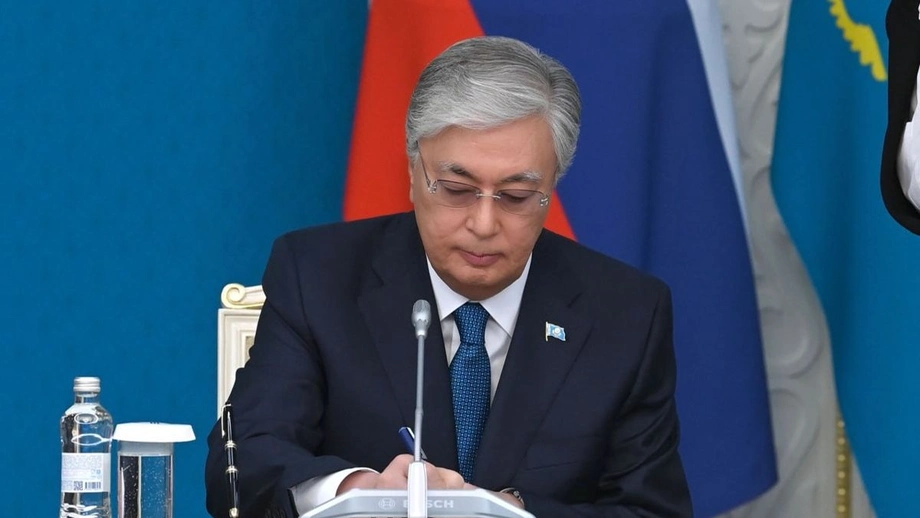
On 23 November 2026, President Kassym-Jomart Tokayev signed Decree No. 1574 at Akorda in Astana, giving Kazakhstan a formal plan to widen paid work through digital platforms, teach practical artificial intelligence skills and open more sales routes for domestic producers. The decree, titled On measures for the development of the people's digital economy and expansion of economic opportunities for citizens and business, entered into force on the day it was signed.
Contents
- A decree turns digital work into a dated programme
- How people would find paid digital tasks
- What new rules for online earnings would cover
- Where artificial intelligence fits in the plan
- How rural producers would reach buyers
- Advances would bring cash before future sales
- State support would be linked to private sales tools
- The calendar officials must follow
- What remains undecided
- Why the decree matters across the country
- Key Points
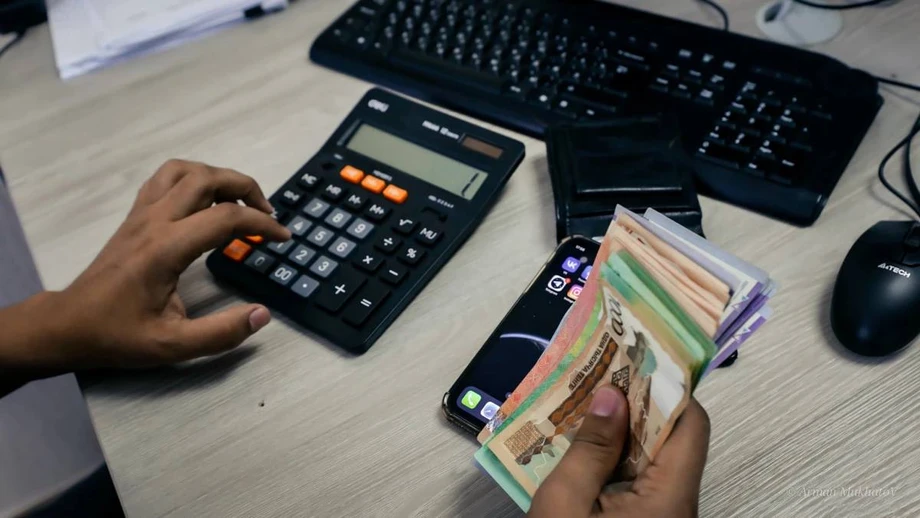
In plain language, the people's digital economy means an economy where ordinary people can use phones, online platforms and digital services to earn money, sell goods and take part in markets that once seemed distant. The decree sets out goals that include new sources of income and employment, equal access to digital markets, wider use of digital technology in economic activity and a shift toward an economy in which ordinary people take part.
The text does more than announce a direction. It assigns tasks to the government and to regional authorities, and it attaches dates to each step. The government has until 1 December 2026 to approve the comprehensive plan. Regional plans are due by 15 January 2027, pilots by 1 April 2027 and an evaluation by 1 September 2027. The sequence turns the broad digital economy agenda set out in the president's October address into a timetable with named institutions.
President Kassym-Jomart Tokayev set out the idea in that address, where he linked computing power, farms, industry and household incomes. He described the aim of the shift in a line about ordinary citizens. In English, the line reads:
The strategic goal of building a people's digital economy is to use the opportunities of modern technologies for the wellbeing of every citizen.
The decree gives that phrase an operational form. It asks officials to build rules for online earnings, skills and sales channels, then test them in regions before wider rollout.
How people would find paid digital tasks
The decree tells the government to ensure that organizations and business owners regularly place paid tasks on existing digital platforms, so citizens can complete them. A digital platform is an online service that matches users with work, buyers, sellers or payments. In this case, the platform would act as a noticeboard and work record for tasks that can be handled online.
One line in the decree is especially practical: information about completed tasks may be used to confirm practical experience. For a person applying for a job, that could turn small online assignments into a record of work done. The plan is aimed at people who need income now, including people who are not already specialists in technology.
The decree does not make the state the direct employer in this part of the plan. It places the duty on organizations and business owners to post the tasks, while the government must make the system work. For workers, the value would depend on clear payment, fair access to tasks and records that other employers understand.
What new rules for online earnings would cover
By 31 December 2026, the government must form a simplified legal regime for digital employment. The wording covers four kinds of relations: civil law, labor, tax and social. Those are the basic rules that decide what contract a worker has, who pays tax, what happens if a payment is disputed and how the work is recorded for social purposes.
The decree also asks officials to examine whether the list of activities eligible for a special tax regime for people working for themselves should be expanded. Such regimes usually make tax reporting simpler for freelancers and small service providers. Officials must study whether that list should be wider, which gives the plan room to cover new kinds of online work.
These details matter because online work can sit awkwardly between a normal job and informal freelance work. A clear regime can tell a platform worker which protections apply and which obligations come with the income. It can also give businesses more confidence when they pay for tasks and keep records of who completed them.
Where artificial intelligence fits in the plan
The decree names Li Kai-Fu, a member of the Council for Artificial Intelligence Development, as a source of recommendations for the comprehensive plan. Officials must use his advice on practical skills for using artificial intelligence in professional work, including when people complete paid tasks through digital platforms.
Artificial intelligence, or AI, refers to software that can perform tasks linked to human intelligence, such as producing text, sorting information or helping with translation. The decree focuses on practical use. It wants people to learn how to apply these tools to real paid work, not simply to study the technology in theory.
The step sits beside a wider government push on AI rules and infrastructure. Kazakhstan's AI governance initiative has included a law on artificial intelligence, a dedicated ministry and proposals for international standards. This decree brings that policy closer to daily income generation by tying AI skills to platform work and to the forthcoming plan.
How rural producers would reach buyers
The decree gives rural producers a central place in the digital economy plan. The government must develop and introduce mechanisms for receiving, preparing, transporting and selling their products through existing electronic marketplaces and retail chains. It says existing trade and logistics infrastructure and financial tools should be used.
For a small producer, selling online involves more than putting a picture on a website. Goods have to be collected, prepared, stored, moved to a marketplace warehouse or shop, listed for buyers and paid for. The decree tries to connect each part of that chain instead of leaving producers to solve every step alone.
Regional authorities also have duties. Akimats in Astana, Almaty, Shymkent and the regions must use existing trade and logistics infrastructure and develop what is needed to collect, prepare and combine rural products for delivery to shops, electronic marketplace warehouses and buyers. They must organise training, advice and practical support so citizens, including rural entrepreneurs and producers, can sell through marketplaces.
Akimats must also help rural producers that received state support place their goods on electronic marketplaces. That wording links public assistance to an actual sales channel. A subsidy or loan can help a producer make more goods; an online listing can help those goods find customers beyond the local area.
Advances would bring cash before future sales
The decree also instructs akimats to provide mechanisms for advancing money to rural producers against revenue expected from later sales. Social entrepreneurship corporations, other regional development institutions and financial organizations may take part in these arrangements.
An advance is money paid before the product has been sold. In this plan, it would help a producer cover costs while goods move through collection, preparation, transport and sale. The decree ties the money to future sales revenue, which means the arrangement would need records of what was produced and what was sold.
For rural households, the change would be practical rather than abstract. A producer with goods ready for an online buyer could need cash before the buyer pays. The decree wants local institutions and financial groups to create a route for that cash before goods are paid for.
State support would be linked to private sales tools
Another instruction tells the government to combine existing state support for entrepreneurship with the capabilities of private electronic marketplaces, banks, logistics companies and digital services. The stated goal is to expand production and sales of domestic products.
The change in approach is easy to explain. A government support measure may help a business buy equipment or finance a season. A marketplace helps it find customers. A bank handles payments and credit. A logistics company moves goods. Putting those pieces together is meant to make support end in a sale, not just in a subsidy approval.
This also explains why the decree mentions banks and logistics companies alongside technology platforms. Digital work and online sales depend on physical systems: warehouses, roads, delivery networks and payment accounts. The plan treats those services as part of the same economic pipeline.
The calendar officials must follow
The decree sets a clear sequence. The first deadline comes eight days after the signing, and the last one is set for early September 2027. Each stage feeds the next: a national plan, legal rules, regional plans, local pilots and then an evaluation.
- 23 November 2026: the decree is signed in Astana and enters into force.
- By 1 December 2026: the government must approve the comprehensive plan for the people's digital economy.
- By 31 December 2026: the simplified digital employment regime must be formed, including consideration of a wider list of activities for the special tax regime for people working for themselves.
- By 15 January 2027: the akimats of Astana, Almaty, Shymkent and the regions must approve their regional plans.
- By 1 April 2027: pilot digital development projects must start in selected regions, with indicators to measure results.
- By 1 September 2027: the government must evaluate the pilots and identify measures to spread successful practices.
The order gives the comprehensive plan a gatekeeper role. Regional plans must match it, pilots must be drawn from it, and the September 2027 review will decide which practices can be used more widely.
What remains undecided
The decree is an instruction to prepare and implement policy, so many practical details are still open. It does not name the tax rates, income limits, eligibility rules, payment levels, digital platforms, funding amounts, pilot regions or terms for advances. Those choices will shape whether the policy reaches people quickly or slowly.
The government's comprehensive plan must supply the first layer of answers. Regional plans must then show how Astana, Almaty, Shymkent and the regions will put the national design into local practice. The pilot projects will test whether the arrangements work outside the capital and largest cities.
Implementation control rests with the Presidential Administration. That gives the presidency a direct role in tracking whether ministries and akimats meet the dates set out in the decree.
Why the decree matters across the country
In the October message, Tokayev said opportunities should not depend on where people live. He said citizens in rural areas and cities should learn to use a smartphone as a tool for lawful earnings. The decree turns that idea into specific duties for platforms, regional plans, rural sales and AI training.
For a city resident, the change could mean a clearer way to find paid online tasks and have that work recorded. For a rural producer, it could mean help with collecting goods, moving them to buyers, receiving an advance and listing products on a marketplace. For a business, it could mean access to people who can complete tasks and to support that is connected with payment and delivery systems.
The first test is close. The comprehensive plan due by 1 December 2026 will show how the government defines digital employment, which skills it will teach, how producers will reach markets and what the pilot regions will actually try.
Key Points
- President Kassym-Jomart Tokayev signed Decree No. 1574 on 23 November 2026, and it took effect the same day.
- The government must approve a comprehensive digital economy plan by 1 December 2026.
- A simplified legal regime for paid work through digital platforms is due by 31 December 2026.
- Officials must use Li Kai-Fu's recommendations on practical AI skills in professional work.
- Rural producers would gain support for collection, transport, sales, marketplace listings and advances against future revenue.
- Regional plans are due by 15 January 2027, pilots by 1 April 2027 and evaluation by 1 September 2027.
- The decree leaves tax rates, payment levels, pilot regions and advance terms for later decisions.