A zoo behind the rusting rides
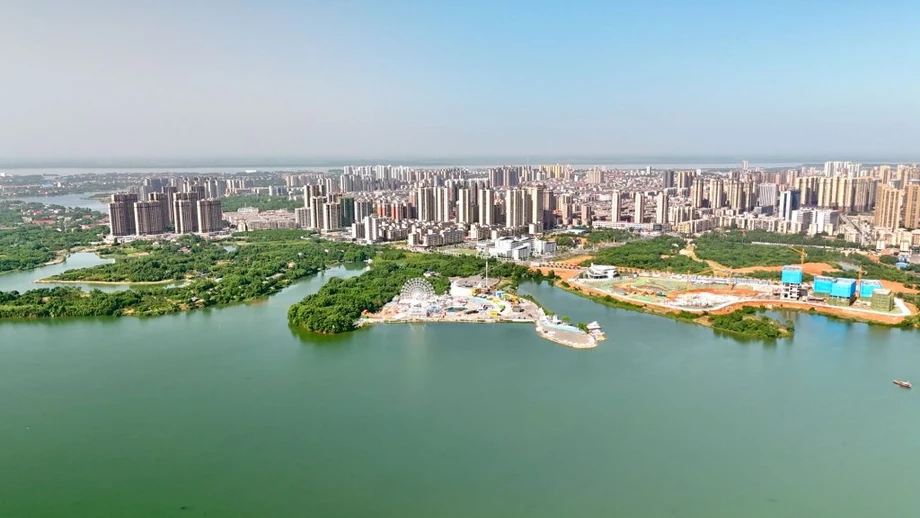
Weeds push through the concrete at Dongting Lake Happy World (Dongting Hu Huanle Shijie), a theme park in Junshan district of Yueyang, Hunan province, that has stood idle for years. The ferris wheel no longer turns. The roller coaster tracks are coated in dust. Inside this fenced and forgotten place, a small zoo called Dongwu Mengchong Yuan, roughly Animal Cute Pets Garden, still opens its gates every morning, and almost all of the work is done by two people: Wei Xiuyun, aged 68, and her son, who is 37.
Contents
- A zoo behind the rusting rides
- Twelve hours a day, 200 animals, two pairs of hands
- The park that cost 550 million yuan and went quiet
- How a viral video changed the weekend
- Did the owner run away? What Wei says
- What 20 yuan buys a visitor
- Two government offices, two different answers
- What the story changes for the people and the place
- Key Points
They care for close to 200 animals across about 20 species, among them tigers, bears and deer. Between them the mother and son now take home 2,000 yuan a month (about 2,350 Hong Kong dollars, or roughly 300 US dollars), money that only began arriving regularly after visitors started turning up in May this year. An adult ticket costs 20 yuan, a child ticket 10 yuan, and children under one metre tall enter free.
Wei is from Heilongjiang, in China's far northeast, and is in her fifth year at the zoo. She and her son live on the grounds. Their day starts at 5:30 in the morning with cleaning enclosures and the first feed, and a second round of feeding follows after the gates close. On a normal day they work until about 7 in the evening.
The outside world found out about all this by accident. A visitor named Zhang filmed the pair at work on 16 November and posted the footage on social media. The clip spread, and by late November the zoo had become one of the most discussed small attractions in the country.
Twelve hours a day, 200 animals, two pairs of hands
Zhang went to the park with friends and was startled by what she found. The zoo, she said, was being run essentially by one woman approaching 70 and her son, and the daily workload of feeding, cleaning cages and watching over the animals was enormous. That is why she and her friends took out their phones and recorded it.
The routine Wei describes is not dramatic. It is repetitive, physical and long. Cleaning comes before feeding in the morning, because the enclosures have to be cleared before the animals eat. Water and food have to be carried, and the animals checked one by one. The second feed comes after the last visitor leaves. Wei told a reporter on 23 November that the reward is simple: watching animals she has raised with her own hands grow up healthy gives her satisfaction.
The zoo once had a staff of six. As revenue fell and wages could not be paid, the other employees left one after another, until only Wei and her son remained.
The park that cost 550 million yuan and went quiet
Dongting Lake Happy World opened in 2018 with a total investment of 5.5 hundred million yuan, or about 550 million yuan. The park's official social media account last posted on 28 January 2025, a notice that the ferris wheel, the roller coaster and other rides were suspended.
For the zoo tucked inside it, the collapse of the parent attraction meant years of silence. Across 2024 and 2025 it was common for an entire day to pass with no visitors at all. Wei and her son would shut the gate and get on with the animals anyway.
- 2018: Dongting Lake Happy World opens after an investment of about 550 million yuan
- 28 January 2025: the park's official account announces the suspension of its ferris wheel, roller coaster and other rides
- 2024 and 2025: many days pass with zero visitors at the zoo inside
- May 2025: short video visitors begin arriving, and weekend crowds build to 100 to 200 a day
- 16 November 2025: visitor Zhang films the mother and son at work
- 23 November 2025: Zhang describes the visit, and Wei gives her account of how the zoo is run
Power became a problem once the wider park stopped drawing electricity. On one occasion a cut left snakes and crocodiles, which need constant warmth, without heat, and they did not survive.
How a viral video changed the weekend
From May this year, people started making the trip out to Junshan to see for themselves, filming short videos and uploading them. The footage usually shows the same contrast: broken rides on one side of a fence, living animals on the other, and an elderly woman moving between them with buckets and feed.
One widely shared post from 26 November, carrying the hashtags about a mother and son holding a zoo together in an abandoned scenic area and about the 20 yuan ticket, was viewed 296,000 times. Comments from local users focused on two things: the ticket price, which they called unusually cheap, and the condition of the animals, which they said looked decent.
The effect on business was immediate. Weekends now bring 100 to 200 visitors on a good day, against entire days of none in the two years before. That flow is what turned an unpaid, open ended job into a paid one. Wei said the income in the lean years covered only basic food and drink for the two of them.
In the first two years, when there were almost no visitors, our income was only enough to keep us fed. Since visitor numbers increased in May this year, my son and I together can get 2,000 yuan a month.
Did the owner run away? What Wei says
Rumours spread quickly online that the zoo's owner had abandoned the site, leaving two people to hold it together out of pity or habit. The abandoned rides next door made the story easy to believe. Wei used her interview to correct it.
The zoo and the theme park, she said, are not run by the same entity. Dongwu Mengchong Yuan has always been operated and managed independently. Feed, meat and other daily supplies are bought by the zoo's owner, a man named Yang. When stock runs low, her son contacts Yang and a delivery is arranged. The mother and son pay nothing for any of it. Yang also arranges for a vet to come in on schedule and give the animals two rounds of vaccinations.
Wei was asked why she does not simply leave. Her answer was about obligation rather than money.
Whether or not we can make money, animals are living creatures with flesh and blood, and some of them are nationally protected species. You cannot just throw them away.
That line, more than any figure, is what carried the story across Chinese social media. It also explains the odd arrangement at the heart of the place: a privately owned animal collection surviving inside a failed commercial park, staffed by a woman who has no ownership stake and a son who handles the phone calls.
What 20 yuan buys a visitor
The pricing is part of the appeal. An adult ticket is 20 yuan, about 23 Hong Kong dollars. Minors pay 10 yuan. Children under one metre get in free. A feeding pack costs 10 yuan and contains four cut carrots. Beyond that, visitors say, there are no extra charges.
Guests are also allowed to bring their own washed green vegetables and carrots to feed the animals, an unusual liberty at Chinese animal attractions, where feed is normally sold at a markup and outside food is banned. Zhang described the facilities as limited but the animals as being in reasonable condition.
That combination, cheap entry plus visible animals plus a startling setting, is what turned a neglected corner of Hunan into a destination. The zoo does not have polished habitats or interactive exhibits. It has tigers, bears, deer and about 200 other animals, a 20 yuan gate and two people who know the routine by heart.
Two government offices, two different answers
Local authorities have responded to the publicity along two separate tracks. The Junshan district culture, radio, television and tourism department said the zoo is privately operated, that there is a dispute between the zoo's operator and the original investor in Dongting Lake Happy World, and that relevant departments have stepped in to coordinate. As of now, it said, there is nothing abnormal about how the zoo is running.
The Junshan district forestry bureau said the zoo had complete paperwork and qualifications when it was established, and that it conducts inspections there regularly. Wildlife in China is managed by forestry and grassland departments, and a facility holding tigers and bears needs permits for each protected species as well as veterinary and quarantine arrangements. The forestry bureau's statement addresses the licensing question directly: at the time the zoo was set up, it says, those conditions were met.
What is not yet public is how the dispute between the zoo operator and the theme park investor will be resolved, or what it means for the animals' long term home. No hearing date, deadline or decision has been announced. The tourism department's involvement is described as coordination, without a timetable attached.
What the story changes for the people and the place
For Wei and her son, the change is measurable in cash and in company. Two thousand yuan a month between two adults is a modest sum even by the standards of a small city in Hunan, but it is the difference between working for nothing and working for something. It also means visitors, questions, requests to pose for videos and, on busy weekends, 100 to 200 people walking past the enclosures they clean at dawn.
For Junshan district, a failed 550 million yuan attraction has acquired a second, much smaller life as an unlikely tourist stop. The draw is not the rides, which are shut, but the sight of care continuing in a place that has been written off.
For the animals, the practical result of the surge in visitors is steadier funding. Feed and vaccinations come from the owner, Yang, and the ticket money now covers the two people who do the daily work. Wei's own tally of what she has lost is specific: the snakes and crocodiles that died when the power went out. What she has kept is roughly 200 animals of about 20 species, a routine that starts at 5:30 in the morning and ends at 7 at night, and a job she describes as a duty to living things rather than a business.
Key Points
- Wei Xiuyun, 68, and her 37-year-old son run Dongwu Mengchong Yuan, a zoo inside the abandoned Dongting Lake Happy World in Junshan district, Yueyang, Hunan.
- The zoo holds close to 200 animals of about 20 species, including tigers, bears and deer.
- The pair work from 5:30am until about 7pm, cleaning enclosures and feeding the animals twice a day, and live on the site.
- Together they now earn 2,000 yuan a month, up from an income that covered only basic food and drink before visitors returned.
- Adult tickets cost 20 yuan, child tickets 10 yuan, children under one metre enter free, and a feeding pack of four cut carrots costs 10 yuan.
- The theme park opened in 2018 with about 550 million yuan of investment and announced the suspension of its ferris wheel and roller coaster on 28 January 2025.
- Through 2024 and much of 2025 the zoo often had no visitors for a full day; since May weekend crowds have reached 100 to 200.
- Wei denies the owner fled, saying the zoo is run independently and that owner Yang pays for all feed and arranges two rounds of vaccinations by a vet.
- Junshan district's tourism department says the zoo is privately run and that it is coordinating a dispute between the zoo operator and the original park investor; the forestry bureau says its permits and qualifications were complete at founding and that it inspects regularly.