A Sweet Result From Sapporo
Three small squares of dark chocolate a day, with no added gym sessions, were linked to a gain of about 210 grams in muscle related body mass among older adults in a Japanese trial lasting 16 weeks. When the same chocolate came with a 200 ml milk drink fortified with protein, the gain was about 250 grams. The participants were 240 people aged 60 to 79 living in Sapporo and nearby areas.
Contents
- A Sweet Result From Sapporo
- Who Ran the Study and Why Sapporo Was Chosen
- How the Trial Worked
- What Changed in Participants' Bodies
- Why Cacao Might Matter
- Why Muscle Loss Worries Doctors and Families
- Falls, Fractures and the Cost of Weak Muscles
- What Daily Life Can Include
- How This Fits Earlier Cacao Research
- The Tokyo Event Behind the Announcement
- Timeline of the Story
- What Researchers Still Want to Know
- Key Points
The study was run by Meiji, Hokkaido Information University and Sapporo City. It focused on a practical question for ageing societies: can a daily food choice help people keep muscle when winter, illness or frailty makes regular movement harder? Muscles are the body's engine for standing, walking and climbing stairs. When they shrink, daily life becomes more difficult.
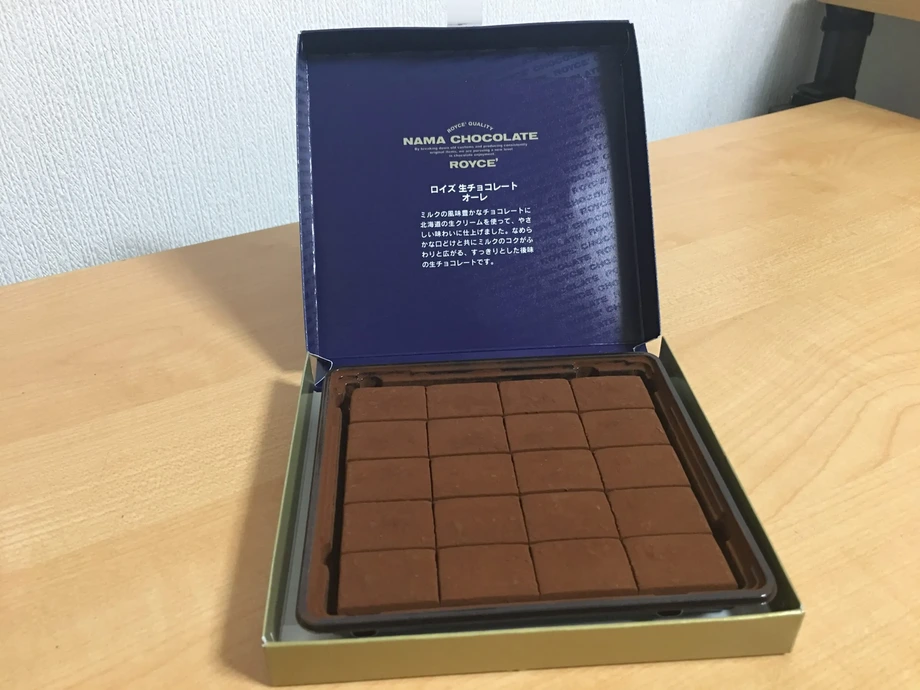
The chocolate was not a ordinary sweet bar. Each participant in the chocolate groups ate three 5 gram pieces, 15 grams a day, of chocolate containing at least 70 percent cacao. The milk drink added 14.8 grams of protein. Participants kept their usual daily activity, while researchers avoided adding a special exercise programme.
Who Ran the Study and Why Sapporo Was Chosen
Sapporo City recruited participants, Hokkaido Information University carried out the human trial and evaluation, and Meiji designed the study, supplied the test foods and supported the work. Meiji was the main funder. The company sells high cacao chocolate lines with 72 and 86 percent cacao, along with protein drinks.
Sapporo was chosen because its winters bring heavy snow and icy roads. Older residents can go outside less often, which reduces activity and can add to muscle loss. Jun Nishihira, chairman of Hokkaido Information University, said the result was surprising because the trial showed a muscle increase from cacao without an exercise intervention. He described the finding this way:
This is truly new as research on protein and amino acid function. In particular, it is the world's first human trial to show an increase in muscle mass from cacao alone without an exercise intervention.
Hidekazu Hagiwara, executive officer and head of Meiji's Confectionery Business Headquarters, said the company began the work after about 30 years of cacao research. He explained why muscle matters in later life and how loss of muscle can feed a difficult cycle:
Frailty involves various factors. One of them is reduced muscle mass. When muscle mass falls, activity decreases, which can lead to a vicious cycle of reduced appetite, poor nutrition and declines in physical and mental function. Maintaining muscle mass is important for healthy ageing in later life.
Frailty means a person has less physical and mental reserve, so small problems can have larger effects. The trial aimed at that problem through food rather than through a training class.
How the Trial Worked
The study was an exploratory, open label, parallel group trial lasting 16 weeks. Open label means participants knew what they were eating. Researchers assigned people at random, with balance across age, sex and body mass index, so the groups would not start out heavily skewed.
Of 240 people enrolled, 219 were included in the main analysis. They were split into three groups:
- A group that ate no test chocolate and drank no test milk beverage.
- A group that ate 15 grams of high cacao chocolate a day, given as three 5 gram pieces.
- A group that ate the same 15 grams of chocolate and drank 200 ml of protein fortified milk a day.
The participants were asked to maintain their usual physical activity. That detail is important for understanding the result. The researchers tested what happened when food intake changed during ordinary life, with exercise training kept outside the plan.
What Changed in Participants' Bodies
At 16 weeks, the group eating chocolate alone gained about 210 grams in the muscle related measure used by the announcement. The group eating chocolate and drinking the protein fortified milk gained about 250 grams. The group taking no test foods showed little or no change in the summaries first released.
The measurements need a little care because the descriptions used different labels. The Hokkaido Information University and Meiji announcement described the gains in muscle mass. A description of the study paper called the 210 gram and 250 gram increases lean soft tissue mass, which includes muscle related tissue and fluid. It estimated skeletal muscle gain at about 160 grams in the chocolate only group. The Tokyo presentation also included a figure of about 280 grams for skeletal muscle in the combined group.
One detailed account gave the no test food group a fall of about 240 grams in lean soft tissue mass. Read side by side with the chocolate group's roughly 210 gram gain, that is a difference of about 450 grams between the two groups. The researchers reported that the muscle related changes in both food groups were better than in the group taking no test foods.
Body weight rose in both groups that consumed the test foods. Body fat percentage showed no significant difference from the no test food group at 8 weeks or 16 weeks. In simple terms, the added weight appeared in lean measures rather than in the fat measure.
The team used a body composition analyser, a device that estimates body components from body signals instead of weighing muscles directly. Grip strength and walking ability showed no clear improvement in the data described. The finding is therefore about estimated body composition, while everyday strength and movement remain a separate question.
The size of the change was described as similar to the gain seen after 10 weeks of eight machine exercises done twice a week for legs, chest, back, shoulders and arms. That comparison helps explain why a gain of a few hundred grams interested researchers, even though it sounds small beside body weight.
Why Cacao Might Matter
The 15 grams of chocolate used each day contained 381 milligrams of cacao polyphenols and 105 milligrams of cacao flavanols, with about 85 kilocalories and 1.6 grams of protein. Polyphenols are plant compounds. Many act as antioxidants, which means they help protect cells from damage caused by oxidation. Flavanols are one family of polyphenols studied in cocoa and tea.
The milk drink supplied a much larger protein amount, 14.8 grams. Protein gives the body building material for muscle, so the combined group had a straightforward nutrition reason for a stronger result. The chocolate only group drew more attention because it still showed a change.
Wayne, also known as Yang Shih-wei, is a food safety writer who shared the study on his Facebook page Wayne's Food and Farm Life. He said the chemistry may involve cacao compounds, including a stimulant related to caffeine. He described his view this way:
I infer it has a lot to do with theobromine and cocoa flavonoids.
Theobromine is a naturally occurring compound in cacao that can have a mild stimulating effect. The trial measured outcomes, so the pathway from cacao to muscle remains an open question. The researchers said they want to clarify how cacao acts on muscle, test how it links with frailty prevention and check its usefulness in wider groups through daily nutrition.
Why Muscle Loss Worries Doctors and Families
Sarcopenia means loss of muscle mass and strength linked to ageing. It is more than a number on a scan. Weak muscles make walking, rising from a chair and climbing stairs harder. Frailty describes a wider state of reduced physical and mental strength, where a person has less ability to recover from illness or injury.
In Hong Kong, a survey by the Hong Kong Community Nutrition Association found that 80.4 percent of older adults ate too little meat and 94.1 percent drank too little milk or dairy. More than 70 percent failed tests linked to muscle mass. Those figures point to a gap between what older bodies need and what many people actually eat.
Dr Wong Wing-sum, executive director of the Hong Kong Physical Fitness Association, said muscle mass falls by about 1 percent a year with age, while strength declines about three times faster than muscle mass. He listed signs that families and carers can watch for:
- Shrinking muscles, especially in the calves, quadriceps, or front thigh muscles, and shoulders.
- Feeling that movement takes more effort than before.
- Walking more slowly than in the past.
- Poor balance.
- Trouble with daily tasks such as climbing stairs.
- A history of falls.
Taiwan faces a similar challenge. About 7 to 10 percent of people older than 65 have sarcopenia, and the rate reaches about 30 percent among men older than 80. In Japan, the gap between healthy life expectancy and average life expectancy was given as 8.49 years for men and 11.63 years for women. Healthy life expectancy means years lived without major disability.
Falls, Fractures and the Cost of Weak Muscles
Muscle loss becomes more serious when bones are also weak. Dr Wong said sarcopenia and osteoporosis occur together in about 20 percent of clinical cases, with women, older people and fracture patients at higher risk. Osteoporosis makes bones fragile, so a fall is more likely to break a bone.
The consequences can be severe. Among older adults with hip fractures, 20 percent die within the first six months from secondary illness, meaning health problems that follow the fracture, such as infections or blood clots. Another 50 percent permanently lose the ability to live independently. Those numbers explain why maintaining muscle is tied to dignity and daily freedom, not only to medical scans.
What Daily Life Can Include
Dr Wong said most patients can improve sarcopenia through lifestyle medicine: changing everyday habits that affect the body. Good nutrition includes enough protein, along with vitamin D, selenium, magnesium and omega 3 fatty acids. Resistance training means working muscles against weight or resistance, such as lifting, pushing or controlled body weight movements.
The advice he gave was two or three sessions a week at moderate to high intensity, aimed at major muscle groups. Traditional Chinese medicine offers another path for some older people. It treats the spleen as linked to flesh in its own theory and uses acupuncture, moxibustion and herbal medicine as options.
High cacao chocolate can fit into this picture as a small daily food. The trial version had at least 70 percent cacao, little or no added sugar and a strict 15 gram portion. Ordinary milk chocolate, chocolate with filling or sweet snacks can bring much more sugar and fat. A person hoping to repeat the study conditions would need to check the label and count the calories.
Some people should take extra care with high cacao products. Cacao contains theobromine, caffeine like compounds, tyramine, oxalate, potassium and phosphorus. These points matter for daily safety:
- People with insomnia or palpitations may prefer daytime intake and smaller amounts.
- People with acid reflux may find cocoa worsens burning sensations, especially on an empty stomach.
- People with chronic kidney disease or calcium oxalate stones need medical advice because cacao contains potassium, phosphorus and oxalate.
- People prone to migraine may find tyramine or theobromine triggers discomfort.
- People with diabetes need unsweetened products and must count the calories in their daily meals.
Older adults with special diet rules can ask a doctor or nutritionist before adding the drink or chocolate, especially if they take medicines or manage kidney, heart or blood sugar conditions.
How This Fits Earlier Cacao Research
Meiji and academic partners have studied high cacao chocolate for several health outcomes before muscle. Work has looked at blood pressure, cholesterol, liver function, brain health, gut bacteria and mood. Each study looked at a different question, so the muscle result forms a separate line of cacao research.
One earlier study in Gamagori, Aichi Prefecture, involved 347 people aged 45 to 69. They ate chocolate with 72 percent cacao at 25 grams a day for four weeks, while researchers tracked blood pressure and blood tests. Another study used 85 percent cacao chocolate at 30 grams a day for three weeks and reported changes in negative mood scores and gut bacteria. A brain study examined cortical volume before and after cacao intake, but it had no chocolate free comparison group.
The new study paper is titled Effects of daily intake of cacao polyphenols, alone or with milk protein, on skeletal muscle mass in community dwelling older adults: an exploratory 16 week randomized, open label, parallel group trial. Its DOI is 10.1186/s40795-026-01445-7. The muscle topic adds to a research path that has moved from blood vessels and the liver to the gut, brain and now body composition.
The Tokyo Event Behind the Announcement
The results were presented at a 17 November event in Tokyo called the Meiji High Cacao Chocolate New Evidence Presentation. Speakers included Jun Nishihira, Hidekazu Hagiwara and Shoko Nakazawa, section chief in Sapporo City's Wellness Promotion Department. Television personality Chinatsu Wakatsuki, 42, and comedy duo Nishikoi also attended.
Wakatsuki said she had become more health conscious in her 40s and had started eating high cacao chocolate after learning about it on a programme. She said she eats it before work because it helps her feel alert. She described the habit this way:
I make a point of eating chocolate before work because it clears my head.
Masanori Hasegawa, 55, of Nishikoi, said he came from Sapporo and lived there until his 30s. The event mixed science with public conversation, while the central claim remained the trial result: older adults eating high cacao chocolate showed better muscle related body composition than those eating no test foods.
Timeline of the Story
- 17 November 2026: The study was presented at an event in Tokyo by Meiji, Hokkaido Information University and Sapporo City.
- 22 November 2026: Wayne shared the findings on his Facebook page, bringing the result to a wider audience in Chinese speaking communities.
- 23 to 25 November 2026: More details became public, including the 219 person main analysis, 381 milligrams of cacao polyphenols, 14.8 grams of protein in the milk drink and cautions for people with certain health conditions.
- 24 November 2026: A Japanese morning programme aired the finding and repeated the 210 gram and 250 gram figures.
What Researchers Still Want to Know
The study answered a narrow question well: what happened to body composition when older adults ate high cacao chocolate, with or without protein milk, during 16 weeks of ordinary activity. It leaves several questions open. The mechanism from cacao compounds to muscle related measures has not been mapped. The team also wants to learn whether the change can help prevent frailty and whether similar results appear in other age groups.
Grip strength and walking ability showed no clear improvement, so the health meaning of the gain still needs more work. No date was given for the follow up studies. For now, the practical change is that nutrition alone has become a plausible area for research on muscle maintenance among older people who face cold winters, limited outings or low protein intake.
Key Points
- The trial enrolled 240 people aged 60 to 79 in Sapporo and nearby areas, with 219 in the main analysis.
- Three 5 gram pieces of high cacao chocolate a day, 15 grams in total, were linked to about 210 grams of muscle related body mass gain after 16 weeks.
- Chocolate plus 200 ml of protein fortified milk was linked to about 250 grams of gain.
- No special exercise programme was added, participants kept usual activity, body weight rose and body fat percentage showed no significant difference.
- Descriptions of the measurements differed, with some using muscle mass and one detailed account using lean soft tissue mass; grip strength and walking ability showed no clear improvement.
- Sarcopenia raises fall and fracture risks, and researchers still need to clarify mechanism, frailty prevention and results in wider groups.