A Warning at a Sensitive Moment
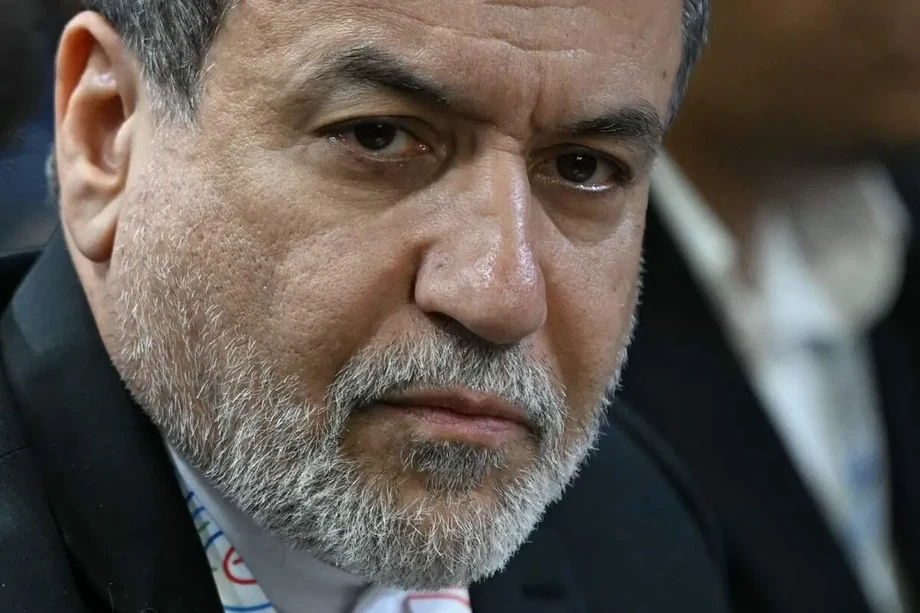
Iran warned South Korea on Thursday, November 26, that a broader foreign military presence around the Gulf could raise tensions and widen the conflict. The warning was delivered by Iranian Foreign Minister Abbas Araqchi during a telephone call with South Korean Foreign Minister Cho Hyun, according to the Iranian embassy in Seoul, which published the account on X on Friday, November 27.
Contents
- A Warning at a Sensitive Moment
- What the Two Ministers Said
- What the Plan Changes
- A Short Timeline of the Decision
- Why Hormuz Matters for South Korea
- What Parliament Still Has to Decide
- The Limits Seoul Says It Has Set
- Mines, Patrols and the Postwar Question
- Why Iran Is Wary of a Wider Footprint
- Why the Mission Divides Seoul
- Key Points
At stake is a South Korean plan to move the Cheonghae naval unit closer to one of the world's most important oil routes, while insisting that its troops will not take part in the war involving the United States, Israel and Iran. The unit has operated from the Gulf of Aden off Somalia since 2009 on a counter piracy mission. Seoul now wants to extend its reach into open waters south of Oman, still short of the Strait of Hormuz but close enough for Tehran to object.
The disagreement is about distance, purpose and command. South Korea says the expanded mission would protect its citizens, ships and commercial interests. Iran says more foreign forces near its coast would make the region less stable. For ordinary consumers, the issue matters because Hormuz is a narrow sea lane used by tankers carrying Middle East oil to Asian buyers, including South Korea.
What the Two Ministers Said
Cho told Araqchi that Seoul had no intention of joining the war or deploying troops to the Gulf, the embassy said. South Korea's Foreign Ministry gave a similar account, saying Cho explained that the naval unit's task is to ensure the safety of South Koreans and protect economic interests. Cho also expressed support for regional peace and hope for a peaceful solution to end the war and tensions.
The Foreign Ministry said the two ministers agreed to stay in close contact. It said they had spoken by phone eight times and met twice since the war began. Araqchi also described Iran's recent diplomatic efforts and Tehran's views on the conditions and framework for peace. The embassy did not publish a detailed peace plan in its post, and no timetable for such a plan was given.
Iranian Foreign Minister Abbas Araqchi was speaking through the Iranian embassy in Seoul, which summarized his warning about foreign forces near Iranian waters. He said such deployments would not help peace and could make the confrontation larger:
would instead heighten tensions and expand the scope of conflict.
The wording matters because Iran is not objecting only to troops inside the strait. It is objecting to a wider foreign military footprint in the region at a time when the United States has renewed threats to resume military operations against Iran.
What the Plan Changes
South Korea's government wants the Cheonghae Unit to operate beyond the Gulf of Aden. The current mandate covers waters off Somalia, where the unit guards commercial ships against pirates. The revised motion would shift the operating zone to the Arabian Sea south of Oman, also described as south of the Gulf of Oman, about 650 kilometres from Hormuz.
Officials say the operational radius would roughly double to about 1,930 kilometres. A P-8A Poseidon maritime patrol aircraft would join the destroyer on rotation, along with an explosive ordnance disposal team and uncrewed equipment for clearing mines. The deployment would gain 75 personnel, taking its strength to about 395 from about 320, an increase of about 23 percent.
The unit currently includes a destroyer displacing 4,400 tonnes, a naval helicopter, high speed boats and other assets. Its 49th contingent left for the Gulf of Aden on October 2 aboard the Chungmugong Yi Sun-sin. Parliament renews the deployment each year, and the current mandate expires on December 31, 2026.
The Defense Ministry says piracy activity has increased more than threefold as international naval forces turned attention toward waters near Iran. The ministry has not given the raw numbers behind that comparison.
A Short Timeline of the Decision
The naval plan did not appear in one step. It developed through a sequence of cabinet decisions, revised motions and parliamentary reviews during 2026.
- February 2026: The war involving the United States, Israel and Iran begins.
- October 2: The Cheonghae Unit's 49th contingent leaves for the Gulf of Aden aboard the Chungmugong Yi Sun-sin.
- November 5: The Defense Ministry discloses a revised text.
- November 10: The Cabinet approves the revised motion.
- November 11: The government submits the motion to the National Assembly.
- November 26: The National Defense Committee approves the revised motion this week, and Iran's foreign minister speaks with South Korea's foreign minister.
- December: A plenary vote is expected before the current mandate ends on December 31.
Seoul's debate had already become a wider Cheonghae mission question in October, when the December expiry was approaching and the final force package was still under review. The Cabinet backed naval mission expansion on November 10, but that step did not complete the parliamentary process.
Why Hormuz Matters for South Korea
Hormuz is a narrow strait between the Persian Gulf and the Gulf of Oman. Tankers use it to carry crude oil and natural gas from Gulf producers to world markets. A strait is a narrow waterway between two larger bodies of water, so traffic can be crowded and easy to disrupt.
Government data show South Korea sourced 70 percent of its oil from the Middle East in 2025. In plain terms, about seven in every 10 barrels South Korea bought last year came from that region, and most shipments passed through Hormuz. South Korea is one of the world's largest oil and gas importers, which means oil shipping safety is an economic issue as well as a military one.
If tensions raise the risk to tankers, shipping companies may charge more and insurers may price the risk into policies. Those costs can feed into the price of imported oil. A long disruption could slow deliveries, increase fuel costs and affect the price of goods moved by ships and trucks.
That explains why Seoul wants more information and protection around sea lanes, while also trying to avoid a step Iran would call participation in military action. The government's position is that better surveillance and escort work can protect Korean vessels without joining attacks or placing forces inside Hormuz.
What Parliament Still Has to Decide
South Korea's Constitution requires parliamentary consent for overseas deployments and for major changes to them. The revised motion cleared the National Defense Committee this week after agreement between the ruling Democratic Party of Korea and the main opposition People Power Party. A full plenary vote is expected in December, but no exact date has been given.
The revised motion includes limits that were not in the original plan. It bars involvement in wars or military operations between foreign countries, limits the unit to protecting South Korean nationals and economic interests, and calls for efforts to prevent diplomatic friction and protect deployed personnel. Defense Minister Kang Shin-chul told committee Chair Jin Sung-joon that the government would abide by those limits.
The plenary vote needs a majority of lawmakers present and a majority of those voting. That step is the last formal step before the current deployment expires on December 31. Lawmakers can approve the motion, reject it or return it for more work; no replacement plan has been described.
Cho's phone call with Araqchi came after the committee step and after South Korea had already explained the mission through diplomatic channels. Iran still warned against what it sees as military deployment near its region. No date has been announced for another ministerial call.
The Limits Seoul Says It Has Set
President Lee Jae Myung set out the government's red lines in a post on X on Wednesday. He said the deployment would neither involve South Korea in a war nor amount to intervention in one. He said the Strait of Hormuz and waters next to it are excluded from the unit's operating area.
The revised motion says command authority will remain solely with the Korean military. The unit would operate independently of allied forces. The maritime patrol aircraft would be barred from targeting or monitoring Iranian territory, Iranian territorial waters or the interior of the Strait of Hormuz.
South Korean officials describe the mission as noncombat. In simple terms, that means the forces are not being sent to attack Iranian forces or fight alongside another country's troops. They would protect Korean nationals, escort ships and watch sea lanes, with any move into Hormuz requiring separate parliamentary approval.
The mission wording also adds support for efforts to restore freedom of navigation in international shipping routes. Freedom of navigation means ships can travel through sea routes without being blocked or threatened. Seoul says this role stays within the revised limits, while Iran sees any military help connected to Hormuz as a step toward taking sides in the war.
Mines, Patrols and the Postwar Question
The proposed equipment has a second purpose beyond escorting ships. An explosive ordnance disposal team, often called an EOD team, handles dangerous explosive devices. Uncrewed equipment for clearing mines would use machines rather than people to find mines at sea. Mine clearing can involve remotely operated submersibles sent from surface or underwater vessels to locate targets, attach charges and detonate mines.
South Korea has limited experience with uncrewed mine countermeasures systems, so officials want the deployment to test how the equipment performs in real conditions. The Defense Ministry also acknowledges that the assets could prepare Seoul to join international mine clearing after the war ends. Sea mines are expected to be a major task at that stage because they can block shipping even after fighting stops.
Officials said Seoul has agreed with Britain, France and other partners that a permissive environment is needed before any recovery work in Hormuz. In this context, that means either the war must end or the sides must agree to begin work restoring freedom of navigation. A Defense Ministry official said Seoul would join if asked once those conditions exist, but no request has been described.
Seoul also wants to operate the new assets from Djibouti, a country at the narrow link between the Red Sea and the Gulf of Aden. A choke point is a narrow route that ships must use. Djibouti already hosts a United States military base, and partners such as Japan, Spain and France station maritime patrol aircraft there. South Korea plans consultations with Djibouti after the parliamentary process begins.
Why Iran Is Wary of a Wider Footprint
Iran's objection centers on foreign forces operating closer to Iranian waters during an active war. Tehran views Western military presence as increasing the risk of direct confrontation. Araqchi's message to Cho followed earlier Iranian warnings that helping reopen Hormuz would place South Korea closer to countries Iran accuses of military aggression.
Iran also used the call to present its diplomatic position. Araqchi described recent efforts to preserve regional peace and explained Tehran's requirements and framework for peace. Cho said South Korea supports regional peace and does not plan to intervene, join the war or deploy troops. He expressed hope for a peaceful end to the war and tensions.
The gap between the two positions is practical. Seoul defines safety as knowing where dangerous ships or mines are and being able to protect Korean vessels. Tehran defines safety as keeping additional foreign military forces away from the waters around Iran. Both descriptions can be heard in the same call, which is why the exact limits in the motion matter.
Regional tensions have already made shipping more expensive and less predictable. The United States has renewed threats to resume military operations against Iran, and naval forces from several countries are watching the same routes. An additional aircraft or disposal team may sound technical, but near the route it can change how quickly information is gathered and how prepared forces are for mine work.
Why the Mission Divides Seoul
The expanded mission has become a test of how South Korea balances trade, security and alliance politics. South Korea relies on Middle East energy, but it has also tried to avoid direct involvement in a war involving the United States and Iran. The revised motion tries to put that position into law by naming what the Cheonghae Unit may and may not do.
Minor opposition parties have criticized the plan as a backdoor troop dispatch. Other critics have argued that the government could be using the wider mission to gain bargaining room in talks with Washington. Those talks cover wartime operational control, the authority to command forces during war, and South Korea's plan for submarines powered by nuclear reactors.
The Defense Ministry rejects the idea that the mission is combat participation. It points to the piracy increase, the need to protect nationals and the strict limits on operations near Iran. The government also says the unit will remain under Korean command and will not operate with allied forces.
December's vote will shape the decision. Lawmakers must decide whether a patrol aircraft, an EOD team and mine clearing equipment are defensive additions to an old anti piracy mission, or the start of a wider role near a war zone. The proposal's fate now rests on that choice, not on the November 26 phone call alone.
Key Points
- Abbas Araqchi warned Cho Hyun on November 26 that foreign forces near the Gulf could heighten tensions and widen the conflict.
- Seoul told Tehran it will not join the war or deploy troops to the Gulf, and says the Cheonghae mission is meant to protect nationals, ships and economic interests.
- The revised motion would move the unit to open waters south of Oman, about 650 kilometres from Hormuz, with a P-8A Poseidon aircraft, an EOD team and uncrewed mine clearing equipment.
- The National Defense Committee has approved the revised motion; a plenary vote is expected in December before the December 31 mandate expiry.
- Hormuz and adjacent waters remain excluded, and any operation there would need separate parliamentary approval.
- South Korea sourced 70 percent of its oil from the Middle East in 2025, with most shipments passing through Hormuz.