A Baku forum turns friendship into a work programme
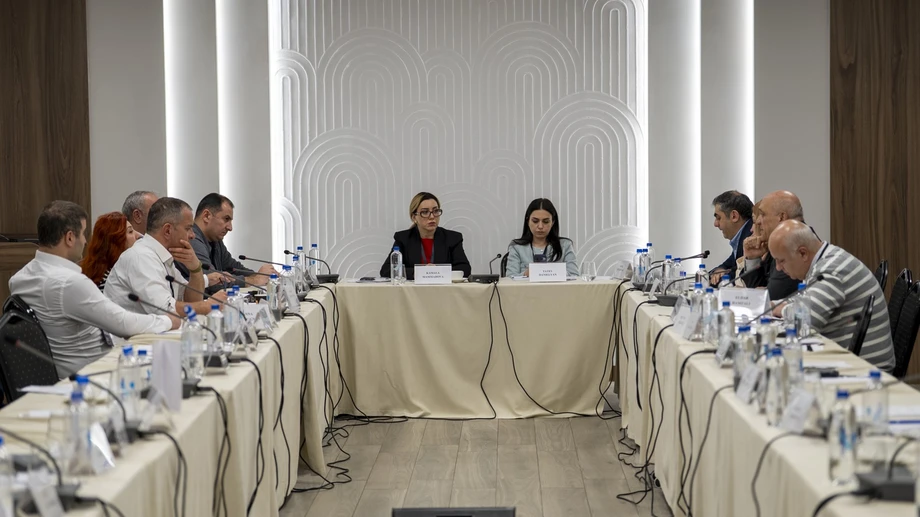
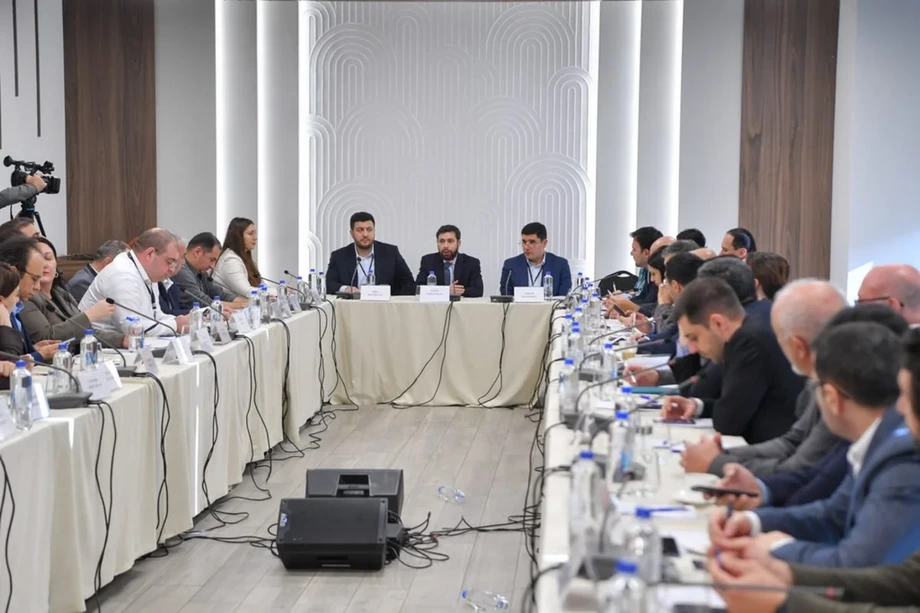
On November 25, 2026, the Milli Majlis in Baku hosted the Second Azerbaijan-Uzbekistan Interparliamentary Forum, and the meeting ended with a plan for how the two parliaments will work together in 2027 and 2028. Speaker of the Milli Majlis Sahiba Gafarova and Chairperson of the Senate of the Oliy Majlis of Uzbekistan Tanzila Narbayeva signed the Practical Action Plan for the Development of Interparliamentary Cooperation between the Milli Majlis of the Republic of Azerbaijan and the Oliy Majlis of the Republic of Uzbekistan for 2027 to 2028. The forum examined the parliamentary dimension of eternal friendship and alliance relations, with cooperation areas and prospects.
Contents
- A Baku forum turns friendship into a work programme
- What the roadmap asks parliamentarians to do
- From Khiva to Baku
- A commission gives the plan a permanent address
- Three panels turn broad goals into tasks
- Treaties set the political backdrop
- Why implementation is the real test
- The economic stakes behind the legal language
- Citizens, regions and a wider partnership
- What to Know
A roadmap is a guide that turns a broad goal into steps, priorities and regular checks. In this case, it sets out how lawmakers from Azerbaijan and Uzbekistan will share legal experience, support foreign policy goals, and follow agreements reached by their leaders. For ordinary citizens, the value is practical: closer parliamentary work can shape rules on trade, investment, education, tourism and cultural exchange.
Azer Badamov, a member of the Milli Majlis, said relations were moving quickly in many fields. He described the pace in one sentence:
Relations between Azerbaijan and Uzbekistan are developing rapidly in all areas.
Azer Badamov, the Milli Majlis member, linked the plan to the duties of elected representatives. He said parliamentarians must protect friendly ties and work toward goals set by the two presidents:
As parliamentarians, we must fulfill our commitments to further strengthen the existing friendly and fraternal relations between our countries, as well as to achieve the strategic goals set by the heads of our states. To this end, we must work more actively to exchange legislative experience, improve the legal framework, strengthen parliamentary diplomacy, and build mutual support in international forums.
Those words explain the shift at the centre of the Baku meeting. The two sides are not simply holding friendly visits. They are building a system in which committees, speakers and legal experts return to the same agenda again and again.
What the roadmap asks parliamentarians to do
The plan covers bilateral and multilateral relations, the exchange of legislative experience, parliamentary diplomacy, priority areas, and institutional and political support. Bilateral means involving two countries. Multilateral means involving more than two, often through international organisations. Parliamentary diplomacy means contacts between legislatures that help governments turn political agreement into working links.
- Committees would compare laws and share experience in how legislation is applied.
- Lawmakers would support bilateral and multilateral work and coordinate positions in international bodies.
- Parliamentary diplomacy would turn friendly declarations into regular contact between elected representatives.
- Institutional and political support would help carry out agreements reached at senior level.
The previous roadmap for 2025 and 2026 was described at the forum as successfully implemented. The new document is meant to keep that cycle going, with a wider set of practical tasks. No project by project calendar was published, so the clearest guide is the list of priority areas named during the forum.
The language may sound formal, but it is meant to answer a simple question: who does what after the speeches end. A roadmap gives each side a reason to return to the table, compare progress and adjust plans when laws or projects fall behind.
From Khiva to Baku
The Baku meeting was the second round of a forum that began in Uzbekistan. A July 2025 press statement from the Milli Majlis said the first Azerbaijan and Uzbekistan interparliamentary forum took place on July 1, 2025. It also pointed to an agreement between the Milli Majlis and the Senate of the Oliy Majlis, two parliamentary roadmaps and a standing Interparliamentary Commission.
Speaker Gafarova said cooperation had expanded since the Khiva meeting and that senior level political dialogue had continued. She described the Treaty on Eternal Friendship between Azerbaijan and Uzbekistan as a major achievement of the period. She also pointed to active contacts in science, education, culture, sports, tourism and youth policy, areas that bring citizens closer together rather than keeping cooperation only in government buildings.
A parliamentary delegation led by Narbayeva arrived in Azerbaijan for the working visit. Her side described the forum as a place to strengthen an alliance built by Presidents Ilham Aliyev and Shavkat Mirziyoyev and to find new areas for joint work.
- July 1, 2025: the first interparliamentary forum took place in Khiva.
- Two years before the Baku forum: the Treaty on Allied Relations was signed by the heads of state.
- August 2026: the Treaty on Eternal Friendship was signed in Tashkent during the third meeting of the Supreme Interstate Council.
- November 25, 2026: the second forum was held at the Milli Majlis in Baku, where the new roadmap and Baku Declaration were adopted.
- 2027 and 2028: the new roadmap sets the period for the next stage of parliamentary work.
Tashkent was also named as a venue for the same forum, while the Milli Majlis statement places the second forum at the parliament in Baku on November 25. The Baku account is the one tied to the signed documents and the delegation visit that ended in Azerbaijan.
A commission gives the plan a permanent address
The Milli Majlis statement said the first meeting of the Commission on Interparliamentary Cooperation was held with both speakers taking part, and that Narbayeva and her delegation then ended their visit and left for Uzbekistan. The commission matters because it gives the roadmap a regular home. Instead of waiting for the next big forum, the same lawmakers can meet, review tasks and prepare joint steps.
Musa Gasimli, Deputy Speaker of the Milli Majlis, chairs the Azerbaijani side. He said historical bonds between the two peoples had grown into a strategic alliance through the political will and work of the presidents. Alisher Agzamkhodjayev, Chairman of the Senate Committee on International Relations, Foreign Economic Relations, Foreign Investment and Tourism, chairs the Uzbek side. He said relations had reached a new level of strategic partnership and alliance.
Narbayeva called for direct cooperation between specialised committees, stronger parliamentary oversight of bilateral agreements, and greater involvement by committees in joint projects. Oversight here means checking whether promises in agreements are actually carried out. She also proposed regular meetings and online discussions when needed. The next commission meeting is to be held in Uzbekistan, but the city and exact date were not announced.
Working meetings are also planned with ministries, government agencies, and educational, scientific and medical institutions. That widens the conversation beyond parliamentarians and brings in the people who run programmes, issue rules and understand where practical problems appear.
Three panels turn broad goals into tasks
The first panel was moderated by Samad Seyidov, a committee chairman in the Milli Majlis, and Alisher Agzamkhodjayev. It focused on carrying out high level agreements, especially decisions from the third meeting of the Supreme Interstate Council, the top decision body involving the leadership of both states. The sides identified two priorities: modernising the legal and treaty framework, and defending coordinated positions in international organisations. Abdulhakim Eshmurodov, a Senate committee chairman, said national legislation and human rights guarantees must be fully considered. A. Huseynli, a Milli Majlis committee chairman, said bilateral agreements and joint projects should be reviewed, with implementation results discussed at least twice a year.
The second panel was led by Azer Amiraslanov, a Milli Majlis committee chairman, and Erkin Gadoyev, a Senate committee chairman. They agreed on legal mechanisms to support investment, green energy, digital transformation and food security. A legal mechanism is simply a rule, law or agreed procedure that helps a project work. Green energy means power from sources such as sun and wind. Digital transformation means using digital tools in services and business. Food security means having reliable access to food.
The third panel was moderated by Gunay Efendiyeva, deputy chairwoman of a Milli Majlis committee, and Senator Malika Qodikhonova. It focused on shared national and spiritual values and on direct dialogue between citizens through science, education, youth policy, sports and tourism. These areas may seem softer than trade rules, but they shape how people understand one another and whether friendship stays alive beyond official ceremonies.
Treaties set the political backdrop
At the closing ceremony, Speaker Gafarova presented the agreed draft of the Baku Declaration, and the forum adopted it. The declaration is intended to keep interparliamentary dialogue continuous and more useful. Its provisions are meant to strengthen the legislative framework for bilateral cooperation and help fulfil agreements reached by the leadership of both countries.
Narbayeva said the discussions would strengthen the alliance founded by the presidents and open cooperation in new areas. She highlighted the Treaty on Allied Relations, signed two years earlier, and the Treaty on Eternal Friendship, signed in Tashkent in August. She noted that the Treaty on Allied Relations includes a separate article on parliamentary diplomacy. She also praised Azerbaijan's economic potential, infrastructure modernisation, international role, President Aliyev's role in restoring territorial integrity, reconstruction work in Karabakh, and the development of New Uzbekistan under President Mirziyoyev.
Gafarova described the Treaty on Eternal Friendship as one of the most important achievements since the Khiva meeting. She said it marked a new stage in allied relations and reflected a shared commitment to protect long standing traditions of friendship and pass them to future generations. She also pointed to shared history and national, spiritual and cultural values as reasons to invest in humanitarian ties.
Why implementation is the real test
Badamov said the true value of the roadmap would become clearer during its implementation phase, when commitments are tested in practice. For readers, that means watching for repeat meetings, draft laws, project reviews andJoint actions rather than only public statements. A plan has value when a committee can ask what changed since the last meeting and who is responsible for the next step.
Gafarova said the commission should become a permanent mechanism for parliamentary engagement. She identified its early tasks as organisational work, an assessment of existing ties, and the identification of joint priorities. She also said parliament must define its role in carrying out agreements and documents signed at senior level, with attention to improving the legal framework, especially for economic cooperation.
Narbayeva proposed focusing on specific joint projects, regular meetings and online discussions. Gafarova also called for stronger committee ties, because committees can hold detailed legislative discussions, exchange national experience and prepare joint decisions in areas of shared interest. The next commission meeting in Uzbekistan is the next named milestone, although its date and city remain unannounced.
The economic stakes behind the legal language
The forum discussion put numbers on the economic relationship. More than 470 enterprises with Azerbaijani capital operate in Uzbekistan, while over 130 companies with Uzbek investment operate in Azerbaijan. That means the first group is about three and a half times the size of the second. The figures show why lawmakers are paying attention to rules on investment and project implementation.
The agenda included joint projects in industry, energy, agriculture and digital technologies. The second panel linked those areas to legal mechanisms for investment, green energy, digital transformation and food security. Planned working meetings with ministries, government agencies, and educational, scientific and medical institutions would bring the people closest to those projects into the discussion.
For a company, a legal framework covers rules on investment, permits, taxes and dispute handling. If two countries want more joint projects, their parliaments need to understand where rules differ and where changes may help. The roadmap creates a regular place for that work and links it to the broader alliance.
Citizens, regions and a wider partnership
Narbayeva proposed four directions for the next two years: stronger parliamentary oversight of bilateral agreements, wider participation of regions in interparliamentary dialogue, more active work in international parliamentary platforms, and direct links between institutions in education, science and culture. She also gave attention to youth exchange programmes and joint initiatives to preserve shared historical and cultural heritage.
Gafarova pointed to active contacts in science, education, culture, sports, tourism and youth policy. These are the areas where cooperation becomes visible to families, students, researchers and young people. A student exchange, a heritage project or a tourism link may be smaller than a treaty, but it can make the alliance easier to understand in daily life.
Sports ties form another visible part of the wider relationship. Azerbaijan and Uzbekistan are set to jointly host the 2027 U-20 World Cup dates from September 17 to October 9 after the tournament calendar was approved. That tournament is separate from the parliamentary plan, yet it shows the same two countries coordinating major projects across institutions. The parliamentary roadmap gives lawmakers a way to support that wider cooperation through laws, oversight and regular contact.
What to Know
- Sahiba Gafarova and Tanzila Narbayeva signed a 2027 to 2028 parliamentary cooperation roadmap in Baku on November 25, 2026.
- The plan covers bilateral and multilateral ties, lawmaking experience, parliamentary diplomacy, priority areas, and institutional and political support.
- The Commission on Interparliamentary Cooperation held its first meeting, chaired on the Azerbaijani side by Musa Gasimli and on the Uzbek side by Alisher Agzamkhodjayev.
- Three panels focused on senior level agreements, legal rules for investment, green energy, digital transformation, food security, education, culture, youth, sports and tourism.
- The forum adopted the Baku Declaration, and the next commission meeting is expected in Uzbekistan; no exact date or host city was announced.