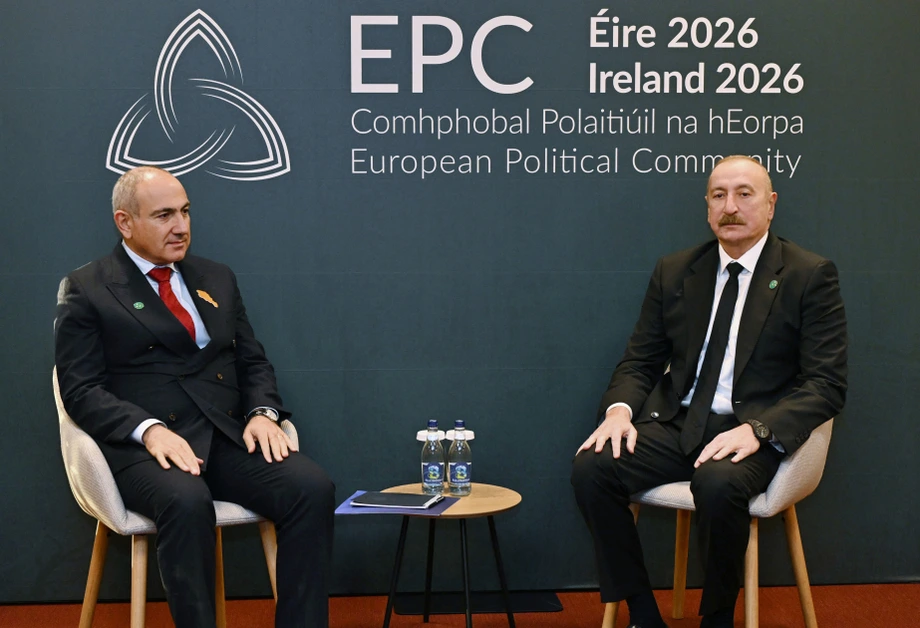
105,000 tonnes of cargo mark a practical step in peace efforts
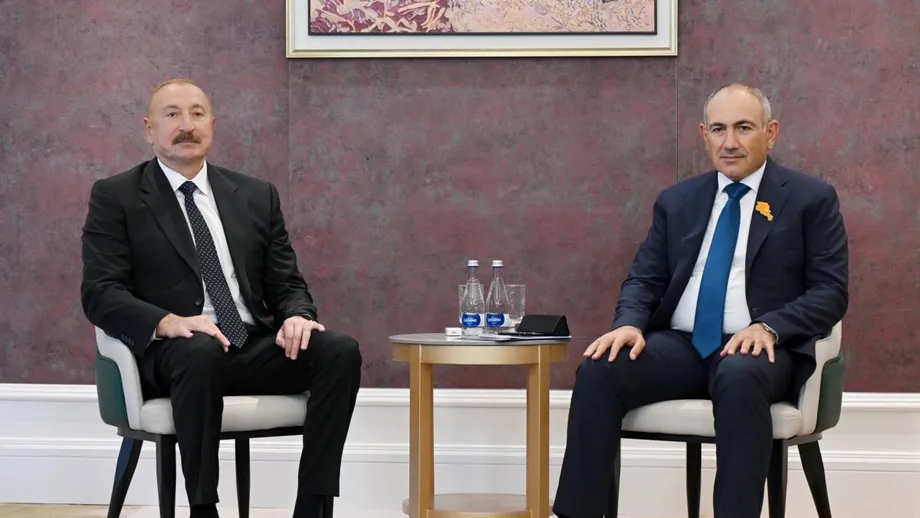
Azerbaijani President Ilham Aliyev and Armenian Prime Minister Nikol Pashinyan met in Dublin on November 12, 2026, to discuss advancing their peace process, with their offices pointing to a concrete development: 105,000 tonnes of cargo transported to Armenia through Azerbaijani territory since November 2025.
Contents
- 105,000 tonnes of cargo mark a practical step in peace efforts
- The Armenian prime minister's office account
- From the Washington declaration to the Dublin meeting
- What the cargo figure tells businesses
- TRIPP discussions focus on railway and highway planning
- Electricity links would extend cooperation beyond freight
- Border work remains part of the peace agenda
- Shared rivers bring environmental cooperation into the talks
- A bilateral agenda within a wider European gathering
- Key Points
The talks took place on the sidelines of the ninth European Political Community summit in the Irish capital. The leaders reviewed transport projects, trade, a future connection between their electricity grids, border delimitation and cooperation over rivers shared across national boundaries.
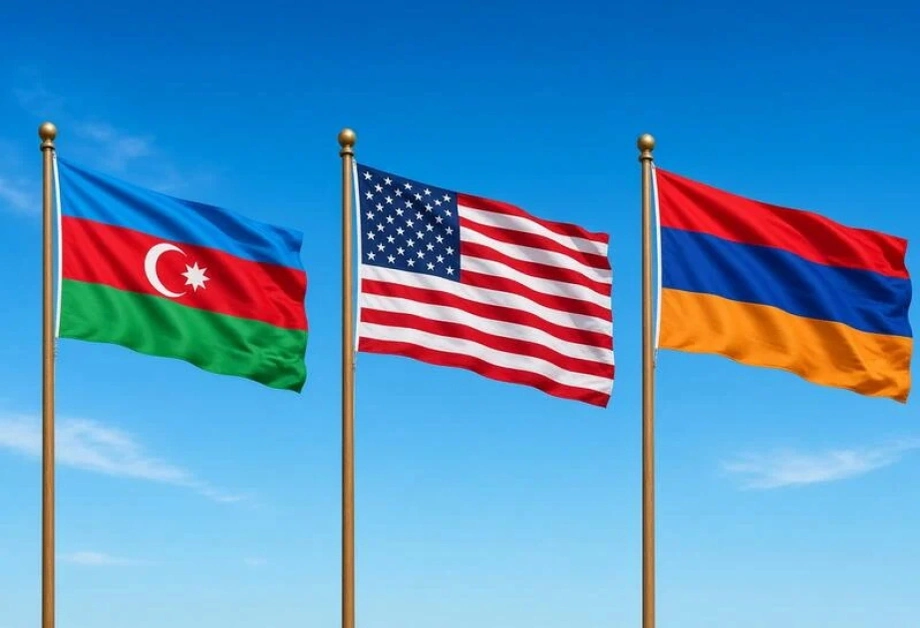
The Azerbaijani presidency and the Armenian prime minister's office said the discussions built on the Washington Peace Summit of August 8, 2025, and the Washington Joint Declaration signed there. The two countries also initialed a peace agreement at that summit.
The Dublin agenda brought several stages of cooperation into the same discussion. Goods were already moving through Azerbaijani territory to Armenia, railway and highway components of a major transport project were being planned and designed, and electricity connections remained a forthcoming step. Working groups had also been established to address shared rivers.
The Armenian prime minister's office account
The Armenian Prime Minister's Office said the leaders exchanged views on advancing the peace agenda between Armenia and Azerbaijan, building on the outcomes of the peace summit held in Washington on 8 August 2025 and the Washington Joint Declaration signed at the summit.
The talks focused on practical steps to consolidate peace between the two countries. These included developing transport and transit links, strengthening economic and trade relations, delimiting the border and implementing confidence-building measures.
The leaders discussed progress on the Trump Route for International Peace and Prosperity (TRIPP), including the planning and design of its rail and road components and prospects for transit links along the route.
The transit of goods to and from Armenia through Azerbaijan was noted as a positive development. The Armenian prime minister's office gave the cargo figure as follows: "A total of 105,000 tonnes of freight has been transported to Armenia through Azerbaijan since November last year."
The two sides also exchanged views on opportunities to develop economic and trade relations further, including the planned interconnection of their electricity grids.
The leaders stressed the importance of cooperation on environmental issues and transboundary water resources and welcomed the creation of working groups on the management of transboundary rivers.
They reaffirmed the importance of maintaining momentum in the peace process and continuing dialogue to strengthen peace, stability and prosperity in the region.
From the Washington declaration to the Dublin meeting
Aliyev and Pashinyan used the Washington summit as the starting point for their latest talks. Their offices described the Dublin meeting as an effort to advance that peace agenda through practical measures and continued dialogue.
Signing a joint declaration and initialing a peace agreement are different diplomatic actions. A declaration records shared political commitments. Initialing an agreement generally means representatives have marked an agreed text with their initials, while formal signature and any required domestic approval are further steps.
The sequence described by the two governments places the Dublin discussions more than a year after the Washington summit:
- August 8, 2025: The Washington Peace Summit produced the Washington Joint Declaration, and Azerbaijan and Armenia initialed a peace agreement.
- November 2025: The period covered by the announced cargo total began.
- November 12, 2026: Aliyev and Pashinyan met in Dublin to review transport, trade, electricity, border and water cooperation.
What the cargo figure tells businesses
The two leaders welcomed the transit of goods to and from Armenia through Azerbaijan. The figure announced by their offices, 105,000 tonnes, specifically covered cargo transported to Armenia through Azerbaijani territory since November 2025.
Transit means moving goods through one country on their way to another. For a business receiving a shipment in Armenia, Azerbaijan can therefore serve as part of the journey even when the goods originate elsewhere. The commercial relationship includes both the destination receiving the cargo and the country allowing it to pass.
The cargo total gives the peace discussions a measurable economic dimension. Alongside diplomatic commitments, the leaders could point to goods actually reaching Armenia through a neighbouring country whose cooperation is needed for that route.
The distinction between transit and direct trade matters for understanding the economic agenda. Direct trade concerns goods bought and sold between Azerbaijan and Armenia. Transit concerns the route a shipment takes. Aliyev and Pashinyan discussed opportunities to develop economic and trade relations as well as the movement of cargo through Azerbaijani territory.
TRIPP discussions focus on railway and highway planning
Aliyev and Pashinyan reviewed progress on the Trump Route for International Peace and Prosperity, known as TRIPP. Their discussions covered planning and design for its railway and highway components, together with prospects for transit connections along the route.
Railways and highways require different infrastructure, but both serve the same basic purpose in this agenda: giving goods and people a physical route between places. Planning and design involve working out how that infrastructure would function before the relevant construction and operating arrangements can be put into practice.
The Dublin discussion placed TRIPP within the wider effort to consolidate peace through transport connections. It also showed why the existing cargo movement and the proposed route belong to different stages of the process: the cargo figure describes shipments already carried, while the TRIPP discussion concerned development of future transport infrastructure.
The leaders' offices gave no opening date for TRIPP, timetable for the electricity connection, schedule for further border decisions or date for another leaders' meeting. For businesses considering future routes, those practical details remain central to deciding how a new connection could fit into their operations.
Electricity links would extend cooperation beyond freight
Azerbaijan and Armenia also discussed the forthcoming interconnection of their electricity grids. This would add another physical connection to an agenda currently illustrated most visibly by cargo transit.
An electricity grid is the network of power lines, substations and other equipment that carries electricity from generators to users. Connecting two national grids creates a link through which electricity can move under agreed technical and commercial arrangements.
The leaders considered the grid connection as part of opportunities to develop economic and trade relations. Unlike a shipment that passes along a road or railway, electricity moving between networks requires coordination between the systems that keep power flowing.
For companies and households, the eventual practical value would depend on how the connection operates and what arrangements the countries reach. In Dublin, the announced development was that the future interconnection formed part of the leaders' economic discussions.
Border work remains part of the peace agenda
Aliyev and Pashinyan included border delimitation among the practical steps discussed in Dublin. Delimitation means agreeing where a border runs, usually through legal descriptions and maps. The separate task of marking that line on the ground is commonly called demarcation.
Border work deals with the territorial line between the countries, while transit discussions concern movement through their territory. Both featured in the same meeting, alongside measures intended to build confidence between the two sides.
The leaders reaffirmed the importance of maintaining positive momentum and continuing dialogue. Their agenda combined questions requiring political agreement with activities requiring sustained technical cooperation, from designing transport infrastructure to connecting electricity systems.
Shared rivers bring environmental cooperation into the talks
The two leaders welcomed the establishment of working groups on the management of transboundary rivers. These are rivers that cross an international border or form part of one, making their management a concern for more than one country.
Water creates a direct connection between communities along the same river. Decisions affecting its flow or condition in one place can matter to people elsewhere along its course. Cooperation provides a way for neighbouring countries to address a resource they share.
Aliyev and Pashinyan stressed the importance of environmental cooperation and cooperation over shared water resources. The working groups provide a specific channel for that part of the relationship, alongside the transport, energy and border discussions.
The Dublin agenda therefore reached beyond the movement of goods. Railways and roads concern access, electricity grids concern power, and river management concerns a shared natural resource. Each requires the two countries to keep working together after a meeting between their leaders ends.
A bilateral agenda within a wider European gathering
The ninth European Political Community summit brought the Armenian and Azerbaijani leaders to Dublin within a larger gathering focused on a strong, secure and connected Europe. Forty eight heads of state and government were invited, alongside participation by representatives of international organisations.
The summit setting provided an opportunity for the bilateral meeting, but the substance centred on specific cooperation between Azerbaijan and Armenia. The clearest announced measure was the cargo already transported to Armenia. Other parts of the agenda involved planning infrastructure, preparing electricity links and organising cooperation over shared rivers.
The leaders left the meeting with a stated commitment to continue dialogue aimed at strengthening peace, stability and prosperity in the region. The practical agenda now spans several kinds of contact between the countries, from a shipment crossing territory to officials working together on water management.
Key Points
- Aliyev and Pashinyan met in Dublin on November 12, 2026, during the ninth European Political Community summit.
- The talks built on the August 8, 2025, Washington Peace Summit and Washington Joint Declaration.
- The leaders' offices said 105,000 tonnes of cargo had reached Armenia through Azerbaijan since November 2025.
- Discussions covered railway and highway planning for TRIPP, trade and a future electricity grid connection.
- Border delimitation and confidence building remained on the agenda.
- The leaders welcomed working groups on shared rivers and committed to continuing dialogue.