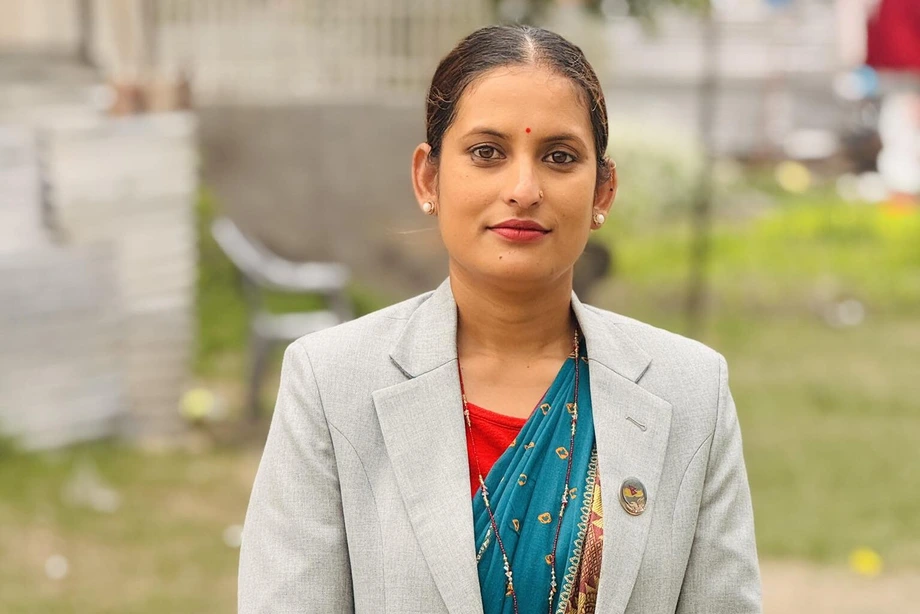
A first payment in Goljungbesi
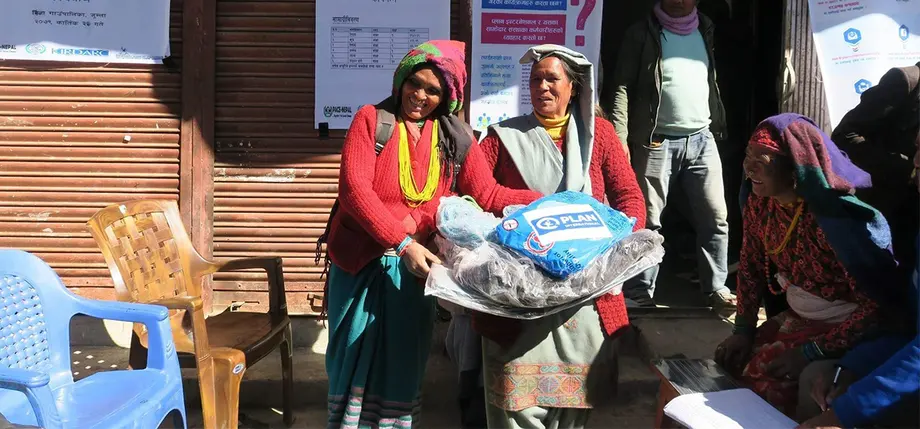
Nepal has begun a long term protection and care programme for children affected by the Bhotekoshi floods with a first payment in Goljungbesi, Ward 5 of Aamachhodingmo Rural Municipality in Rasuwa. On Thursday, 26 November 2026, Minister for Women, Children, Gender and Sexual Minorities, and Social Security Sita Badi deposited Rs 17,500 into the bank account of a mother aged 29 who had recently given birth and whose husband died in the floods.
Contents
- A first payment in Goljungbesi
- Who qualifies, and what limits apply?
- How 810 care arrangements are divided
- What the council's official documents establish
- The disaster behind the care programme
- Why mental health support is urgent
- Family tracing, safe spaces and schooling
- Local commitments and details still to come
- What to Know
The money is the first monthly payment for the woman's newborn daughter, who lost her father in the disaster. The girl is to receive Rs 17,500 each month while living with her mother and family until she turns 18. At the same rate, 12 months of assistance would total Rs 210,000. All amounts in rupees here are Nepali rupees.
The Goljungbesi case became the starting point after a field assessment identified both the mother and her baby as being at high risk. The direct bank deposit connects emergency relief with a commitment intended to last throughout the child's childhood, rather than ending with a single distribution of assistance.
Badi said the wider plan would address education, health, nutrition, safe accommodation and psychosocial wellbeing. Psychosocial support means help with emotional distress as well as a child's relationships, sense of safety and ability to participate in family and community life. The minister said decisions about rescue, protection and rehabilitation would be guided by each child's best interests.
Who qualifies, and what limits apply?
Children who lost both parents in the floods, children whose guardians remain missing and children needing special protection are among those eligible for long term arrangements. A special assistance programme also covers children assessed as facing high risk, pregnant women and mothers who have recently given birth. It involves the National Child Rights Council and MITGF, the foundation run by Shesh Ghale that is also called the MIT Group Foundation.
Children assessed at medium or low risk are to receive protection and care through MITGF, SOS Children's Villages and other partner organisations. This assessment system allows officials to distinguish children who require urgent and intensive help from those whose needs can be met through other services.
Badi also set firm limits on the movement of children after the disaster. No individual or organisation may take an affected child elsewhere at its own discretion while claiming to provide assistance. A child cannot be placed in a children's home or temporary protection centre without a recommendation from the local government and the coordination and consent of the National Child Rights Council.
Those rules address a specific danger after disasters: children can become separated from relatives amid displacement, damaged communications and urgent evacuations. Institutional care means placing a child in an organised residential facility rather than with family. The government's stated approach prioritises safe family care and requires public oversight before an institution becomes involved.
How 810 care arrangements are divided
Five teams led by Shanta Kumari Bhandari, a senior official of the National Child Rights Council, began working in affected areas during the week before the launch. Their tasks are to identify children, assess their circumstances and prepare long term care plans. The assessment in Goljungbesi led directly to the assistance for the mother and newborn.
Badi said arrangements had so far been made for 810 children through partner organisations. SOS Children's Villages is to support 650, approximately 80 per cent of the total. MITGF is to support 150, while 10 are assigned to the Pravina Foundation, whose name also appears as Prabina Foundation. Together, the three allocations account for all 810 children.
The ministry's Child Fund held Rs 70 million, according to Badi. She also said the Nepal government and the foundation had signed a memorandum of understanding worth Rs 580 million for the protection and care of children affected by the floods. A memorandum of understanding records an agreed framework for cooperation. The Rs 580 million agreement is separate from the Rs 70 million balance cited for the Child Fund.
What the council's official documents establish
The National Child Rights Council's official flood response page lists the administrative parts of the programme. They include a notice inviting applications from children seeking inclusion in the Long Term Care Plan and a notice for service providers and organisations willing to register for cooperation, including providers interested in family based care.
The page also lists an initial report on children affected by the Bhotekoshi flood, a rapid assessment report on their conditions and needs for the Nepali year 2083 (2026/27), and a directive against moving children for individual or institutional protection without permission. Family based care generally means care with relatives or another suitable family rather than placement in a residential institution.
These documents show that the response involves more than announcing cash assistance. It requires applications, assessments, registered partners and formal control over relocation. The listed notices also provide routes through which children needing help and organisations wanting to assist can enter the same official system.
The disaster behind the care programme
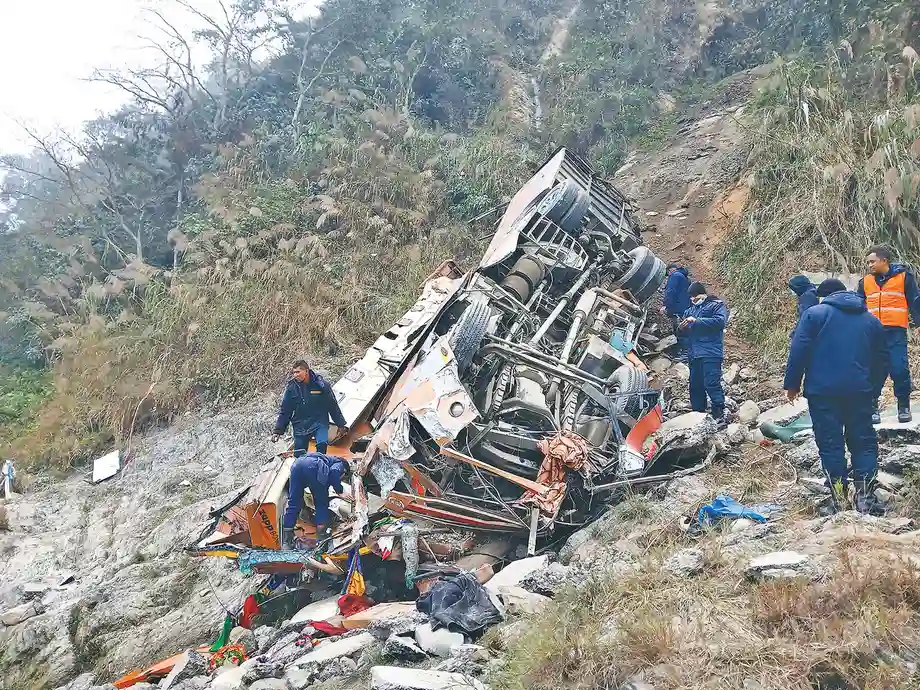
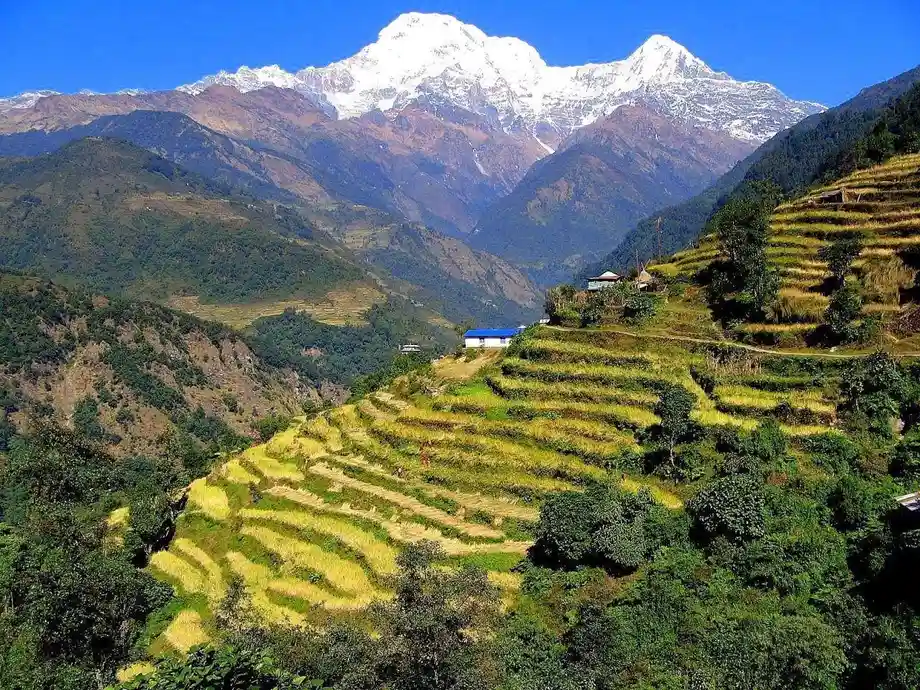
The floods began on 26 August 2026 and were triggered by a glacier collapse, according to UNICEF. In its 15 September flood assessment, the agency said more than 84,000 people in Nepal had been affected, including about 32喇叭,000 children. Roads, schools, electricity networks and water systems were damaged across Rasuwa, Nuwakot and Dhading in northern Nepal.
The published figures place the number of affected children at roughly four in every 10 affected people when about 32,000 children are set against the total of more than 84,000 people. Many children had seen relatives die or disappear, while others had lost their schools or remained displaced from their communities.
Local authorities reported more than 1,300 people killed and more than 5,000 still missing on the Nepal side of the border in the September update. Official Chinese government figures put the toll on the Tibetan side at 43 people killed and 519 still missing. These figures describe the scale of bereavement and uncertainty facing surviving families.
The main dates in the response are:
- 26 August 2026: Flash floods begin at 8:37 am local time, around the start of the school day for many children.
- 15 September 2026: UNICEF publishes its assessment of children's needs, and Education Cannot Wait announces emergency education funding.
- The week before 26 November: Five assessment teams begin work in flood affected areas.
- 26 November 2026: Badi makes the first Rs 17,500 deposit in Goljungbesi and launches the long term care initiative.
Why mental health support is urgent
About 17,000 children needed urgent mental health and psychosocial support three weeks after the floods, UNICEF said. Children who witnessed deaths, disappearances or destruction were experiencing fear, anxiety and grief, and some were unable to speak about what they had seen. The agency said early support can stop acute stress from developing into a chronic condition later in life.
Alice Akunga, UNICEF's representative in Nepal, said rebuilding physical infrastructure had to be accompanied by help for children processing loss and fear. She described the emotional damage and the support required:
Beyond the visible destruction, these floods have left deep emotional scars on children and families. Alongside humanitarian supplies and restoration of critical infrastructure, children need mental health and psychosocial support to help them process what happened, regain a sense of security and begin to recover.
Shitanshu Dhakal, a medical doctor at a hospital in Nuwakot and a mental health advocate, described trauma as an invisible burden carried by affected children. He called for immediate and continuing care:
Children must be at the centre of the mental health response, with immediate psychological first aid and sustained support to prevent long-term consequences.
Psychological first aid is immediate support intended to help a distressed person feel safe, listened to and connected with family and further services. The new care programme's inclusion of psychosocial wellbeing therefore addresses needs that can continue after roads reopen or temporary accommodation is found.
Family tracing, safe spaces and schooling
UNICEF counted 541 children separated from their families and needing protection in its September assessment. It was working with the Nepal government and other partners on family tracing, reunification and mental health services. Eighteen children had been reunified with their families by that point, and 13 child friendly spaces supported by UNICEF had been established.
For children who lost both parents, UNICEF said it was helping arrange alternative care within families. Monitoring teams were also working to identify children at risk and prevent exploitation. The September figure of 541 separated children and November's 810 care arrangements describe different things: the first was a count of a particular protection need, while the second covers planned assistance through three partner organisations.
Education Cannot Wait (ECW), the United Nations global fund for education in emergencies, separately announced $1 million on 15 September to support 17,000 children across Rasuwa, Nuwakot and Dhading. Of those children, 5,000 are to receive education and protection support, while 12,000 are to benefit from measures intended to reduce risks from future emergencies.
Nine schools were severely damaged or destroyed, according to ECW. The fund said governments, foundations and private businesses would need to provide further money for Nepal's education system to rebuild fully. Damage to schools can interrupt learning while also removing a familiar daily routine that helps children recover a sense of normality.
Maysa Jalbout, ECW's director of education, connected the emergency allocation with the danger of prolonged interruption to lessons:
With climate-related emergencies disrupting children's education with increasing frequency, we must ensure that a temporary crisis does not turn into permanent learning loss.
Local commitments and details still to come
During a field visit to Aamachhodingmo Rural Municipality, Badi met local representatives and other stakeholders to discuss conditions after the floods, immediate needs and the challenges facing communities. Her secretariat said she gathered information about the effects on women, children, and gender and sexual minority communities. She pledged support for their protection, rehabilitation and social security.
Chandika Tamang, the rural municipality's vice chairperson, said special programmes would address both immediate needs and long term protection, rehabilitation and social security. Those initiatives are to begin in Aamachhodingmo, placing the rural municipality at the start of the ministry's promised local work.
For the Goljungbesi family, the first bank deposit and the stated monthly schedule provide a clear commitment. The launch did not say whether every one of the other 810 children would receive Rs 17,500 or support tailored differently under individual care plans. It also gave no date for every partner arrangement to begin, no schedule for spending the Rs 580 million agreement and no date for the next public progress report.
What to Know
- Sita Badi deposited the first Rs 17,500 payment for a newborn girl in Goljungbesi, Rasuwa, on 26 November 2026.
- The girl is to receive the monthly assistance until age 18 while living with her mother and family.
- Care arrangements cover 810 children: 650 through SOS Children's Villages, 150 through MITGF and 10 through the Pravina or Prabina Foundation.
- The Child Fund held Rs 70 million, while a separate agreement between the foundation and the Nepal government was valued at Rs 580 million.
- Children cannot be relocated or placed in residential care without local government recommendation and National Child Rights Council coordination and consent.
- The 26 August floods affected more than 84,000 people in Nepal, including about 32,000 children; 17,000 children needed urgent mental health and psychosocial support in UNICEF's September assessment.
- UNICEF had helped reunify 18 children by September, while ECW committed $1 million to education, protection and risk reduction for 17,000 children.