A redrawn income ladder for care insurance
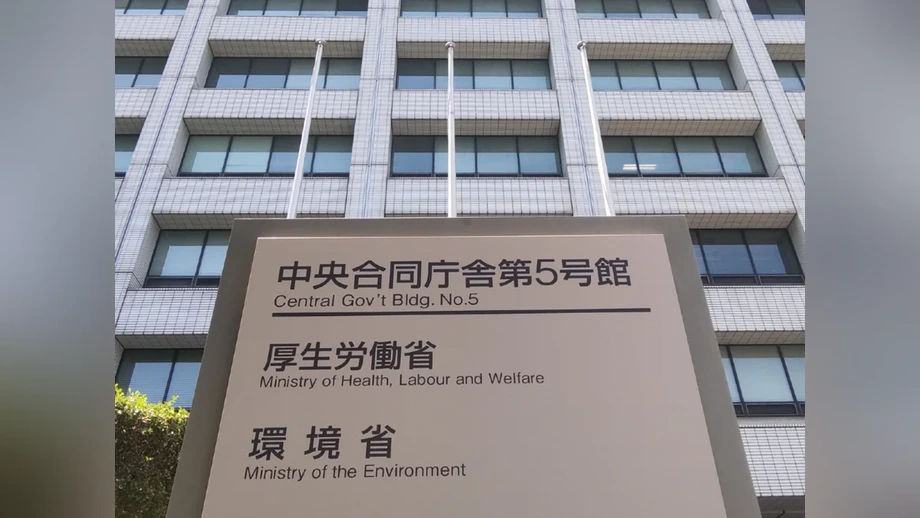
The Ministry of Health, Labour and Welfare put a plan to the Social Security Council's long-term care insurance subcommittee on November 26, 2026: people aged 65 and over with total income of 1,200,000 yen or more a year would pay more for long-term care insurance. Members broadly accepted the direction, and the increase is meant to begin in fiscal 2027, which starts next April.
Contents
- A redrawn income ladder for care insurance
- Base amount, multiplier and a national average of 6,225 yen
- When a bigger pension means a bigger bill
- Why the ministry is acting now
- The other bill: a larger share at the counter
- One household in Yokohama
- What council members said about the risk
- What is not decided yet
- Key Points
What changes is the income ladder that sets each person's premium. It has 13 tiers today. The ministry would turn it into 22 by splitting tier 7, which runs from 1,200,000 yen to just under 2,100,000 yen, and tiers 8 to 13, the last of which covers 7,200,000 yen and above, into two each. Eight of the 14 tiers that result would carry a higher rate, and the people in them would pay more.
Total income is not the money that lands in a bank account. It is income after deductions, the public pension deduction among them. A retiree drawing a pension of about 2,300,000 to 2,400,000 yen a year falls inside the target group, and so does someone whose pension and other income come to roughly 190,000 yen a month.
Roughly 30% of people aged 65 and over are estimated to sit at or above the 1,200,000 yen line under the present framework, which is the group the ministry has in its sights. A ministry official described that group in narrow terms.
The people targeted by this increase are households that pay resident tax, and their incomes are relatively high among older people.
At the lower end, tiers 4 and 5 cover people who are exempt from resident tax themselves but live in a household where someone else is liable for it. Both would be split in two, and some of the people in them would pay less. Seven tiers added in the upper half and two at the bottom take the count from 13 to 22.
Base amount, multiplier and a national average of 6,225 yen
Every premium is two numbers multiplied. Each municipality sets a base amount, 6,225 yen a month on national average, and a rate fixed for the person's income tier. Rates run from 0.455 at the bottom to 2.4 at the top. With a base of 6,000 yen, a rate of 1.2 gives 7,200 yen a month.
The system covers everyone aged 40 and over, and from 65 the premium is usually taken straight out of the pension. In return, a user pays 10% to 30% of the cost of services such as home help, day care and visiting nursing, with the insurance fund covering the rest.
Municipal base amounts and rates are revised every three years, and the national government issues standard rates as a guide. The same income can therefore produce different bills in two neighbouring cities, and the ministry has said actual amounts may move from place to place.
Households between 1,200,000 and just under 2,100,000 yen pay 8,092 yen a month on average now, and the rise under discussion works out to about 623 yen. The new tier at 7,200,000 yen and above lifts the ceiling rather than the middle: the highest standard rate today is 2.4, and the higher rates in the upper half of the new ladder raise it.
When a bigger pension means a bigger bill
Prices have pushed public pension payments up, and a household whose income crosses the line where resident tax begins can lose more than it gains. In Tokushima prefecture, one household's annual premium went from about 57,000 yen to about 99,000 yen, close to 1.7 times, after a pension increase took it off the exempt list. The same move removed reductions that had applied to its medical and care costs.
The ministry has acknowledged the trap. For people whose premium jumps because a pension increase lifted them into a higher tier, the plan would cut half of the increase for one year. That measure is scheduled for fiscal 2028, a year after the new tiers begin.
Why the ministry is acting now
Care for an ageing population costs 14.6 trillion yen a year, against 3.6 trillion yen when the insurance system began in 2000. That is about four times the original bill.
Half of the money comes from public funds. Of the other half, 27 percentage points are paid by people aged 40 to 64 and 23 by people aged 65 and over. Premiums for the younger group are about three times what they were at the start of the scheme. The ministry's stated aim is to collect more from pensioners who can afford it so that the system holds together as the number of people needing care grows.
The other bill: a larger share at the counter
A second discussion runs alongside the premium change. About 5,400,000 people in Japan use care services. More than 90% of them pay 10% at the counter, while about 4% pay 20% and about 4% pay 30%, depending on income.
The 20% share applies today to people whose pension and other income together reach 2,800,000 yen. The ministry is weighing a lower threshold, which would bring more users into the higher share. The two changes lean the same way: a pensioner on a higher income would pay a larger premium, and would also hand over a larger share of the bill when care is used.
One household in Yokohama
A woman of 82 in Yokohama lives on her pension and uses care services. Her share went from 10% to 20% in August last year after her pension income rose 1,000 yen past the threshold. A helper who used to shop for her 11 times a month now comes eight times, visiting rehabilitation has fallen from 24 sessions to six, and nursing visits have been shortened.
Cutting back did not hold her bill down. With more services at 10%, she paid 27,129 yen a month. At 20%, with fewer services, she pays 37,599 yen, about 10,000 yen more.
I have almost no savings left, and it is tough. I depend on the helpers and the care workers for everything, including meals.
Atsushi Hidaka, a care manager at the provider Step Kaigo, sees the pattern repeat.
Older people who need services have to cut them back when their share rises, or can no longer do what they could do before. They are left further and further behind. The son's burden grows, and many of them say they are sorry.
Her son now does the cleaning, the laundry and the washing up. He described where that leaves him.
I have made up for the services she cut. I do not know how long I will stay healthy, or how long I can keep supporting her. The worry never leaves.
What council members said about the risk
Subcommittee members accepted the case for asking more of higher incomes, and some set out what the asking costs. One warned that a 20% share of care costs can add several hundred thousand yen a year to a household, and that the income bands under discussion do not necessarily hold people with room in their budgets. Another traced the effect through to the public purse.
If using fewer services leads to worse conditions and a heavier load on families, the burden on society as a whole may grow as a result.
What is not decided yet
The ministry aims to settle the details within this year. The income range of each new tier and the premium attached to it will be set according to how many people aged 65 and over fall in each band, so the size of individual increases is not fixed. The revision itself is due in fiscal 2027, with the cushion lasting one year for people pushed up by pension rises following in fiscal 2028.
Because municipalities and regional unions set their own base amounts, the bill a household actually receives will vary by place. The ministry has said real amounts may differ from the national figures used in its examples.
Key Points
- Premiums for people aged 65 and over would rise from fiscal 2027 for those with total income of 1,200,000 yen or more a year.
- The 13 income tiers would become 22, and eight of the upper tiers would carry a higher rate.
- The national average premium is 6,225 yen a month, with rates running from 0.455 to 2.4 times a municipal base amount.
- Households earning 1,200,000 to just under 2,100,000 yen pay 8,092 yen a month on average, with a rise of about 623 yen under discussion.
- A new top tier at 7,200,000 yen and above lifts the ceiling on premiums.
- People pushed into a higher tier by a pension increase would have half of the rise cut for one year, starting in fiscal 2028.
- About 30% of people aged 65 and over are estimated to sit at or above the 1,200,000 yen line.
- Care spending has grown from 3.6 trillion yen in 2000 to 14.6 trillion yen, with half covered by public funds.
- The ministry is also weighing a wider 20% share of care costs paid at the counter, against a current income threshold of 2,800,000 yen.
- Details are to be settled by the end of this year, and premiums will vary by municipality.