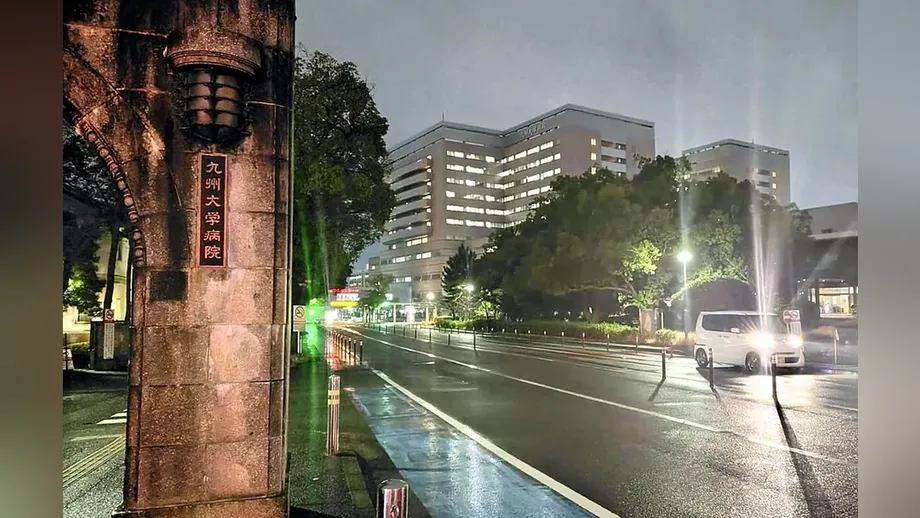
Three cell sheets implanted in a man with severe heart failure
Kyushu University Hospital in Fukuoka performed surgery on October 27 to attach three sheets of heart muscle cells made from induced pluripotent stem cells, or iPS cells, to the heart of a man in his 50s. The patient, who lives in Kyushu, had severe heart failure and struggled to walk despite treatment with medication and a pacemaker.
Contents
- Three cell sheets implanted in a man with severe heart failure
- Who can receive the treatment?
- What Japan's approval allows
- How the patches are expected to help
- A small incision and about 70 minutes in surgery
- Where it fits between existing treatments
- What happened in Osaka before Kyushu
- Safety checks remain part of treatment
- Living cells need a reliable delivery system
- Key Points
The hospital said his condition was stable after the operation. It described the procedure as the world's second use of the regenerative medicine product RiHEART since public health insurance coverage began in September, following an operation at Osaka Police Hospital. Kyushu University had already carried out a clinical trial of the transplantation procedure in 2023.
Surgeons placed three thin sheets, each about three centimeters across, on the surface of the patient's heart. The operation took approximately one hour and 10 minutes, and discharge was expected about three weeks later. His progress over the following months will matter for understanding whether the treatment improves his ability to breathe, walk and manage daily activities.
Who can receive the treatment?
RiHEART was developed by Cuorips, a company originating at Osaka University. Its intended patients have severe heart failure caused by ischemic cardiomyopathy, a condition in which an inadequate blood supply damages the heart muscle and weakens its pumping ability.
Heart muscle needs oxygen carried by blood. When the vessels supplying it become narrowed or blocked, the muscle can be injured, including during a myocardial infarction, commonly called a heart attack. A weakened heart may then struggle to deliver enough blood around the body, leaving a person breathless or exhausted during ordinary movement.
Cuorips says the treatment is intended for patients whose condition remains severe despite standard care, including medicines and invasive treatments. The Kyushu patient had received medication and a pacemaker, but their effects had been insufficient. Walking left him short of breath.
What Japan's approval allows
Cuorips states on its RiHEART product page that Japan's Ministry of Health, Labour and Welfare granted conditional and time limited marketing approval in March 2026. The approved indication is severe heart failure caused by ischemic cardiomyopathy that remains resistant to standard therapies.
That approval gives the treatment a defined place in medical care while requiring continued observation after it reaches patients. Cuorips says it is establishing the supply infrastructure needed for the required surveillance after marketing. Such follow up involves collecting information about safety and treatment outcomes during clinical use.
Public insurance coverage began in September, creating a route for treatment within Japan's insured medical system. The exact amount patients would pay, the number of hospitals ready to offer RiHEART and the schedule for wider access were not specified in the announcements.
How the patches are expected to help
RiHEART contains heart muscle cells made from another person's iPS cells. These are described as allogeneic cells, meaning they come from a donor rather than from the patient receiving treatment. The cells are grown and processed into thin sheets before delivery to the hospital.
Scientists create iPS cells by reprogramming ordinary body cells into a state from which they can develop into many different cell types. For RiHEART, the manufacturing process guides them into becoming cardiomyocytes, the muscle cells of the heart. Those cells are then purified and formed into patches.
Cuorips says the patches are designed to release cytokines and other substances that act on surrounding tissue. Cytokines are signals that cells use to communicate. The intended effect is to support the condition of the heart muscle, encourage new blood vessel growth and improve or maintain heart function and exercise capacity.
The treatment therefore aims to help damaged tissue through signals released by the transplanted cells. For a patient, the hoped for benefit is practical: less breathlessness and greater ability to move. The Kyushu announcement described his immediate condition after surgery; measurements of later changes in heart function and walking ability were not given.
A small incision and about 70 minutes in surgery
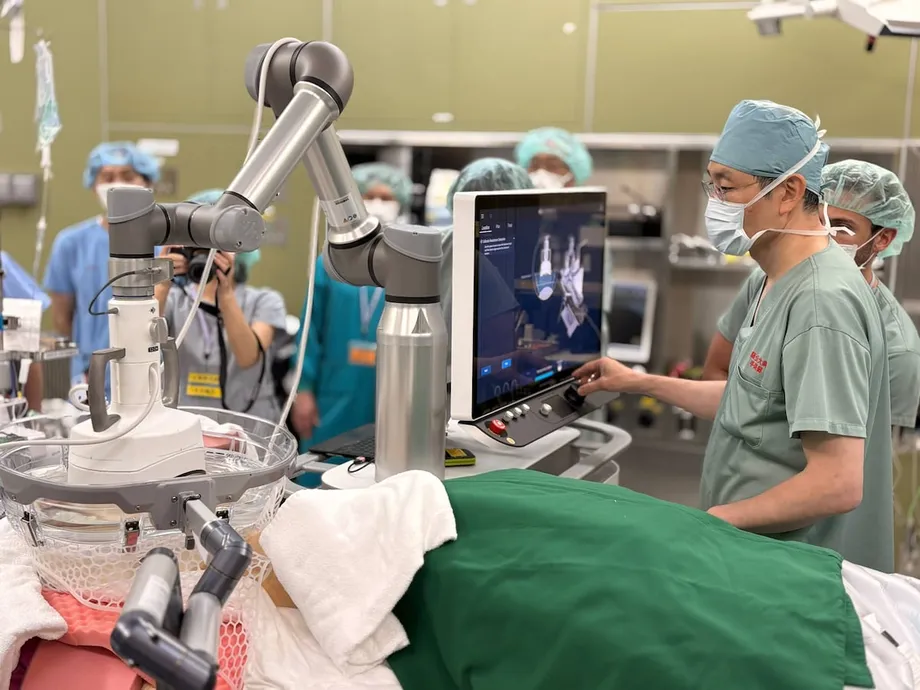
The Kyushu operation involved an incision of approximately five centimeters on the left side of the patient's chest. Surgeons used that opening to place the three sheets directly on the surface of his heart. The procedure finished in approximately 70 minutes.
Cuorips describes its general surgical approach as a left minithoracotomy, meaning an operation through a relatively small opening on the left side of the chest. Its product information describes an incision of about seven centimeters and says the procedure can take approximately 50 minutes. The Kyushu figures describe the operation performed on this particular patient.
The company says the sheets can be applied without puncturing the heart muscle, and the approach avoids the full central opening of the breastbone used in conventional coronary artery bypass surgery. A smaller surgical opening can reduce the physical burden of an operation, an important consideration for people whose hearts are already weak.
Professor Akira Shiose, Kyushu University Hospital's deputy director and the surgeon responsible for the procedure, said it could become a less invasive option before heart transplantation or a ventricular assist device for patients whose heart function does not recover after catheter treatment or bypass surgery.
Where it fits between existing treatments
Catheter procedures and bypass surgery seek to improve blood flow to the heart. A catheter is a thin tube passed through a blood vessel to reach the treatment site. Bypass surgery creates another route for blood to pass around a blocked coronary artery. Some patients continue to have poor heart function even after those treatments.
A ventricular assist device is a mechanical pump that helps move blood when the heart cannot do enough work itself. A heart transplant replaces the failing heart with a donor heart. Shiose's comments place RiHEART as a potential option before those treatments for suitable patients.
Shiose described his reaction after completing the operation:
I am relieved that it went well. I feel that a light has appeared for patients we wanted to treat but could not.
Before surgery, Shiose also said care would be tailored to each patient's condition. The approved indication and the patient's response to previous treatment are central to deciding whether this operation is appropriate.
What happened in Osaka before Kyushu
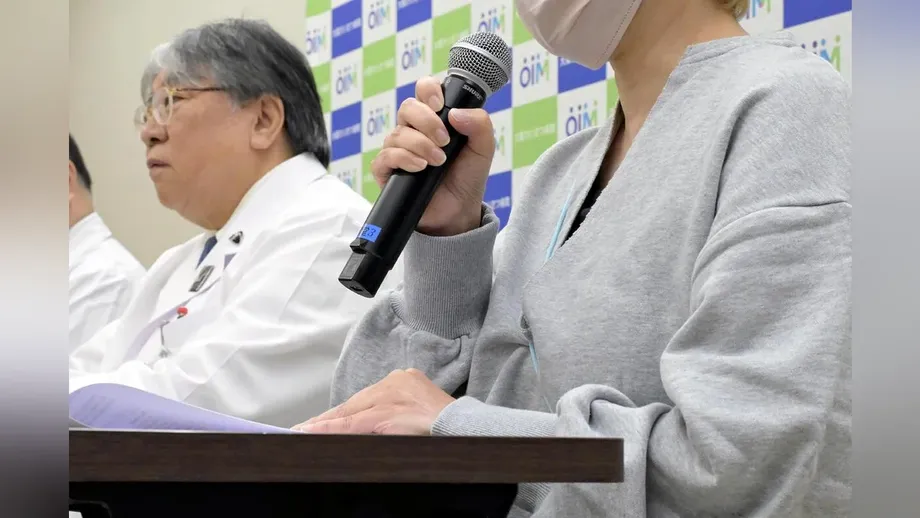
Osaka Police Hospital carried out the first operation after insurance coverage began, treating a woman in her 50s in September. At a hospital news conference on October 21, she described a change in her breathing about a week after surgery.
The woman, whose name was not given, said:
About a week after the operation, I became able to breathe more deeply. It is different from before.
Her description offers an early account of how recovery felt to one patient. The Kyushu man was still at the immediate postoperative stage when his hospital announced its operation. His expected hospital stay was about three weeks, with the actual discharge date depending on recovery.
The main steps toward the current treatment span several years:
- January 2020: Cuorips says investigator initiated clinical trials began.
- August 2020: Its CLiC-1 cell processing facility began operating in Minoh, Osaka.
- 2023: Kyushu University conducted a clinical trial of the transplantation procedure.
- March 2026: Cuorips says it received conditional and time limited marketing approval.
- September: Public insurance coverage began, followed by the first operation at Osaka Police Hospital.
- October 27: Kyushu University Hospital performed the second operation since insurance coverage began.
Safety checks remain part of treatment
Cuorips identifies tumor formation as a concern in manufacturing treatments from iPS cells. Their ability to multiply is useful for producing cells, but cells left in an undifferentiated state can create a risk of unwanted growth. Undifferentiated means they have not completed the intended change into a specialized cell type.
The company says it uses several purification steps, combining technologies from Osaka University and Daiichi Sankyo, to remove those remaining cells. It reports no cases of tumor formation to date in the investigator initiated clinical trials that began in January 2020. Its product page does not give the number of patients or individual follow up periods alongside that statement.
Cuorips also says applying the sheets to the surface without puncturing the heart is intended to reduce the risk of abnormal heart rhythms. Continued clinical observation will track safety alongside changes in symptoms, exercise capacity and heart function under the conditions of approval.
Living cells need a reliable delivery system
Cuorips manufactures the patches at CLiC-1 in Minoh, Osaka. The facility, which opened in August 2020, combines cell processing and research operations. Producing living tissue for an operation requires both controlled manufacturing and a delivery schedule that keeps the cells viable.
The company says its preservation technology allows the patches to remain viable for approximately 48 hours at room temperature. It describes transporting the product from Osaka to hospitals in Tokyo by Shinkansen as an example of how distribution can work across Japan.
Hospitals receive the sheets in a prepared, unfrozen state. According to Cuorips, surgical teams perform a brief rinse before transplantation, without needing specialized equipment to thaw and process the product. That arrangement reduces preparation work at receiving hospitals, while the limited transport window makes coordination between the factory and operating team essential.
Kyushu's operation extends use beyond the first hospital in Osaka. For patients waiting for another treatment option, the next concrete developments are the man's recovery, his planned discharge and the clinical follow up required as RiHEART enters wider medical use.
Key Points
- Kyushu University Hospital implanted three RiHEART sheets in a man in his 50s on October 27.
- The hospital called it the second operation worldwide since public insurance coverage began in September.
- The patient was stable after surgery lasting about 70 minutes, with discharge expected roughly three weeks later.
- RiHEART is intended for severe heart failure caused by ischemic cardiomyopathy despite standard treatment.
- Cuorips says Japan granted conditional and time limited approval in March 2026, with continued surveillance required.
- The patches are designed to release substances that support damaged heart tissue and blood vessel growth.