A New Writing System for Central Asia
Uzbekistan is preparing for a nationwide shift in how its national language is written, bringing changes to school textbooks, official identity papers, digital tools, and product packaging. The legislative foundation for this reform was established when Shavkat Mirziyoyev signed a law on October 21, 2026, coinciding with Uzbek Language Day. The legal provisions are scheduled to take effect on April 22, 2027. Saida Mirziyoyeva, head of the Presidential Administration, spoke about the significance of the reform during Uzbekistan Revises Latin Alphabet, explaining that the update corrects past shortcomings and strengthens the position of the national language in the digital age. The Ministry of Justice published a draft Cabinet of Ministers resolution on November 21 to outline the practical implementation stages, opening the proposal for public discussion until December 6.
Contents
- A New Writing System for Central Asia
- Understanding the Four Specific Letter Changes
- Phased Rollout in General Secondary Education
- Preschool Materials and Animated Series
- Official Documents and Personal Identification
- Commercial Packaging and Digital Adaptation
- Public Infrastructure and Media Transition
- The Bottom Line
Understanding the Four Specific Letter Changes
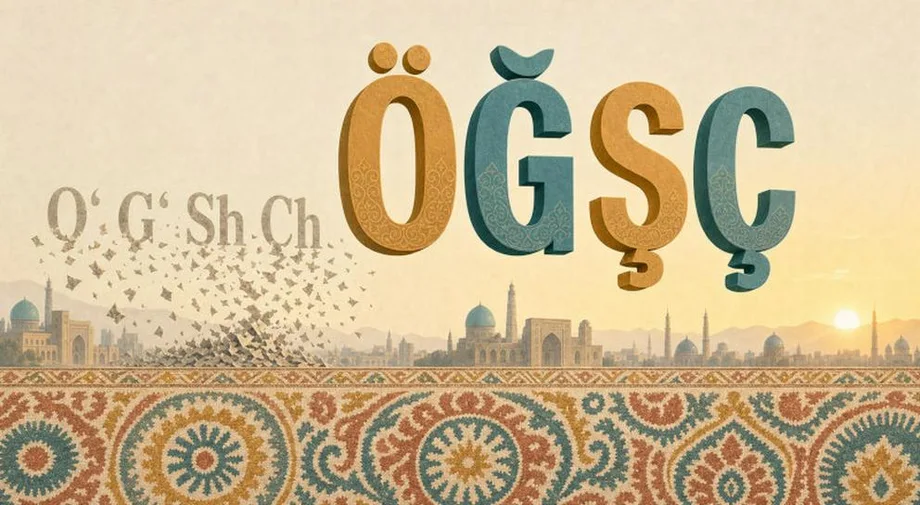
The revised alphabet reduces complexity by replacing two-letter combinations and apostrophe-heavy forms with single characters carrying diacritic marks. Specifically, the letter forms Oʻ oʻ change to Ö ö, Gʻ gʻ change to Ğ ğ, Sh sh change to Ş ş, and Ch sh change to Ç ç. Additionally, the letter combination Ng is removed as a separate alphabetical entry. The finalized system consists of 28 distinct letters and a single apostrophe-like sign known as the tutuq belgisi. Linguists have long criticized the previous reliance on apostrophes and multi-letter combinations as an obstacle to digital processing and natural reading.
Phased Rollout in General Secondary Education
The education system faces a multi-year adjustment period to update textbooks and teaching materials across all grade levels from one to eleven. Beginning with the 2027/2028 academic year, first-grade pupils will receive textbooks utilizing the revised alphabet. The complete adaptation for the entire school system is scheduled to run from 2027 to 2031, with older materials replaced gradually as they reach the end of their normal publication cycles. Educational authorities will conduct an inventory of existing school resources by December 2026 to establish replacement schedules organized by grade and subject. Teachers will participate in special training courses, seminars, and webinars starting in 2027 to master the new writing rules.
High school students will experience a transitional buffer to prevent undue academic stress during the alphabet shift. A temporary, more lenient approach to assessing spelling errors is proposed for pupils in grades 5 to 11. This protective measure would remain in effect until August 1, 2028, applying to classroom assignments, final state examinations, and university entrance tests.
Preschool Materials and Animated Series
Younger children will encounter the updated letters through specially developed preschool resources between 2027 and 2030. Illustrated alphabet booklets written in simple language will introduce children to the updated letters through friendly characters. Preschool educational organizations will receive materials for group rooms, including wall-mounted alphabet posters, magnetic letters, blocks, and sets of tactile letter models that allow children to explore letters through touch. Authorities also plan to produce audio materials, including fairy tales, poems, and children songs designed to teach the correct pronunciation of letters. Furthermore, a four-part animated series titled Sehrli harflar sarguzashtlari will be broadcast across television channels, social media networks, and online platforms to explain the pronunciation and writing of each new letter through an engaging narrative format.
Official Documents and Personal Identification
Citizens will not be required to rush out and replace their personal identification papers when the law takes effect. New ID cards, biometric passports for international travel, driving licences, vehicle registration certificates, and cadastral documents issued after April 22, 2027, must use the revised script, but existing blank document forms may continue to be used until January 1, 2028. Documents issued under previous rules will remain valid and continue to confirm personal and property rights. Government authorities have clarified that differences in the spelling of a person name resulting from the alphabet update will not serve as grounds for refusing public services or rejecting official documents. Identification cards for employees of government bodies and business associations will be replaced as part of scheduled renewals. Technical identifiers such as domain names, email addresses, login details, bank accounts, and contract numbers will remain unchanged.
Financial instruments and state currency will also maintain their current status without requiring reissuance. National currency banknotes and state securities will remain completely valid under their existing inscriptions.
Commercial Packaging and Digital Adaptation
Manufacturers will be given a structured timeline to update product labels and packaging materials. For a one-year window from April 22, 2027, to April 22, 2028, product inscriptions may be printed under either the existing or the revised rules. From April 22, 2028, packaging and labels will have to be ordered using the revised alphabet. Packaging materials produced earlier may continue to be used until April 22, 2029, and products labelled legally before the end of the transition period will remain eligible for sale until their expiry dates. Digital tools used in trade and customer services, including banking applications, payment terminal interfaces, tax and customs systems, and electronic trading platforms, will also incorporate the revised script.
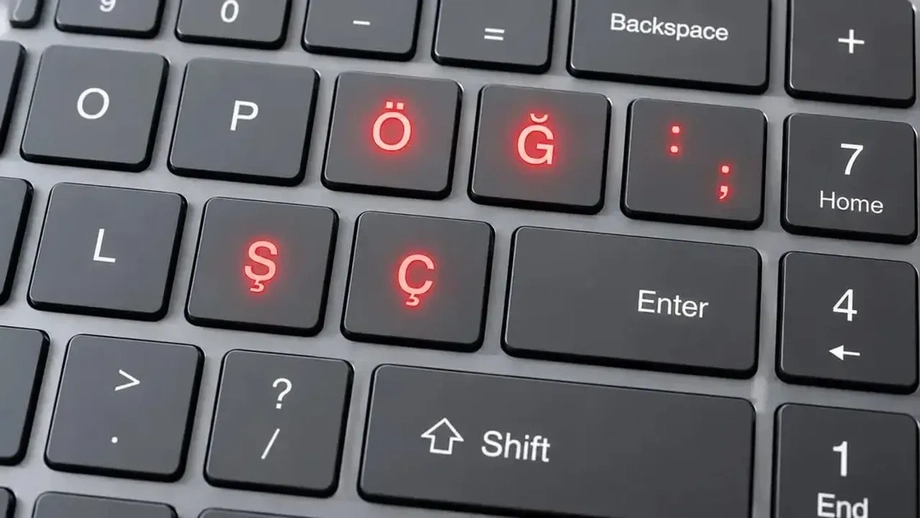
The Ministry of Digital Technologies, together with other agencies, is tasked with preparing a unified keyboard standard for Uzbek to simplify entering the letters ö, ğ, ş, and ç across Android, iOS, macOS, and Windows operating systems. In 2026 and 2027, authorities plan to contact international technology companies including OpenAI, Google, Anthropic, xAI, DeepSeek, and Meta to propose adapting tools like ChatGPT, Gemini, Claude, Grok, DeepSeek, and Meta AI to the revised letters and spelling rules. Government digital platforms such as OneID and my.gov.uz will also be updated to ensure seamless operation with the revised writing system.
Public Infrastructure and Media Transition
Information signs in public places will undergo a gradual replacement process starting in 2027. This effort encompasses signs at government institutions, road signs, information boards at airports and railway stations, and the names of public transport routes and stops. Inscriptions on the state emblem and official awards will also experience updates under draft documents scheduled for 2027. Existing state symbols and geographical markers may remain in place until they reach physical wear or designated government deadlines.
Media publications and printed materials in the Uzbek language are expected to adopt the revised script once the law takes effect. Nodirjon Kholbutaev, head of the Department for the Development of the State Language, and Senator Khusan Ermatov previously addressed the operational challenges of moving media outlets toward a unified writing standard. Newspapers, television channels, and online publishers will need to prepare necessary equipment and train staff during the transition window.
The Bottom Line
- Uzbekistan will introduce a revised Latin alphabet on April 22, 2027, featuring 28 letters and the tutuq belgisi.
- Four written forms change: O' o' becomes Ö ö, G' g' becomes Ğ ğ, Sh sh becomes Ş ş, and Ch sh becomes Ç ç.
- First-grade school textbooks will adopt the revised script starting in the 2027/2028 academic year, with full school integration by 2031.
- Citizens are not required to replace existing passports or identity documents, ensuring no mandatory out-of-pocket expenses.
- Product packaging must feature the revised alphabet starting from April 22, 2028, following a one-year transition period.