A Bank Steps Off the Trading Floor
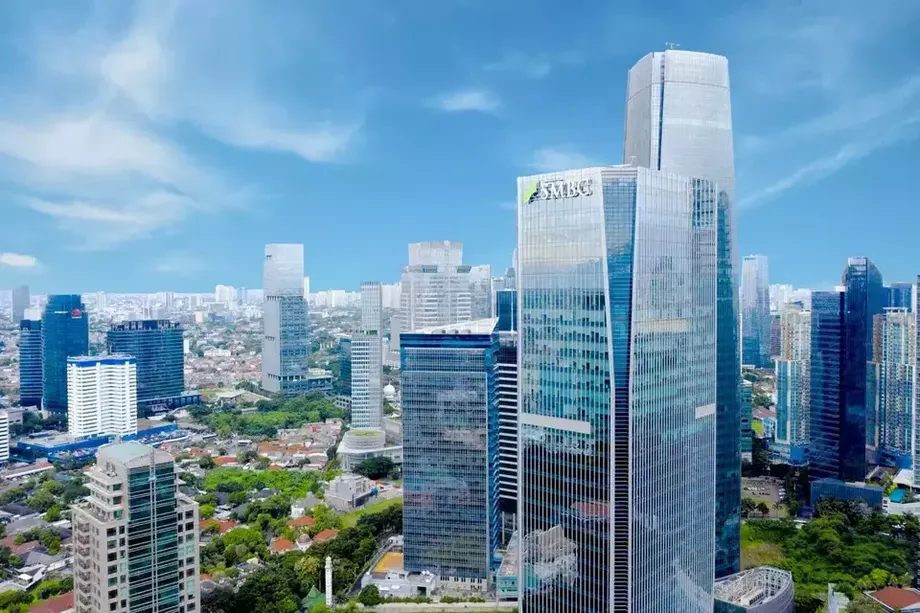
PT Bank SMBC Indonesia Tbk. (BTPN) entered a trading halt on Monday, 23 November 2026, after telling regulators it wants to leave the Indonesia Stock Exchange and become a private company. The suspension took effect from the preopening session and covers the regular, cash and negotiated markets, leaving shareholders unable to sell on the exchange until further notice.
Contents
The bank, formerly known as Bank Tabungan Pensiunan Nasional, said it had notified Otoritas Jasa Keuangan, Indonesia's financial services regulator, and Bursa Efek Indonesia, the stock exchange also called BEI or IDX, about an extraordinary general meeting of shareholders. The meeting will ask shareholders to approve a change from listed company to private company and the removal of all BTPN shares from the exchange.
BTPN shares last traded at Rp2,340 each on Friday, 20 November 2026, down 2.90% from Rp2,410 the day before. The price was still up 10.38% year to date, which means it had gained since the start of 2026 despite the final drop. The bank's market value stood at Rp24.90 trillion, making it the 11th largest listed banking company by market value.
That combination explains why the halt matters. A voluntary delisting is an exit that the company starts, not a removal ordered because a company broke a listing rule. Going private means the shares would no longer be bought and sold by the public on an exchange. For ordinary holders, the immediate change is practical: the trading window closed before the market opened on Monday, and the exchange said the halt remains until it announces a change.
What the Bank Put in Its Notice
PT Bank SMBC Indonesia Tbk. sent letter number S.102/CCS/XI/2026 dated Friday, 20 November 2026, to OJK and BEI. The letter gave notice of a plan to hold an extraordinary general meeting of shareholders, known in Indonesia as RUPSLB, on the move to private status and delisting. It was published on 21 November 2026 and quoted again on 22 November.
Eneng Yulie Andriani, the corporate secretary of PT Bank SMBC Indonesia Tbk., wrote in the disclosure that the bank would follow the applicable rules during the process. Her statement was submitted to the exchange and OJK.
"In pursuing the go-private and delisting processes, the company will fully comply with all applicable laws and regulations," Eneng said in a statement submitted to the IDX and the Financial Services Authority (OJK).
In plain terms, the company has told regulators that it knows a delisting is a formal process with legal steps. It has not yet told the market how that process will work. The bank said a more detailed disclosure will be published together with the RUPSLB announcement on 30 November 2026.
The same disclosure promise covers the effects of the plan on operations, legal matters, financial condition and business continuity. Those are the areas ordinary customers and employees usually ask about first when a listed bank changes status. The first notice did not answer them.
How the Exchange Stopped Trading
Bursa Efek Indonesia issued the suspension notice on Monday, 23 November 2026. Teuku Fahmi Ariandar, head of Corporate Evaluation Division 1, and Pande Made Kusuma Ari A., head of Trading Regulation and Operations Division, signed it.
The exchange based its decision on the company disclosure dated 20 November. It ordered a halt in all markets, including the Regular Market, Cash Market and Negotiated Market, starting from the preopening session on Monday, before regular trading started, and continuing until an exchange announcement.
BEI asked parties connected with the stock to watch the company's disclosures as the plan develops. For investors, an exchange suspension is like a locked trading door. The share still exists, and the company still exists, but no one can buy or sell that share through BEI while the halt is in force. Trading on those venues stops even if an investor uses a broker, because BEI controls the order book, the list of buy and sell orders, for BTPN.
The halt is a pause in trading. The change from listed company to private company still needs the shareholder meeting described in the bank's notice, and the exchange will need to handle the removal of the shares from its system if shareholders approve it.
Why Free Float Is Central
Free float means the part of a company's shares that ordinary investors can trade. A stock with a large free float has many shares moving between buyers and sellers. A stock with a small free float can be held mostly by one owner or a small group, which makes the market for those shares thin.
BTPN's own share table showed 830.69 million shares recorded electronically for public investors, equal to 7.8%, and 121.75 million physical certificate shares, equal to 1.14%. Added together, public holdings were about 9%. BEI's minimum free float requirement is 15%, so BTPN was below that level before the halt.
The exchange's high shareholding concentration list, known as HSC, gave a sharper picture of ownership. Among the latest 383 HSC stocks released by BEI, BTPN showed concentration of 99.78%. Data from BEI and KSEI, the Indonesian Central Securities Depository, counted 99.78% of BTPN shares as controlled by a small group of investors as of 30 June 2026.
The bank's shareholder table named Sumitomo Mitsui Banking Corporation as the controlling shareholder with 91.047%, while the HSC figure counted the wider block held by a small group. The HSC data put free float below 1%, while the bank's table counted 7.803% electronically recorded public shares and 1.144% physical certificate shares. The exchange and KSEI used the HSC list as an ownership concentration flag for market supervision.
That gap matters because the people who can trade a stock are not always the same as the people shown in a simple shareholder category table. Electronic shares are recorded in accounts without paper certificates. Physical certificate shares are represented by paper documents. Both forms are part of BTPN's public share count, but concentration data can group holders differently.
A Short Timeline of the Shift
The plan grew out of a long ownership change that started more than a decade before the trading halt. These are the dated steps that matter for understanding why BTPN is leaving the exchange now.
- 2014: Sumitomo Mitsui Banking Corporation bought a 40% stake in BTPN from TPG Nusantara in a transaction worth USD 1.5 billion.
- February 2019: PT Bank Tabungan Pensiunan Nasional Tbk. merged with PT Bank Sumitomo Mitsui Indonesia, and SMBC became the majority shareholder with more than 90%.
- 29 August 2024: Shareholders approved changing the company name from PT Bank BTPN Tbk. to PT Bank SMBC Indonesia Tbk.
- 30 June 2026: Ownership data used for the HSC list counted 99.78% of BTPN shares in the hands of a small investor group.
- 20 November 2026: The bank sent letter S.102/CCS/XI/2026 to OJK and BEI, announcing the plan for private status and delisting.
- 23 November 2026: BEI suspended BTPN trading from the preopening session until further notice.
- 30 November 2026: The bank said it will publish detailed information together with the RUPSLB announcement.
The timeline shows a bank that moved from a listed institution with a Japanese strategic owner to a company largely held by that owner and a small group. The stock exchange step is the latest visible result of that ownership structure.
From BTPN to SMBC Indonesia
BTPN began as Bank Tabungan Pensiunan Nasional, a name that pointed to pensioners, before its ownership changed. The name BTPN stayed on the stock exchange even after SMBC became the controlling shareholder.
SMBC is a Japanese multinational bank and Japan's second largest bank. Its 2014 purchase of a 40% stake from TPG Nusantara cost USD 1.5 billion. The 2019 merger with PT Bank Sumitomo Mitsui Indonesia pushed SMBC's ownership above 90%, a level that left only a small slice of shares outside the controlling group.
The August 2024 name change put the parent bank's identity into the company's public name. That move came more than two years before the delisting notice. For ordinary readers, the names tell a simple story: the bank once traded under the BTPN identity, then carried the SMBC Indonesia name while still listed, and now wants to stop trading on the exchange altogether.
The latest shareholder table still uses the BTPN ticker because that is the code investors know on BEI. If the delisting proceeds, that ticker would disappear from daily exchange trading, but the bank would remain a bank under Indonesian banking supervision.
What Investors Still Do Not Have
The first notice answered one big question: whether the bank is considering leaving the exchange. It left several practical questions open. The bank did not give the reason for the move, the method for taking the company private, an offer price for minority shareholders, a timetable for delisting, or a date for the RUPSLB itself.
Investors also do not yet know how the bank will handle shares held by the public if private status is approved. A delisting can involve a buyout, a share exchange, or another mechanism, and each route affects minority holders differently. The 30 November disclosure is the next dated step for those details.
The suspension has no stated end date beyond an exchange announcement. Shareholders who wanted to trade on Monday, 23 November 2026, had to wait because BEI had already halted the stock from the preopening session. The exchange will issue the next trading notice when it is ready.
For employees and customers, the notice did not announce branch closures, job cuts, changes to deposits or changes to loan services. It said the effect on operations, legal matters, finances and business continuity will be disclosed with the RUPSLB information. That is the part the bank has promised to explain in writing on 30 November.
The Price Story Before the Halt
BTPN closed at Rp2,340 on Friday, 20 November 2026, after falling 2.90% from Rp2,410 a day earlier. The stock was also down 2.90% over that trading week. Measured from 23 October 2026, when it closed at Rp2,390, the share price was down 2.09% by the last close.
The longer view is different. BTPN's price rose 10.38% year to date, and it gained 9.35% over the previous 12 months. Over 10 years, the share price was down 16.2%. Those periods describe different things: the first two cover the recent market year, while the figure stretching across 10 years covers a decade of ownership change and banking cycles.
During 2026 trading on BEI, BTPN reached its highest price at Rp2,520 on 7 October and its lowest at Rp1,930 on 31 March. The Rp2,340 closing price sat between those marks. Market capitalization, which is the share price multiplied by the number of shares, reached Rp24.90 trillion.
A simple comparison helps here. The Rp2,340 last price was about 21% above the March low of Rp1,930 and about 7% below the October high of Rp2,520. Those numbers are not a forecast. They show where the share stood before trading stopped.
What Changes in Practice
For shareholders, the change is immediate and concrete. BTPN shares cannot be traded on BEI while the suspension lasts. A holder who needs cash from those shares cannot use the exchange to sell them until BEI lifts the halt or takes the next step.
For customers, the listed status of a bank is different from the daily work of taking deposits and making loans. The bank said it would disclose the effect on operations, legal matters, financial condition and business continuity. Until that disclosure arrives, there is no approved public plan describing how those parts of the business would change.
Regulation also matters here. OJK supervises banks in Indonesia, while BEI runs the stock market. If BTPN becomes private and its shares are removed from BEI, OJK supervision would still be the framework for banking rules, while exchange disclosure duties tied to being listed would end for the company. That distinction helps explain why the bank notified both bodies.
The plan changes the market for BTPN shares more than it changes the company's name on a sign. Private companies do not have publicly traded shares on an exchange. Their owners and any buyout terms are set through company law and shareholder decisions instead of daily market trading.
What to Know
- BEI suspended BTPN trading from the preopening session on 23 November 2026 until further notice.
- The bank notified OJK and BEI on 20 November that it wants shareholder approval to become private and delist all shares.
- BTPN last closed at Rp2,340 on 20 November, down 2.90% that day but up 10.38% year to date.
- Public holdings in the bank's table were about 9%, below BEI's 15% minimum free float requirement.
- HSC data counted 99.78% concentration, and the bank's table named SMBC as holder of 91.047%.
- SMBC first bought into BTPN in 2014 for USD 1.5 billion and became majority owner after the 2019 merger.
- The bank said detailed reasons, mechanics and effects will be disclosed with the RUPSLB announcement on 30 November 2026.