First Domestic CAR-T Therapy Enters Reimbursement Stage
South Korea is preparing to expand access to a groundbreaking cancer treatment as health authorities finalize reimbursement details for a domestically produced cell therapy. The Ministry of Health and Welfare reviewed the pricing through the Health Insurance Policy Deliberation Committee, setting a path for coverage starting on December 1, 2026. The therapy, known commercially as the ministry's report details, represents a significant milestone for local biotechnology as the first chimeric antigen receptor T cell therapy developed entirely within the country.
Contents
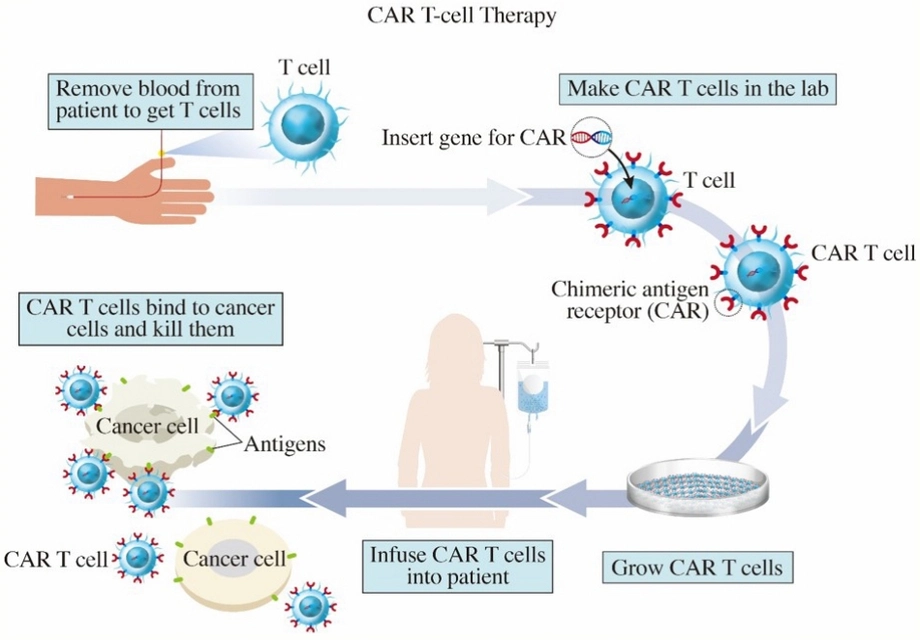
Chimeric antigen receptor T cell therapy, commonly called CAR-T, involves extracting a patient's own immune cells and genetically modifying them to recognize and destroy specific cancer cells. This personalized approach offers the potential for long-term remission with a single infusion, but the technical complexity of manufacturing living cells has traditionally made the treatments extremely expensive. The newly priced therapy, called anbalcaptagene autoleucel, is specifically indicated for adult patients with diffuse large B-cell lymphoma who have relapsed or failed to respond to at least two prior lines of systemic treatment.
Pricing and Financial Impact for Patients
The upper limit for reimbursement per administration was established at 278,016,050 South Korean won, placing the cost significantly below existing alternatives. Novartis markets a competing product called Kymriah in the domestic market with an upper limit of 360,039,359 South Korean won, making the domestically produced option roughly twenty-two percent less expensive. Financial analysts tracked the immediate market reaction when Korea Exchange data showed shares of the developing company surging by the daily limit of 29.95 percent to 27,550 South Korean won during morning trading following the announcement.
Patients who require this advanced treatment typically face substantial out-of-pocket expenses, but public insurance coverage changes the financial equation dramatically. The application of national health insurance lowers the patient share to a fraction of the total cost, reducing the burden for families dealing with aggressive blood cancers. The developing company expects individual out-of-pocket expenses to drop to around 6 million South Korean won, depending on individual income thresholds and statutory maximum limits for medical spending.
Rigorous Safety and Tracking Protocols
Authorities are implementing strict post-approval monitoring systems for the therapy due to its high cost and the necessity of verifying long-term efficacy in real-world clinical settings. According to the regulatory framework set to begin on December 1, patients receiving the infusion must participate in a mandatory tracking program for one year. Treating physicians and patients or their legal guardians must sign consent forms agreeing to structured follow-up evaluations every six months to assess clinical responses and potential adverse events.
Medical institutions administering the treatment must report evaluation data through a specialized digital portal managed by the Health Insurance Review and Assessment Service. Specific billing codes must be included in reimbursement claims to track the outcomes, which will also feed into risk-sharing agreements between the manufacturer and the government. For instance, a patient treated on December 1, 2026, must complete a primary response evaluation by June 1, 2027, followed by a secondary evaluation later in the year.
Manufacturing and Supply Chain Realities
Delivering personalized cellular therapies requires meticulous coordination between hospitals and manufacturing laboratories because every dose is manufactured from an individual patient's blood sample. International therapies often experience extended transit times because cells must be shipped overseas for processing, pushing total turnaround times to approximately one month. Domestic production allows the manufacturer to complete the cell collection, genetic modification, and formulation process within local facilities, shortening the preparation period to roughly two weeks.
Hospital adoption is progressing as major medical centers clear internal administrative hurdles for pharmacy usage. Institutions such as Asan Medical Center, Seoul National University Hospital, and Seoul National University Bundang Hospital have approved the therapy for hospital formulary inclusion. The manufacturer aims to expand the network of authorized supply and administration centers across the country to ensure patients can receive timely infusions without traveling long distances.
Clinical Trial Results and Technological Edge
Clinical data supporting the therapy demonstrated high response rates in patients with limited options remaining after standard chemotherapy failed. Phase 2 clinical trials evaluated by independent committees showed an overall response rate of 75.3 percent and a complete remission rate of 67.1 percent. Safety evaluations reported incidence rates of 8.9 percent for severe cytokine release syndrome and 3.8 percent for neurotoxicity, which represent significant immune-related side effects managed carefully by clinical teams.
The underlying technology incorporates a specialized design aimed at preventing T cell exhaustion, a phenomenon where immune cells lose their potency over time while fighting large tumor burdens. The company described the platform during industry briefings as a generational improvement over older therapies. Detailed findings from the clinical program were published internationally in the medical journal Blood, providing peer-reviewed validation of the technology.
Expansion Plans and Future Indications
While current reimbursement covers patients requiring third-line therapy or later, developers are already preparing for broader clinical applications. The company applied for clinical trial plan changes to initiate a Phase 3 study evaluating the therapy in second-line treatment settings, with patient recruitment targeted to begin in the first half of 2027. Concurrently, competitors are advancing alternative therapies, with regulatory bodies recently establishing reimbursement criteria for competing second-line options.
Company leadership emphasized that securing sustainable supply chains remains the immediate operational priority following market entry. Chief Executive Officer Kim Gun-soo outlined the corporate strategy during recent media sessions, emphasizing collaboration with medical staff.
In accordance with the December 1 reimbursement implementation, we will cooperate closely with medical institutions to operate a flawless supply system so that patients in need can receive treatment promptly and stably.
Future research pipelines extend beyond lymphoma into other hematologic malignancies and autoimmune diseases such as systemic lupus erythematosus. Financial backing remains secure following recent capital raising efforts through convertible bonds and preference shares, providing sufficient cash reserves to fund ongoing clinical development regardless of initial sales velocity.
The Essentials
- The domestic CAR-T therapy received a finalized reimbursement price of 278,016,050 South Korean won per administration, starting December 1, 2026.
- Covered patients include adults with relapsed or refractory diffuse large B-cell lymphoma who failed at least two prior therapies.
- Mandatory one-year tracking requires patient evaluations every six months to monitor clinical efficacy and safety outcomes.
- Domestic manufacturing reduces the production and delivery cycle to approximately two weeks, compared to a month for overseas alternatives.
- Phase 2 clinical trials demonstrated an overall response rate of 75.3 percent and a complete remission rate of 67.1 percent.