Political Crisis and Government Calls for Unity
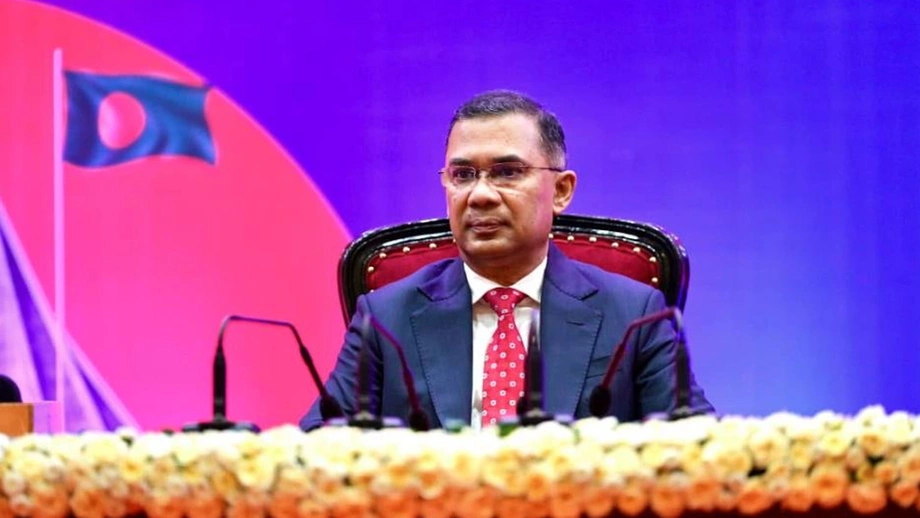
Prime Minister Tarique Rahman addressed the Jatiya Sangsad on November 18, 2026, and described the ousted Awami League as a terrorist group following a wave of violence and arson attacks in Gopalganj and other districts. The unrest involved crude bomb explosions, attacks on police stations, and fires at public and private properties, prompting the deployment of about 2,000 extra police officers and 27 platoons of border guards. In response to these security challenges, the government initiated a series of political consultations to forge a united front of anti-fascist parties. The political landscape has remained tense since former prime minister Sheikh Hasina fled to India on August 5, 2024, following a student-led mass uprising that resulted in an interim government banning the Awami League in May 2025 and the International Crimes Tribunal opening investigations into human rights abuses on October 6, 2025.
Contents
- Political Crisis and Government Calls for Unity
- The Stance of the National Citizen Party
- Demands Concerning Constitutional Reform and the July Charter
- The Dispute Over the Constitution Reform Council
- Core Policy Demands Outlined by Opposition Leadership
- Dialogue Schedule and Broader Opposition Reactions
- Security Measures and Ongoing Investigations
- At a Glance
The ruling Bangladesh Nationalist Party hopes to build broad consensus to prevent the ousted party from exploiting political divisions. Opposition figures, including Jamaat-e-Islami Ameer Shafiqur Rahman, also emphasized the need for unity during parliamentary discussions. Amid these developments, the government scheduled formal talks with political parties represented in parliament. The National Citizen Party emerged as the first group invited to discuss the national unity proposal at the State Guest House Jamuna.
The Stance of the National Citizen Party
National Citizen Party Convenor and Opposition Chief Whip Nahid Islam returned from a week-long visit to the United Kingdom on November 22, 2026, landing at Hazrat Shahjalal International Airport at 5:00 PM, accompanied by senior party leaders including Sarjis Alam, Ali Ahsan Junaid, and Ariful Islam Adeeb. Speaking to reporters outside the VIP gate, Nahid stated that his party would respond responsibly to the government invitation to dialogue during this period of national crisis. However, he made it clear that genuine national consensus requires more than temporary political alignment against a common adversary.
Nahid Islam outlined specific preconditions for joining any unity framework, arguing that the government must address past broken promises and establish a transparent foundation for cooperation. He stated that the ruling party must apologize for straying from pre-election commitments regarding governance reforms and public mandates. The party delegation planned to present these demands directly to the prime minister during their scheduled meeting at the secretariat.
Demands Concerning Constitutional Reform and the July Charter
The central point of contention between the ruling party and the National Citizen Party involves the mechanism for constitutional reform and the implementation of the July National Charter. The government formed a special parliamentary committee to draft constitutional amendments, with discussions exploring structural changes such as the creation of an upper house of parliament, as outlined in earlier deliberations regarding constitutional reform targets January 2027. Opposition parties argue that this parliamentary approach bypasses the mandate established by the public referendum on the July charter.
Nahid Islam criticized the current legislative process as an attempt by the ruling majority to retain unilateral control over constitutional changes. He warned that without structural guarantees, the government might seek temporary alignment in December to counter political unrest only to pass unilateral amendments in January. The National Citizen Party insists that the existing parliamentary committee on constitutional amendments must be dissolved immediately as an essential first step toward meaningful cooperation.
The Dispute Over the Constitution Reform Council
Former Dhaka University law professor Ridwanul Hoque publicly criticized the proposed Constitution Reform Assembly as a weird concept lacking legal basis during the swearing-in ceremony of newly elected members of parliament at Jatiya Sangsad on February 17, 2026. While members of the governing party took their oaths strictly as regular lawmakers, representatives of Jamaat-e-Islami, the National Citizen Party, and allied groups took additional oaths recognizing a reform council structure.
The government maintains that the initial implementation order for the reform council was void from the outset and that all legislative amendments must pass through standard parliamentary procedures. Opposition parties reject this interpretation, arguing that the administration is legally bound to administer the oath to a separate Constitution Reform Council to oversee the transition of the July charter into law. This disagreement over legal mechanisms has deepened the divide between the ruling party and its former allies from the uprising.
Core Policy Demands Outlined by Opposition Leadership
In addition to demanding the abolition of the parliamentary amendment committee, the National Citizen Party has tied its cooperation to several foundational policy objectives. These demands include completing the formal implementation of the July National Charter according to referendum results, accelerating prosecutions related to the 2024 mass killings, and executing the death sentence handed down to former prime minister Sheikh Hasina. Furthermore, the party called for the renewal of the Ganges water-sharing treaty with India to protect national resource interests.
Nahid Islam argued that broader societal solidarity remains essential because political parties alone cannot withstand authoritarian resurgence. He noted that the unity forged during the July uprising crossed traditional party lines and must be revived among citizens and social organizations rather than restricted to closed-door political negotiations. The party also accused external geopolitical actors of attempting to destabilize the nation through proxy networks, maintaining that grassroots resistance is necessary to preserve state sovereignty.
Dialogue Schedule and Broader Opposition Reactions
The government arranged individual consultations with opposition groups before considering any plenary all-party convention. Following the discussions with the National Citizen Party delegation, the administration planned to invite Jamaat-e-Islami and other political factions that participated in the 2024 uprising. Jamaat Secretary General Mia Golam Porwar welcomed the unity initiative in principle while expressing caution about the government agenda, noting that previous dialogue efforts failed when ruling authorities attempted to dictate terms unilaterally.
Jamaat leadership noted that their formal participation remained subject to receiving an official invitation and reviewing the proposed terms of reference. Meanwhile, senior cabinet ministers and party advisers prepared to coordinate government positions ahead of the meetings. The ruling party hopes these structured engagements will demonstrate that democratic institutions can function cohesively during periods of intense political polarization.
Security Measures and Ongoing Investigations
The political outreach follows weeks of heightened security concerns across multiple administrative districts, particularly in Gopalganj where police installations and public transport experienced targeted arson and explosive attacks. Law enforcement agencies attributed the violence to loyalists of the banned ruling party attempting to disrupt public order ahead of the announced return of their exiled leader in December. Authorities deployed additional security personnel to stabilize affected sub-districts and prevent further destruction of property.
Prime Minister Tarique Rahman emphasized during parliamentary sessions that no political group should be permitted to threaten national security or undermine constitutional governance. Senior government officials reiterated that while political dissent remains a protected right, violent disruptions and terrorist tactics will meet with a unified legal response from all democratic forces operating inside and outside parliament.
At a Glance
- Prime Minister Tarique Rahman initiated political consultations following recent violence and arson attacks linked to the banned Awami League.
- A four-member delegation from the National Citizen Party met with government leadership at the State Guest House Jamuna.
- Opposition Chief Whip Nahid Islam demanded the dissolution of the special parliamentary committee on constitutional amendments as a prerequisite for national unity.
- The National Citizen Party called for the full implementation of the July National Charter, execution of legal sentences against ousted leaders, and renewal of the Ganges water treaty.
- Disagreements persist between the governing party and opposition groups regarding the legal validity and implementation method of the proposed Constitution Reform Council.