Understanding the New Digital Border Era in Kazakhstan
Kazakhstan is changing the way foreign visitors enter the country by launching a digital travel pre-clearance system called QazETA. The initiative shifts border procedures for citizens of 85 countries who traditionally enjoy visa-free entry. Government Resolution No. 890, adopted on October 10, 2026, established the legal foundation for this electronic travel authorisation. The Ministry of Foreign Affairs of Kazakhstan confirmed that the system is designed to improve migration management, strengthen border screening, and make entry procedures more transparent. Travellers who want to visit the country must navigate this digital step before departure, though the underlying visa-free privileges remain active.
Contents
The system introduces a digital screening process similar to digital travel authorisations used in other parts of the world. Travellers submit their personal details and passport information through an online platform before their journey. This allows border authorities and transport operators to review information ahead of time. However, acquiring the digital document is not the same as obtaining a traditional visa. The government's official advisory outlines that the digital permit does not replace a visa or guarantee admission into the country.
Phased Implementation Schedule Across Airports and Borders
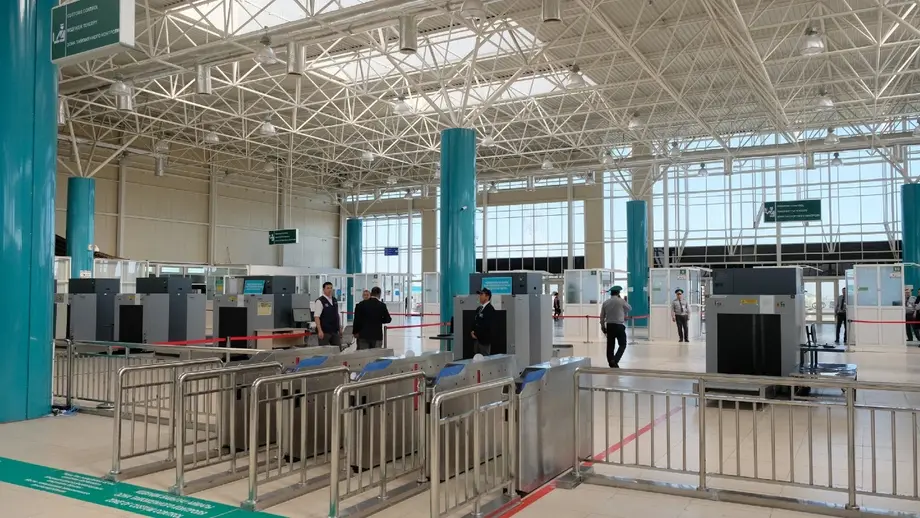
The rollout of QazETA is taking place in four distinct stages to give passengers, airlines, and border personnel time to adapt. The initial phase began on November 1, 2026. This first stage covered Aktau International Airport along with four specific road border crossings. These land checkpoints include Urlyutobe in the Pavlodar Region, Aukhatty in the Zhambyl Region, Atameken in the Turkistan Region, and Nurly Zhol in the Zhetysu Region. As noted in last year's entry policy announcements, the staged approach ensures gradual integration across the nation's transport network.
The second stage begins on January 1, 2027, expanding the system to the international airports in Astana and Almaty. The third stage follows on March 1, 2027, introducing checks at all remaining border crossing points across the country. Finally, the system becomes fully mandatory on July 1, 2027. During the transition period running until June 30, 2027, travellers arriving without the digital authorisation will not face refusal solely for that reason. Instead, border officials use the introductory months to inform visitors about the new requirement and assist with compliance.
Application Process, Costs, and Validity Rules
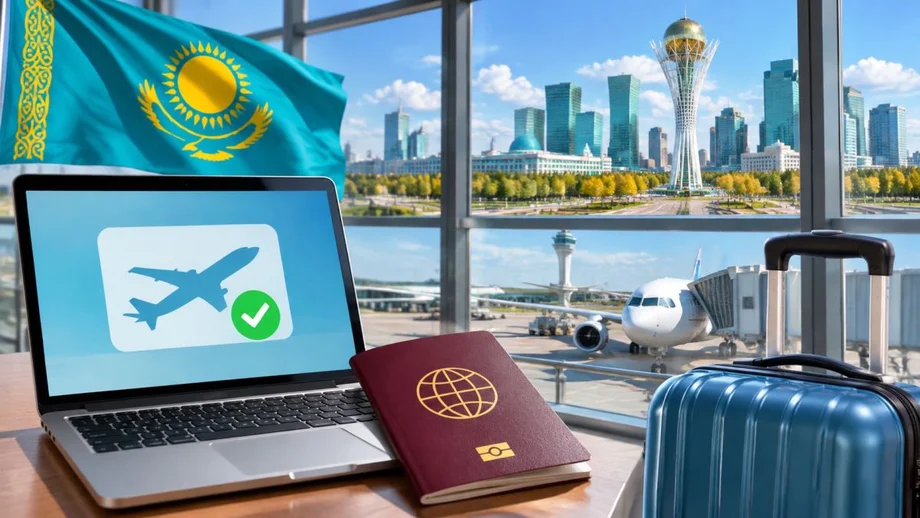
Applying for QazETA is designed to be accessible through digital channels. Applicants can use the official mobile application available on Google Play and Apple App Store, or visit the web platform at qazeta.kz. The application service is entirely free of charge. Submissions must be completed at least 72 hours before the planned date of entry to allow adequate processing time. Once approved, the electronic authorisation is valid for 180 calendar days and supports multiple entries during that period.
The 180-day validity period comes with an important caveat regarding length of stay. The digital permit does not extend the permitted duration that a traveller can remain in Kazakhstan. The allowed time in the country continues to be governed by the standard migration rules associated with the visitor's nationality. Furthermore, travellers must present the exact same passport at the border that was used during the digital application process. Any mismatch between the travel document and the approved application can create severe entry complications.
Exemptions and Special Categories of Travellers
The new travel authorisation requirement does not apply to every international visitor. Government regulations establish 29 distinct categories of exempt individuals. Children under the age of 16 and adults aged 65 and older are entirely exempt from obtaining QazETA. Other exempt groups include holders of valid Kazakh visas, temporary residence permits, and permanent residence permits. Diplomatic passport holders, official state delegations, and international transport crew members also fall outside the mandate.
Transit passengers who remain strictly within the international transit area of an airport do not need to apply. Additional exceptions cover professional drivers operating heavy trucks or large passenger buses, emergency medical teams, and individuals participating in humanitarian missions. Discussions are currently underway regarding potential extra exemptions for specific neighboring nationalities, such as citizens of Kyrgyzstan and Uzbekistan, though formal changes to the exemption list remain under review following bilateral diplomatic talks.
Border Authorities Retain Final Authority on Admission
Securing an approved QazETA is a necessary prerequisite for visa-free travellers, but it does not remove the final authority of border control officers. Article 48 of the Law of the Republic of Kazakhstan on Population Migration sets out the legal grounds for refusing entry. Border authorities maintain the legal right to deny admission if a traveller meets any of those refusal criteria, regardless of whether they hold a valid digital travel authorisation. The digital platform simply modernises the pre-screening process rather than replacing physical border inspections.
The Ministry of Internal Affairs reported that thousands of permits have already been issued since the initial November rollout, demonstrating that many visitors are adopting the procedure early. As earlier border updates highlighted, the clear distinction between the voluntary transition window and the strict enforcement date helps prevent travel disruptions. Visitors planning trips to Kazakhstan must verify their exemption status, submit timely applications when required, and ensure compliance before arriving at any border checkpoint.
Key Points
- The QazETA electronic travel authorisation becomes mandatory on July 1, 2027, for visa-free visitors from 85 countries.
- Applications are submitted free of charge through the mobile app or official portal at least 72 hours before travel.
- An approved authorisation is valid for 180 calendar days and permits multiple entries, but does not extend the allowed length of stay.
- Exemptions apply to children under 16, seniors over 65, valid visa holders, residence permit holders, and transit passengers.
- Final entry decisions remain with border authorities in accordance with national migration legislation.