Indonesia Reclaims Seat on Global Aviation Governing Body
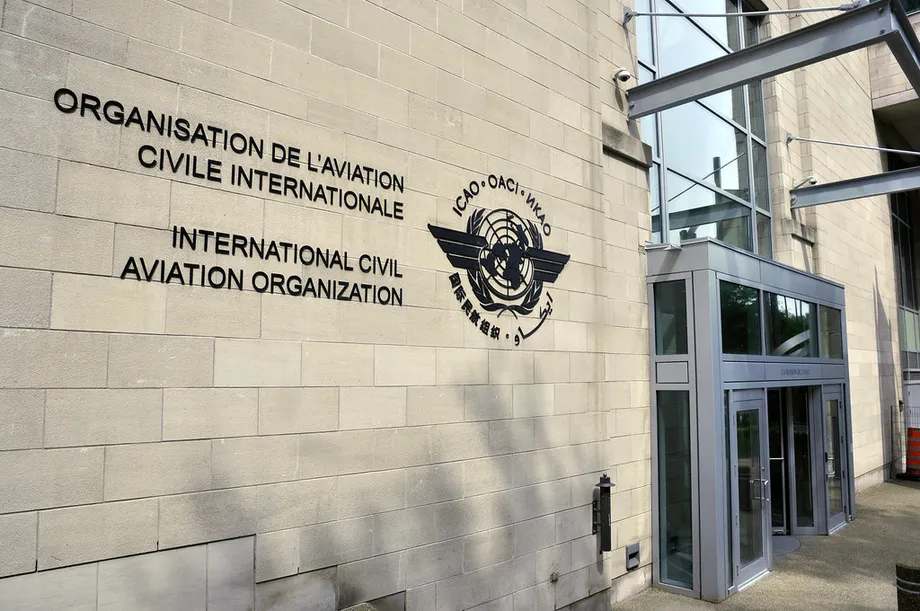
Indonesia has secured a position on the Council of the International Civil Aviation Organization for the 2026 to 2028 term. The election took place on November 20, 2026, during the forty-third extraordinary session of the ICAO assembly held in Montreal, Canada. This outcome marks a major diplomatic milestone, ending a twenty-five-year absence from the executive body of the United Nations aviation agency.
Contents
Transportation Minister Dudy Purwagandhi led the Indonesian delegation at the assembly alongside Indonesian Ambassador to Canada and Permanent Representative to ICAO Muhsin Syihab and Civil Aviation Director General Lukman F. Laisa. Representatives from the Ministry of Foreign Affairs and national aviation stakeholders, including InJourney, AirNAV Indonesia, Garuda Indonesia, Lion Group, and the Indonesian National Air Carriers Association, also attended the proceedings in Canada.
The mandate entrusted by ICAO member states must be met with consistency, inclusive leadership and contributions that benefit all parties.
Indonesia secured 110 votes from the 158 participating countries present at the assembly. The vote total placed Indonesia ahead of fellow contenders Kazakhstan, which received 78 votes, and Thailand, which garnered 29 votes. The extraordinary session also elected Ethiopia to represent Africa, Oman to represent the Middle East, and Türkiye to represent Europe.
Understanding the Expansion of the ICAO Council
The successful return was made possible by a structural expansion of the governing body. The ICAO Council increased its membership from 36 to 40 states following the formal entry into force of a protocol amending Article 50(a) of the Convention on International Civil Aviation, also known as the Chicago Convention. This foundational treaty established the legal framework for international civil air transport when the organization was founded in 1947.
The amendment process began at the thirty-ninth assembly in 2016 and required 128 national ratifications to take effect. That threshold was reached when Ecuador deposited its instrument of ratification, allowing the expansion to take effect on June 12, 2026. The four newly created seats were allocated to Part III of the council, a category designed to ensure broad geographical representation among member states.
The expanded forty-state council will govern the organization until the next elections take place during the forty-fourth session of the assembly in 2028. As a permanent governing body, the council oversees operational policies, adopts international aviation standards, and manages technical decisions between assembly sessions.
Historical Context of Indonesia and International Aviation
Indonesia holds a long history of participation within the global aviation agency. Following its initial membership, the country previously maintained a seat on the council for twelve consecutive terms starting in 1962. That unbroken tenure came to an end in 2001, after which Indonesia spent a quarter of a century outside the executive governing body.
To maintain close cooperation during the absence, the government opened the Indonesian Interests Office at ICAO in Montreal in 2012. This office allowed national delegates to participate in agency discussions, though the country lacked a direct vote on the council itself. With the new election, Indonesia joins regional neighbors Malaysia and Singapore, bringing total Southeast Asian representation on the council to three countries.
Official data from the Ministry of Transportation illustrates the immense scale of domestic civil aviation. During the first half of 2026, the national aviation sector handled 24.9 million domestic passengers and 18.5 million international passengers. These operations spanned 257 airports across the sprawling archipelagic nation, utilizing 297 domestic routes and 160 international routes operated by 14 national airlines and 59 foreign airlines.
Safety Compliance and Regulatory Achievements
International confidence in Indonesia's aviation sector played a central role in the successful council bid. Evaluations conducted under the ICAO Universal Safety Oversight Audit Programme recorded an effective implementation compliance score of 78.85 percent. This figure surpasses both the global average of 70.6 percent and the Asia-Pacific regional average of 69.6 percent.
In addition to safety performance, the country achieved an 88.53 percent compliance score in the Universal Security Audit Programme, well above the global target of 75 percent. Supporting infrastructure also received international recognition, notably the aviation training center located in Curug, Banten, which holds Platinum Training Centre of Excellence status under the ICAO TRAINAIR PLUS program.
ICAO Council President Toshiyuki Onuma commended the nation's safety track record during a diplomatic reception commemorating the eighty-first anniversary of Indonesian independence. Onuma noted that the country has consistently maintained safety and security standards above the global average. Furthermore, the Indonesian Developing Countries Training Program has shared technical expertise with professionals from more than 60 countries since 1950.
Strategic Priorities for the 2026 to 2028 Term
Government officials have outlined several core objectives for the upcoming council term, focusing on sustainable aviation and technical cooperation. Minister Dudy emphasized that the nation will champion the perspectives of developing nations and archipelagic states during policy discussions. Geographically, the country spans a vast island territory where air connectivity functions as an essential economic driver and daily lifeline.
Key policy initiatives include strengthening the implementation of the Carbon Offsetting and Reduction Scheme for International Aviation to curb emissions from cross-border flights. The government also intends to accelerate research and deployment of Sustainable Aviation Fuel. Additional focal points involve expanding technical training programs, enhancing human resource capacities, and promoting women's empowerment across the aviation sector.
Director General Lukman explained that council membership eliminates the previous necessity of asking other nations to introduce Indonesian initiatives to the assembly. Direct participation allows officials to advance national interests immediately while contributing technical expertise in areas such as drone technology and personnel training to the broader global community.
Timeline of Key Developments
- 1962: Indonesia secures its first of twelve consecutive terms on the ICAO Council.
- 2001: Indonesia concludes its final term on the council, beginning a 25-year absence.
- 2012: The Indonesian Interests Office opens in Montreal to maintain diplomatic engagement.
- June 12, 2026: The protocol amending Article 50(a) of the Chicago Convention enters into force, expanding the council from 36 to 40 states.
- November 20, 2026: Indonesia wins 110 votes during the 43rd Extraordinary Session of the ICAO Assembly in Montreal, officially returning to the council for the 2026 to 2028 term.
The Essentials
- Indonesia was elected to the ICAO Council for the 2026 to 2028 term with 110 votes from 158 participating nations.
- The election ends a 25-year absence from the executive body, following the country's last tenure in 2001.
- The governing council expanded from 36 to 40 member states, with Ethiopia, Oman, and Türkiye joining Indonesia as new members.
- Compliance with ICAO safety standards reached 78.85 percent, exceeding global and regional averages.
- Strategic priorities for the new term include carbon reduction, sustainable aviation fuel development, and technical cooperation for developing countries.